On this page
- Planning a Hokkaido Winter Trip in 2026: What’s Actually Changed
- The Snow Festivals Worth Timing Your Trip Around
- Hokkaido’s Best Ski Resorts — Matched to the Right Traveler
- Where to Eat and Drink in Winter Hokkaido
- Getting to and Around Hokkaido in Winter
- Where to Stay — By Area and Budget
- Beyond the Slopes — Winter Hokkaido Off the Ski Map
- Day Trips and Multi-Day Routes From Sapporo
- Nightlife and Après-Ski
- What to Pack and How to Stay Warm
- 2026 Budget Breakdown for a Hokkaido Winter Trip
- Frequently Asked Questions
💰 Click here to see Japan Budget Breakdown
💰 Prices updated: October, 2026. Budget figures are estimates — always verify before travel.
Exchange Rate: $1 USD = ¥157.00
Daily Budget (per person)
Shoestring: ¥8,000 – ¥15,000 ($50.96 – $95.54)
Mid-range: ¥18,000 – ¥35,000 ($114.65 – $222.93)
Comfortable: ¥45,000 – ¥80,000 ($286.62 – $509.55)
Accommodation (per night)
Hostel/guesthouse: ¥2,500 – ¥6,000 ($15.92 – $38.22)
Mid-range hotel: ¥10,000 – ¥20,000 ($63.69 – $127.39)
Food (per meal)
Budget meal: ¥800.00 ($5.10)
Mid-range meal: ¥2,500.00 ($15.92)
Upscale meal: ¥20,000.00 ($127.39)
Transport
Single metro/bus trip: ¥250.00 ($1.59)
Monthly transport pass: ¥30,000.00 ($191.08)
Planning a Hokkaido Winter Trip in 2026: What’s Actually Changed
Hokkaido’s winters have always been legendary — powder snow so dry it squeaks underfoot, festivals that turn city blocks into sculptures, and onsen towns swallowed by blizzards in the best possible way. But 2026 has reshuffled the logistics considerably. The long-anticipated Hokkaido Shinkansen extension to Sapporo is still years away, but new high-speed rail services and expanded domestic flight routes from Tokyo and Osaka mean access has genuinely improved. Meanwhile, Niseko — for years the most foreign-saturated ski village in Japan — has introduced a resort area visitor management system that caps daily lift ticket sales during peak weeks in January and February. If you’re planning a trip without reading the 2026 rules, you could arrive at the gondola queue to find yourself turned away. This guide cuts through all of it.
The Snow Festivals Worth Timing Your Trip Around
Hokkaido hosts several distinct winter festivals, and they are not interchangeable. Each has a different feel, a different crowd, and a different reason to show up.
Sapporo Snow Festival (Sapporo Yuki Matsuri)
The Sapporo Snow Festival runs for roughly one week in early February — in 2026, the dates fall across February 4 to 10. Three sites run simultaneously: Odori Park in central Sapporo, Susukino entertainment district, and Tsudome in the eastern suburbs. Odori is the main event. Enormous snow sculptures — some reaching 15 metres high — line twelve blocks of the park. At night, the sculptures are lit from within and below, and standing among them when the temperature drops to minus 10°C, breath clouding in the floodlit air, the scale of the work is genuinely disorienting. A single sculpture can take a Japan Ground Self-Defense Force team three weeks to build.
Tsudome is the family-friendly site, with snow slides and covered seating that makes the cold manageable. Susukino hosts ice sculptures — smaller, more intricate, many of them featuring local businesses as sponsors. Plan your evenings there after dinner.

Crowd reality: the festival draws around two million visitors over its run. The middle Saturday is the single busiest day. If you have flexibility, arrive the first two days or the final two days. Accommodation in Sapporo books out by October for festival week — if you haven’t booked, look at staying in Otaru (35 minutes by train) and commuting in.
Asahikawa Winter Festival
Asahikawa, Hokkaido’s second city, hosts its own winter festival the same week as Sapporo’s — in 2026, February 5 to 11. The Asahikawa festival has a quieter, more local atmosphere. The centerpiece is a massive ice stage used for live performances and events, and the sculptures here emphasize intricate ice carving over sheer scale. Asahikawa is also the coldest city in Japan that people actually live in — temperatures regularly hit minus 25°C at night during festival week. That’s not a deterrent; it’s a reason to come. The cold makes the ice sculptures look harder, cleaner, and more surreal.
Sounkyo Hyobaku Matsuri (Ice Waterfall Festival)
In Sounkyo Gorge, about 130 kilometres from Asahikawa, the Hyobaku Matsuri runs from late January through late March. The gorge’s frozen waterfalls are illuminated at night with blue and green lights, and the narrow canyon walls focus the light into something cathedral-like. It’s far less visited than Sapporo, accessible by bus from Asahikawa, and worth building a night’s stay around. Accommodation in Sounkyo is limited to a handful of onsen ryokan — book early, and book one that faces the gorge.

Hokkaido’s Best Ski Resorts — Matched to the Right Traveler
Hokkaido gets more snow than almost anywhere on Earth with accessible ski infrastructure. But the resorts serve very different types of skiers and budgets.
Niseko United
Four interconnected resorts — Annupuri, Niseko Village, Hirafu, and Hanazono — make up Niseko United, the most internationally known ski destination in Japan. The powder here is real: cold maritime air coming off the Sea of Japan hits the volcanic mountain and dumps light, dry snow at a rate that regularly exceeds 15 metres per season. Advanced skiers come for the backcountry access and tree runs. Intermediates find the groomed runs more than sufficient. Beginners have dedicated terrain at Annupuri and Hanazono.
The tradeoff is price and crowd. Niseko has become one of the most expensive ski destinations in Asia, driven by foreign investment, luxury property development, and a strong yen recovery. A day lift ticket in the 2025–26 season costs around ¥9,500–¥12,000 depending on the area. The village of Hirafu, where most of the international bars and restaurants sit, can feel more like a ski town in Canada than rural Japan. If that bothers you, Annupuri is quieter. The new daily lift ticket cap introduced for 2026 means you should buy tickets online before arriving — do not show up assuming walk-up availability on a Saturday in January.
Rusutsu
Rusutsu is 40 kilometres from Niseko and dramatically less crowded. Three mountains with 37 runs, tree skiing through old-growth forest, and a resort hotel that keeps most guests on-site means the slopes feel almost empty by comparison. Lift tickets run around ¥8,000 per day. The resort runs shuttle buses from Sapporo, making it a viable day trip, though staying on-site gives you first tracks in the morning when the overnight snowfall is still untouched.

Furano
Furano sits in central Hokkaido, roughly 130 kilometres from Sapporo. The mountain has a strong local Japanese skiing culture — most visitors here are domestic — and the town at the base has an authentic Hokkaido feel that Niseko lost some years ago. Two resorts, Furano and Kitanomine, are linked and cover substantial vertical. Lift tickets are around ¥7,500 per day. The ramen shops and izakaya in Furano town are excellent and priced for locals, not tourists.
Kiroro
Kiroro is 60 kilometres from Sapporo and often gets even more snow than Niseko due to its position in the mountains above the Shakotan Peninsula. It’s a good intermediate resort with reliable powder and shorter lift queues. A new gondola installed before the 2025–26 season significantly improved upper mountain access. Day tickets run around ¥8,500.
Where to Eat and Drink in Winter Hokkaido
Hokkaido’s food scene is one of Japan’s strongest regional offerings, and winter is when it’s at its most concentrated.
Sapporo
Nijo Market (Nijo Ichiba), a few blocks from Odori Park, is the place to start any morning in Sapporo. Stalls sell Hokkaido king crab, sea urchin, scallops, and salmon roe, and several counter restaurants along the market’s inner lanes serve breakfast crab bowls (kani-don) for around ¥2,500–¥4,000. The air in the market on a cold February morning smells powerfully of brine and woodsmoke from the charcoal grills.
Sapporo Ramen Yokocho, a narrow alley in Susukino lined with around 17 tiny ramen shops, is the definitive late-night destination. Each shop seats fewer than 15 people. Miso ramen here — Sapporo’s signature style, with rich pork broth and corn — costs around ¥1,000–¥1,300 per bowl. Show up after 22:00 and you’ll be sharing elbow room with bartenders finishing their shifts and office workers on the way home.

For crab specifically, Kani Honke in central Sapporo is the established choice — full crab course meals run ¥8,000–¥20,000 per person. For a more market-adjacent option, the vendors along Curb Market Street (Ekimae Dori) near Sapporo Station sell whole crabs by weight that you can have prepared on the spot.
Niseko and Furano
In Niseko Hirafu village, Izakaya Bang Bang is the long-running local spot that predates the international resort boom and still draws a mixed Japanese and foreign crowd. In Furano, the small izakaya on Furano Ekimae Dori (the street running from the train station toward town) are the right places for grilled lamb (Hokkaido’s jingisukan is a winter staple), locally brewed Furano beer, and conversation with the people who actually live there.
Getting to and Around Hokkaido in Winter
Flying In
New Chitose Airport, 40 kilometres south of Sapporo, is the main entry point. Direct flights from Tokyo Haneda take 90 minutes; from Osaka Itami or Kansai, around two hours. In 2026, Peach Aviation added a new low-cost route from Fukuoka, expanding southern Japan access. Budget fares from Tokyo start around ¥7,000–¥15,000 one-way if booked early. All Nippon Airways and Japan Airlines fly the route multiple times daily. Book at least two months ahead for February travel — festival week flights sell out.
The Japan Rail Pass in Hokkaido
The JR Hokkaido Rail Pass (separate from the national Japan Rail Pass) covers all JR trains on the island and costs ¥21,000 for five days or ¥27,000 for seven days as of the 2026 pricing update. This is good value if you’re combining Sapporo, Asahikawa, Furano, and Abashiri in one trip. The Hokkaido Rail Pass does not cover the Hokkaido Shinkansen (which currently only runs as far as Hakodate). The national JR Pass still covers Shinkansen to Hakodate, but from Hakodate to Sapporo by limited express adds around 3.5 hours.

Renting a Car
A rental car is the most practical way to reach Rusutsu, Sounkyo, Biei, and smaller onsen towns. Hokkaido’s highways are maintained well in winter, but secondary roads demand respect. Winter tires are mandatory and always fitted to rental cars from November to March — confirm this when booking. An international driving permit is required for foreign license holders. Budget for expressway tolls, which add up quickly across Hokkaido’s distances. A compact car rental runs around ¥6,000–¥10,000 per day before fuel.
IC Cards and Local Transit
Sapporo’s subway is clean, heated, and efficient — a Suica or Pasmo card works on it following the 2024 IC card interoperability expansion that now covers Sapporo Municipal Subway. Within the city, the subway gets you everywhere that matters. Resort shuttle buses from Sapporo to Niseko, Rusutsu, and Kiroro are the best bet for day-trip skiers; they run daily from late November through March and cost around ¥2,000–¥3,500 return.
Where to Stay — By Area and Budget
Sapporo
Budget (¥4,000–¥8,000 per night): Business hotels around Sapporo Station and Susukino — APA Hotel and Toyoko Inn have multiple locations and reliable heating. Capsule hotels are available but less practical with ski gear.
Mid-range (¥10,000–¥20,000 per night): The Dormy Inn Sapporo Annex is perennially popular for its rooftop onsen, central location, and breakfast included packages. JR Tower Hotel Nikko gives direct Sapporo Station access and river views.
Comfortable/Luxury (¥25,000+ per night): The Mitsui Garden Hotel Sapporo Premier opened in 2024 and sits in the Odori area with spacious rooms and a refined Hokkaido breakfast menu. During festival week, expect premium pricing across every category.
Niseko
Budget (¥8,000–¥15,000 per night): Hostels and guesthouses in Hirafu and Niseko Village cater to young international skiers. Moiwa Ski Lodge area has cheaper options further from the main village.

Mid-range (¥20,000–¥40,000 per night): Niseko Northern Resort An’nupuri offers slope access and outdoor onsen at more reasonable prices than the luxury end.
Luxury (¥60,000–¥150,000+ per night): Park Hyatt Niseko Hanazono and Skye Niseko are the headline properties, both with ski-in/ski-out access and prices that reflect the Niseko premium. Book three to six months ahead for January–February.
Furano
Furano offers the best value of any Hokkaido ski destination. Mid-range hotels and minshuku (family-run guesthouses) run ¥8,000–¥18,000 per night including breakfast and dinner in many cases. New Furano Prince Hotel sits directly at the base of the slopes.
Beyond the Slopes — Winter Hokkaido Off the Ski Map
Drift Ice in Abashiri
Every January through March, the Sea of Okhotsk pushes pack ice toward Hokkaido’s northeastern coast, and Abashiri is the best place to encounter it. The Aurora icebreaker ship departs Abashiri Port multiple times daily and smashes through the drift ice — the sound of ice scraping the hull is something you don’t forget. Tickets cost around ¥3,500 per person. The ice itself, covered in sea spray and refrozen overnight, glints blue and white in the low winter sun, stretching to the horizon in every direction.
Noboribetsu Onsen in Winter
Noboribetsu is Hokkaido’s most famous hot spring town, and winter is its most dramatic season. Geothermal steam rises from Jigokudani (Hell Valley) and mixes with falling snow in a way that makes the whole landscape look like something from a fever dream. The ryokan here run ¥15,000–¥40,000 per night including two meals, and most have multiple baths with different mineral compositions. The outdoor rotemburo baths, surrounded by snow and steam, are the specific reason to come in February rather than any other month.
Wildlife in Eastern Hokkaido
The Kushiro Marsh and surrounding wetlands in eastern Hokkaido host the winter gathering of the Japanese red-crowned crane — one of the rarest cranes in the world. Akan International Crane Center in Kushiro is the main observation point, accessible by bus from Kushiro city. Whooper swans winter at Lake Kussharo near Kawayo Onsen. This is a long way from Sapporo (3–4 hours by JR), but Hokkaido’s eastern wildlife in winter is genuinely world-class.

Day Trips and Multi-Day Routes From Sapporo
Otaru (35 minutes, JR)
Otaru is Hokkaido’s best day trip in any season and exceptional in winter. The canal district gets a dusting of snow that photographs perfectly in the late afternoon light. Otaru’s covered shopping street (Sankaku Ichiba, the triangular market near the station) is packed with sushi stalls and seafood vendors charging roughly half of what you’d pay in central Tokyo. The Otaru Snow Light Path festival runs in parallel with the Sapporo Snow Festival in early February — small lanterns line the canal every evening, and the atmosphere is intimate where Sapporo is bombastic.
Noboribetsu (90 minutes, JR + bus)
A day trip to Noboribetsu for Jigokudani and a few hours in the public bathhouses is feasible from Sapporo, but staying overnight is better. Day-trip visitors can use the public foot baths in the town center for free.
Asahikawa (90 minutes, JR Limited Express)
Combine a day in Asahikawa with the Asahiyama Zoo (which runs special winter programs showcasing how its Arctic animals behave in their natural cold environment — the polar bear and penguin enclosures are uniquely active in winter) and the Asahikawa Winter Festival if dates align. The JR Limited Express Kamuy and Lilac services run frequently throughout the day.
Biei Blue Pond and Patchwork Road (2–3 hours from Sapporo by car or bus)
Biei’s famous Blue Pond freezes over in winter and the surrounding bare birch trees collect snow. The scene is genuinely different from any other season — quieter, more minimal, and surprisingly moving. Direct sightseeing buses from Asahikawa cover Biei in winter. By car, Biei and Furano can be combined in one day from Sapporo.

Nightlife and Après-Ski
Sapporo Susukino
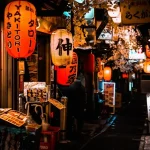
Susukino is one of Japan’s largest entertainment districts and Sapporo’s main nightlife area. It runs across several blocks south of Odori Park and contains an enormous range of bars, izakaya, live music venues, and clubs. In winter the neon signs and lanterns reflect off the snow-covered streets in a way that makes everything look more cinematic than it has any right to. Key streets to explore are Tanuki Koji (a covered shotengai with bar-heavy backstreets) and the yakitori alleys east of Susukino Station. For craft beer specifically, Baristart Coffee and the nearby Hokkaido Brewing tap rooms are worth finding. Cover charges in Susukino clubs vary — izakaya are generally ¥500–¥800 otoshi (table charge) with drinks from ¥500.
Niseko Après-Ski
Niseko Hirafu’s après-ski scene runs primarily along the main road through the village. Gyu+ bar is a long-running institution for post-slope beers and gyudon. Wild Bill’s is the large, loud option if that’s what you want. The quieter bars in Niseko Village (the area near the Hilton) are a better choice for sitting down and actually talking to people. Bars here open around 15:00 when the lifts close and peak between 17:00 and 20:00. Most of the drinking crowd shifts to dinner by 20:30.
What to Pack and How to Stay Warm
Hokkaido winters are not the same as cold weather in most European or North American cities. Sapporo in January averages around minus 6°C during the day; Asahikawa hits minus 15°C to minus 20°C at night. The cold is dry, which helps, but the wind in exposed areas — coastlines, hilltops — is the variable that catches people out.

The practical layering system for Hokkaido winter: a moisture-wicking base layer, a mid-layer (fleece or down), and a waterproof outer shell. For city walking, insulated winter boots with proper grip are non-negotiable — Sapporo and Otaru’s streets get compacted ice that sends unprepared footwear owners horizontal. Microspike attachments for boots are sold at every sporting goods shop in Sapporo for around ¥1,500–¥3,000 and are worth every yen.
Ski gear rental is available at every resort and costs around ¥3,000–¥6,000 per day for skis or snowboard, boots, and poles. High-end demo ski rentals at Niseko and Rusutsu run higher. Helmets are now strongly encouraged at all resorts and available to rent for ¥800–¥1,500. Hand warmers (kairo) are available at every convenience store for around ¥200–¥300 for a pack of two — buy them every morning.
2026 Budget Breakdown for a Hokkaido Winter Trip
All figures are per person per day and assume accommodation for two sharing.
Budget Traveler — ¥12,000–¥18,000 per day
- Accommodation: hostel or budget business hotel — ¥4,000–¥7,000
- Food: market breakfasts, ramen, convenience store lunches — ¥2,000–¥3,500
- Transport: JR Hokkaido Rail Pass (amortized) + subway IC card — ¥2,500–¥3,500
- Activities: free festival entry, public onsen, city walking — ¥500–¥2,000
- Skiing (if applicable): lift ticket + gear rental at Furano or Kiroro — ¥10,000–¥11,500 (this day will exceed the budget tier)
Mid-Range Traveler — ¥25,000–¥45,000 per day
- Accommodation: mid-range hotel or ryokan with meals — ¥12,000–¥20,000
- Food: sit-down restaurants, crab market breakfast, izakaya dinner — ¥5,000–¥8,000
- Transport: JR Pass + resort shuttles — ¥3,000–¥5,000
- Activities: Niseko or Rusutsu lift ticket + rental — ¥12,000–¥15,000
- Extras: Aurora icebreaker, onsen entry, Otaru day trip — ¥2,000–¥5,000
Comfortable/Luxury Traveler — ¥70,000–¥150,000+ per day
- Accommodation: Park Hyatt Niseko, Noboribetsu luxury ryokan — ¥35,000–¥80,000
- Food: full crab course dinners, resort restaurant dining — ¥15,000–¥30,000
- Transport: private transfers, domestic flights — ¥5,000–¥20,000
- Activities: guided backcountry skiing, private onsen, helicopter access at some Niseko zones — ¥10,000–¥40,000
A one-week Hokkaido winter trip for a mid-range traveler — including flights from Tokyo — realistically costs ¥200,000–¥320,000 total per person if you mix ski days with festival and cultural days. Festival week (early February) adds a 15–25% accommodation premium across all tiers.

Frequently Asked Questions
When is the best time to visit Hokkaido for skiing in 2026?
Late January through mid-February offers the deepest powder and the best ski conditions at all Hokkaido resorts. January is slightly less crowded than festival week in early February. March skiing is still excellent at Niseko and Furano, with softer snow and fewer lift queues, though snowfall is less reliable after mid-March.
Do I need to speak Japanese to get around Hokkaido in winter?
In Sapporo, Niseko, and major tourist areas, English signage is widely available and resort staff at Niseko and Rusutsu are accustomed to English-speaking visitors. In smaller towns like Furano, Sounkyo, and Abashiri, English is limited. A translation app and written phrases go a long way. The JR booking system in English works well for train reservations.
Is Hokkaido safe to drive in winter?
Yes, with the right preparation. All rental cars come fitted with winter tires. The main highways between Sapporo, Asahikawa, and Niseko are well-maintained. Secondary roads, especially mountain routes, require more caution after heavy snowfall. Check road conditions via the Hokkaido Road Information System before departing each day. Driving in heavy snowfall at night on unfamiliar roads is not advisable for inexperienced winter drivers.
How far in advance should I book for the Sapporo Snow Festival?
Book accommodation at least three to four months in advance for festival week (early February). Hotels in Sapporo fill by October for peak dates. Flights from Tokyo on festival dates book out six to eight weeks ahead on budget carriers. If you’re coming from overseas, flight and hotel packages through a travel agent can sometimes unlock inventory that isn’t visible on booking platforms.
Can I combine skiing and the Sapporo Snow Festival in the same trip?
Easily. The standard approach is two to three nights in Sapporo for the festival, then transfer to Niseko, Rusutsu, or Furano for three to four nights of skiing. Shuttle buses and rental cars make the transfer straightforward. A seven-day trip built around early February gives you festival days and ski days without feeling rushed. Furano is the easiest combination as it’s also reachable via Asahikawa, letting you see both festivals in a single northern swing.
Explore more
Discover Japan’s Best Regional Nightlife: A Traveler’s Guide
Beyond Tokyo: Your Guide to Unique Shopping Across Regional Japan
📷 Featured image by Gregoire Jeanneau on Unsplash.