On this page
- What Makes Fukuoka’s Food Culture Different From the Rest of Japan
- Hakata Ramen — The Dish That Defines the City
- Yatai Street Stalls — Eating Like a Local After Dark
- Beyond Ramen — The Full Fukuoka Menu
- The Best Neighbourhoods to Eat In
- Day Trip or Overnight? Planning Your Food-Focused Visit
- 2026 Budget Reality — What Eating in Fukuoka Actually Costs
- Getting to Fukuoka and Getting Around
- Practical Tips for Eating in Fukuoka in 2026
- Frequently Asked Questions
💰 Click here to see Japan Budget Breakdown
💰 Prices updated: October, 2026. Budget figures are estimates — always verify before travel.
Exchange Rate: $1 USD = ¥157.00
Daily Budget (per person)
Shoestring: ¥8,000 – ¥15,000 ($50.96 – $95.54)
Mid-range: ¥18,000 – ¥35,000 ($114.65 – $222.93)
Comfortable: ¥45,000 – ¥80,000 ($286.62 – $509.55)
Accommodation (per night)
Hostel/guesthouse: ¥2,500 – ¥6,000 ($15.92 – $38.22)
Mid-range hotel: ¥10,000 – ¥20,000 ($63.69 – $127.39)
Food (per meal)
Budget meal: ¥800.00 ($5.10)
Mid-range meal: ¥2,500.00 ($15.92)
Upscale meal: ¥20,000.00 ($127.39)
Transport
Single metro/bus trip: ¥250.00 ($1.59)
Monthly transport pass: ¥30,000.00 ($191.08)
Kyoto restaurant prices jumped sharply in 2025 following a new tourist tax on dining in popular heritage districts, and Tokyo’s most talked-about spots now require reservation apps that lock out visitors without a Japanese phone number. Fukuoka has quietly become the answer to both problems. The city on Kyushu’s northern coast has always had one of Japan’s most exciting food scenes — locals have known this for decades — but 2026 is the year international travellers are finally showing up in real numbers to eat their way through it. If you’re planning a food-focused Japan trip, Fukuoka deserves more than a footnote on your itinerary.
What Makes Fukuoka’s Food Culture Different From the Rest of Japan
Most Japanese cities have a signature dish or two. Fukuoka has an entire food philosophy. The city sits closer to Seoul and Shanghai than it does to Tokyo, and that geographic position has shaped everything from ingredient sourcing to the social ritual of eating out. Fukuoka has historically been a port city — a place where traders, fishermen, and travellers passed through — and the food culture absorbed influences from the continent while staying fiercely local.
The result is a city where fresh seafood arrives from Hakata Bay every morning, where pork is treated with the same reverence that Kyoto gives to tofu, and where eating late at a tiny street stall counts as a completely normal Wednesday night. Fukuokan food culture is unpretentious by nature. The best meals here rarely happen in rooms with white tablecloths. They happen at eight-seat counter restaurants, at folding tables under red lanterns, and at ramen shops where the menu has exactly one item.
The city’s food identity is also driven by fierce local pride. Fukuoka residents genuinely believe their ramen, their mentaiko, and their motsunabe are the best in Japan — and they’re not wrong to make that argument.
Hakata Ramen — The Dish That Defines the City
Hakata ramen is a specific thing. Not tonkotsu ramen in general — that style is made across Kyushu — but the Fukuoka version, which is thinner, richer, and faster than what you’ll find anywhere else. The broth is made from pork bones boiled at high heat for hours, sometimes days, until it turns a creamy, opaque white. It smells intensely savoury the moment a bowl lands in front of you — a dense, almost meaty cloud of steam that rises from the surface before you’ve even picked up your chopsticks.
The noodles are thin and straight, cooked to a firm texture that Fukuoka locals call kata (hard). First-timers often default to the standard firmness, which is still firmer than what you’ll get in Tokyo ramen shops. The bowl typically comes topped with thin slices of chashu pork, a sheet of nori, pickled ginger, and a spoonful of sesame seeds. The portion looks modest. Then you discover the kaedama system — for around ¥100–¥150, you can order a fresh serving of noodles to drop into your remaining broth when you finish the first round.
Where to Eat Hakata Ramen
- Shin-Shin (しんしん) — Near Tenjin, perpetually busy, widely considered the benchmark. Expect a queue of 20–30 minutes on weekends. The broth is slightly lighter than some competitors, which makes it easier to finish two rounds of noodles.
- Ichiran Ramen (一蘭) — Yes, it’s a chain, and yes, the solo booth dining experience is genuinely interesting for first-timers. The original location is in Fukuoka. The broth here is on the sweeter, more controlled side.
- Ganso Nagahamaya (元祖長浜屋) — Open 24 hours near Nagahama fish market. Extremely basic setup, extremely serious ramen. A bowl costs around ¥500. This is as close to the original Hakata ramen experience as you’ll find in 2026.
- Hakata Issou (博多一双) — Near Hakata Station, known for an exceptionally rich, ultra-thick broth. Not for those who prefer subtlety. One of the most photographed bowls in the city.

Yatai Street Stalls — Eating Like a Local After Dark
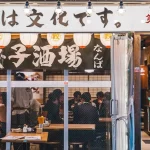
Fukuoka is the only major city in Japan where yatai — traditional open-air food stalls — are still a functioning part of daily life rather than a preserved tourist novelty. There are around 100 licensed yatai operating across the city in 2026, concentrated mainly in Nakasu, Tenjin, and Nagahama. Each one is a tiny mobile kitchen, typically seating six to ten people on stools under a canvas awning. When you sit down at a yatai at 10pm with a beer and a plate of grilled chicken cartilage, surrounded by office workers, construction crews, and curious travellers from three different countries, you understand what makes Fukuoka’s food scene feel alive in a way that curated restaurant districts simply don’t replicate.
Yatai menus vary by stall owner but typically cover ramen, yakitori, oden, gyoza, and whatever the cook feels like making that night. The experience is inherently social — stall owners often speak some English in 2026, especially in Tenjin, and conversations start easily when you’re sitting elbow-to-elbow with strangers over shared food.
Yatai Etiquette Worth Knowing
- Most yatai are cash-only. Carry at least ¥3,000–¥5,000 per person for a full evening.
- You don’t need a reservation. Walk up, check if there’s a seat, sit down.
- Order a drink first — this is standard practice before asking for food.
- Yatai typically open around 6pm and close between midnight and 2am. Most are closed on rainy nights.
- The Nakasu yatai strip along the riverside is the most famous, but the Tenjin area stalls tend to have a more local crowd and slightly lower prices.

Beyond Ramen — The Full Fukuoka Menu
Ramen gets the headlines, but limiting your Fukuoka eating to one dish would be like visiting Osaka and only having takoyaki. The city has a full menu of regional specialities that most visitors never find because they fill up on noodles first.
Mentaiko
Spicy pollock roe, marinated in chilli and fermented until it develops a complex, salty heat. Fukuoka is the undisputed home of mentaiko in Japan — the Yamaya and Fukuya brands both originated here. You’ll find it served over warm rice, stuffed into rice balls, mixed into pasta, spread on baguettes at bakeries in Tenjin, and sold as omiyage (souvenir gifts) at every train station in the city. Fresh mentaiko from a proper Fukuoka shop is a noticeably different product from the supermarket version sold elsewhere in Japan.
Motsunabe
A hot pot made with beef or pork offal (intestines, tripe) simmered in a deeply seasoned broth — either soy-based or miso-based — with cabbage, garlic chives, and tofu. It’s a cold-weather dish at heart, but Fukuoka residents eat it year-round. The broth has a richness that builds as the pot continues cooking at the table. Hakata Shoryu and Rakutenchi are two restaurants worth finding for this dish.
Gobo-ten Udon
Udon topped with a large piece of fried burdock root tempura. This is a Fukuoka breakfast institution — the broth is lighter and sweeter than Tokyo-style udon, and the gobo-ten adds an earthy crunch that works surprisingly well at 7am. Look for standing udon counters inside and around Hakata Station.
Mizutaki
A delicate chicken hot pot where the bird is simmered whole in plain water until the broth becomes naturally rich. You eat the chicken and vegetables first with ponzu dipping sauce, then finish with rice or noodles cooked in the broth. It’s the quiet, refined counterpart to the more assertive flavours everywhere else in the Fukuoka food scene.

Hakata Tonkotsu Gyoza
Thinner-skinned and smaller than the gyoza you’ll find in Tokyo or Osaka, Fukuoka-style gyoza are crispy on one side and steamed-tender on the other, filled with pork and garlic chive. Many ramen shops serve them as a side. The standalone gyoza specialist Tetsunabe Gyoza near Hakata Station is a consistent favourite.
The Best Neighbourhoods to Eat In
Nakasu
An island district between two rivers, Nakasu is Fukuoka’s entertainment and food hub after dark. The riverside yatai strip is here, along with hundreds of izakayas, seafood restaurants, and late-night ramen counters packed into narrow lanes. It’s busy and a little chaotic, which is precisely the point.
Tenjin
The commercial heart of the city, Tenjin has everything from underground food halls beneath the department stores (the basement of Daimaru is excellent for mentaiko and prepared foods) to casual lunch spots targeting the local office crowd. Prices are slightly more moderate than Nakasu. The yatai here tend to feel less tourist-facing.
Daimyo
A neighbourhood of narrow streets west of Tenjin that has developed into Fukuoka’s most interesting spot for independent cafés, natural wine bars, and small-plate restaurants. In 2026, it sits somewhere between neighbourhood eating spot and destination dining district — good for lunch and early evening, before the Nakasu crowds get going.
Nagahama
The old fishing district near the waterfront, home to the Nagahama Fish Market and the 24-hour ramen shops that grew up to feed the fishermen finishing overnight shifts. It’s rough around the edges and genuinely local. The freshest seafood in the city moves through this neighbourhood every morning.

Day Trip or Overnight? Planning Your Food-Focused Visit
Fukuoka is technically reachable as a day trip from Hiroshima via Shinkansen (around 70 minutes each way), but a day trip defeats the purpose. The yatai only start buzzing after 7pm. The best ramen shops have queues that don’t thin out until mid-morning. A food-focused visit needs at least two nights — ideally three — to cover ramen, a yatai evening, one proper izakaya dinner, the fish market in the early morning, and lunch in both Tenjin and Daimyo without feeling rushed.
If you’re based in Osaka, the Shinkansen gets you to Hakata Station in about two hours and forty minutes. From Tokyo, it’s around five hours by Shinkansen or under two hours by flight. The city also functions well as the starting point for a Kyushu loop itinerary — Nagasaki is 90 minutes away by train, Beppu around two hours, and Kumamoto about 40 minutes on the Shinkansen.
One night is only worth it if your flight connections force the issue. Two nights is the minimum for a real food experience. Three nights lets you slow down and actually enjoy the city between meals.
2026 Budget Reality — What Eating in Fukuoka Actually Costs
Fukuoka remains one of Japan’s most affordable major cities for eating out in 2026, despite the general upward pressure on food prices that followed the yen’s partial recovery in late 2025. Here’s a realistic breakdown:
Budget Tier (under ¥2,000 per meal)
- Bowl of Hakata ramen at a basic counter shop: ¥500–¥900
- Kaedama (extra noodle refill): ¥100–¥150
- Standing udon breakfast with gobo-ten: ¥400–¥700
- Convenience store mentaiko onigiri (Lawson or 7-Eleven): ¥200–¥250
- Gyoza plate (six pieces): ¥350–¥600
Mid-Range Tier (¥2,000–¥6,000 per meal)
- Full yatai evening (beer, ramen, yakitori, oden, dessert): ¥3,000–¥5,000 per person
- Motsunabe hot pot dinner for two (shared pot, rice, drinks): ¥4,000–¥8,000 total
- Izakaya dinner with drinks: ¥3,000–¥5,000 per person
- Fresh seafood lunch at Nagahama area: ¥1,500–¥3,500

Comfortable Tier (¥6,000 and above per meal)
- Mizutaki dinner at a traditional restaurant: ¥8,000–¥15,000 per person
- Omakase sushi using Hakata Bay catches: ¥12,000–¥25,000 per person
- High-end kaiseki incorporating Fukuoka regional produce: ¥18,000–¥35,000 per person
For a realistic two-night food trip eating well across all categories — ramen twice, one yatai evening, one izakaya dinner, breakfasts, and lunches — budget roughly ¥15,000–¥22,000 per person in food spending, not including accommodation or transport.
Getting to Fukuoka and Getting Around
Getting There
Fukuoka Airport (FUK) is one of Japan’s most convenient city airports — the international terminal connects directly to the city subway, and Hakata Station is just two stops (about six minutes) away. International flights operate from Seoul, Taipei, Hong Kong, Singapore, Shanghai, and Bangkok, with expanded services from Southeast Asian carriers added through 2025 and 2026. Domestic routes connect to Tokyo Haneda and Narita, Osaka Itami, Nagoya, and Okinawa.
The Sanyo/Kyushu Shinkansen runs directly to Hakata Station. The Japan Rail Pass covers travel on this route, and in 2026 the pass pricing tiers remain at their 2025 levels following the controversy over the 2023 price increase — a 7-day pass covers Osaka-to-Fukuoka return comfortably if you’re combining it with other travel.
Getting Around the City
Fukuoka’s subway system has three lines covering the main food neighbourhoods — Hakata, Tenjin, Nakasu-Kawabata, and the airport. Single fares run ¥210–¥340. The city is also flat and compact enough that walking between Tenjin and Nakasu takes about 15 minutes. Taxis are available and reasonably priced by Japanese standards, useful late at night after a yatai session when the last subway has run.
Practical Tips for Eating in Fukuoka in 2026
- Arrive hungry at odd hours. The best ramen shops have shorter queues between 2pm and 4pm. Most yatai are least crowded between 6pm and 7:30pm before the dinner rush.
- Cash is still essential. While IC card and credit card acceptance has expanded across Japan’s cities, yatai are almost entirely cash-only, and many small ramen counters still prefer it. Keep ¥10,000 in cash available at all times.
- Learn the kaedama signal. When your bowl is nearly empty and you want more noodles, raise your hand and say “kaedama kudasai.” The firmness options are kata (firm), futsu (standard), and yawa (soft). Most regulars order kata.
- Check yatai weather forecasts. Most stalls close in rain. The Fukuoka Taberu app (mentioned above) updates operating status in real time.
- Mentaiko as a souvenir. Buy it at the airport on departure — the refrigerated sections at Fukuoka Airport’s departures level carry fresh product. Vacuum-sealed mentaiko can travel internationally in checked luggage (check your destination country’s customs rules).
- Morning fish market access. The Nagahama Fish Market is an industry market, not a tourist attraction, but the surrounding restaurants are open from early morning and serve fresh catches. No reservation needed. Go before 9am for the best experience.
- Dietary restrictions. Pork-based broth is in almost everything in Fukuoka. Vegetarian and halal options exist — the Daimyo neighbourhood has the highest concentration of plant-based and internationally-aware restaurants — but this city is, unapologetically, a place built around pork and seafood.

Frequently Asked Questions
What is Fukuoka most famous for eating?
Hakata ramen is the city’s signature dish — a rich, milky tonkotsu broth with thin straight noodles. But Fukuoka is equally known for mentaiko (spicy pollock roe), motsunabe (offal hot pot), mizutaki (chicken hot pot), and its unique culture of yatai open-air street stalls. It’s genuinely one of Japan’s most diverse regional food cities.
Is Fukuoka food expensive compared to Tokyo or Osaka?

Fukuoka is noticeably more affordable for casual eating. A bowl of ramen costs ¥500–¥900 at a standard shop. A full yatai evening with food and drinks runs ¥3,000–¥5,000 per person. Even mid-range restaurant dining is typically 15–25% cheaper than equivalent meals in Tokyo in 2026.
How many days should I spend in Fukuoka for food?
Two nights is the practical minimum for a food-focused visit — enough for one yatai evening, two or three ramen meals, a proper izakaya dinner, and some daytime eating. Three nights is better if you want to explore the fish market, try motsunabe and mizutaki, and browse the food halls in Tenjin without rushing.
Are Fukuoka yatai safe and easy for tourists to use?
Yes. Yatai are informal, welcoming, and increasingly accessible to English speakers, especially in the Tenjin area. Walk up, check for an empty stool, sit down, and order a drink first. Most stalls in 2026 have at least a basic English menu or picture menu. Cash-only is standard — bring at least ¥3,000–¥5,000 per person.
Can I visit Fukuoka as a day trip from Osaka or Hiroshima?
Technically yes — Hiroshima is about 70 minutes away by Shinkansen, Osaka about two hours 40 minutes. But a day trip doesn’t give you enough time to experience the yatai scene, which is the heart of Fukuoka’s food culture. You’d be rushed and miss the evening atmosphere entirely. An overnight stay is strongly recommended for any serious food visit.