On this page
- The Late-Night Scene Beyond Tokyo
- Osaka and Kyoto: The Kansai Nightlife Belt
- Fukuoka: Yatai Culture and the Hakata After-Dark Circuit
- Sapporo and the Northern Night Scene
- Hiroshima, Nagoya, and the Cities That Surprise After Dark
- Okinawa’s Tropical Night Scene
- 2026 Budget Reality: What a Night Out Costs Across Regional Japan
- Practical Logistics: Getting Around at Night Without a Train
- Frequently Asked Questions
💰 Click here to see Japan Budget Breakdown
💰 Prices updated: October, 2026. Budget figures are estimates — always verify before travel.
Exchange Rate: $1 USD = ¥157.00
Daily Budget (per person)
Shoestring: ¥8,000 – ¥15,000 ($50.96 – $95.54)
Mid-range: ¥18,000 – ¥35,000 ($114.65 – $222.93)
Comfortable: ¥45,000 – ¥80,000 ($286.62 – $509.55)
Accommodation (per night)
Hostel/guesthouse: ¥2,500 – ¥6,000 ($15.92 – $38.22)
Mid-range hotel: ¥10,000 – ¥20,000 ($63.69 – $127.39)
Food (per meal)
Budget meal: ¥800.00 ($5.10)
Mid-range meal: ¥2,500.00 ($15.92)
Upscale meal: ¥20,000.00 ($127.39)
Transport
Single metro/bus trip: ¥250.00 ($1.59)
Monthly transport pass: ¥30,000.00 ($191.08)
Japan‘s overtourism problem hit a new peak in 2025, and in 2026 the pressure is most visible in Tokyo’s Shinjuku and Shibuya after dark — cover charges are up, queues are long, and the spontaneous energy that made those areas famous has become harder to find. The good news is that regional Japan has been quietly building some of the country’s most compelling nightlife, and most travelers have no idea it exists. This guide cuts straight to the venues, streets, and neighborhoods worth your evenings across the country.
The Late-Night Scene Beyond Tokyo
Regional Japanese cities don’t try to copy Tokyo. That’s exactly what makes them interesting after dark. A city like Fukuoka has built its identity around outdoor food stalls and casual beer halls. Sapporo runs on izakayas and whisky bars that feel lifted from a 1970s film set. Okinawa has live music venues where bands play until 3am and the cover charge includes two drinks.
The practical side matters too. Regional cities are smaller, so walking between venues is realistic. A night out in Osaka’s Namba doesn’t require a taxi — you can cover four or five bars on foot inside thirty minutes. In Tokyo, that same journey might mean two train changes and ¥800 in fares just to get from Roppongi to Shimokitazawa.
Regional nightlife also tends to be more local. You’re more likely to end up at a counter talking to a Kyushu salary worker or a Sapporo university student than you are to bump into another tourist from your hostel. If you want Japan to feel real rather than performed, the evenings outside Tokyo are where that happens.

Osaka and Kyoto: The Kansai Nightlife Belt
Osaka is the most obvious starting point. Dotonbori is the tourist face of the city — neon reflections on the canal, takoyaki smoke in the air, crowds spilling off every bridge — but the real drinking happens two streets back. Hozenji Yokocho is a narrow alley of lantern-lit bars where seats fill up by 8pm and the bartenders know every regular by name. A beer here costs ¥600–¥800 and nobody rushes you out.
Amerika-mura (American Village) in Shinsaibashi is where Osaka’s younger crowd concentrates. The triangle park at its center functions as a casual gathering point before people scatter into the surrounding clubs and live music spots. Cover charges at the clubs typically run ¥1,500–¥2,500 and include one drink. The music skews toward hip-hop and electronic, with some venues hosting DJ sets that run until 5am on weekends.
Kitashinchi, Osaka’s upscale bar district north of Umeda, is a different world. Tiny standing bars, whisky specialist shops, and jazz rooms sit in high-rise basements and narrow ground-floor spaces. A single pour of Japanese whisky here starts at ¥1,200 and can climb considerably higher, but the quality and atmosphere justify it. The district hums with a low, expensive energy — conversations stay quiet and the ice in your glass clinks sharply in the silence.
Kyoto’s nightlife is often underestimated. Pontocho, the famous narrow alley running parallel to the Kamo River, is densely packed with bars alongside its restaurants. The alley is atmospheric — stone underfoot, wooden facades, the faint smell of charcoal from a nearby grill — and the bars tucked at the far northern end near Sanjo are less touristy than the southern stretch near Shijo. The Kiyamachi strip running alongside the river has a younger, louder energy and stays lively until around 2am. For live jazz, Jittoku near Nijo is a genuine institution — a converted sake warehouse that hosts regular performances in a space that seats maybe forty people.

Fukuoka: Yatai Culture and the Hakata After-Dark Circuit
Fukuoka is arguably the most food-and-drink-focused city in Japan, and at night that identity becomes impossible to ignore. The yatai — outdoor food stalls with canvas canopies and red paper lanterns — set up along the Nakasu canal and in Tenjin’s side streets from around 6pm. Each stall seats maybe eight to ten people, most of them squeezed shoulder-to-shoulder on low stools. The menu at any given yatai might be just ramen, grilled skewers, and draft beer, but the experience of eating outside on a warm evening under the lights of Hakata Bridge is genuinely hard to replicate anywhere else in Japan.
By 2026, Fukuoka has around 150 registered yatai operators, a number that has stabilized after stricter city licensing rules introduced in 2023. Expect to pay ¥2,000–¥4,000 per person for a full yatai sitting with beer. The stalls don’t take reservations and close if it rains heavily, so have a backup plan.
Beyond yatai, the Daimyo district near Tenjin is Fukuoka’s nightlife core. Small bars, craft beer spots, and cocktail lounges are packed into a walkable grid of streets. Oyafuko-dori (literally “children who don’t listen to their parents street”) is the main artery and earns its name — the street turns loud after midnight. The Nakasu island between the Naka and Hakata rivers has a reputation for hostess bars and adult entertainment venues, but also holds some of the city’s better jazz clubs and late-night whisky spots if you know where to look.
Sapporo and the Northern Night Scene

Susukino is Sapporo’s entertainment district and one of the largest in Japan outside Tokyo. It covers roughly sixteen city blocks south of Odori Park and contains an estimated 4,000 bars, restaurants, clubs, and entertainment venues — a density that takes a few visits to properly process. The neon here is vertical rather than horizontal, stacking up the sides of ten-story buildings in a way that gives the district a different visual weight from Osaka’s canal-side glow.
Hokkaido’s drinking culture centers on beer and whisky more than sake, partly for historical reasons tied to the island’s German and Scottish agricultural influences. Sapporo Beer Garden near the former factory complex in the east of the city is touristy but worth one visit — the Jingisukan lamb barbecue cooked at your table comes with unlimited Sapporo draft beer for ninety minutes at a set price of around ¥4,800 per person in 2026. It’s noisy and festive in a way that feels genuinely Sapporo rather than manufactured.
For something calmer, the small whisky and cocktail bars that line the basement corridors of Susukino’s older buildings reward exploration. Many have no English menus and seat only six to eight people. A bartender who has worked the same counter for twenty years might pour you a Yoichi single malt and ask in slow, careful Japanese where you came from. The Hokkaido winter adds to all of this — stepping out of a warm bar into minus-ten air and fresh snow on the footpath is a sensory reset that no city in warmer Japan can offer.
Hiroshima, Nagoya, and the Cities That Surprise After Dark
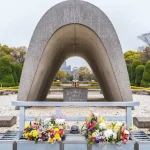
Hiroshima gets overlooked by nightlife travelers, which is a mistake. The Nagarekawa district, about fifteen minutes’ walk from the Peace Memorial, is a compact bar zone that runs on local oyster dishes, Hiroshima sake, and a surprisingly active live music scene. The bars here are unpretentious — vinyl stools, ¥500 draft beer, owners who seem genuinely pleased when a foreign traveler finds their way in. Hondori shopping street nearby transitions from daytime retail to an evening cluster of izakayas and small clubs as the shops close.

Nagoya is Japan’s third-largest metropolitan area and is consistently underrated as a destination full stop, nightlife included. Sakae is the main entertainment district — a wide, walkable grid between Fushimi and Sakae subway stations with department store rooftops that open as beer gardens in summer, craft beer bars, and several serious cocktail venues. Nishiki, a narrower street nearby, has a concentration of standing bars and izakayas that fill up with office workers from around 6pm. Nagoya has a particular local food culture — miso katsu, tebasaki chicken wings, hitsumabushi eel — and the best way to experience it at night is at a counter-seat izakaya in Nishiki where the menu is handwritten on paper slips and the portions are large.
Kanazawa, smaller than the others but worth including, has a bar scene concentrated around the Katamachi and Korinbo districts. The city’s traditional craft culture — lacquerware, gold leaf, Kenroku-en gardens — gives it a restrained, aesthetic sensibility that carries into its bar design. You’ll find cocktail lounges where the glassware has been individually selected and the playlist is curated with the same attention. It’s not a city for loud nights, but it’s excellent for long ones.
Okinawa’s Tropical Night Scene
Okinawa operates on a different rhythm from the Japanese mainland, and nowhere is that more obvious than at night. The island’s historical ties to Ryukyuan music culture mean live music venues — locally called “live houses” — are genuinely central to nightlife in a way they aren’t in most Japanese cities. On Kokusaidori, the main tourist street in Naha, the shopping closes by 9pm but the bars, live houses, and izakayas stay open well past midnight.

The Matsuyama district in central Naha is the city’s entertainment core, dense with clubs, karaoke venues, and cocktail bars. Okinawa has its own spirits tradition — awamori, distilled from Thai rice and aged in clay pots — and the best places to understand it are the small awamori specialty bars scattered through Matsuyama and the Tsuboya pottery district nearby. A glass of well-aged kuusu (aged awamori) costs ¥800–¥1,500 and drinks differently from anything else you’ll encounter in Japan — smoky, complex, with a warmth that builds slowly.
American Village in Chatan, about twenty minutes north of Naha by car, has a different energy. The area grew up around the former US military presence and has retained a distinct American-influenced architecture and a bar scene that skews younger and louder. Sunset Beach behind the complex means some bars and outdoor venues continue the evening from an afternoon beach setup. It’s casual in a way that Naha’s city bars aren’t, and the ocean breeze rolling in after 10pm on a warm evening carries a saltiness that stays with you.
2026 Budget Reality: What a Night Out Costs Across Regional Japan
Costs have risen across Japan since 2024, driven by yen stabilization and post-pandemic wage adjustments in the hospitality sector. Here’s what a realistic evening looks like by tier in 2026.
Budget (¥2,000–¥4,000 per person)
- Two to three drinks at a standing bar or izakaya
- One yatai sitting in Fukuoka with beer and ramen
- Entry to a smaller live house in Okinawa (often includes one drink)
- Convenience store pre-drinks (a Lawson or FamilyMart tall can runs ¥220–¥350)
Mid-Range (¥5,000–¥10,000 per person)
- Full izakaya dinner with three to four rounds of drinks
- Entry plus two drinks at a mid-level club in Osaka’s Amerika-mura or Sapporo’s Susukino
- Two to three craft beers at a specialist bar (¥900–¥1,400 per pint in 2026)
- A tasting flight at a whisky bar in Kitashinchi or Susukino basement

Comfortable (¥12,000–¥25,000+ per person)
- Counter dining with drinks pairing at a high-end izakaya or sake specialist
- VIP table at a major Osaka or Sapporo club on a weekend
- Omakase cocktail experience at a destination bar (increasingly common in Kyoto and Kanazawa in 2026)
- Kitashinchi whisky bar with a pour of aged Karuizawa or pre-2020 Hanyu
One shift to be aware of in 2026: many izakayas and bars have introduced a “table charge” (席料, sekiryou) of ¥300–¥700 per person, which was less common in regional cities before 2023. It’s not a scam — it typically includes a small snack — but factor it into your budget per stop.
Practical Logistics: Getting Around at Night Without a Train
The last train problem is real across all of Japan. In most regional cities, the subway and local rail stops running between 11:30pm and midnight. If your night runs later than that — and it will — you need a plan.
Taxis
Taxi apps have improved significantly. GO (the dominant app across Japan in 2026) works in Fukuoka, Sapporo, Hiroshima, Nagoya, and Naha. Fares for a late-night 3-kilometre trip in a regional city typically run ¥900–¥1,400. Surge pricing applies after midnight on weekends, so a trip that costs ¥1,100 at 11pm might run ¥1,600 at 1am. Didi also operates in some cities, and Uber relaunched limited operations in Osaka and Fukuoka in late 2025.
Night Buses
As noted earlier, Fukuoka and Sapporo added late-night IC card bus routes in 2025–2026. Nagoya’s Meitetsu bus network also runs limited night services. Check the local city transit app or ask at the tourism desk in your accommodation — the routes change seasonally and the information isn’t always well-publicized in English.

Walking Strategy
Most regional nightlife districts are compact enough that walking is genuinely viable. Osaka’s Namba-to-Shinsaibashi stretch, Fukuoka’s Tenjin-to-Daimyo area, and Sapporo’s Susukino all sit within fifteen to twenty minutes’ walk of each other. Wearing comfortable shoes is not a minor detail — cobblestone alleys and slightly uneven paving are common in older bar districts, and nothing ends a good evening faster than sore feet at midnight.
Accommodation Location
The single most practical decision for regional nightlife travel is choosing accommodation inside or immediately adjacent to the entertainment district. In Fukuoka, staying in Tenjin rather than near Hakata Station saves ¥1,000–¥1,500 in late-night taxis per evening. In Sapporo, a hotel one block from Susukino means walking home regardless of the hour. The price difference is usually negligible compared to the taxi savings and the freedom it buys you.
Frequently Asked Questions
Which Japanese city outside Tokyo has the best nightlife overall?
Osaka consistently ranks highest for variety and energy — it has everything from outdoor street-food drinking in Dotonbori to serious whisky bars in Kitashinchi. Fukuoka is the strongest single-identity nightlife destination if you value food culture and a local atmosphere. Sapporo suits travelers who want late-night density and a genuine local bar scene without tourist crowds.
Is it safe to walk around Japanese nightlife districts alone late at night?
Yes, by global standards Japan remains exceptionally safe after dark. Regional city nightlife districts like Susukino, Namba, and Matsuyama in Naha have visible police presence on weekends. Standard precautions apply — watch your belongings in crowded areas and be aware that some streets in entertainment districts like Nakasu in Fukuoka have touts. Solo female travelers generally report feeling safe, though keeping a taxi app ready is sensible after midnight.

Do regional Japanese bars and clubs require reservations?
Most izakayas and casual bars don’t require reservations for walk-ins, though popular spots fill up by 7–8pm on weekends. Smaller venues like jazz rooms (Jittoku in Kyoto, for example) and whisky specialty bars often have limited seats and benefit from a same-day call or message. Major clubs in Osaka and Sapporo are generally walk-in on the door, though some host events that sell tickets in advance through PIA or e+ (electronic ticketing platforms).
Can I get by without speaking Japanese in regional nightlife venues?
You can manage in most places. Pointing at drinks menus, using a translation app, and a few basic phrases (sumimasen for excuse me, hitotsu kudasai for “one please”) cover most situations. Many bar owners in tourist-adjacent cities like Kyoto, Naha, and Fukuoka have basic English. The smaller and more local the venue, the less English you’ll encounter — which is also where the most rewarding experiences tend to happen, so don’t let language hesitation stop you.
What has changed about Japan’s regional nightlife since 2024?
Three main shifts: the table charge has become standard at more venues across regional cities; late-night bus services have expanded in Fukuoka and Sapporo specifically to handle post-midnight crowds; and the yen’s partial stabilization in 2025 means prices have risen slightly but Japan remains considerably cheaper than comparable Western cities for a full night out.
Explore more
Hidden Gems of Japan: Uncover Authentic Regional Experiences
Where to Go in Japan Beyond Tokyo & Kyoto for Authentic Experiences?
Best Street Food in Osaka: A Culinary Walking Tour for Foodies
📷 Featured image by Alex Knight on Unsplash.