On this page
- Pristine Beaches That Redefine Paradise
- Ancient Ryukyu Kingdom Heritage Sites
- Island-Hopping Adventures Beyond the Main Island
- Underwater Wonders for Divers and Snorkelers
- Unique Okinawan Culture and Traditional Experiences
- World War II Historical Sites and Memorials
- Tropical Wildlife and Nature Reserves
- Budget Breakdown for Your Okinawa Adventure
- Frequently Asked Questions
💰 Click here to see Japan Budget Breakdown
💰 Prices updated: October, 2026. Budget figures are estimates — always verify before travel.
Exchange Rate: $1 USD = ¥157.00
Daily Budget (per person)
Shoestring: ¥8,000 – ¥15,000 ($50.96 – $95.54)
Mid-range: ¥18,000 – ¥35,000 ($114.65 – $222.93)
Comfortable: ¥45,000 – ¥80,000 ($286.62 – $509.55)
Accommodation (per night)
Hostel/guesthouse: ¥2,500 – ¥6,000 ($15.92 – $38.22)
Mid-range hotel: ¥10,000 – ¥20,000 ($63.69 – $127.39)
Food (per meal)
Budget meal: ¥800.00 ($5.10)
Mid-range meal: ¥2,500.00 ($15.92)
Upscale meal: ¥20,000.00 ($127.39)
Transport
Single metro/bus trip: ¥250.00 ($1.59)
Monthly transport pass: ¥30,000.00 ($191.08)
Planning an Okinawa trip in 2026 means navigating a destination that’s become significantly more accessible yet refreshingly less crowded than mainland Japan‘s tourist magnets. With new direct flight routes from Southeast Asia and improved inter-island ferry connections, this subtropical paradise offers experiences impossible to find anywhere else in Japan.
Pristine Beaches That Redefine Paradise
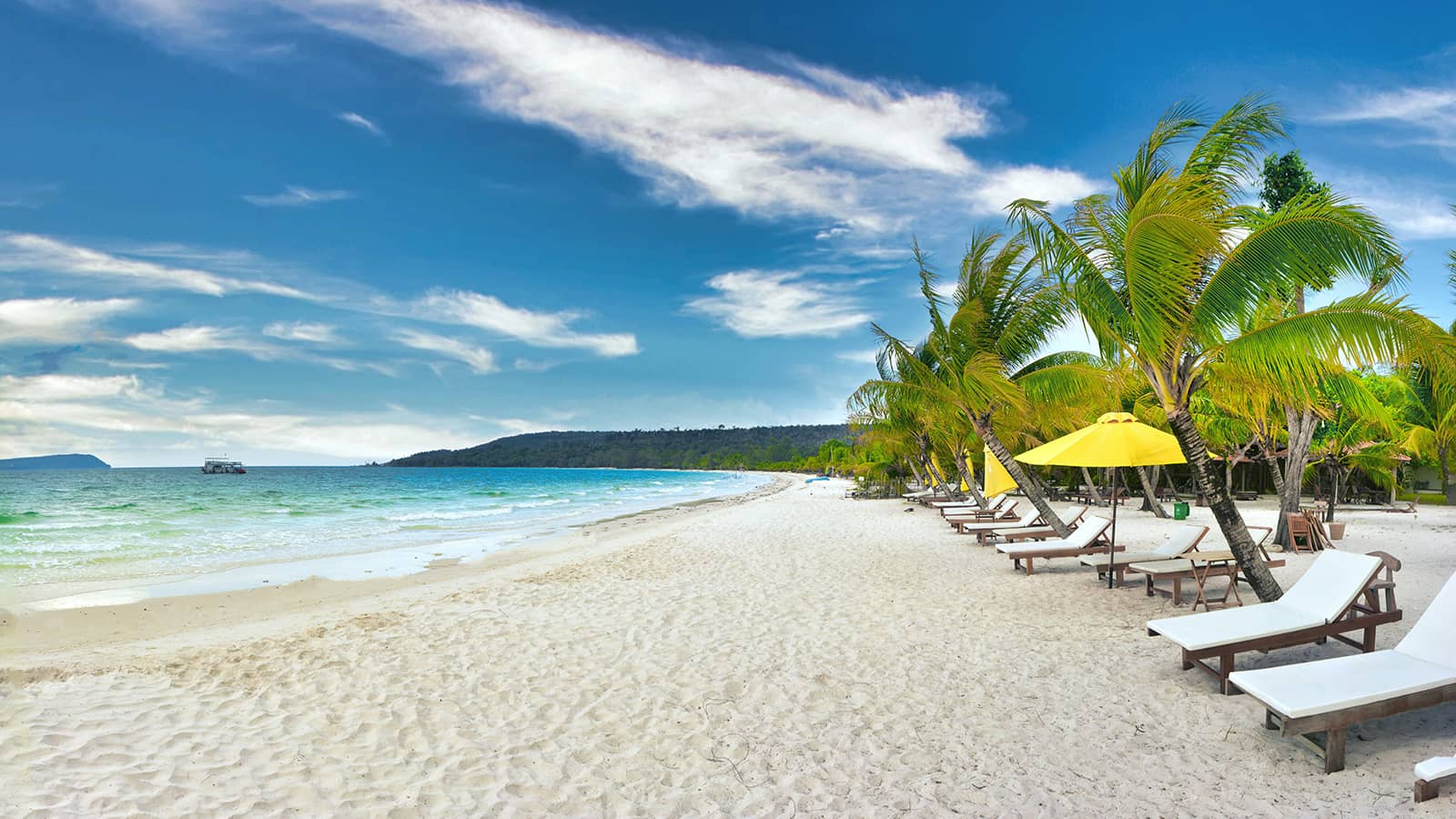
Okinawa’s coastline stretches across 160 islands, each offering distinct beach experiences that range from family-friendly swimming spots to remote stretches of powdery white sand. The main island’s western shores provide the most accessible beach hopping, while the outer islands reward adventurous travelers with untouched natural beauty.
Emerald Beach on the main island’s Motobu Peninsula stands out for its artificial yet stunning three-section design, where the gentle lapping of turquoise waves against coral-white sand creates an almost meditative soundscape. The beach’s position within Ocean Expo Park makes it perfect for combining sun time with cultural activities.
Sunset Beach in Chatan offers a completely different vibe, where the golden hour transforms the sky into a canvas of orange and pink hues reflected across calm waters. Local families gather here for evening picnics, creating an authentic community atmosphere rarely found at resort beaches.
For those seeking solitude, Yonaha Maehama Beach on Miyakojima island stretches for seven kilometers of uninterrupted sand and shallow, crystal-clear water. The beach’s remote location means you’ll often have entire sections to yourself, particularly on weekday mornings when the only sounds are waves and tropical birds.
Ancient Ryukyu Kingdom Heritage Sites
The Ryukyu Kingdom’s 450-year reign created a unique cultural legacy that distinguishes Okinawa from the rest of Japan. These UNESCO World Heritage sites and cultural centers showcase a sophisticated island civilization that traded with China, Southeast Asia, and Japan while maintaining its distinct identity.

Shuri Castle, rebuilt after the devastating 2019 fire, reopened its main hall in late 2025 with enhanced earthquake-resistant construction and improved visitor facilities. The vermillion-painted wooden structures now feature interactive displays explaining Ryukyu court ceremonies, complete with traditional music that echoes through the restored throne room.
Katsuren Castle ruins on the Katsuren Peninsula offer a more intimate historical experience, where massive limestone walls wind through tropical forest. Climbing to the highest points rewards visitors with panoramic ocean views while standing among stones placed by medieval stonemasons over 600 years ago.
The Tamaudun Mausoleum complex houses the remains of Ryukyu royalty in stone chambers that blend Okinawan and Chinese architectural influences. The site’s peaceful gardens and sacred atmosphere provide insight into indigenous spiritual practices that predate Buddhism’s arrival.
Nakagusuku Castle represents the pinnacle of Ryukyu military architecture, with its curved stone walls following natural ridge lines. The ruins’ strategic position offers commanding views of both the Pacific Ocean and East China Sea, illustrating why this location remained politically significant for centuries.
Island-Hopping Adventures Beyond the Main Island
Each island group offers distinct landscapes, cultural traditions, and adventure opportunities that showcase the region’s incredible diversity beyond the main island.
The Kerama Islands, just 40 minutes by high-speed ferry from Naha, provide world-class snorkeling and diving in protected marine sanctuary waters. Zamami Island’s small villages and hiking trails lead to secluded beaches where sea turtles nest during summer months. Aka Island’s compact size makes it perfect for bicycle exploration, with traditional Okinawan houses lining narrow lanes between the harbor and hillside viewpoints.
Ishigaki Island serves as the gateway to the remote Yaeyama island chain, where traditional culture remains largely intact. The island’s central mountains offer challenging hiking through subtropical rainforest, while the coastal areas feature some of Japan’s best coral reef systems. Stone Town’s evening markets showcase local ingredients and traditional crafts unavailable on the main island.

Iriomote Island’s mangrove rivers and jungle interior provide adventure experiences impossible elsewhere in Japan. Kayaking through dense mangrove tunnels leads to hidden waterfalls and pristine swimming holes, while the island’s limited accommodation keeps visitor numbers manageable year-round.
Underwater Wonders for Divers and Snorkelers
Okinawa’s position in the Kuroshio Current creates marine biodiversity that rivals tropical diving destinations worldwide. The islands’ coral reefs, underwater caves, and large marine life encounters attract diving enthusiasts from across Asia and beyond.
The Blue Cave near Cape Maeda offers the most accessible underwater adventure, where snorkelers and beginning divers can experience the ethereal blue glow created by sunlight filtering through submerged limestone formations. The cave’s interior creates an otherworldly atmosphere where tropical fish appear illuminated against deep blue water.
Advanced divers should prioritize the USS Emmons wreck dive off Kouri Island, where a World War II destroyer sits upright in 40 meters of water. The intact structure provides habitat for schools of barracuda, grouper, and reef sharks, while the historical significance adds emotional weight to the diving experience.
Manta ray encounters at Ishigaki Island’s Manta Scramble dive site provide bucket-list experiences for underwater enthusiasts. These gentle giants, with wingspans reaching five meters, gather at cleaning stations where smaller fish remove parasites from their skin. The best viewing occurs during the summer months when manta activity peaks.
Night diving reveals completely different marine life, as nocturnal creatures emerge from coral hideouts. Mandarin fish perform their elaborate mating dances at dusk, while hunting moray eels patrol reef walls under dive lights.
Unique Okinawan Culture and Traditional Experiences

Okinawan culture blends Ryukyu traditions with influences from throughout the Pacific region, creating customs and practices found nowhere else in Japan. These cultural experiences provide deeper understanding of island life beyond the beach resort atmosphere.
Traditional Eisa drum performances reach their peak during the summer Obon festival season, when costumed dancers parade through village streets with thunderous taiko drumming that can be felt as much as heard. Local communities welcome visitors to join practice sessions throughout the year, where the complex rhythms and movements connect participants to centuries-old spiritual traditions.
Bingata textile workshops teach the intricate stencil dyeing technique used to create Okinawa’s iconic colorful fabrics. Master craftspeople guide visitors through the multi-step process of applying natural dyes to create tropical patterns that reflect the islands’ flora and fauna. These hands-on sessions typically last three hours and result in unique souvenirs impossible to purchase elsewhere.
Awamori distillery visits reveal the production process behind Okinawa’s signature rice spirit, aged in traditional clay pots called kame. The distinctive earthy aroma and smooth finish result from indigenous koji mold strains and aging techniques passed down through generations. Many distilleries offer tastings paired with traditional Okinawan snacks like sea grapes and goya champuru.
Traditional Okinawan house stays in restored minka farmhouses provide authentic cultural immersion. These thick-walled limestone structures feature red-tiled roofs designed to withstand typhoons, while interior layouts emphasize natural ventilation and connection to outdoor spaces. Hosts often share traditional cooking techniques and local historical knowledge unavailable in guidebooks.
World War II Historical Sites and Memorials
Okinawa’s role as the site of the Pacific War’s bloodiest battle created a landscape of memorials, museums, and preserved battlefields that provide sobering reminders of the conflict’s human cost. These sites offer educational experiences that complement the islands’ natural beauty and cultural attractions.

The Okinawa Prefectural Peace Memorial Museum presents comprehensive documentation of the Battle of Okinawa through personal testimonies, artifacts, and interactive displays. The museum’s position overlooking Peace Memorial Park creates a contemplative atmosphere where visitors can reflect on the quarter-million lives lost during the 82-day battle.
Underground naval headquarters tunnels beneath Naha preserve the Japanese Navy’s final command center, where desperate final communications were sent as American forces closed in. The preserved rooms and equipment provide visceral connection to the battle’s final days, while explanatory displays offer balanced historical context.
Himeyuri Peace Museum honors the Okinawan schoolgirls mobilized as battlefield nurses during the final battle phase. Personal belongings, diary entries, and survivor accounts create powerful testimony to civilian suffering during wartime. The adjacent Himeyuri Monument marks the cave where many students died, creating sacred ground that demands respectful visitation.
American military cemeteries and monuments scattered across the islands commemorate soldiers from both sides who died far from home. These maintained grounds provide space for international reflection on war’s consequences while honoring individual sacrifice regardless of nationality.
Tropical Wildlife and Nature Reserves
Okinawa’s subtropical climate and geographic isolation created unique ecosystems that harbor endemic species found nowhere else on Earth. Protected nature reserves and marine sanctuaries preserve these habitats while providing visitor access for wildlife observation and nature photography.
The Yanbaru National Park in northern Okinawa protects the largest remaining subtropical forest in Japan, home to the endangered Okinawa rail and other endemic bird species. Dawn hiking through the dense canopy reveals a symphony of bird calls and insect sounds that create an almost overwhelming natural soundtrack. The park’s elevated boardwalks allow close observation without disturbing sensitive habitats.
Sea turtle nesting beaches on remote islands provide opportunities to witness ancient migration patterns during summer months. Loggerhead and green turtles return to the same beaches where they were born to lay eggs in carefully excavated sand nests. Guided night tours maintain respectful distances while allowing observation of these magnificent creatures during their most vulnerable moments.

Butterfly gardens showcase Okinawa’s incredible insect diversity, including massive swallowtails and delicate blue morphos that flutter through tropical plant collections. The warm climate supports butterfly activity year-round, making these conservatories reliable wildlife viewing destinations regardless of season.
Coral reef snorkeling in protected marine areas reveals underwater gardens that support incredible fish diversity. Healthy coral formations create complex three-dimensional habitats where angelfish, parrotfish, and wrasses feed and shelter among branching corals that have grown for decades.
Budget Breakdown for Your Okinawa Adventure
Okinawa travel costs vary significantly based on island choice, accommodation preferences, and activity selection. The 2026 tourism infrastructure improvements have created more budget options while premium experiences command higher prices than in previous years.
Budget Travelers (¥8,000-12,000 per day): Hostel dormitories or guesthouses cost ¥2,500-4,000 nightly, while local family restaurants and convenience store meals keep food expenses under ¥3,000 daily. Public bus transportation around the main island costs ¥230-580 per trip, making day passes (¥1,000) economical for sightseeing. Free beach access and hiking trails provide entertainment without admission fees.
Mid-Range Travelers (¥15,000-25,000 per day): Business hotels and traditional inns range from ¥8,000-15,000 nightly, while restaurant meals including local specialties cost ¥4,000-6,000 daily. Rental car expenses (¥6,000-8,000 daily including insurance and fuel) provide island exploration freedom. Paid attractions like aquariums and cultural centers add ¥1,500-3,000 per site.
Comfortable Travelers (¥30,000+ per day): Resort hotels with ocean views start at ¥20,000 nightly, while fine dining featuring premium Okinawan ingredients ranges from ¥8,000-15,000 per meal. Private diving charters, helicopter tours, and luxury spa treatments can exceed ¥20,000 per activity. Inter-island flights (¥15,000-25,000 round-trip) provide convenient access to remote destinations.
Ferry transportation between islands offers budget-friendly alternatives to flying, with routes like Naha to Ishigaki costing ¥7,000-10,000 for overnight passages that include sleeping berths.
Frequently Asked Questions
What’s the best time to visit Okinawa?
April to June and September to November offer ideal weather with comfortable temperatures (24-28°C), minimal rainfall, and fewer crowds. Summer brings hot, humid conditions and typhoon risk, while winter remains mild but sees occasional rain.
Do I need a car to explore Okinawa?
A rental car provides maximum flexibility for beach hopping and remote attractions on the main island. Public buses serve major tourist areas adequately, while outer islands often require cars or bicycles for comprehensive exploration.
Is Okinawa suitable for families with young children?
Absolutely. Shallow beaches, family-friendly resorts, and cultural attractions cater well to children. Many hotels provide cribs and child-friendly amenities, while restaurants typically accommodate dietary restrictions and offer kid-friendly menus.
What makes Okinawan food different from mainland Japanese cuisine?
Okinawan cuisine emphasizes pork, tropical vegetables, and unique ingredients like bitter melon (goya) and purple sweet potatoes. American military influence introduced dishes like taco rice, while traditional foods reflect historical trade connections throughout Asia.
How many days do I need to experience Okinawa properly?
Five to seven days allows thorough exploration of the main island including beaches, cultural sites, and historical attractions. Two weeks enables meaningful island-hopping experiences and deeper cultural immersion through multiple island groups.
Explore more
Your Essential Guide: Top Things To Do in Okinawa, Japan
The Ultimate 5-Day Okinawa Itinerary: Beaches, Culture & Food
Is Okinawa Worth Visiting? Why Japan’s Southern Islands Are a Must-See
📷 Featured image by Ramon Kagie on Unsplash.