On this page
- Best Beach Bars and Sunset Spots for Evening Drinks
- Naha’s Kokusai Street Night Scene and Entertainment Districts
- Traditional Okinawan Music Venues and Cultural Nightlife
- Late-Night Izakayas and Awamori Tasting Spots
- Club Districts and DJ Venues in Naha and American Village
- Night Markets and Food Stalls After Dark
- Budget Breakdown for Okinawa Nightlife in 2026
- Frequently Asked Questions
💰 Click here to see Japan Budget Breakdown
💰 Prices updated: October, 2026. Budget figures are estimates — always verify before travel.
Exchange Rate: $1 USD = ¥157.00
Daily Budget (per person)
Shoestring: ¥8,000 – ¥15,000 ($50.96 – $95.54)
Mid-range: ¥18,000 – ¥35,000 ($114.65 – $222.93)
Comfortable: ¥45,000 – ¥80,000 ($286.62 – $509.55)
Accommodation (per night)
Hostel/guesthouse: ¥2,500 – ¥6,000 ($15.92 – $38.22)
Mid-range hotel: ¥10,000 – ¥20,000 ($63.69 – $127.39)
Food (per meal)
Budget meal: ¥800.00 ($5.10)
Mid-range meal: ¥2,500.00 ($15.92)
Upscale meal: ¥20,000.00 ($127.39)
Transport
Single metro/bus trip: ¥250.00 ($1.59)
Monthly transport pass: ¥30,000.00 ($191.08)
Okinawa’s nightlife scene has transformed dramatically since the pandemic, with new venues opening across the islands and a growing focus on outdoor entertainment that takes advantage of the tropical climate. Whether you’re island-hopping or stationed in Naha, understanding where locals and visitors gather after sunset will unlock experiences you won’t find anywhere else in Japan.
Best Beach Bars and Sunset Spots for Evening Drinks
The coastline transforms into Okinawa’s most spectacular entertainment venue as the sun begins its descent. Sunset Beach in American Village remains the crown jewel, where beach bars line the sand with low tables perfect for watching the sky turn orange over the East China Sea. The salt air carries the sound of acoustic guitars and gentle waves as bartenders craft cocktails with locally distilled rum and fresh tropical fruits.
Zanpa Beach on the western coast offers a more intimate setting. Small beach shacks serve Orion beer and awamori cocktails while you sit on driftwood benches with your toes in the sand. The lighthouse silhouette against the evening sky creates an Instagram-worthy backdrop that feels authentically Okinawan rather than tourist-focused.
For elevated views, head to the rooftop bars in Chatan’s American Village complex. These multi-level venues combine indoor air conditioning with outdoor terraces, perfect for Okinawa’s humid evenings. The observation wheel lights up as darkness falls, creating a carnival atmosphere that contrasts beautifully with the natural beach setting below.
Naha’s Kokusai Street Night Scene and Entertainment Districts
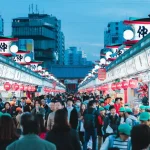
Kokusai Street comes alive after dark with a energy that rivals Tokyo’s entertainment districts but maintains Okinawa’s laid-back island vibe. The main strip buzzes with street performers, late-night souvenir shops, and restaurants that spill onto sidewalks with plastic chairs and low tables.

The side streets branching off Kokusai reveal hidden gems where salarymen and tourists mix over rounds of Orion beer. Tacoyaki stands send savory aromas into the night air while karaoke boxes echo with off-key renditions of both Japanese classics and American pop hits – a unique cultural blend you’ll only experience in Okinawa.
Tsuboya district, just south of Kokusai Street, offers a more sophisticated night scene. Former pottery workshops now house intimate bars where bartenders muddle fresh shikuwasa citrus with aged awamori. The narrow lanes create an almost maze-like exploration opportunity, where each turn reveals another small establishment with its own personality.
The Makishi Public Market area transforms from daytime seafood hub to evening social center. Small restaurants around the market serve incredibly fresh sashimi and grilled fish paired with local vegetables, while the covered arcade provides shelter from occasional tropical showers that can sweep through without warning.
Traditional Okinawan Music Venues and Cultural Nightlife
Okinawan min’yo folk music creates a nightlife experience unlike anywhere else in Japan. Traditional venues scattered throughout Naha feature live sanshin performances – the three-stringed instrument that produces hauntingly beautiful melodies accompanied by vocals that tell stories of island life and ancient kingdoms.
Chinatown’s cultural venues host regular performances where elderly musicians share stages with younger artists, creating an intergenerational musical conversation. The intimate settings allow you to hear the subtle finger techniques on the sanshin strings and appreciate the complex rhythms that influence everything from traditional ceremonies to modern Okinawan rock.
Several restaurants combine dinner with live cultural performances, but avoid the obviously touristy shows. Instead, seek out community centers and small venues where local musicians gather informally. These sessions often welcome respectful participation, and you might find yourself clapping along to rhythms that predate Japanese rule by centuries.

The monthly full moon gatherings at various beach locations provide the most authentic cultural nightlife experience. Local families bring homemade food while musicians create impromptu performances under starlight. These aren’t advertised tourist events – ask your accommodation host about current gathering spots and proper etiquette.
Late-Night Izakayas and Awamori Tasting Spots
Okinawan izakayas differ significantly from their mainland counterparts, serving island-specific dishes that pair perfectly with awamori, the local distilled rice spirit. The best late-night spots cluster around Naha’s back streets, where red lanterns mark entrances to establishments that might seat only eight people around a single counter.
Goya champuru, taco rice, and rafute (braised pork belly) form the foundation of late-night eating, but each izakaya adds its own regional touches. The pork is noticeably different from mainland Japanese preparations – influenced by centuries of trade with Southeast Asia and more recent American military presence.
Awamori tasting requires understanding the spirit’s unique characteristics. Unlike sake, awamori improves with age and develops complex flavors when aged in ceramic vessels. Experienced bartenders can guide you through tastings that range from young, clean spirits to aged varieties with deep, almost whiskey-like complexity.
The conversation culture in these establishments encourages interaction between strangers. Local businesspeople, off-duty military personnel, and tourists naturally mix over shared plates and rounds of drinks. The mama-san (female proprietor) often acts as translator and social facilitator, ensuring everyone feels included in the evening’s festivities.
Club Districts and DJ Venues in Naha and American Village
Okinawa’s club scene reflects its unique cultural position between Japan and America. Naha’s club district centers around the area near Asahibashi, where multi-level venues feature everything from hip-hop to techno, often on different floors of the same building.

American Village’s club scene skews younger and more international, with venues that wouldn’t look out of place in Miami or Los Angeles. The crowd mixes Japanese university students, American military personnel, and international tourists, creating a party atmosphere that stays energetic well past midnight.
Local DJs incorporate Okinawan elements into electronic music, creating sounds you won’t hear elsewhere. Traditional sanshin melodies get remixed into house tracks, while min’yo vocals appear over modern beats. These fusion experiments work surprisingly well, creating dance music with distinctly regional character.
Cover charges typically range from 2,000 to 4,000 yen and often include one drink. Many venues offer ladies’ nights and student discounts. The legal drinking age is 20, and ID checks are standard. Most clubs operate Thursday through Saturday, with some venues extending hours on holiday weekends.
Night Markets and Food Stalls After Dark
As temperatures cool in the evening, Okinawan street food culture emerges from air-conditioned hiding spots. Portable yatai stalls appear along popular walking routes, serving everything from tacos influenced by the American military presence to traditional Okinawan sweet potato desserts.
The Mihama area near American Village hosts an informal night market most evenings, where vendors set up folding tables to sell handmade crafts, vintage clothing, and street food. The atmosphere resembles a continuous festival, with string lights creating warm pools of light and the sound of multiple conversations in Japanese, English, and Okinawan dialects.
Portable takoyaki stands appear throughout Naha’s entertainment districts, but look for vendors serving Okinawan variations that incorporate local seafood and vegetables. The octopus might be replaced with local fish or vegetables, while the sauce often includes elements of Okinawan barbecue flavors.
Convenience stores take on different roles in Okinawan nightlife culture. Many become impromptu social gathering spots where people buy drinks and snacks before heading to beach parties or private gatherings. The parking areas often host informal car meets and social circles that welcome friendly visitors.

Budget Breakdown for Okinawa Nightlife in 2026
Understanding current pricing helps plan realistic evening budgets. Beach bars charge 800-1,200 yen for cocktails, while local Orion beer costs 500-700 yen. Imported spirits command premium prices due to shipping costs to the islands.
Budget nightlife (3,000-5,000 yen per evening): Convenience store drinks, street food, local izakayas, and free beach gatherings. This approach provides authentic experiences while minimizing costs. Many beach areas allow outside food and drinks, making picnic-style evening entertainment both legal and economical.
Mid-range experiences (5,000-10,000 yen per evening): Beach bar cocktails, izakaya dinners with awamori tastings, karaoke boxes, and casual club entries. This budget covers most standard nightlife activities without splurging on premium venues or extensive drinking.
Comfortable spending (10,000+ yen per evening): Upscale rooftop bars, premium awamori tastings, high-end clubs with table service, and multi-course dinners with drinks. Luxury beach resorts often charge Tokyo prices for premium experiences.
Transportation costs add 200-400 yen per ride for local buses, while taxis charge higher rates than mainland Japan due to limited competition. Many entertainment districts are walkable, reducing transportation needs for evening activities.
Frequently Asked Questions
What time does nightlife typically start and end in Okinawa?
Most venues open around 6 PM, with peak activity from 9 PM to 1 AM. Clubs often stay open until 4 AM on weekends, while izakayas typically close by 2 AM. Beach bars may operate later depending on location and season.
Is it safe to walk around Okinawan entertainment districts at night?
Yes, Okinawa maintains Japan’s generally safe environment. Well-lit areas like Kokusai Street and American Village have regular police presence. Basic precautions apply near military bases where alcohol-related incidents occasionally occur.

Do I need to speak Japanese to enjoy Okinawan nightlife?
English is more widely spoken in Okinawa than elsewhere in Japan due to the American military presence. Many venues cater to international customers, though learning basic Japanese phrases enhances interactions with locals.
Are there dress codes for Okinawan clubs and upscale bars?
Most venues maintain casual dress standards appropriate for tropical climate. Avoid flip-flops and tank tops at upscale establishments. Beach bars welcome casual attire, while clubs prefer smart casual clothing.
What’s the best way to get around between nightlife spots?
Monorail serves central Naha until midnight, while buses run limited evening schedules. Taxis are reliable but expensive. Many visitors rent cars, though designated drivers are essential. Some areas are easily walkable between venues.
Explore more
The Ultimate Okinawa Bucket List: Unforgettable Things to Do
The Ultimate 5-Day Okinawa Itinerary: Beaches, Culture & Food
Is Okinawa Worth Visiting? Why Japan’s Southern Islands Are a Must-See