On this page
- Okinawa’s Distinct Culinary Identity Sets It Apart From Mainland Japan
- Pristine Beaches and Marine Life That Tokyo Can’t Match
- Rich Ryukyu Kingdom History Beyond Traditional Japanese Culture
- Island-Hopping Adventures Across the Okinawan Archipelago
- Year-Round Tropical Climate vs Seasonal Mainland Weather
- Budget Breakdown: What Okinawa Actually Costs in 2026
- Practical Getting There and Around Guide for 2026
- Frequently Asked Questions
💰 Click here to see Japan Budget Breakdown
💰 Prices updated: October, 2026. Budget figures are estimates — always verify before travel.
Exchange Rate: $1 USD = ¥157.00
Daily Budget (per person)
Shoestring: ¥8,000 – ¥15,000 ($50.96 – $95.54)
Mid-range: ¥18,000 – ¥35,000 ($114.65 – $222.93)
Comfortable: ¥45,000 – ¥80,000 ($286.62 – $509.55)
Accommodation (per night)
Hostel/guesthouse: ¥2,500 – ¥6,000 ($15.92 – $38.22)
Mid-range hotel: ¥10,000 – ¥20,000 ($63.69 – $127.39)
Food (per meal)
Budget meal: ¥800.00 ($5.10)
Mid-range meal: ¥2,500.00 ($15.92)
Upscale meal: ¥20,000.00 ($127.39)
Transport
Single metro/bus trip: ¥250.00 ($1.59)
Monthly transport pass: ¥30,000.00 ($191.08)
Many travelers hesitate about Okinawa, wondering if the extra flight and expense justify visiting Japan‘s southernmost prefecture. With 2026’s updated domestic flight routes making island access easier than ever, and the yen’s current exchange rate working in visitors’ favor, Okinawa presents a compelling case for inclusion in any Japan itinerary.
Okinawa’s Distinct Culinary Identity Sets It Apart From Mainland Japan
Okinawan cuisine bears little resemblance to mainland Japanese food. The islands developed their own culinary traditions during centuries as the independent Ryukyu Kingdom, blending influences from China, Southeast Asia, and eventually Japan.
Goya chanpuru, the island’s signature dish, combines bitter melon with tofu, pork, and eggs in a stir-fry that would never appear on a Tokyo menu. The bitterness hits your palate immediately, followed by the rich umami of fermented tofu and the saltiness of locally-cured pork belly. Local restaurants serve this alongside purple sweet potato tempura and Okinawan soki soba, which uses thick wheat noodles instead of the buckwheat variety found elsewhere in Japan.
Awamori, Okinawa’s indigenous spirit distilled from Thai long-grain rice, offers another departure from mainland sake. The drink ages in clay pots, developing a smooth, complex flavor profile. At traditional izakaya in Naha’s Kokusai-dori district, bartenders serve awamori neat or mixed with ice and water, accompanying small plates of rafute (braised pork belly) and jimami tofu made from peanuts rather than soybeans.
The taco rice phenomenon showcases Okinawa’s unique cultural fusion. American military presence introduced Mexican-American flavors, which locals adapted into a comfort food staple. Restaurants across the islands serve seasoned ground beef over rice, topped with lettuce, tomatoes, cheese, and salsa. This dish exists nowhere else in Japan.
Blue Seal ice cream, another American military legacy, now operates dozens of locations across Okinawa. Their purple sweet potato and brown sugar flavors use local ingredients, while seasonal offerings include shikuwasa (Okinawan citrus) and beni-imo (purple potato). The creamy texture and bold flavors reflect Okinawan preferences for richer, more intense tastes than typical Japanese sweets.
Pristine Beaches and Marine Life That Tokyo Can’t Match
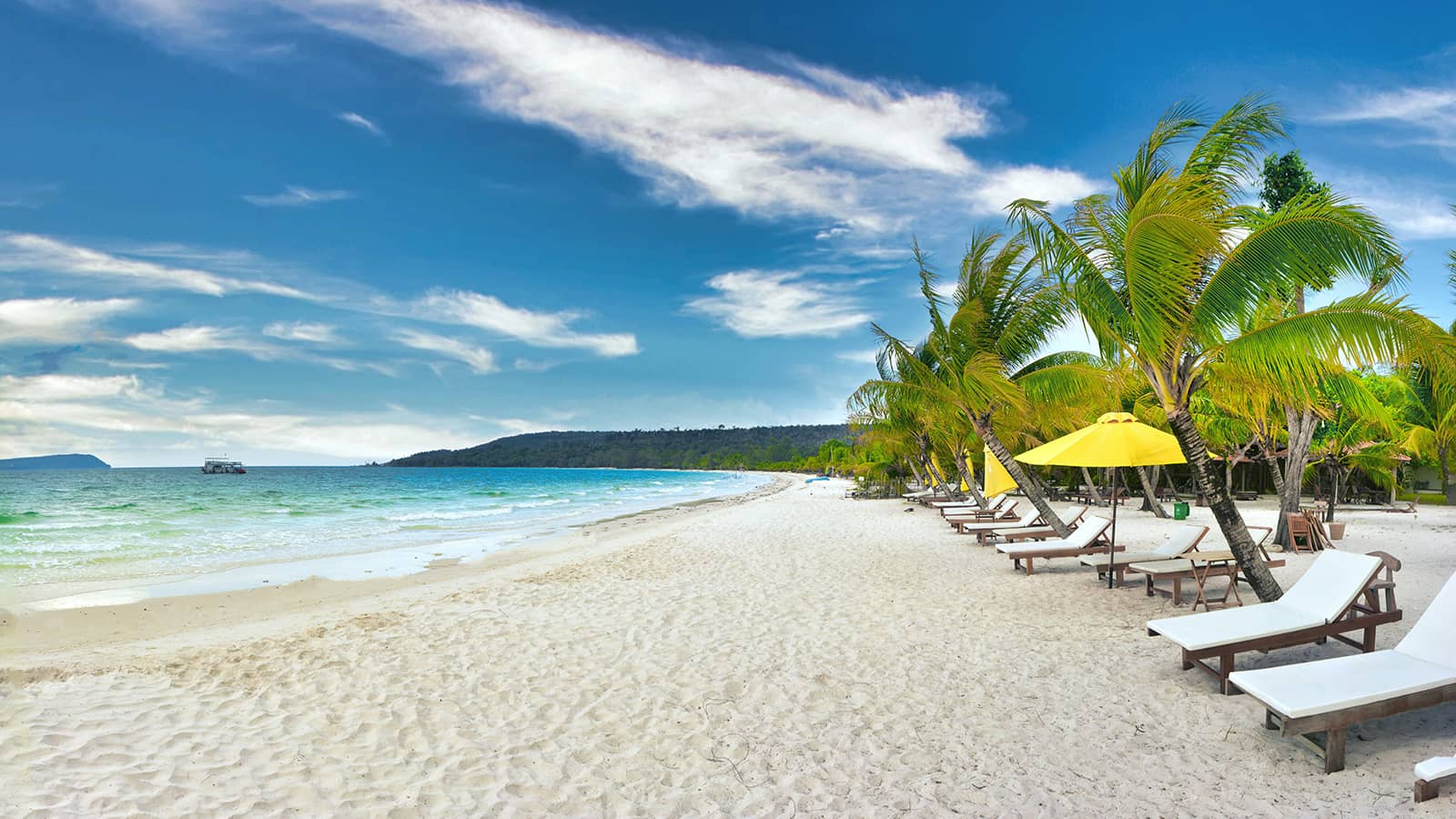
Okinawa’s beaches showcase powdery white sand and crystal-clear waters in shades of turquoise impossible to find on Japan’s main islands. The subtropical climate maintains water temperatures above 20°C year-round, making swimming comfortable even in winter months.
Emerald Beach on the main island stretches for 800 meters without a single high-rise building blocking the horizon. The sand feels soft underfoot, composed of crushed coral rather than the black volcanic material common on mainland Japanese beaches. Families gather under the shade of fukugi trees, while snorkelers explore shallow reef areas just meters from shore.
The Kerama Islands, accessible by 35-minute ferry from Naha, contain some of Asia’s clearest waters. Zamami Island’s Ama Beach regularly achieves visibility of 30+ meters underwater. Sea turtles nest on these beaches during summer months, and visitors often spot them swimming in the shallows during early morning walks.
Ishigaki Island’s Kabira Bay presents one of Japan’s most photographed seascapes. The bay’s unique geography creates constantly shifting patterns of light and shadow across the water surface. Glass-bottom boat tours reveal pristine coral gardens below, while the surrounding hills provide elevated viewpoints for panoramic photography.
Diving and snorkeling opportunities exceed anything available on mainland Japan. The Yaeyama Islands host manta ray cleaning stations where these gentle giants gather year-round. Experienced divers encounter hammerhead sharks, whale sharks, and pristine hard coral formations that disappeared from most Pacific locations decades ago.

Beach infrastructure reflects modern Japanese standards while maintaining natural aesthetics. Restrooms, changing facilities, and equipment rental shops operate at major beaches, but development remains low-key compared to Mainland resort areas. Most beaches prohibit large tour buses, preserving the peaceful atmosphere that draws visitors seeking escape from urban Japan.
Rich Ryukyu Kingdom History Beyond Traditional Japanese Culture
Okinawa’s historical identity predates its incorporation into Japan by centuries. The Ryukyu Kingdom ruled these islands independently from 1429 to 1879, developing distinct architectural, cultural, and artistic traditions that persist today.
Shuri Castle, reconstructed after 2019’s devastating fire, demonstrates Ryukyu architectural fusion. The buildings combine Japanese construction techniques with Chinese decorative elements and Southeast Asian spatial concepts. The vermillion-lacquered pillars and golden dragon motifs reflect the kingdom’s role as a crucial trade hub connecting Japan, China, Korea, and Southeast Asia.
Traditional Ryukyu performing arts bear little resemblance to mainland Japanese theater. Eisa drumming combines powerful rhythms with acrobatic dance movements, performed during the summer Obon festival. Dancers wear colorful costumes while manipulating large taiko drums in choreographed routines that originated in Buddhist religious ceremonies but evolved into secular entertainment.
Okinawan textiles showcase sophisticated dyeing and weaving techniques developed over centuries. Bingata fabric printing uses stencils to create vibrant patterns in colors rarely seen in traditional Japanese textiles. The Ryukyu Bingata Museum in Naha displays kimono featuring tropical motifs and brilliant yellows, reds, and blues that reflect the islands’ natural environment.
Language preservation efforts maintain Okinawan dialects distinct from Japanese. While younger generations primarily speak standard Japanese, cultural centers and schools teach traditional Okinawan languages. Street signs in central Naha include Okinawan translations, and local festivals feature speeches and songs in the indigenous language.
Archaeological sites reveal pre-Ryukyu cultures dating back thousands of years. The Zakimi Castle ruins demonstrate sophisticated stone-working techniques that predate similar construction on mainland Japan. These gusuku (castle) sites scatter across the islands, offering insight into ancient Okinawan civilization that developed independently from Japanese feudal traditions.

Traditional Crafts and Artistic Expressions
Pottery traditions in Okinawa follow techniques brought from Korea and China during the Ryukyu Kingdom era. Tsuboya pottery district in Naha maintains workshops where artisans create distinctive pieces using local clay and traditional glazing methods. The earthy brown and deep blue glazes characteristic of Okinawan ceramics result from mineral-rich local materials unavailable elsewhere in Japan.
Lacquerware production represents another uniquely Okinawan craft. Artisans apply multiple coats of urushi lacquer mixed with local pigments to create pieces featuring mother-of-pearl inlay work. This technique, called raden, produces decorative objects with iridescent surfaces that shimmer in changing light.
Island-Hopping Adventures Across the Okinawan Archipelago
Okinawa Prefecture encompasses 160 islands scattered across 1,000 kilometers of ocean. Each island group offers distinct landscapes, cultures, and experiences impossible to replicate elsewhere in Japan.
The Yaeyama Islands, including Ishigaki, Iriomote, and Yonaguni, provide the most remote experiences. Iriomote Island remains 90% covered by subtropical jungle, home to the endangered Iriomote wildcat found nowhere else on Earth. Kayaking through mangrove rivers reveals prehistoric-looking landscapes where ancient ferns tower overhead and the only sounds come from exotic bird calls.
Yonaguni Island, Japan’s westernmost point, sits closer to Taiwan than to mainland Japan. The island’s underwater ruins spark ongoing archaeological debate, with massive stone formations that may represent ancient civilization or natural geological phenomena. Diving these sites provides an otherworldly experience, swimming through corridors and terraces carved from living rock.
The Miyako Islands offer different pleasures, with some of Japan’s finest beaches and world-class diving. Miyako Island’s Yonaha Maehama Beach stretches for seven kilometers of uninterrupted white sand. The water gradates from pale aqua near shore to deep sapphire at the reef edge, creating natural color variations that change throughout the day.

Transportation between islands relies on efficient ferry networks updated significantly in 2026. High-speed vessels connect major islands with comfortable seating, air conditioning, and onboard cafes. Smaller islands require traditional ferries that operate weather permitting, adding adventure to the journey.
Each island maintains its own character and specialties. Taketomi Island preserves traditional Ryukyu village architecture with houses featuring red-tile roofs and coral stone walls. Water buffalo cart tours transport visitors along sandy roads lined with hibiscus and bougainvillea. The pace of life moves slowly enough that conversations with elderly residents reveal stories of pre-war Okinawa rarely heard elsewhere.
Year-Round Tropical Climate vs Seasonal Mainland Weather
Okinawa’s subtropical climate provides comfortable conditions year-round, contrasting sharply with mainland Japan’s dramatic seasonal variations. Winter temperatures rarely drop below 15°C, while summer highs peak around 31°C with cooling ocean breezes.
January through March represents peak season for visitors seeking escape from mainland winter. Cherry blossoms bloom in late January, two months earlier than Tokyo’s famous sakura season. The flowers display deeper pink colors than Yoshino cherry varieties common elsewhere in Japan. Beach activities remain possible with water temperatures around 21°C, though most visitors prefer land-based sightseeing during these months.
Summer brings intense humidity but consistent trade winds that moderate the heat. July and August see occasional typhoons, but these powerful storms typically pass quickly, followed by crystal-clear skies and calm seas perfect for diving and snorkeling. Many visitors prefer summer for marine activities, despite higher accommodation costs.
Autumn offers ideal conditions with lower humidity, calm seas, and comfortable temperatures for hiking and outdoor exploration. September through November provides excellent visibility for underwater activities, with water temperatures still warm enough for extended snorkeling sessions.

The rainy season (tsuyu) affects Okinawa differently than mainland Japan. Rain typically arrives in short, intense bursts rather than the prolonged drizzle common in Tokyo and Osaka. Between downpours, sunshine returns quickly, allowing outdoor activities to resume within hours.
This climate consistency means travelers can engage in beach activities, diving, hiking, and sightseeing regardless of arrival date. Mainland Japan’s seasonal restrictions don’t apply here – swimming remains possible in December, while hiking trails stay accessible year-round without snow concerns.
Budget Breakdown: What Okinawa Actually Costs in 2026
Okinawa’s costs vary significantly depending on island choice and travel style. The main island offers budget options unavailable on remote islands, while luxury resorts command premium prices throughout the archipelago.
Budget Traveler (¥8,000-12,000 per day)
Guesthouses and hostels on the main island charge ¥2,500-4,000 per night for dormitory beds or basic private rooms. Business hotels near Naha Airport cost ¥5,000-7,000 nightly with breakfast included. Local restaurants serve set meals for ¥800-1,200, while convenience store meals cost ¥400-600.
Public transportation keeps costs low within Naha city, with day passes costing ¥800. Rental bicycles charge ¥1,000 daily for exploring coastal areas. Ferry tickets to nearby islands cost ¥1,000-3,000 roundtrip, making day trips affordable.
Beach access remains free at most locations, while snorkeling gear rentals cost ¥1,500 daily. Public facilities provide changing rooms and restrooms without fees.
Mid-Range Traveler (¥15,000-25,000 per day)
Three-star hotels and ryokan charge ¥8,000-15,000 per night, often including breakfast featuring local specialties. Resort hotels on the main island cost ¥12,000-18,000 nightly with beach access and pool facilities.
Restaurant meals range from ¥2,000-4,000 for lunch and ¥3,000-6,000 for dinner at establishments serving Okinawan specialties. Awamori tastings at traditional bars cost ¥500-1,000 per glass.
Car rentals provide flexibility for ¥6,000-8,000 daily including insurance and GPS. Guided diving excursions cost ¥8,000-12,000 for two-tank dives with equipment included.

Comfortable Traveler (¥30,000+ per day)
Luxury beach resorts charge ¥25,000-50,000 nightly with oceanfront rooms, multiple restaurants, and spa facilities. Private villa rentals on remote islands cost ¥40,000-80,000 nightly for groups.
Fine dining restaurants featuring fusion Okinawan cuisine charge ¥8,000-15,000 for multi-course meals with wine pairings. Private boat charters for diving or sightseeing cost ¥30,000-50,000 for half-day excursions.
Helicopter tours provide aerial views of the islands for ¥20,000-30,000 per person. Luxury spa treatments at resort hotels charge ¥15,000-25,000 for traditional Okinawan massage therapies.
Practical Getting There and Around Guide for 2026
Direct flights to Naha Airport operate from major Japanese cities with increased frequency in 2026. Japan Airlines and ANA offer multiple daily departures from Tokyo Haneda (2.5 hours), Osaka Kansai (2 hours), and Nagoya Centrair (2 hours). Budget carriers Jetstar and Peach Aviation provide lower-cost options with advance booking discounts.
International visitors can purchase discounted domestic flight tickets through JAL’s Welcome to Japan fare program or ANA’s Experience Japan fare, both offering significant savings when booked outside Japan. These programs include flights to secondary Okinawan airports like Miyako and Ishigaki.
Naha Airport’s monorail connection to central Naha opened extended services in 2026, reaching Shuri Castle and university areas. The 15-minute journey costs ¥300 and operates every 4-6 minutes during peak hours. Airport shuttle buses serve major resort areas for ¥500-800.
Car rentals provide the most flexibility for main island exploration. Major international companies operate from the airport with English-speaking staff. International driving permits are required for foreign visitors. GPS systems include English navigation and tourist attraction databases updated for 2026.
Inter-island transportation relies on ferry networks operated by several companies. Advance reservations are essential during peak seasons, with online booking systems offering English language options. High-speed ferries to popular destinations like Ishigaki operate multiple daily departures.

Local transportation on smaller islands often involves bicycle rentals or walking. Many accommodations provide complimentary bicycles, while rental shops charge ¥1,000-1,500 daily. Taxi services exist on major islands but operate limited hours and charge premium rates.
2026 Transportation Updates
New express ferry services connect Naha directly to previously difficult-to-reach islands, reducing travel times by 30-40%. Digital ferry passes allow unlimited travel between participating islands for 3, 5, or 7-day periods. Mobile ticketing systems eliminate paper vouchers and provide real-time schedule updates.
Electric vehicle charging stations now operate at major hotels and tourist attractions, supporting the growing number of EV rental options. Shared bicycle programs launched in Naha and Miyako cities, using smartphone apps for location and payment.
Frequently Asked Questions
How many days do I need to visit Okinawa properly?
A minimum of 5-7 days allows time for the main island plus one additional island. Beach relaxation, cultural sites, and local cuisine require adequate time to appreciate. Serious island-hopping expeditions need 10-14 days for meaningful exploration of multiple island groups.
Is Okinawa suitable for families with children?
Absolutely. Beaches offer calm, shallow waters perfect for children, while cultural attractions provide educational value. Many hotels feature family rooms and children’s programs. Public facilities include baby-changing stations and family-friendly restaurants serve kid-approved dishes alongside local specialties.
Can I visit Okinawa without speaking Japanese?
Yes, though basic Japanese phrases enhance the experience. Tourist areas feature English signage and menus. Hotel staff typically speak conversational English, and translation apps work well for restaurant orders. Rural islands require more patience but locals appreciate visitors’ efforts.
What’s the best time to visit for diving and snorkeling?
Year-round diving is possible, but April through November offers optimal conditions. Visibility peaks during autumn months (September-November) while water temperatures remain comfortable. Manta ray encounters are most frequent from May through October. Winter diving requires thicker wetsuits but provides uncrowded conditions.
How does Okinawa compare to other Japanese destinations in terms of cost?
Accommodation and dining costs are similar to mainland Japan, but transportation expenses are higher due to island locations. Budget travelers find fewer hostel options than in Tokyo or Osaka. However, beach access and many cultural sites are free, balancing overall expenses for outdoor-oriented visitors.
Explore more
The Ultimate 5-Day Okinawa Itinerary: Beaches, Culture & Food
The Ultimate Okinawa Bucket List: Unforgettable Things to Do
Your Essential Guide: Top Things To Do in Okinawa, Japan
📷 Featured image by Daesun Kim on Unsplash.