On this page
- Discovering Okinawa’s Unique Island Character
- Essential Islands and Regions
- Must-See Attractions and Experiences
- Okinawan Food and Drink Culture
- Transportation Within Okinawa
- Island-Hopping Itinerary Planning
- Nightlife and Entertainment Scene
- Shopping Districts and Local Crafts
- Where to Stay: Accommodation by Area
- Optimal Timing for Your Visit
- Essential Practical Information
- Budget Planning for Okinawan Adventures
- Frequently Asked Questions
💰 Click here to see Japan Budget Breakdown
💰 Prices updated: October, 2026. Budget figures are estimates — always verify before travel.
Exchange Rate: $1 USD = ¥157.00
Daily Budget (per person)
Shoestring: ¥8,000 – ¥15,000 ($50.96 – $95.54)
Mid-range: ¥18,000 – ¥35,000 ($114.65 – $222.93)
Comfortable: ¥45,000 – ¥80,000 ($286.62 – $509.55)
Accommodation (per night)
Hostel/guesthouse: ¥2,500 – ¥6,000 ($15.92 – $38.22)
Mid-range hotel: ¥10,000 – ¥20,000 ($63.69 – $127.39)
Food (per meal)
Budget meal: ¥800.00 ($5.10)
Mid-range meal: ¥2,500.00 ($15.92)
Upscale meal: ¥20,000.00 ($127.39)
Transport
Single metro/bus trip: ¥250.00 ($1.59)
Monthly transport pass: ¥30,000.00 ($191.08)
Okinawa shatters every preconception about Japan. Instead of cherry blossoms, you’ll find hibiscus blooms. Rather than temples on misty mountains, ancient castle ruins overlook turquoise lagoons. This subtropical archipelago maintains its own rhythm, shaped by centuries as the independent Ryukyu Kingdom and decades of American influence that still flavors everything from the music scene to the taco rice served at local diners.
Discovering Okinawa’s Unique Island Character
Okinawa feels like stepping into a different country entirely. The 160 islands that make up this prefecture stretch across 1,000 kilometers of ocean, each maintaining distinct personalities forged by geography and history. The main island, Okinawa Honto, pulses with urban energy in Naha while hiding pristine beaches along its northern coast. The Yaeyama Islands in the far south offer some of Japan’s most untouched coral reefs, while the Miyako Islands promise sugar-white sand beaches that rival any Caribbean destination.
The Okinawan language, distinct from Japanese, still echoes through traditional festivals where purple-clad dancers move to the hypnotic rhythm of taiko drums. American military bases occupy significant portions of the main island, creating unexpected cultural fusion zones where you’ll hear English alongside Japanese and Okinawan dialects. This trilingual environment, combined with a subtropical climate that never requires a winter coat, makes Okinawa feel worlds away from Tokyo’s corporate intensity.
Traditional Ryukyu architecture survives in reconstructed castles with their distinctive red-tiled roofs, while modern beach resorts cater to honeymooners and diving enthusiasts. The pace here moves slower than mainland Japan—islanders call it “Okinawa time”—where afternoon siestas feel natural and sunset beach walks take priority over punctual dinner reservations.
Essential Islands and Regions
Okinawa Honto dominates as the main island, home to 1.4 million residents and the capital city of Naha. The southern region centers on urban attractions, shopping districts, and historical war sites, while the central area around Kadena hosts large American military installations alongside family-friendly beaches. Northern Okinawa transforms into a different world entirely, with dense subtropical forests, traditional villages, and some of Japan’s most spectacular diving spots along the Motobu Peninsula.

Naha serves as the cultural and commercial heart, where Kokusai-dori (International Street) buzzes with tourists sampling Okinawan specialties and browsing for traditional crafts. The nearby port connects to outer islands, while Naha Airport handles most international arrivals. Shuri, once the capital of the Ryukyu Kingdom, maintains regal dignity with its reconstructed castle and traditional neighborhoods.
The Kerama Islands, just 40 kilometers west of Naha, offer world-class diving and snorkeling in crystal-clear waters. Zamami and Aka islands provide perfect day trip destinations, while Tokashiki island caters to overnight visitors seeking pristine beaches without resort development.
Ishigaki Island anchors the remote Yaeyama archipelago, serving as the gateway to Japan’s southernmost inhabited islands. This mountainous island combines excellent infrastructure with untamed natural beauty, from the panoramic views atop Mount Omoto to the vibrant coral gardens of Kabira Bay. The compact downtown area around Ishigaki Port offers the best restaurant scene outside Naha, while northern beaches like Yonehara provide excellent snorkeling directly from shore.
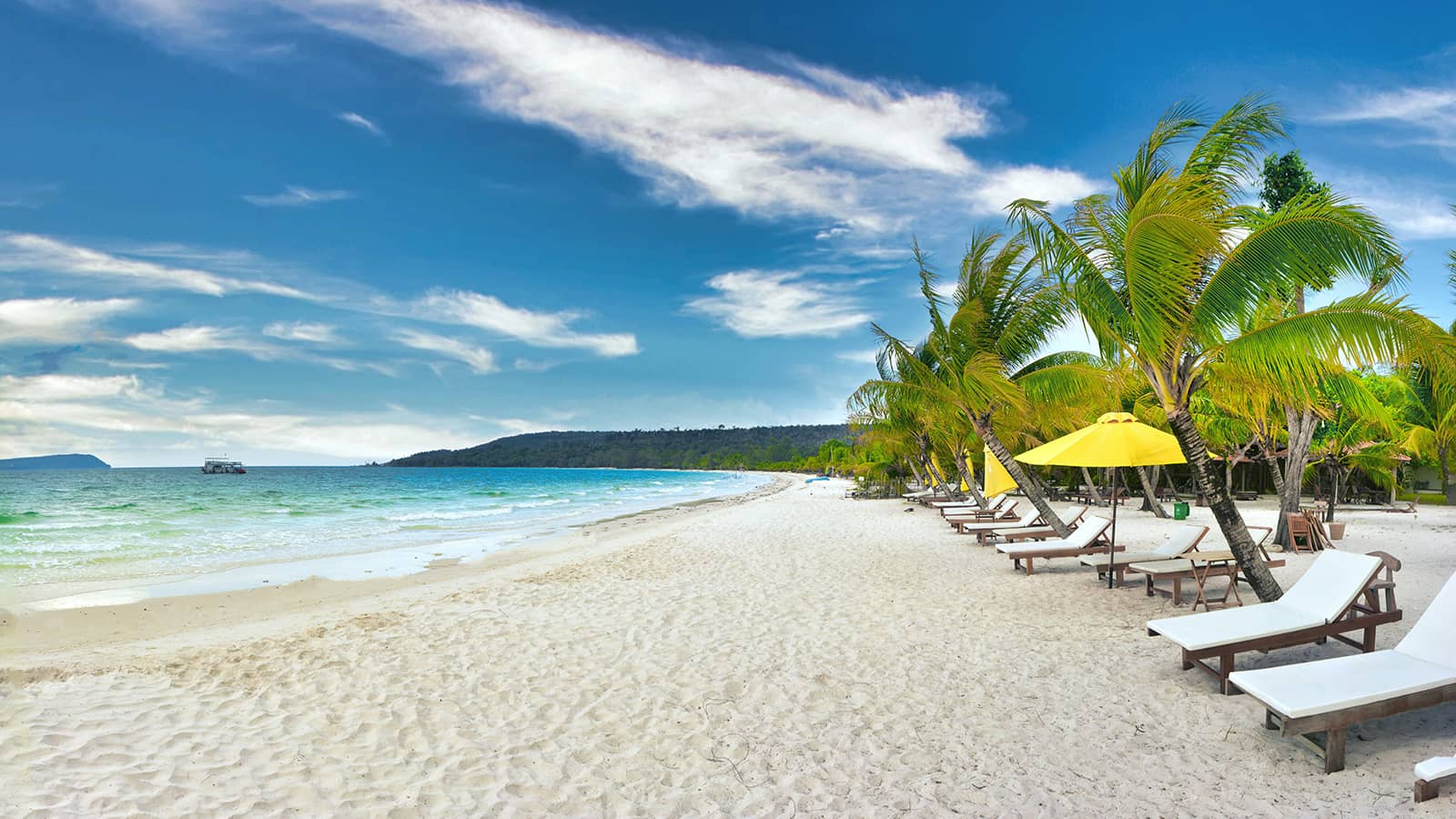
Miyako Island delivers postcard-perfect beaches with powder-fine sand and shallow turquoise lagoons. The flat coral island lacks mountains but compensates with consistently excellent weather and some of Japan’s most beautiful coastlines. Maehama Beach regularly appears on “world’s best beaches” lists, while the island’s compact size makes it perfect for cycling adventures.
Must-See Attractions and Experiences
Shuri Castle stands as Okinawa’s crown jewel, meticulously reconstructed after the devastating 2019 fire using traditional Ryukyu techniques and materials. The vermilion main hall, completed in 2024, showcases the unique architectural fusion that defined the Ryukyu Kingdom—Chinese-influenced rooflines, Japanese construction methods, and Southeast Asian decorative elements. The castle grounds offer panoramic views over Naha, while the nearby Shuri neighborhoods preserve traditional stone-walled streets and family tombs carved into limestone cliffs.

The Battle of Okinawa left deep scars across the southern region, now preserved as moving memorials to one of World War II’s bloodiest campaigns. The Peace Memorial Park overlooks the clifftops where the final battle unfolded, with granite monuments listing every victim regardless of nationality. Underground, the former Japanese naval headquarters tunnels reveal the desperate final weeks of the campaign, while Himeyuri Peace Museum tells the tragic story of local schoolgirls pressed into wartime service.
Okinawa Churaumi Aquarium houses one of the world’s largest tank systems, where whale sharks glide alongside manta rays in a 7,500-cubic-meter recreation of Okinawan waters. The massive Kuroshio Tank provides an underwater perspective of the coral reef ecosystem that surrounds these islands, while specialized exhibits showcase deep-sea creatures found in nearby Okinawan trenches. The adjacent Ocean Expo Park combines botanical gardens showcasing Okinawan flora with traditional village reconstructions and dolphin shows.
Southeast Botanical Gardens spreads across 40 hectares of former sugarcane fields, now transformed into Southeast Asia’s largest display of tropical plants outside their native regions. Orchid houses bloom year-round, while the butterfly conservatory houses exotic species from throughout the Indo-Pacific region. The gardens serve as both tourist attraction and research facility, preserving endangered Okinawan plant species.
Cape Manzamo provides the main island’s most photographed natural landmark—a grass-covered limestone cliff shaped like an elephant’s trunk, jutting into cobalt-blue waters 20 meters below. The clifftop grasslands support rare native plants found nowhere else in Japan, while the adjacent coral reef offers excellent snorkeling when weather conditions permit.

Traditional pottery villages like Yomitan showcase techniques passed down through Ryukyu generations, where local artisans shape distinctive Okinawan ceramics using clay deposits unique to these islands. Workshop visits reveal the intricate glazing methods that create the deep blue and emerald finishes prized throughout Japan.
Okinawan Food and Drink Culture
Kokusai-dori transforms into a food lover’s paradise after sunset, when dozens of small restaurants spill onto sidewalks with portable grills sizzling Agu pork and fresh seafood. The covered Makishi Public Market bustles during daylight hours, where vendors slice tropical fruits you’ve never seen and prepare fresh soki soba with thick wheat noodles in clear pork broth topped with tender spare ribs.
Taco rice—seasoned ground beef over rice with lettuce, tomatoes, and cheese—originated in restaurants near American military bases but now appears on menus throughout the islands. Local variations include bitter melon (goya) versions and Okinawan sweet potato adaptations that transform this fusion dish into something uniquely local.
Awamori distilleries dot the main island, producing Okinawa’s signature spirit from Thai long-grain rice using black koji mold techniques found nowhere else in Japan. The Helios Distillery in Nago offers tours through traditional clay pot aging rooms, while smaller family operations in Shuri maintain century-old recipes. Premium aged awamori, called kusu, develops complex flavors rivaling fine whiskeys.
The American Village area in Chatan concentrates international dining options alongside traditional Okinawan establishments, creating an eclectic food scene that reflects the island’s cultural diversity. Rooftop bars serve creative cocktails featuring local ingredients like shikuwasa citrus and brown sugar, while street-level izakayas specialize in whale meat (controversial but legal) and sea grapes harvested from local coastal farms.
Naha’s Tsuboya district preserves traditional pottery-making alongside small restaurants serving home-style Okinawan cooking. Family-run establishments offer chanpuru stir-fries mixing bitter melon, tofu, and Spam—another lasting American influence that’s become thoroughly Okinawan. The nearby Saion Square hosts weekend food festivals showcasing specialties from outer islands.

Local markets on Ishigaki Island offer the freshest sashimi outside Tokyo’s Tsukiji, with vendors preparing yaeyama kamaboko (colorful fish cake) and locally caught tuna priced far below mainland rates. The evening entertainment district around Kabira Bay features small bars where mama-sans serve house-made awamori infusions while sharing stories about island life.
Transportation Within Okinawa
Rental cars provide the most practical transportation on Okinawa Honto, where public transportation serves major routes but misses many beaches and attractions. All major international rental companies operate from Naha Airport, with compact cars starting around ¥3,500 per day in 2026. The main island’s highway system connects north to south in under two hours, while coastal roads reveal hidden beaches and traditional villages missed by tour buses.
The Okinawa monorail (Yui Rail) connects Naha Airport to downtown areas and extends to Shuri Castle, providing efficient urban transportation without the expense of taxi rides. Day passes cost ¥800 and cover most tourist destinations within Naha city limits. The system operates every 4-7 minutes during peak hours and provides English announcements and signage.
Local bus networks cover rural areas but operate on limited schedules that require careful planning. The main bus terminal near Naha connects to northern beaches and central attractions, with routes clearly marked in English and Japanese. However, many buses stop running before sunset, potentially stranding visitors at remote locations.
Inter-island transportation relies on airports and ferry terminals, with Naha serving as the primary hub. New Ishigaki Airport handles direct flights from mainland Japan and connects to smaller Yaeyama islands via short commuter flights. Ferry services link populated islands, though schedules depend heavily on weather conditions, particularly during typhoon season.

Cycling works well on smaller islands like Miyako and Taketomi, where distances remain manageable and traffic stays light. Rental shops near ferry terminals provide basic bicycles for ¥500-1,000 per day, while electric-assist models cost approximately ¥2,000 daily. Many accommodations offer free bicycle use for registered guests.
Taxis operate throughout populated areas but can become expensive for longer journeys. Flagfall starts at ¥500 with distance charges accumulating quickly on an island where attractions spread across considerable distances. Ride-sharing services remain limited compared to mainland Japan, making rental cars the preferred option for multi-day visits.
Island-Hopping Itinerary Planning
The classic three-island combination covers Okinawa Honto (3-4 days), Ishigaki (2-3 days), and Miyako (2 days), providing diverse experiences from urban culture to pristine nature. This itinerary requires advance booking for inter-island flights, particularly during peak seasons when seats sell out weeks ahead.
Begin on the main island to acclimate and handle any jet lag, spending time in Naha’s shopping districts and Shuri’s historical sites before venturing to northern beaches. The central region offers family-friendly attractions and American Village’s international dining scene, while southern war memorials provide sobering historical perspective.
Ishigaki Island serves as the perfect second stop, offering world-class diving and snorkeling in the Manta Ray Scramble site where giant manta rays gather year-round. Day trips to uninhabited Taketomi Island reveal traditional Ryukyu villages with water buffalo cart tours through neighborhoods preserved exactly as they appeared a century ago. The short flight from Naha (1.5 hours) operates multiple times daily.
Miyako Island provides the perfect finale with its powder-white beaches and shallow lagoons ideal for swimming and stand-up paddleboarding. The island’s compact size allows thorough exploration by bicycle, while the lack of large resorts maintains a peaceful atmosphere perfect for relaxation after busier sightseeing days.

Budget-conscious travelers can substitute the Kerama Islands for Miyako, reaching excellent diving and snorkeling destinations via day-trip ferries from Naha. This option eliminates inter-island flight costs while still providing pristine coral reef experiences and uninhabited beach access.
Advanced island hoppers might include remote Yonaguni Island, Japan’s westernmost inhabited land, where underwater ruins spark debates about ancient civilizations. However, reaching Yonaguni requires connecting through Ishigaki and dedicating at least three days to justify the complex transportation logistics.
Nightlife and Entertainment Scene
American Village in Chatan pulses with energy that rivals Shibuya, where military personnel, tourists, and locals mingle in multi-story entertainment complexes overlooking the beach. The Carnival Park Mihama houses everything from sports bars showing NFL games to karaoke boxes equipped with English song selections. Rooftop bars like Vessel Hotel’s Sky Bar serve creative cocktails featuring local awamori while overlooking the East China Sea.
Naha’s entertainment districts center around Kokusai-dori and its surrounding alleys, where tiny bars squeeze between souvenir shops and traditional restaurants. The Tsuboya area maintains a more local atmosphere, with family-run establishments serving house-made awamori infusions alongside traditional Okinawan snacks. Live music venues showcase three-string sanshin performances, the haunting traditional music that predates shamisen by centuries.
Ishigaki Island’s compact downtown comes alive after sunset, when fishing crews finish their day and tourists emerge from beachfront hotels. The area around Ishigaki Port features dozens of small bars where mama-sans pour generous awamori servings while sharing local gossip in a mixture of Japanese, Okinawan, and English phrases picked up from decades of international visitors.

Traditional Ryukyu dance performances occur regularly at major hotels and cultural centers, where performers in colorful bingata-dyed costumes tell ancient stories through graceful movements accompanied by taiko drums and sanshin strings. These shows provide cultural context often missing from beach resort experiences, revealing the sophisticated artistic traditions that flourished in the Ryukyu Kingdom.
Beach bars operate seasonally along popular stretches like Emerald Beach and Moon Beach, where temporary structures house DJs spinning everything from reggae to electronic dance music. These venues typically operate from April through October, closing during the cooler winter months when beach activities decline.
Miyako Island’s nightlife remains more subdued, centered around hotel lounges and small local bars that close early. However, the island’s clear skies provide excellent stargazing opportunities away from urban light pollution, with some accommodations offering telescope viewing sessions highlighting southern constellations invisible from mainland Japan.
Shopping Districts and Local Crafts
Kokusai-dori stretches for 1.6 kilometers through central Naha, packed with souvenir shops, department stores, and traditional craft workshops. The street specializes in Okinawan products rarely found elsewhere in Japan: bingata textiles with their distinctive red and yellow plant-based dyes, traditional pottery with deep cobalt glazes, and bottles of premium aged awamori unavailable on the mainland.
The covered Makishi Public Market provides a more authentic shopping experience, where vendors sell everything from tropical fruits to handmade textiles. Local women demonstrate traditional weaving techniques using banana fiber and silk, creating lightweight fabrics perfect for subtropical climates. The market’s second floor houses restaurants that prepare fresh seafood purchased from ground-floor vendors.
DFS Galleria in Naha caters to international travelers with tax-free luxury goods, but local craft sections showcase museum-quality examples of traditional Okinawan arts. Ryukyu glass, developed from recycled Coca-Cola bottles during the American occupation, now represents sophisticated artistic expression with pieces ranging from simple sake cups to elaborate sculptural installations.

American Village’s shopping complexes blend international brands with military surplus stores selling genuine U.S. military equipment alongside vintage Americana. The Depot Island area features outlet stores and unique fusion clothing that reflects Okinawan-American cultural mixing, with designs incorporating both cultures’ aesthetic elements.
Traditional pottery villages like Yomitan maintain working studios where visitors can purchase directly from artisans, often at prices significantly below retail shops in tourist areas. These workshops specialize in different techniques—some focus on traditional tea ceremony pieces, while others create contemporary interpretations of classical forms.
Ishigaki Island’s downtown shopping district centers around covered shotengai arcades where local vendors sell handmade shell jewelry, traditional textiles, and processed foods unique to the Yaeyama region. Black pearl cultivation has become a specialty industry, with several shops offering locally harvested pearls at competitive prices compared to mainland retailers.
Where to Stay: Accommodation by Area
Naha provides the most accommodation variety, from budget guesthouses near Kokusai-dori to luxury hotels overlooking Naha Harbor. The downtown area keeps you within walking distance of restaurants, shopping, and monorail stations, while sacrificing beach access and resort amenities. Business hotels like Hotel Rocore Naha offer modern facilities starting around ¥8,000 per night, while the Hyatt Regency Naha provides luxury accommodations from ¥25,000.
Resort areas along the western coast cater to different budgets and travel styles. Moon Beach Palace and ANA InterContinental Manza Beach Resort anchor the luxury segment with private beaches, multiple restaurants, and comprehensive spa facilities. Mid-range properties like Hotel Nikko Alivila provide beachfront access with basic amenities starting around ¥15,000 per night including breakfast.
Northern Okinawa offers the most pristine natural settings, with eco-resorts and small inns scattered along undeveloped coastlines. The Busena Terrace provides luxury amenities while maintaining environmental sensitivity, with rooms overlooking protected coral reefs. Budget travelers can find simple minshuku (family-run inns) offering tatami rooms and home-cooked meals for ¥6,000-8,000 per night.

Ishigaki Island’s accommodation concentrates around the port area for convenience or along beautiful beaches for resort experiences. The Fusaki Beach Resort features traditional Ryukyu architecture with modern amenities, while budget guesthouses near Ishigaki Port provide basic accommodation for island-hoppers spending minimal time in rooms.
Miyako Island specializes in luxury beach resorts taking advantage of the island’s exceptional beaches and clear waters. The Shigira Golden Bay Hotel commands premium rates but provides direct access to championship golf courses and pristine beaches. Small pensions and guesthouses offer alternatives for budget-conscious travelers, often including bicycle rentals and local tour assistance.
Remote islands like Taketomi and Iriomote provide unique accommodation experiences in traditional ryokan and eco-lodges. These properties emphasize cultural immersion over luxury amenities, with some offering traditional evening performances and locally sourced meals featuring island specialties.
Optimal Timing for Your Visit
Okinawa’s subtropical climate provides comfortable temperatures year-round, but distinct seasons affect activity options and accommodation prices. Spring (March-May) offers ideal conditions with temperatures ranging from 20-25°C, minimal rainfall, and moderate humidity. Cherry blossoms bloom in January—two months earlier than mainland Japan—while maintaining pleasant weather perfect for outdoor activities.
Summer (June-August) brings intense heat, high humidity, and the official rainy season (tsuyu) that typically lasts from May through mid-June. Temperatures frequently exceed 30°C, with humidity levels making outdoor activities uncomfortable during midday hours. However, this period offers the warmest ocean temperatures and longest daylight hours for beach activities.
Typhoon season runs from June through November, with peak activity typically occurring in August and September. Modern weather forecasting provides adequate warning, but storms can disrupt inter-island transportation and outdoor activities for several days. Most major typhoons pass north of Okinawa, though direct hits remain possible.

Autumn (September-November) provides excellent conditions once typhoon season subsides, with comfortable temperatures, lower humidity, and generally clear skies. This period offers the best compromise between pleasant weather and manageable tourism crowds, though accommodation prices remain elevated compared to winter months.
Winter (December-February) delivers the mildest temperatures (15-20°C) and lowest humidity, creating comfortable conditions for sightseeing and outdoor activities. Ocean temperatures drop below swimming comfort for most visitors, but diving and snorkeling remain viable with wetsuits. Accommodation prices reach annual lows, while flight prices from mainland Japan drop significantly.
The annual cherry blossom festival (January-February) attracts domestic tourists seeking early spring flowers, while the Naha Tug-of-War Festival (October) provides cultural experiences unavailable during other seasons. Golden Week (early May) and summer school holidays create the most crowded and expensive periods, requiring advance reservations for popular accommodations.
Essential Practical Information
Okinawa Prefecture operates within Japan’s legal framework, but cultural differences and American military presence create unique considerations. The significant American population means English appears more frequently than in mainland Japan, while many service workers possess basic English conversational skills. However, learning basic Japanese phrases still proves helpful, particularly when venturing beyond main tourist areas.
Sun protection requires serious attention in this subtropical environment, where UV radiation levels exceed most temperate climate experiences. SPF 30+ sunscreen, wide-brimmed hats, and UV-blocking clothing become essential equipment rather than optional accessories. Local pharmacies stock high-SPF products specifically formulated for Okinawan conditions.
The American military presence means certain areas remain off-limits to civilians, with clear signage marking restricted zones around bases like Kadena Air Base and Camp Foster. Photography restrictions apply near military installations, though standard tourist activities rarely encounter these limitations. Relations between American personnel and local communities remain generally positive, contributing to the area’s international atmosphere.
Swimming and beach safety requires awareness of local conditions, including seasonal jellyfish populations and strong currents around exposed headlands. Many beaches lack lifeguard services, making personal responsibility essential for water activities. The clear waters can deceive visitors about depth and distance from shore.
Cultural etiquette in Okinawa blends Japanese customs with unique local traditions. Removing shoes before entering homes and temples remains standard, while the more relaxed island atmosphere makes strict punctuality less critical than mainland Japan. Traditional Ryukyu customs still influence local interactions, particularly regarding respect for elders and community harmony.
Credit cards work at major establishments, but many small restaurants, craft shops, and rural accommodations operate cash-only. ATMs at convenience stores and post offices accept international cards, while banks provide currency exchange services in major cities. Always carry sufficient cash when traveling to outer islands or rural areas.
Budget Planning for Okinawan Adventures
Budget travelers can explore Okinawa for ¥8,000-12,000 per day by staying in guesthouses, using public transportation, eating at local markets, and focusing on free natural attractions. This budget covers basic accommodation (¥3,000-4,000), simple meals (¥2,000-3,000), local transportation (¥1,000), and attraction fees (¥1,000-2,000). Inter-island transportation adds significant costs—budget an additional ¥15,000-25,000 for flights between major islands.
Mid-range travelers should budget ¥15,000-25,000 daily for comfortable business hotels, rental car use, restaurant dining, and paid attractions. This allows for beachfront accommodations (¥8,000-12,000), varied dining experiences (¥4,000-6,000), rental car and fuel (¥3,000-4,000), and comprehensive sightseeing (¥2,000-3,000). Adding guided tours or premium activities like diving certifications increases daily costs by ¥5,000-10,000.
Luxury travelers can expect daily costs of ¥30,000-50,000+ for resort accommodations, private transportation, fine dining, and exclusive experiences. Premium beachfront resorts charge ¥20,000-35,000 per night, while private taxi services and guided tours add ¥10,000-15,000 daily. High-end restaurants and premium awamori tastings contribute another ¥8,000-12,000 to daily expenses.
Transportation between islands represents the largest single expense category for most visitors. Round-trip flights from Naha to Ishigaki cost ¥20,000-30,000, while ferry services to nearby islands like Kerama cost ¥2,000-4,000. The new Island Hopping Pass at ¥35,000 provides significant savings for visitors planning multiple island destinations.
Diving and snorkeling activities require separate budget consideration, with basic snorkeling gear rental costing ¥1,500-2,500 daily and guided diving tours ranging from ¥8,000-15,000 depending on location and experience level. PADI certification courses cost ¥45,000-60,000 but provide long-term value for serious diving enthusiasts.
Seasonal price variations significantly impact accommodation costs, with winter rates often 30-50% below peak summer and holiday pricing. Booking directly with smaller properties sometimes yields better rates than international reservation platforms, particularly for extended stays or off-season visits.
Frequently Asked Questions
Do I need a separate visa to visit Okinawa?
No, Okinawa is part of Japan, so the same tourist visa requirements apply. Citizens of many countries receive automatic tourist status for up to 90 days, while others need advance visa applications through Japanese consulates.
Can I access American military bases as a tourist?
Military bases remain restricted to authorized personnel only. However, some bases host annual festivals open to the public, typically announced on local event calendars. Many former base areas now operate as public parks and cultural sites.
Is it safe to swim at Okinawan beaches?
Most beaches are safe, but check local conditions for jellyfish warnings (particularly May-October), strong currents, and coral areas that can cause cuts. Many popular beaches have lifeguard services during peak season, but remote beaches require personal judgment about conditions.
Do I need diving certification to see coral reefs?
Basic snorkeling requires no certification and provides excellent reef access from shore at many locations. Scuba diving requires certification, but Okinawa offers numerous PADI courses for beginners. Many operators provide “discover diving” experiences for uncertified participants with professional supervision.
How expensive is island-hopping between different Okinawan islands?
Inter-island flights cost ¥10,000-15,000 one-way between major islands, while ferry services to nearby islands cost ¥1,000-3,000. The new Island Hopping Pass at ¥35,000 covers three islands with significant savings for multi-destination trips. Weather cancellations can disrupt schedules, particularly during typhoon season.
Explore more
Kokusai Dori Guide: Best Food, Shopping & Nightlife in Naha
Your Essential Guide: Top Things To Do in Okinawa, Japan
The Ultimate 5-Day Okinawa Itinerary: Beaches, Culture & Food
📷 Featured image by Daesun Kim on Unsplash.