On this page
- Why Your Tokyo Trip in 2026 Needs a Real Plan
- Iconic Tokyo Landmarks You Have to See
- Hidden Gems and Local Neighbourhoods
- Tokyo’s Best Food Experiences
- Art, Culture, and Museum Highlights
- Parks, Gardens, and Outdoor Escapes
- Unique Experiences You Can’t Do Anywhere Else
- Shopping Bucket List
- Nightlife and After-Dark Tokyo
- Day Trips Worth the Journey
- Getting Around Tokyo in 2026
- 2026 Tokyo Budget Breakdown
- Frequently Asked Questions
💰 Click here to see Japan Budget Breakdown
💰 Prices updated: October, 2026. Budget figures are estimates — always verify before travel.
Exchange Rate: $1 USD = ¥157.00
Daily Budget (per person)
Shoestring: ¥8,000 – ¥15,000 ($50.96 – $95.54)
Mid-range: ¥18,000 – ¥35,000 ($114.65 – $222.93)
Comfortable: ¥45,000 – ¥80,000 ($286.62 – $509.55)
Accommodation (per night)
Hostel/guesthouse: ¥2,500 – ¥6,000 ($15.92 – $38.22)
Mid-range hotel: ¥10,000 – ¥20,000 ($63.69 – $127.39)
Food (per meal)
Budget meal: ¥800.00 ($5.10)
Mid-range meal: ¥2,500.00 ($15.92)
Upscale meal: ¥20,000.00 ($127.39)
Transport
Single metro/bus trip: ¥250.00 ($1.59)
Monthly transport pass: ¥30,000.00 ($191.08)
Why Your Tokyo Trip in 2026 Needs a Real Plan
Tokyo has always been overwhelming in the best possible way. But in 2026, the city is more crowded than ever during peak periods — overtourism pressure in areas like Asakusa and Shibuya has pushed local authorities to introduce crowd-flow restrictions and, in some spots, entry fees that didn’t exist two years ago. The good news is that Tokyo is still one of the most rewarding cities on earth for curious travellers. The key is knowing exactly what you want to do before you land. This bucket list cuts through the noise and gives you 50 genuinely unforgettable experiences across every corner of the city — from the blockbuster sights to the side streets almost nobody knows about.
Iconic Tokyo Landmarks You Have to See
1. Stand at Shibuya Crossing at Night
The world’s busiest pedestrian intersection hits different after dark, when the neon signs reflect off rain-slicked asphalt and hundreds of umbrellas flood the crossing in every direction. Come on a rainy Thursday evening for the full sensory hit. The Starbucks above the crossing is perpetually jammed — head to the rooftop terrace of Mag’s Park or the Shibuya Sky observatory for a better angle.
2. Senso-ji Temple at Dawn
Asakusa’s ancient temple is genuinely magical before 7am, when the incense smoke drifts thick through the stone lanterns and the Nakamise-dori shopping street is empty. By 10am it’s a wall of selfie sticks. Set your alarm.
3. Tokyo Skytree
At 634 metres, the Skytree remains the tallest tower in Japan. The Tembo Deck at 350 metres offers clear-day views to Mt. Fuji. Tickets in 2026 run around ¥3,100 for adults to the lower deck. Book online in advance — walk-up queues on weekends can exceed two hours.
4. Meiji Shrine’s Forest Walk
The approach to Meiji Shrine cuts through 70 hectares of urban forest in the middle of Harajuku. The sound of the city disappears within 60 seconds of entering the tree canopy. It’s free to enter and open year-round.

5. Tokyo Tower at Dusk
Tokyo Tower is older and shorter than the Skytree, but it has soul. The orange lattice frame glowing against a purple sky at dusk is one of the city’s most iconic images. The main observation deck sits at 150 metres. Entry costs ¥1,200 for adults.
6. The Imperial Palace East Gardens
The palace grounds themselves are closed to the public except for two days a year, but the East Gardens are open most days and free. The stone walls, moats, and immaculate pine trees give you a quiet pocket of old Edo in the middle of the city.
7. Odaiba and the Rainbow Bridge
The artificial island of Odaiba feels like a different city — futuristic, spacious, and easy to navigate. The view of the Rainbow Bridge from Odaiba Beach at night is legitimately stunning. Take the Yurikamome driverless train from Shimbashi for the elevated harbour approach.
Hidden Gems and Local Neighbourhoods
8. Yanaka — Tokyo’s Most Preserved Old Town
Yanaka survived the 1923 earthquake and the 1945 firebombing largely intact. Walking its shotengai shopping street (Yanaka Ginza) feels like stepping into a 1970s Tokyo postcard. Wooden houses, family-run tofu shops, cats sleeping on stoops. Come on a weekday afternoon.
9. Shimokitazawa for Vintage and Live Music
This is where Tokyo’s creative class lives. The narrow streets are packed with independent record shops, vintage clothing stores, and tiny live music venues. The Shimokitazawa Ikejiri Tunnel area, developed after the Odakyu Line went underground, has added a string of craft beer bars and bookshop-cafes since 2022.
10. Koenji’s Subculture Streets
Koenji is rougher around the edges than Shimokitazawa and proudly so. The area around Pal Shopping Street mixes punk fashion stores, used bookshops, and long-standing ramen counters in a way that hasn’t been polished for tourists.

11. Nakameguro’s Canal Walk
In cherry blossom season, the Meguro River turns into a tunnel of pink petals. Outside of April, the canal is lined with some of Tokyo’s best independent cafes, concept stores, and cocktail bars — and it’s remarkably uncrowded on weekday mornings.
12. Kagurazaka — Little Paris with a Japanese Core
Once home to Edo-period geisha, Kagurazaka has French bistros and Japanese kappo restaurants sitting side by side in the same alley. The flagstone paths of Kakurenbo Yokocho (Hide-and-Seek Alley) are lined with ochaya teahouses that have barely changed in a century.
Tokyo’s Best Food Experiences
13. Tsukiji Outer Market Breakfast
The inner wholesale market moved to Toyosu in 2018, but the Tsukiji Outer Market is still the best place in Tokyo for a morning seafood crawl. Grilled scallops, tamagoyaki, fresh uni on rice — eaten standing at a tiny counter while the vendors shout around you. Get there before 9am before the best stalls sell out.
14. A Depachika Basement Food Hall
The basement floors of Tokyo’s department stores (Isetan in Shinjuku, Takashimaya in Nihonbashi, Mitsukoshi in Ginza) are their own food universe. The prepared food sections at 5pm, when staff start discounting boxed meals, are genuinely one of the great Tokyo experiences.
15. Ramen Alley in Shinjuku
Shinjuku’s Omoide Yokocho gets the attention, but for ramen specifically, the cluster of shops near Shinjuku Station’s east exit — particularly around Kabukicho’s back streets — covers every regional style from Hokkaido miso to Hakata tonkotsu. The broth steam rising off a bowl of tonkotsu at midnight in a counter-seat shop with six stools is the real Tokyo.
16. Conveyor Belt Sushi at a Top Chain
Sushiro, Kura Sushi, and Hamazushi have all upgraded their operations with tablet ordering and drastically improved fish quality. A full meal for two at a top kaiten-zushi chain in 2026 runs ¥2,000–¥3,500 per person. The uni and salmon belly are frequently excellent.

17. Standing Bar in Yurakucho
Under the Yamanote Line tracks in Yurakucho, a strip of standing bars and tiny izakayas has been serving salary workers since the 1950s. Order yakitori, a glass of beer, and watch the trains rattle overhead. Prices are some of the lowest in central Tokyo — beer from ¥400.
18. Toyosu Fish Market Tuna Auction
The pre-dawn tuna auction at Toyosu is one of Tokyo’s most theatrical experiences. Registered observers watch from a glass-enclosed viewing area as tuna worth millions of yen change hands at speed. Applications open 30 days in advance on the Toyosu Market website. Spots are genuinely limited.
Art, Culture, and Museum Highlights
19. teamLab Borderless (New Azabudai Location)
The original teamLab Borderless closed in Odaiba and reopened in Azabudai Hills in early 2024. The new space is larger, more technically ambitious, and integrated with the surrounding architecture. Tickets are ¥3,200 for adults and must be booked online. The light tunnel installations feel genuinely otherworldly at full capacity — but go on a weekday morning for the version without crowds pressing against you.
20. Mori Art Museum, Roppongi Hills
On the 53rd floor of the Roppongi Hills Mori Tower, this contemporary art museum combines serious international exhibitions with one of the best city views in Tokyo. The museum is open until 10pm most nights, making it a rare late-evening cultural option.
21. Edo-Tokyo Museum (Reopened 2024)

After a major renovation that closed it for two years, the Edo-Tokyo Museum in Ryogoku reopened in late 2024 with substantially upgraded displays covering the city’s history from the Edo period through the postwar boom. The scale models of old Edo alone are worth the ¥600 entry fee.
22. Yayoi Kusama Museum
Kusama’s dedicated museum in Shinjuku’s Waseda area operates on a strict ticketed, timed-entry system with visitor caps. Tickets sell out weeks in advance through the official website. Five floors of polka dots, infinity mirrors, and obsessively repeated motifs. It’s small, intentionally curated, and unlike anything else.
23. The National Museum in Ueno
Tokyo National Museum is Japan’s oldest and largest museum, holding over 120,000 objects. The main Honkan building is a 1938 Imperial Crown-style masterpiece. Budget two to three hours. Entry is ¥1,000 for adults, with special exhibitions extra.
Parks, Gardens, and Outdoor Escapes
24. Shinjuku Gyoen National Garden
Three distinct garden styles — French formal, English landscape, and Japanese traditional — coexist across 58 hectares in the middle of Shinjuku. Entry is ¥500. No alcohol is permitted inside, which keeps the atmosphere calm. Peak cherry blossom here is mid-to-late March.
25. Hamarikyu Gardens at Low Tide
This tidal garden near Tsukiji is surrounded on three sides by Tokyo Bay and on the fourth by skyscrapers. The contrast is surreal. The inner tidal pond changes character completely at low tide, revealing mudflats and wading birds. Entry is ¥300.
26. Ueno Park on a Weekend Morning
Beyond the museums and the zoo, Ueno Park hosts a remarkable range of human activity on weekend mornings — street musicians, portrait painters, elderly couples doing slow walks, and amateur photographers with serious equipment pointed at the same pigeon. It’s free, endlessly watchable, and best before 10am before the tourist groups arrive.
27. Yoyogi Park Picnic
Yoyogi Park on a Sunday afternoon is Tokyo in miniature. Hula hoopers, dog walkers, families with elaborate picnic setups, and acoustic guitar circles. Pick up food from the Harajuku station area and walk in. Free entry. Alcohol is permitted, unlike Shinjuku Gyoen.

Unique Experiences You Can’t Do Anywhere Else
28. Stay in a Capsule Hotel
Modern capsule hotels in 2026 are a far cry from the coffin-size pods of the 1980s. Properties like 9h (Nine Hours) in Shinjuku and First Cabin in Akihabara offer pod-style sleeping in clean, design-forward environments. Rates run ¥3,500–¥6,000 per night. Good for a single night as an experience — and genuinely practical if you’re solo.
29. Watch Sumo Morning Practice
Several sumo stables in Ryogoku allow foreign visitors to observe the pre-dawn training sessions. You sit on the floor, stay silent, and watch wrestlers who weigh 140kg move with surprising grace. Access is tighter in 2026 — most stables now require advance booking through a registered agency. Rare and genuinely humbling.
30. Maid Café Experience in Akihabara
Whatever you think a maid café is, experiencing one firsthand in Akihabara recalibrates your understanding of Japanese pop subculture. The food is secondary. The ritualised interaction — where the maid draws a cartoon on your omurice in ketchup — is the point. Budget ¥2,000–¥3,500 for a 45-minute session including a drink.
31. Onsen in the City
Spa LaQua attached to Tokyo Dome, Thermae-yu in Shinjuku, and Odaiba’s Oedo Onsen (reopened as Doumae Onsen Monogatari in 2023) offer full hot spring bathing without leaving the city. Entry runs ¥2,800–¥3,500. Go on a weekday evening.
32. Tokyo DisneySea
DisneySea’s Fantasy Springs expansion, which opened in 2024, added four new areas including a Frozen-themed zone and a Peter Pan port. It has genuinely elevated what was already the world’s most critically admired Disney park. Tickets in 2026 are ¥9,400–¥10,900 depending on the day tier. Book months in advance.
Shopping Bucket List

33. Electronics in Akihabara
Yodobashi Camera’s flagship building near Akihabara station is eight floors of consumer electronics, cameras, and gadgets. Prices are competitive, tax-free shopping applies to purchases over ¥5,000, and the range of audio equipment and retro gaming hardware you simply cannot find outside Japan is staggering.
34. Harajuku’s Takeshita Street
Takeshita Street is loud, cramped, and sells things that make no sense to anyone over 25. That’s entirely the point. The crepe shops at the top of the street are legitimately good. Budget ¥2,000 and let the chaos happen.
35. Vintage Shopping in Shimokitazawa
Chicago, Flamingo, and dozens of smaller independent stores line the streets around Shimokitazawa station. Prices for genuine 1980s and 1990s American and Japanese vintage are still significantly lower than comparable items in London or New York. Saturday afternoons are busy but productive.
36. Ginza’s Department Store Mile
Ginza is Tokyo’s most upscale shopping district. The Chuo-dori is pedestrianised on weekend afternoons, and the concentration of flagship stores — Uniqlo’s global flagship, Apple Ginza, Ginza Six, Mitsukoshi — makes it the best single street for high-end browsing in the country.
37. Kappabashi Kitchen Town
Kappabashi-dori near Asakusa is a two-kilometre street dedicated entirely to restaurant and kitchen equipment. You can buy lacquerware, ramen bowls, professional knives, bamboo steamers, and — most famously — the hyper-realistic plastic food models displayed in restaurant windows. Prices are wholesale and the selection is overwhelming in the best way.
Nightlife and After-Dark Tokyo
38. Golden Gai in Shinjuku
Around 200 tiny bars — most fitting five to eight people — packed into six narrow alleyways in Shinjuku. Each bar has a completely different personality: some play jazz, some are dedicated to a single film director, some serve only whisky. The cover charge runs ¥500–¥1,000 at most spots. Start at 9pm and bar-hop until 2am.
39. Omoide Yokocho (Memory Lane)
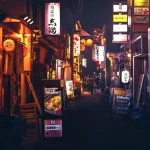
Just outside Shinjuku Station’s west exit, the smoke from dozens of yakitori grills fills this narrow lantern-lit alley every night. It’s tighter than it looks in photos, slightly chaotic, and genuinely fun. Most stalls open from 5pm. Expect to spend ¥2,000–¥3,500 per person including drinks.

40. Rooftop Bar at Andaz Tokyo
The rooftop bar at the Andaz Toranomon Hills sits on the 52nd floor and has an unobstructed view of Tokyo Tower. Cocktails run ¥2,500–¥3,500. Dress code is smart casual. Reservations are recommended on weekends — the bar takes bookings through the hotel’s app.
41. Jazz Club in Shimokitazawa or Shinjuku
Tokyo has a jazz obsession that runs deep. Pit Inn in Shinjuku is the most storied jazz venue in Japan — it’s been running since 1965 and hosts live sets every evening. Entry with one drink runs ¥3,000–¥3,500. The music is serious and the crowd is attentive.
42. Karaoke at a Private Box
Karaoke in Japan is done in private rooms, not on a stage in front of strangers. Big Echo and Joysound dominate the market. A two-hour session in a small room runs ¥1,500–¥3,000 depending on the time of day. English song selection is massive. Unlimited drink packages are worth adding.
Day Trips Worth the Journey
43. Nikko — Baroque Shrines in the Mountains
Nikko is two hours from Shinjuku on the Tobu Nikko Line (¥1,360 one way). The Tosho-gu shrine complex is genuinely over-the-top in the best way — every surface carved and gilded. Go on a Tuesday or Wednesday to avoid weekend crowds.
44. Kamakura — Coastal Temples and the Great Buddha
An hour from Tokyo on the Yokosuka Line (¥940), Kamakura packs ancient temples, a giant bronze Buddha, and a ridgeline hiking trail into a walkable coastal town. The Enoshima Electric Railway (Enoden) connects the town’s west side to the beach at Enoshima. A full day barely covers it.

45. Hakone — Onsen and Fuji Views
The Hakone Romancecar limited express from Shinjuku (¥2,470, 85 minutes) drops you into the mountains southwest of Tokyo. The Hakone Open Air Museum, lake cruises on Ashi-ko, and open-air onsen with Fuji views make this the most complete single-day escape from the city. The Hakone Free Pass covers most transport within the area.
46. Yokohama Chinatown and Waterfront
Japan’s largest Chinatown is 30 minutes from Shinjuku on the Shonan-Shinjuku Line (¥600). The Motomachi shopping street and the redeveloped Yokohama waterfront (Minato Mirai) add a half-day of content alongside the food stalls. Easy to combine with a dinner stop before returning to Tokyo.
47. Mt. Fuji Fifth Station
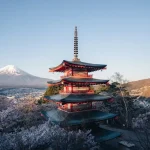
The Fuji Subaru Line Fifth Station on the north side of Fuji is accessible by highway bus from Shinjuku (¥2,100–¥3,000 depending on operator). Even if you’re not climbing, standing at 2,305 metres with the volcanic rock and the smell of thin mountain air around you is a visceral experience. The full climbing season runs July to mid-September. In 2026, the ¥2,000 per-person entry fee introduced at the Yoshida Trail in 2024 remains in place.
Getting Around Tokyo in 2026
48. Master the IC Card System
Suica and Pasmo remain the essential IC cards for navigating Tokyo’s rail, subway, and bus network. In 2026, both are available as digital cards on iPhone and Android via the respective wallet apps — physical card availability has been intermittent at station kiosks since the IC chip shortage of 2023, so set up the digital version before you arrive. The card covers all JR lines, Tokyo Metro, Toei subway, buses, and most convenience store payments.
49. Navigate the 24-Hour Network
Tokyo’s trains stop running roughly between midnight and 5am. The Toei Oedo Line and some Metro lines run until around 12:30am on weekends. After that, taxis (and ride-share apps like GO, which has expanded significantly in Tokyo since 2024) are the option. Midnight taxis from Shinjuku to Shibuya run approximately ¥1,500–¥2,000.

50. Walk More Than You Think You Should
Tokyo’s neighbourhoods reward walking in a way that train-hopping doesn’t reveal. The 20-minute walk from Harajuku to Shibuya via Omotesando, or from Shinjuku east exit through Kabukicho to Hanazono Shrine at midnight, or from Ueno through Yanaka to Nezu — these transitions between areas are where the city shows you what it actually is.
2026 Tokyo Budget Breakdown
Costs have risen steadily since 2022 as the yen’s long weakness began correcting. Here’s what to budget per day in 2026:
- Budget (¥7,000–¥12,000/day): Capsule hotel or guesthouse dorm (¥3,500–¥5,000/night), convenience store meals and standing bars, free parks and temples, IC card transport.
- Mid-range (¥18,000–¥30,000/day): Business hotel in a central ward (¥10,000–¥15,000/night), one sit-down dinner per day, one paid attraction, mix of train and occasional taxi.
- Comfortable (¥45,000–¥80,000+/day): Four-star hotel in Shinjuku or Shibuya (¥25,000–¥45,000/night), omakase or kaiseki dinner (¥15,000–¥30,000 per person), private tours and rooftop bar visits.
Day trips add ¥1,500–¥6,000 in transport costs depending on destination. Museum and attraction entry fees rarely exceed ¥3,200 individually. The biggest single cost variable in Tokyo is accommodation — everything else scales reasonably.
Frequently Asked Questions
How many days do you need in Tokyo?
Five to seven days is the sweet spot for a first visit. Three days covers the headline sights at pace. Ten days or more lets you explore the outer neighbourhoods, do multiple day trips, and slow down enough to actually understand the city’s rhythm. Tokyo rewards longer stays more than almost any other city.
Is Tokyo safe for solo travellers?
Tokyo is consistently ranked among the safest large cities in the world. Solo travellers, including solo women, report very high comfort levels at all hours. Standard urban awareness applies — crowded train carriages during rush hour warrant attention — but violent crime against tourists is exceptionally rare.

What is the best area to stay in Tokyo?
Shinjuku and Shibuya are the most convenient for first-time visitors due to transport links. Asakusa suits travellers who want a more traditional atmosphere. Shimokitazawa or Nakameguro appeal to those wanting a local neighbourhood feel. Budget travellers get the most value from guesthouses in Taito or Sumida wards near Ueno.
Do I need to book Tokyo attractions in advance?
In 2026, yes — more than ever before. teamLab Borderless, the Toyosu tuna auction, DisneySea, the Yayoi Kusama Museum, and popular sumo stable visits all require advance booking and sell out weeks or months ahead. The Tokyo Skytree and most traditional temples do not require booking but benefit from early-morning timing.
What is the best time of year to visit Tokyo?
Late March to early April (cherry blossom) and November (autumn leaves) are the most beautiful times to visit, but also the most crowded and expensive. May and October offer near-ideal weather with fewer crowds. July and August are extremely hot and humid (35°C+). January is cold but uncrowded, with the sharpest Fuji views of the year.
Explore more
The Ultimate Guide to Tokyo Nightlife: Bars, Clubs & Live Music
First Time in Tokyo? Your Essential Planning Checklist
📷 Featured image by Jezael Melgoza on Unsplash.