On this page
- Where Kyoto Nightlife Actually Lives
- Bar Hopping in Pontocho and Kiyamachi
- Gion After Dark: What Tourists Can Actually Enter
- Craft Beer and Natural Wine: Kyoto’s Quiet Drinking Revolution
- Live Music Venues and Jazz Bars
- Clubs and Late-Night Dancing in Kyoto
- Rooftop and View Bars Worth the Price
- 2026 Budget Reality: What a Night Out in Kyoto Costs
- Practical Logistics: Getting Home After Midnight
- Frequently Asked Questions
💰 Click here to see Japan Budget Breakdown
💰 Prices updated: October, 2026. Budget figures are estimates — always verify before travel.
Exchange Rate: $1 USD = ¥157.00
Daily Budget (per person)
Shoestring: ¥8,000 – ¥15,000 ($50.96 – $95.54)
Mid-range: ¥18,000 – ¥35,000 ($114.65 – $222.93)
Comfortable: ¥45,000 – ¥80,000 ($286.62 – $509.55)
Accommodation (per night)
Hostel/guesthouse: ¥2,500 – ¥6,000 ($15.92 – $38.22)
Mid-range hotel: ¥10,000 – ¥20,000 ($63.69 – $127.39)
Food (per meal)
Budget meal: ¥800.00 ($5.10)
Mid-range meal: ¥2,500.00 ($15.92)
Upscale meal: ¥20,000.00 ($127.39)
Transport
Single metro/bus trip: ¥250.00 ($1.59)
Monthly transport pass: ¥30,000.00 ($191.08)
Where Kyoto Nightlife Actually Lives
Kyoto has a reputation problem when it comes to nightlife. Most first-timers arrive expecting a city that shuts down at 9 PM — all temples and tea houses, nothing else. Then they find themselves wandering Pontocho at 11 PM, wedged between a craft sake bar and a smoky jazz lounge, wondering why nobody told them. The city’s after-dark scene is genuinely good. It’s just concentrated in specific pockets rather than spread across a downtown grid like Tokyo or Osaka.
In 2026, Kyoto’s nightlife geography centres on four zones. Pontocho and Kiyamachi sit side by side along the Kamogawa river and form the city’s densest drinking corridor. Gion — specifically the Hanamikoji and Shimbashi sub-districts — offers a more theatrical, expensive kind of night out. Kawaramachi (the area around Shijo-Kawaramachi intersection) is where you find the closest thing to a mainstream commercial nightlife strip: chain izakayas, karaoke buildings, and the handful of actual clubs the city has. A smaller scene has also grown around Fuyacho Street in the Nakagyo ward, attracting Kyoto’s creative and arts crowd.
One thing that has shifted noticeably since 2024: overtourism management measures introduced by the Kyoto city government now mean several streets in Gion have capacity monitors during peak evening hours (spring and autumn). Signs and occasional staff direct tourist flow. This doesn’t close venues — it just shapes how you move between them.
Bar Hopping in Pontocho and Kiyamachi
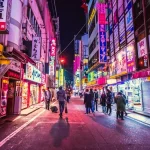
Pontocho is a single narrow alley — about 500 metres long — running parallel to the Kamogawa between Sanjo and Shijo. At night, red paper lanterns cast a warm amber glow across the stone paving, and the alley fills with the smell of yakitori smoke drifting out of tiny grills. It’s atmospheric in a way that feels earned rather than manufactured, though it’s certainly aware of its own charm.

Most bars on Pontocho seat between eight and twenty people. This is not a place for large groups unless you’ve booked ahead. The format is typically a counter, a knowledgeable bartender, and a short but considered drinks list. Bar K6 near the Sanjo end is known for its whisky selection and has been a fixture since the 2010s. Newer arrivals like Sake Bar Yoramu (run by an Israeli sommelier who knows Japanese sake better than most Japanese bartenders) have added an international sensibility without losing the neighbourhood’s intimacy.
Kiyamachi runs parallel to Pontocho, one block east along a canal. It’s louder, younger, and slightly cheaper. This is where izakayas spill groups of students and office workers onto the street on Friday nights. The canal views — willow trees trailing into still black water, neon reflections stretching across the surface — are genuinely beautiful. Kiyamachi has a higher density of standing bars (tachinomi style) where a draft beer runs ¥600–¥800 and nobody rushes you.
A practical note: many Pontocho bars operate a table charge (usually ¥500–¥1,000 per person) that appears on your bill automatically. It covers a small snack (otoshi). This is standard practice — not a tourist trap.
Gion After Dark: What Tourists Can Actually Enter
Gion’s nightlife has two completely separate layers. The first — the ochaya (traditional teahouses) and high-end hostess clubs along Hanamikoji — operates on an introduction-only basis. You cannot walk in off the street, and attempting to do so will result in a polite but firm rejection at the door. These establishments serve a closed clientele built over years or decades, and no amount of money changes that immediately. Accepting this reality saves everyone’s evening.

The second layer is fully accessible and genuinely excellent. The streets surrounding Shimbashi — particularly the area north of Shijo along Hanamikoji — have a growing number of bars that welcome walk-ins while maintaining the neighbourhood’s aesthetic standards. Gion Finlandia Bar is a long-standing favourite: small, dark, stocked with Finnish vodka and Japanese whisky, and occasionally visited by geiko (Kyoto’s term for geisha) on their way between engagements. Sightings are not guaranteed or appropriate to photograph, but they happen.
Several high-end hotel bars in Gion also operate with proper cocktail programs and no reservation required. The bar at Roku Kyoto (in the northern Takagamine area, technically Kita-ku) and the evening lounge at Hotel The Mitsui Kyoto near Nijo Castle both welcome non-guests after 6 PM. These run expensive — cocktails at ¥2,000–¥3,500 — but the quality is consistent and the environments are beautiful.
Craft Beer and Natural Wine: Kyoto’s Quiet Drinking Revolution
Over the past four years, Kyoto has built one of Japan’s most interesting craft drinking scenes, centred not on volume but on specificity. The city’s craft brewers and natural wine importers have found a sympathetic audience in a population that already cares deeply about provenance — the same instinct that drives reverence for century-old tofu makers applies here.
Bungalow, on Fuyacho Street near Oike, is the clearest example: a natural wine bar that sources from small Japanese producers alongside European imports, serving snacks from a kitchen focused on local Kyoto vegetables (kyo-yasai). The space is warm and spare — bare concrete, wooden stools, wine labels pinned to the walls — and the staff speak enough English to walk you through the list without making it feel like a performance.

Kyoto Brewing Company has a taproom in the Nishikyogoku area (about 3 kilometres west of central Kyoto) that pours its full range of IPAs, saisons, and seasonal collaborations. It’s a taxi or bus ride from the main nightlife zones, but the taproom itself — a converted warehouse with long communal tables — is worth the trip if you’re spending more than two days in the city. Pints run ¥900–¥1,200.
Along Kiyamachi, Beer Komachi and Tadg’s Irish Pub serve a mixed crowd of expats, tourists, and locals and have rotating guest taps alongside the standard international lagers. These are louder, less curated than Bungalow, and entirely comfortable for a first night when you haven’t fully found your bearings yet.
Live Music Venues and Jazz Bars
Kyoto has a quiet but genuine jazz tradition. The city’s university population — Kyoto University, Doshisha, Ritsumeikan — has sustained live music culture for decades, and several venues that opened in the 1970s and 80s are still running in recognisably similar form.
Candy Jazz Spot near Kawaramachi is a basement bar that hosts live sets on weekends from around 8 PM. The room holds maybe forty people, the PA is honest without being elaborate, and the repertoire skews toward post-bop and standards. Cover charges are typically ¥1,500–¥2,000, sometimes including one drink.
Taku Taku, a converted warehouse near Toji temple, has been Kyoto’s most serious live music venue for decades — handling everything from jazz to indie rock to electronic shows. Capacity sits around 300. It’s not in the nightlife centre of gravity, but it’s well-connected by bus and worth checking the schedule for any given week. Ticket prices vary by show: ¥2,500–¥5,000 is common.
Urbanguild in the Kiyamachi area is smaller and more eclectic — it books experimental music, spoken word events, and DJ nights alongside conventional bands. It doubles as a bar, so you can arrive before the music without feeling like you’re waiting in a foyer. The interior has the compressed, focused energy of a place where the owners have strong opinions about what gets staged.

Clubs and Late-Night Dancing in Kyoto
Let’s be honest: Kyoto is not a clubbing city. It has never tried to be, and the nightlife that exists here reflects the city’s character — intimate, considered, a little reserved. That said, options do exist for those who want to dance after midnight.
World Kyoto near Kawaramachi is the city’s largest and longest-running club, occupying a multi-floor building with different rooms playing different genres on any given night. Capacity sits around 1,000, which makes it feel genuinely large by Kyoto standards. Entry runs ¥2,000–¥3,000 depending on the night, often including one drink. The weekend lineups lean toward house, hip-hop, and occasional drum and bass. International DJs pass through a few times a year.
Metro, in the basement below Marutamachi subway station, is Kyoto’s alternative answer: a smaller, darker room (capacity around 400) with a reputation for more left-field bookings — techno, electro, queer-friendly events, and club nights organised by the city’s art school crowd. It’s been running since 1995 and has outlasted several attempts to replicate its formula. Cover is usually ¥1,500–¥2,500.
For those who want something between bar and club — a late-night DJ bar where you can talk without shouting — the stretch of Kiyamachi between Sanjo and Shijo has several spots playing music at bar volume until 2 or 3 AM. These don’t have cover charges and are accessible for solo travellers or couples who want low-commitment late-night socialising.
Rooftop and View Bars Worth the Price
Kyoto’s building height restrictions — enforced to preserve sightlines toward the surrounding mountains and temple skylines — mean true rooftop bars are rare. The city’s height limit keeps most buildings below 10–15 metres in central areas. What exists tends to sit atop hotels and operate as proper cocktail bars rather than casual terraces.

The Sky Lounge Togetsukyo at the Kyoto Tokyu Hotel near Shijo is one of the few spots with genuine elevation and a view of the Higashiyama hills at night. The lighting inside is low, the cocktail prices are high (¥2,200–¥3,800), and the windows make the most of what little height the building has. It’s a better fit for a slower evening with fewer people than a celebratory group night out.
The The Celestine Kyoto Gion hotel’s upper-floor bar looks east toward the stone-lantern-lit profile of Yasaka Shrine and the darkened hillside of Maruyama Park beyond it. In cherry blossom season, the illuminated trees in the park visible from this angle are extraordinary — though by 2026, the park’s paid nighttime illumination events during sakura season (¥1,500–¥2,000 entry to the park after 6 PM) have become crowded and require advance booking.
2026 Budget Reality: What a Night Out in Kyoto Costs
Prices in Kyoto have increased noticeably since 2023, tracking Japan’s broader inflation and the continued pressure of tourism demand on hospitality pricing. The following ranges reflect what you’ll realistically spend in 2026.
Budget Night Out
- Standing bar beer or highball: ¥600–¥800 per drink
- Konbini (convenience store) beer or canned cocktail near the Kamogawa: ¥200–¥400
- Entry to Metro or similar club: ¥1,500–¥2,000
- Izakaya food and two drinks: ¥2,500–¥4,000 per person
- Realistic total for a budget night: ¥4,000–¥7,000 per person
Mid-Range Night Out
- Craft cocktail at a Pontocho or Kiyamachi bar: ¥1,200–¥1,800
- Table charge (otoshi): ¥500–¥1,000
- Live music cover: ¥1,500–¥2,500
- Full izakaya dinner with drinks: ¥5,000–¥8,000 per person
- Realistic total for a mid-range night: ¥9,000–¥14,000 per person
Comfortable / Splurge Night Out
- Cocktails at a hotel bar: ¥2,000–¥3,800 per drink
- Omakase dinner pairing with sake: ¥20,000–¥35,000 per person
- High-end whisky bar with rare pours: ¥3,000–¥8,000+ per glass
- Realistic total for a comfortable/splurge night: ¥25,000–¥50,000+ per person

One 2026-specific note: Japan’s revised consumption tax reporting requirements mean more restaurants and bars are now showing tax-inclusive pricing on menus and receipts. If a menu says “税込” (zei-komi), the price already includes the 10% consumption tax. This removes one source of bill-shock that caught many visitors off guard in previous years.
Practical Logistics: Getting Home After Midnight
This is where Kyoto nightlife punishes the unprepared. The city’s subway and bus networks stop running between 11:30 PM and midnight. Unlike Osaka or Tokyo, there is no all-night train service. Once the last train leaves, your options narrow significantly.
Taxis are the primary option. They’re widely available in the Kawaramachi and Shijo areas and can be flagged or found at designated taxi stands. Fares within the central nightlife area to most tourist accommodation zones run ¥1,000–¥2,500. Rides to areas like Arashiyama, Fushimi, or Ohara will cost considerably more — ¥3,000–¥6,000 depending on the distance. After midnight, a 20% surcharge applies.
Ride-hailing apps — specifically GO (the dominant taxi app in Japan in 2026) — work in Kyoto and let you book in advance and pay cashlessly. This is worth setting up before your night starts rather than scrambling for it at 1 AM. Uber operates in Kyoto as a taxi-booking interface (it dispatches licensed taxi drivers, not private cars) with similar pricing to street taxis.
Walking is viable for those staying in the Gion, Higashiyama, or central Nakagyo areas. Pontocho to most Gion accommodation is a 10–20 minute walk on flat ground along well-lit streets. Kyoto’s central grid is safe, well-lit, and easy to navigate at night.
If you plan to be out until 2–3 AM regularly, factor ¥2,000–¥4,000 per night into your budget for taxis back to your accommodation. Alternatively, choosing a hotel within walking distance of Kawaramachi or Kiyamachi eliminates the problem entirely.

Frequently Asked Questions
Is Kyoto nightlife good compared to Osaka or Tokyo?
Kyoto’s nightlife is smaller and more intimate than both. It won’t satisfy those looking for a massive club scene or all-night options. What it does offer — craft bars, jazz venues, beautiful atmospheric streets — is genuinely excellent. Think quality over volume. Many people who visit both cities prefer Kyoto’s after-dark atmosphere precisely because it’s less overwhelming.
What time do bars close in Kyoto?
Most Pontocho and Kiyamachi bars close between midnight and 2 AM. Clubs like World Kyoto and Metro stay open until 4–5 AM on weekends. Hotel bars typically close around 1 AM. Public transport stops by midnight, so plan your return journey accordingly. Taxis are available throughout the night in central areas.
Is Kyoto nightlife safe for solo travellers and women travelling alone?
Yes. Kyoto’s nightlife zones are well-lit, populated through the evening, and considered safe by Japanese standards — which are already high. The usual common-sense precautions apply anywhere. The Pontocho and Kiyamachi areas have enough foot traffic until 1–2 AM that solo travellers are not conspicuous. Taxi rides home are easy to arrange and reasonably priced.
Can tourists enter geisha establishments or ochaya in Gion?
No. Ochaya in Gion operate on a closed-introduction system and do not accept walk-in customers regardless of budget. Some high-end hotels and tour operators offer legitimate maiko dinner experiences (¥25,000–¥60,000+ per person) that are separate from the ochaya system. Attempting to enter ochaya uninvited is considered deeply disrespectful to the neighbourhood’s culture.
Do Kyoto bars require Japanese language skills?
Not for most places in Pontocho, Kiyamachi, and Kawaramachi. Menus in these areas increasingly have English translations or photos, and bartenders in tourist-facing venues manage basic English well enough to take orders and explain the drinks list. Very small bars in residential neighbourhoods may be more challenging, but pointing and gesturing — plus a willingness to be guided by the bartender’s suggestions — goes a long way.
Explore more
Gion District Guide: Explore Kyoto’s Geisha Quarter
25 Unmissable Things to Do in Kyoto for First-Time Visitors
Kyoto Itinerary: The Ultimate 3-Day Plan for First-Time Visitors
📷 Featured image by Marek Piwnicki on Unsplash.