On this page
- Tokyo Nightlife in 2026: What’s Changed and What to Know First
- Tokyo’s Best Nightlife Neighbourhoods
- Bar Scene: Standing Bars, Whisky Dens & Craft Beer
- Tokyo’s Club Culture: Venues, Entry & What to Expect
- Live Music in Tokyo: Jazz, Rock & Underground Gigs
- Golden Gai & Memory Lane: Tokyo’s Tiny Bar Districts
- 2026 Budget Reality: What a Night Out in Tokyo Costs
- Nightlife Etiquette & Practical Tips for 2026
- Frequently Asked Questions
💰 Click here to see Japan Budget Breakdown
💰 Prices updated: October, 2026. Budget figures are estimates — always verify before travel.
Exchange Rate: $1 USD = ¥157.00
Daily Budget (per person)
Shoestring: ¥8,000 – ¥15,000 ($50.96 – $95.54)
Mid-range: ¥18,000 – ¥35,000 ($114.65 – $222.93)
Comfortable: ¥45,000 – ¥80,000 ($286.62 – $509.55)
Accommodation (per night)
Hostel/guesthouse: ¥2,500 – ¥6,000 ($15.92 – $38.22)
Mid-range hotel: ¥10,000 – ¥20,000 ($63.69 – $127.39)
Food (per meal)
Budget meal: ¥800.00 ($5.10)
Mid-range meal: ¥2,500.00 ($15.92)
Upscale meal: ¥20,000.00 ($127.39)
Transport
Single metro/bus trip: ¥250.00 ($1.59)
Monthly transport pass: ¥30,000.00 ($191.08)
Tokyo Nightlife in 2026: What’s Changed and What to Know First
Tokyo‘s nightlife has never been more accessible to international visitors — but it’s also never been more crowded. Since the 2024 tourism surge showed no signs of slowing, popular areas like Shinjuku and Shibuya now see weekend crowds that can genuinely overwhelm first-timers. The good news: Tokyo is enormous, and most visitors only scratch the surface of what’s available after dark. This guide covers the full picture — from whisky bars in unmarked basement rooms to 3,000-capacity clubs that run until 10am.
Tokyo’s Best Nightlife Neighbourhoods
Tokyo doesn’t have one nightlife district — it has dozens, and each one has a completely different character. Where you go first depends entirely on what kind of night you’re after.
Shinjuku
Shinjuku is the obvious starting point, and for good reason. Kabukicho — often called Tokyo’s entertainment district — packs hostess clubs, izakayas, karaoke buildings, live music bars, and everything in between into a dense grid of neon-lit streets. East Shinjuku is louder and more commercial. The area around Omoide Yokocho (Memory Lane) just west of the station is older, smokier, and far more atmospheric. Shinjuku-nichome, a few blocks south, is Tokyo’s LGBTQ+ hub — one of the most welcoming and densely packed bar scenes in Asia, with hundreds of tiny bars spread across just a few blocks.
Shibuya
Shibuya pulls younger crowds and is the epicentre of Tokyo’s club scene. The scramble crossing is the visual icon, but the real action is in the side streets — Dogenzaka, Udagawacho, and the area around Shibuya Stream. Club Womb and Contact are both within walking distance of the station. Shibuya got a significant infrastructure upgrade between 2024 and 2026, with the completion of the Shibuya Sakura Stage development adding new bar and restaurant floors to the west side of the station.
Roppongi
Roppongi is international by default — it’s where expats, tourists, and visiting business travellers tend to congregate. The bars here are generally comfortable with English menus and English-speaking staff. It can feel less authentic than other areas, but if you want a smooth, no-translation-required night out with solid cocktail bars and a reliable club strip, Roppongi delivers. Roppongi Hills and the surrounding streets stay active until well past 4am on weekends.

Nakameguro & Shimokitazawa
These two neighbourhoods offer the sharpest contrast to the bigger districts. Nakameguro, along the canal, is all understated wine bars, jazz cafés, and craft beer spots that attract a well-dressed local crowd in their 30s. Shimokitazawa, 15 minutes west by train, is Tokyo’s indie music heartland — small live houses, vintage record shops, and bars that feel like they belong in a different era. Neither place feels like a tourist destination, which is exactly the point.
Bar Scene: Standing Bars, Whisky Dens & Craft Beer
Tokyo’s bar culture rewards curiosity. The most interesting places are rarely on main streets — they’re in basement stairwells, up unmarked elevator shafts, or tucked behind curtains in narrow alleys.
Standing Bars (Tachinomi)
Tachinomi — literally “standing drinking” — is Tokyo’s most democratic bar format. You stand at a counter or along a wall, drinks are cheap (often ¥500–¥800 for a draft beer), and conversation with strangers is easy and expected. The area around Ueno and Yurakucho has the highest concentration of these spots. Yurakucho’s elevated train tracks shelter a long row of small izakayas and standing bars where salarymen have been drinking after work for decades. The low ceiling, the rumble of trains overhead, the smell of grilled yakitori — it’s one of those sensory experiences that genuinely can’t be replicated anywhere else.
Whisky Bars
Japan produces some of the world’s most sought-after whisky, and Tokyo’s specialist whisky bars take the subject seriously. Bar Benfiddich in Shinjuku is widely regarded as one of the best in the world — the bartender grows his own botanicals and creates everything from scratch. Expect to pay ¥1,500–¥4,000 per glass depending on what you order. Many whisky bars seat only 8–12 people and operate on a first-come basis. Arriving before 7pm on weekdays gives you the best chance of getting a seat without a long wait.

Craft Beer
Tokyo’s craft beer scene matured considerably between 2022 and 2026. Breweries like Yanaka Beer Hall in Yanaka, Baird Beer’s Harajuku taproom, and the cluster of craft beer bars around Koenji now offer rotating taps with local and imported options. Pints typically run ¥900–¥1,400. The quality gap between craft options and standard lager has pushed even convenience store shelves to carry better options — but nothing beats drinking fresh-poured Hazy IPA in a converted warehouse space.
Tokyo’s Club Culture: Venues, Entry & What to Expect
Tokyo’s club scene has one of the healthiest lineups in Asia, with a strong emphasis on electronic music — techno, house, drum and bass, and everything in between. The scene recovered well after the years of strict entertainment regulations and is now arguably stronger than it was a decade ago.
Key Venues
- Contact (Shibuya): Underground, serious about music, draws both local and international DJs. Capacity around 300. The sound system is exceptional — bass you feel in your chest from the moment you walk in.
- Womb (Shibuya): One of Tokyo’s largest clubs, with a main room that fits 1,000+. Known for hosting international acts across techno and house. Four floors with different sounds on each.
- Ageha (Shinkiba): Tokyo’s biggest club — capacity around 3,000. Located near the waterfront, 15 minutes from Shibuya by taxi. Outdoor pool area is open in summer. Best for major international events.
- UNIT (Daikanyama): Mid-sized, beloved by the local crowd, strong booking policy across electronic and live music. Relaxed but serious atmosphere.
- Vision (Shibuya): Reliable for techno and experimental nights. Often runs back-to-back with a connected bar space.

Entry, Costs & ID
Cover charges at Tokyo clubs typically range from ¥2,000 to ¥4,000, and usually include one or two drink tickets. Bring your passport — clubs legally require photo ID from international visitors, and a driving licence from your home country may not be accepted. Lines at Womb and Ageha on event nights can stretch 30–45 minutes. Arriving before midnight significantly reduces waiting time and sometimes qualifies for a discounted entry rate.
Unwritten Rules
Photography on the dance floor is discouraged or banned outright at most venues — this is enforced seriously. Dress codes are generally relaxed compared to European clubs, but sportswear and overly casual looks can get you turned away at some spots. Don’t talk loudly over the music near the DJ booth — it reads as disrespectful and you will be asked to move.
Live Music in Tokyo: Jazz, Rock & Underground Gigs
Tokyo’s live music infrastructure is extraordinary. The city has purpose-built venues at every scale — from 50-seat basement jazz bars to 10,000-capacity arenas — and a culture that genuinely values live performance.
Jazz
Tokyo has one of the strongest jazz scenes in the world outside of New York. The historic Blue Note Tokyo in Minami-Aoyama continues to book world-class acts, with tickets ranging from ¥7,000 to ¥15,000 depending on the artist. For something more intimate, the Jazz bars of Shimokitazawa and Koenji seat fewer than 40 people and charge a ¥1,000–¥2,000 table charge (called a “charge” on most menus) on top of drinks. The sound quality in some of these tiny rooms is stunning — musicians playing just a few metres away, the music filling every corner without amplification.

Rock & Indie
Shimokitazawa is the undisputed home of Tokyo’s indie rock scene. Venues like Shelter, Garage, and THREE host local bands almost every night of the week, with tickets typically ¥2,000–¥3,500. The Shimokitazawa venue cluster has survived multiple rounds of redevelopment pressure and remains intact as of 2026, which is a genuine relief for anyone who’s followed the neighbourhood’s ongoing battles with urban renewal. Koenji, a short train ride east, has a grittier edge — more noise rock and avant-garde performances in venues that feel like they haven’t been cleaned since 1993, in the best possible way.
International Acts & Arenas
For international touring acts, Zepp venues (Zepp Shinjuku opened in 2023 and is now fully embedded in the scene), Tokyo Dome, and Budokan remain the main destinations. Tickets sell through platforms like e+, Lawson Ticket, and TicketPia — all now have improved English interfaces as of 2026. Buying directly through the venue’s official site on launch day gives you the best chance ahead of resellers.
Golden Gai & Memory Lane: Tokyo’s Tiny Bar Districts
Two areas in Shinjuku deserve their own section because they operate on a completely different scale from everywhere else — and they represent something genuinely irreplaceable in modern Tokyo.
Golden Gai
Golden Gai is a cluster of around 200 bars packed into six narrow alleys just northeast of Shinjuku Station. Each bar seats between 5 and 15 people. Many have themes — one might be dedicated to horror films, another to a specific music genre, another to a single sport. Most charge a ¥500–¥1,000 table charge, and drinks run ¥700–¥1,500. The experience of ducking under a low wooden door frame, squeezing onto a bar stool, and finding yourself talking to a filmmaker, a chef, and a retired salaryman within the first ten minutes is something that doesn’t exist anywhere else in the world quite like this. Golden Gai gets crowded after 9pm on weekends — arrive at 7pm for a slower, more conversational experience.

Omoide Yokocho (Memory Lane)
Omoide Yokocho runs along the west side of Shinjuku Station. It’s narrow — two people walking side by side barely fit — and the tiny yakitori stalls that line it grill skewers of chicken, vegetables, and offal over charcoal right in front of you. The smoke is thick, the seats are cramped, and the Sapporo draft beer costs around ¥700. It’s one of the few places in Tokyo that feels genuinely unchanged from 40 years ago, and that’s exactly why people keep coming back.
2026 Budget Reality: What a Night Out in Tokyo Costs
Tokyo is not a cheap city for nightlife, but it’s not ruinously expensive either — especially if you know where to drink. Here’s an honest breakdown by tier.
Budget Night (¥3,000–¥6,000 per person)
- Drinks at a tachinomi standing bar: ¥500–¥800 each
- Golden Gai or izakaya bar hopping: ¥1,000–¥1,500 table charge + 2–3 drinks
- Convenience store beers between venues: ¥200–¥350 each
- Street food or a late-night ramen bowl: ¥700–¥1,200
Mid-Range Night (¥8,000–¥15,000 per person)
- Club entry at Contact or UNIT: ¥2,000–¥3,500 (includes drink tickets)
- Cocktails at a mid-tier bar: ¥1,200–¥2,000 each
- Live music ticket at a Shimokitazawa venue: ¥2,500–¥3,500
- Late dinner at an izakaya: ¥2,500–¥4,000
Comfortable / Splurge Night (¥20,000–¥40,000+ per person)
- Blue Note Tokyo concert ticket: ¥7,000–¥15,000
- Whisky tasting at a specialist bar (3–4 glasses): ¥6,000–¥16,000
- Cocktail bar with premium spirits: ¥2,000–¥5,000 per drink
- Omakase dinner before going out: ¥15,000–¥30,000
One important note: tipping is not practised in Japan. The price on the menu is the price you pay. A consumption tax of 10% applies to alcohol, and some bars add a service charge — this will be stated on the menu if so.

Nightlife Etiquette & Practical Tips for 2026
The Last Train Problem
Tokyo’s train network shuts down between midnight and 1am and resumes around 5am. This is the single most important logistical fact for any night out. Your options after the last train: take a taxi (expensive — expect ¥3,000–¥8,000 depending on distance), night bus (limited routes, ¥200–¥500), or stay out until the trains restart at 5am. Many Tokyo regulars plan their night around one of these two strategies — leave by 11:30pm, or commit to an all-nighter. As of 2026, Uber operates reliably in Tokyo and is often cheaper than a metered taxi for shorter distances.
Cash vs. Cards
Many small bars in Golden Gai and traditional izakayas still operate cash-only. Carry at least ¥5,000–¥10,000 in cash on any night out. 7-Eleven ATMs accept international cards 24 hours a day and are the most reliable option for withdrawals. Card acceptance has improved significantly in 2025–2026, particularly at larger venues and clubs, but never assume a small bar will take plastic.
Noise Regulations
Japan’s Entertainment Business Law, which governs venues that allow dancing, was reformed in 2016, but enforcement continues to evolve. As of 2026, clubs operating past 2am must hold the correct licence — most established venues do, but pop-up events or smaller venues sometimes operate in grey areas. If a venue you’re visiting suddenly asks everyone to leave at 2am, this is usually why.
Smoking
Indoor smoking in bars was restricted significantly in 2020, but designated smoking rooms and outdoor areas remain common. Some very small bars (under a certain floor area threshold) are still permitted to allow smoking indoors — Golden Gai bars in particular. If smoke bothers you, ask before you sit down.

Language
English proficiency at bars and clubs varies enormously. Club staff at international venues usually manage basic English. Tiny neighbourhood bars may have no English at all — but a smile, pointing at what the person next to you is drinking, and a confident “onegaishimasu” (please) gets you surprisingly far. Google Translate’s camera function handles Japanese menus well in 2026.
Frequently Asked Questions
What time does nightlife in Tokyo start and end?
Bars typically open from 6pm, with izakayas open from around 5pm. Clubs start getting busy after midnight and can run until 6am or later on weekends. The practical challenge is the train shutdown between approximately 12:30am and 5am, which forces a choice between an early exit or a full all-nighter.
Is Tokyo nightlife safe for solo travellers and women travelling alone?
Tokyo consistently ranks among the world’s safest cities at night. Street crime is extremely rare. Solo female travellers report Tokyo nightlife as generally comfortable, though Kabukicho in particular has touts who can be persistent. Ignoring them firmly and walking with purpose is the standard approach. Avoid unmarked establishments that approach you aggressively on the street.
Do Tokyo clubs have strict dress codes?
Most Tokyo clubs are relaxed about dress compared to European counterparts. Clean, casual clothing works at almost all venues. Sportswear — tracksuits, football shirts — can get you refused at some spots. Smart-casual is a safe universal standard. Some high-end Roppongi venues lean more formal, so check the venue’s social media before going.
Can I use my credit card at bars in Tokyo?
Larger bars, clubs, and hotel bars accept credit and debit cards. Small neighbourhood bars, Golden Gai venues, and traditional izakayas frequently operate cash-only. Always carry at least ¥5,000–¥10,000 in cash. 7-Eleven and Japan Post ATMs are the most reliable for international card withdrawals, available 24 hours.
What is the legal drinking age in Japan, and will I be asked for ID?
The legal drinking age in Japan is 20 years old. International visitors who look young should carry their passport — it is the only ID reliably accepted. Some clubs require ID from all international visitors regardless of age, particularly for entry verification rather than age checking. A driving licence from your home country may not be accepted at all venues.
Explore more
The Ultimate Tokyo Food Guide: Where to Eat Everything
Shibuya Travel Guide: Things To Do, Eat & See in Tokyo’s Iconic Hub
The Absolute Best Things to Do in Tokyo: A First-Timer’s Guide
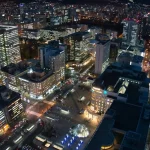
📷 Featured image by Marek Okon on Unsplash.