On this page
- The Dotonbori Strip: Ground Zero for Takoyaki Tourism
- Shinsekai and Tsutenkaku: Where Locals Actually Eat
- Kuromon Ichiba Market: Takoyaki with a Side of Theatre
- Takoyaki Street Stalls vs. Sit-Down Shops: What the Difference Means for You
- 2026 Budget Reality: What Takoyaki Costs Now
- How to Eat Takoyaki Without Burning Your Mouth (and Other Things Nobody Tells You)
- Frequently Asked Questions
💰 Click here to see Japan Budget Breakdown
💰 Prices updated: October, 2026. Budget figures are estimates — always verify before travel.
Exchange Rate: $1 USD = ¥157.00
Daily Budget (per person)
Shoestring: ¥8,000 – ¥15,000 ($50.96 – $95.54)
Mid-range: ¥18,000 – ¥35,000 ($114.65 – $222.93)
Comfortable: ¥45,000 – ¥80,000 ($286.62 – $509.55)
Accommodation (per night)
Hostel/guesthouse: ¥2,500 – ¥6,000 ($15.92 – $38.22)
Mid-range hotel: ¥10,000 – ¥20,000 ($63.69 – $127.39)
Food (per meal)
Budget meal: ¥800.00 ($5.10)
Mid-range meal: ¥2,500.00 ($15.92)
Upscale meal: ¥20,000.00 ($127.39)
Transport
Single metro/bus trip: ¥250.00 ($1.59)
Monthly transport pass: ¥30,000.00 ($191.08)
Osaka‘s takoyaki scene in 2026 is both a genuine culinary institution and, in certain pockets of the city, a full-blown tourist trap. The weak yen years brought a surge of visitors who happily paid inflated prices near Dotonbori for mediocre balls of batter. Prices have stabilised somewhat, but knowing which stalls are worth your time — and which ones are coasting on Instagram foot traffic — still requires a bit of insider knowledge. This guide cuts straight to the best spots, neighbourhood by neighbourhood.
The Dotonbori Strip: Ground Zero for Takoyaki Tourism
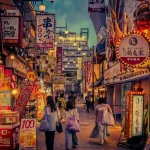
Dotonbori is where most visitors eat their first Osaka takoyaki, and that’s not entirely a bad thing. The area has some genuinely excellent shops alongside the overpriced ones, and the atmosphere — neon signs reflecting off the canal, the sizzle of dozens of copper griddles — is hard to replicate anywhere else in the world. Standing at a stall along Dotonbori-dori on a humid Osaka evening, the sharp, savoury smell of octopus and dashi batter hitting a hot oiled pan is one of those sensory experiences that sticks with you long after the trip ends.
Aizuya on Dotonbori is frequently cited as one of the originators of modern takoyaki and has been operating since 1933. Their version is deliberately minimalist — no mayonnaise, just the takoyaki, Worcestershire-based sauce, and dried bonito flakes. The fish flakes dance and wave from the heat when they’re served, which is part of the theatre. Expect to queue, especially on weekends.
Kukuru, also on Dotonbori, goes in the opposite direction: generous octopus chunks, creamy interior, the works. The branding is loud and the signage is impossible to miss. It’s a reliable choice if you want the full-topped, photogenic version.
Avoid the anonymous griddle carts that have no fixed shop front and rotate staff frequently. The quality is inconsistent and the prices near the canal have crept up to around ¥800–¥1,000 for six pieces, which is high for what you get.
Shinsekai and Tsutenkaku: Where Locals Actually Eat
About two kilometres south of Dotonbori, Shinsekai is the neighbourhood that Osaka locals point to when they want to talk about the city’s unpretentious, working-class food culture. The streets around Tsutenkaku Tower feel like a different city entirely — narrower, older, less concerned with presentation. Takoyaki here is sold from small family-run stalls that have been in the same spot for decades.

Takoyaki Yamachan near the Tsutenkaku base is a favourite among Osaka residents who grew up in the Naniwa and Nishinari wards. The batter ratio here is looser than you’ll find in tourist areas — a crispier shell with a genuinely liquid centre, which is the traditional Osaka ideal. The octopus pieces are smaller but more tender, sourced from local suppliers rather than the imported frozen product that many high-volume Dotonbori shops rely on.
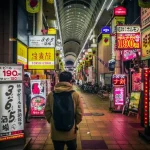
Shinsekai’s covered shopping arcade, Shin-Sekai-dori, has a cluster of small takoyaki counters where you can sit on a plastic stool and watch your order being made on the spot. Eight pieces for ¥550–¥650 is a realistic price here. Nobody is rushing you, and the older clientele who stop in between pachinko sessions are good company if you make the effort to say hello.
Kuromon Ichiba Market: Takoyaki with a Side of Theatre
Kuromon Ichiba, Osaka’s famous covered market near Nipponbashi, is known primarily for fresh seafood, but it has developed a serious takoyaki micro-scene that deserves its own mention. What makes it different from other locations is the quality of the octopus. Stalls here source directly from the vendors two or three counters down — you can sometimes see the same fresh tako sitting in a tank at a seafood stall that ends up inside your takoyaki ball ten minutes later.
Endo Takoyaki inside Kuromon operates on a small griddle with a very short menu. The octopus pieces are cut to order rather than pre-portioned, and the result is a noticeably fresher, more substantial bite. It’s become well-known enough that there’s usually a short queue by late morning, but it moves fast.
The market itself opens around 9:00 and is busiest between 10:00 and 13:00. Arriving before 10:00 means shorter queues and the chance to watch the market wake up — traders hauling crates, the ammonia-salt smell of freshwater tanks being cleaned, and the first espresso machines of the day being switched on at the market café near the western entrance. Kuromon also has new extended evening hours on Fridays and Saturdays in 2026, running until 19:00 rather than the traditional 17:00 close.
Takoyaki Street Stalls vs. Sit-Down Shops: What the Difference Means for You

Most visitors assume all takoyaki is the same product sold in different locations. The format of the shop actually changes the experience quite significantly, and it’s worth knowing what you’re choosing before you queue.
Street stalls and festival-style counters produce takoyaki at very high volume. The griddles are large, the turnover is fast, and the product is designed to be eaten immediately while standing. The exterior crisp is at its best in the first two to three minutes. After that, the shell softens. This format is ideal if you’re eating on the move and want the freshest possible bite.
Sit-down takoyaki restaurants — and there are more of them in Osaka than tourists typically realise — use smaller griddles, slower cooking, and often proprietary batter recipes. Shops like Wanaka in Namba have perfected a dough-to-filling ratio that holds up better over time, making them a better choice if you’re ordering for two or more people and want to eat at a table with drinks.
- Best for immediacy: Street stalls in Dotonbori or Shinsekai
- Best for quality sit-down experience: Wanaka (Namba), Juhachiban (multiple Osaka locations)
- Best for ingredient quality: Market stalls at Kuromon Ichiba
- Best for local atmosphere: Covered arcades in Shinsekai and Tengachaya
2026 Budget Reality: What Takoyaki Costs Now
Takoyaki remains one of the most affordable street foods in Japan even after the price increases of the past two years. Here’s what you can realistically expect to pay in Osaka in 2026:
- Budget (local neighbourhood stalls, Shinsekai, Tengachaya): ¥400–¥650 for 6–8 pieces
- Mid-range (established shops, Namba, Kuromon): ¥700–¥950 for 6–8 pieces
- Comfortable (premium sit-down restaurants, tasting sets with drinks): ¥1,200–¥2,000 per person
The biggest price jump between 2024 and 2026 has been in the tourist-heavy Dotonbori canal area, where some stalls have moved to ¥900–¥1,100 for a basic six-piece serving. Ingredient costs — particularly fresh domestic octopus — rose sharply in 2025 due to tighter fishing quotas in the Seto Inland Sea. Shops that maintained their prices have generally done so by switching to imported octopus from Morocco or Mauritania, which is worth knowing if provenance matters to you. Stalls at Kuromon that advertise kokusan tako (domestic octopus) are being transparent about sourcing and typically charge a slight premium for it.
How to Eat Takoyaki Without Burning Your Mouth (and Other Things Nobody Tells You)
Takoyaki is served at a temperature that genuinely surprises people who haven’t had it before. The exterior looks done, but the interior is a pocket of liquid batter and hot octopus that retains heat for far longer than you’d expect. Biting straight in is a reliable way to burn the roof of your mouth, which is an unglamorous start to a Dotonbori evening.

The correct approach is to use the provided pick to puncture the ball slightly before eating, letting steam escape. Then wait about thirty seconds. This is not being overly cautious — it’s just how the dish is meant to be handled.
A few other things first-timers often get wrong:
- Sauce sequencing: At many Osaka shops, the Worcestershire sauce, mayonnaise, aonori (dried green seaweed), and bonito flakes are added to your order — not to your taste. If you want less mayonnaise or no mayonnaise, say so when you order. Most stall workers are used to this request.
- Toothpicks vs. skewers: Some stalls provide a single skewer for the whole portion, others provide individual picks per ball. The skewer method requires a bit of technique — roll the ball to one end, eat it, repeat. Stabbing from the top usually splits the ball and loses the liquid centre.
- Eating standing vs. moving: As noted above, Osaka’s 2026 pedestrian rules in Dotonbori now encourage eating at designated areas rather than while walking. Outside of that zone, the expectation is still to eat near the stall where you bought it.
- Asking for recommendations: Stall owners in Osaka are genuinely proud of their product. A simple “osusume wa?” (what do you recommend?) almost always gets a warm response and occasionally an off-menu option or a slightly more generous pour of sauce.
Frequently Asked Questions
What is the best area in Osaka to eat takoyaki?
For atmosphere, Dotonbori is hard to beat, but Shinsekai offers better prices and a more local experience. If ingredient quality is your priority, Kuromon Ichiba Market is the strongest option in 2026, with stalls sourcing octopus directly from adjacent seafood vendors in the same market building.
How much does takoyaki cost in Osaka in 2026?
Expect to pay ¥400–¥650 for six to eight pieces at neighbourhood stalls and ¥700–¥1,100 at well-known shops in tourist areas. Sit-down restaurants with drinks and tasting sets typically run ¥1,200–¥2,000 per person. Domestic octopus commands a small premium over imported product.
Is takoyaki safe to eat for people with seafood allergies?
No. Takoyaki contains octopus and is made using dashi stock, which is typically fish-based. Cross-contamination with other shellfish is common at busy stalls. People with seafood or shellfish allergies should avoid takoyaki entirely. The batter also typically contains egg and wheat gluten.

What is the difference between Osaka-style and Tokyo-style takoyaki?
Osaka takoyaki is defined by its liquid, almost runny interior — the goal is a crispy shell with a molten centre. Tokyo-style versions, when found, tend to have a firmer, more fully cooked interior throughout. Osaka locals consider the liquid centre non-negotiable and regard a fully set interior as overcooked.
Can I make a takoyaki reservation or do I need to queue?
Most takoyaki stalls and small shops in Osaka are walk-in only with no reservations accepted. The exception is a small number of sit-down restaurants like Wanaka Namba, which accepts reservations via their website and through platforms like TableCheck. For popular stalls, arriving before the lunch rush (before 11:30) or after 14:30 on weekdays significantly reduces wait times.
Explore more
Osaka’s Must-See & Must-Eat: Your Ultimate Travel Guide
Exploring Dotonbori: Your Ultimate Guide to Osaka’s Iconic Entertainment District
The Ultimate Guide to Osaka Bars: From Izakayas to Craft Cocktails