On this page
- Where to Drink in Osaka: The Key Neighborhoods
- Izakayas: What to Expect and Where to Find the Real Ones
- Craft Beer Bars and Microbreweries
- Cocktail Bars and Speakeasies Worth Seeking Out
- Standing Bars (Tachinomi) and Cheap Drink Culture
- 2026 Budget Reality: What Drinking in Osaka Actually Costs
- House Rules: What You Need to Know Before You Go Out
- Frequently Asked Questions
💰 Click here to see Japan Budget Breakdown
💰 Prices updated: October, 2026. Budget figures are estimates — always verify before travel.
Exchange Rate: $1 USD = ¥157.00
Daily Budget (per person)
Shoestring: ¥8,000 – ¥15,000 ($50.96 – $95.54)
Mid-range: ¥18,000 – ¥35,000 ($114.65 – $222.93)
Comfortable: ¥45,000 – ¥80,000 ($286.62 – $509.55)
Accommodation (per night)
Hostel/guesthouse: ¥2,500 – ¥6,000 ($15.92 – $38.22)
Mid-range hotel: ¥10,000 – ¥20,000 ($63.69 – $127.39)
Food (per meal)
Budget meal: ¥800.00 ($5.10)
Mid-range meal: ¥2,500.00 ($15.92)
Upscale meal: ¥20,000.00 ($127.39)
Transport
Single metro/bus trip: ¥250.00 ($1.59)
Monthly transport pass: ¥30,000.00 ($191.08)
Osaka‘s bar scene in 2026 is busier than ever — and more crowded with tourists than most visitors expect. The yen has stabilized somewhat compared to the volatile exchange rates of 2024, but international foot traffic hasn’t slowed down. That means the legendary dive bars of Dotonbori now fill up before 8 PM on weekends, and the hidden cocktail dens that locals love are genuinely hard to find without a map or a tip from someone who’s been there. This guide cuts through the noise and tells you exactly where to drink, what to spend, and how to behave.
Where to Drink in Osaka: The Key Neighborhoods
Osaka doesn’t have one nightlife district — it has several, each with a completely different atmosphere. Knowing which area matches your mood saves you a lot of aimless wandering.
Namba and Dotonbori
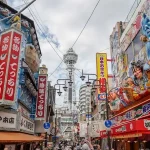
This is ground zero for first-time visitors. The neon-lit canal strip of Dotonbori is loud, chaotic, and relentless in the best possible way. The streets smell of takoyaki grease and cigarette smoke, and the noise from competing bar speakers bleeds into the street after 9 PM. It’s fun once, but locals mostly avoid it. Stick to the narrower lanes just north and south of the main canal — Soemon-cho runs parallel to Dotonbori and has a denser mix of proper bars without the tourist markup.
Shinsaibashi and Amerika-Mura
Amerika-Mura (American Village) is Osaka’s answer to Tokyo’s Shimokitazawa — vintage clothing shops share blocks with basement bars and DIY music venues. The clientele skews younger and the drinks are cheaper than Dotonbori. Shinsaibashi itself has upscale lounges and international hotel bars that work well if you want a quieter night.
Kitashinchi
This is Osaka’s upmarket entertainment district, one station north of Osaka Station. Narrow streets are packed with whisky bars, members-only clubs, and hostess bars. Kitashinchi is where Osaka’s business crowd unwinds after client dinners. Prices are higher here — a single malt pour can run 2,000–4,000 JPY — but the bar craft is serious and the ambiance is genuinely atmospheric. Most places here welcome solo drinkers who arrive politely and aren’t in a rush.
Fukushima
Fukushima is the neighbourhood that locals recommend when they trust you. It’s a short walk west from Osaka Station and home to a dense strip of small bars, wine spots, and low-key izakayas running along the street parallel to the elevated train tracks. The area has developed steadily since 2023 and now has some of the city’s best independent cocktail bars without the Dotonbori pricing.

Izakayas: What to Expect and Where to Find the Real Ones
An izakaya is not a restaurant that also serves drinks — it’s a drinking establishment that also serves food. The distinction matters because the eating is incidental to the drinking, and the social dynamic is completely different. You order small plates to pace yourself through a long, slow evening with friends.
The chains — Torikizoku, Watami, Shirokiya — are everywhere and not worth your time unless you’re on an extremely tight budget. Look instead for the handwritten-menu places tucked into covered shopping arcades like Tenjinbashisuji or the backstreets of Namba. These are usually single-room operations with a counter, a few tables, and an owner who’s been running the place for 20 years. Expect wooden walls darkened by years of cigarette smoke and yakitori char, a laminated menu with no English, and the best grilled chicken skewers you’ve had in Japan.
One reliable approach: walk down any covered shotengai (shopping arcade) around 7 PM and follow the sound of conversation and the smell of charcoal. Tenjinbashisuji, the longest shotengai in Japan, has dozens of neighbourhood izakayas that tourists almost never enter.
Craft Beer Bars and Microbreweries
Osaka’s craft beer scene matured significantly between 2022 and 2025. What was once a small cluster of import-focused tap rooms has grown into a proper local brewing culture, with several Osaka-based breweries now distributing nationally.
Minoh Beer, brewed in the hills north of the city, remains the gold standard. Their W-IPA — a double India Pale Ale — has won international awards and is genuinely worth tracking down on draft. The Minoh Beer pub in Minoh city is a 30-minute train ride from Umeda and pours the full range including seasonal releases. Closer to the centre, the Craft Beer Base in Amerika-Mura typically has 20 taps running, a mix of Osaka local and Japanese national breweries, with staff who speak enough English to walk you through the options.
Around Fukushima, small stand-and-drink beer bars have multiplied along the shotengai near Fukushima Station. These usually have six to ten taps and a standing counter — no seats, fast turnover, and pints from around 700–900 JPY. The atmosphere feels more like a Dutch proeflokal than a Japanese bar, which is a strange and pleasant surprise.

Cocktail Bars and Speakeasies Worth Seeking Out
Osaka has always had a reputation for being the rough-and-ready counterpart to Kyoto’s refinement and Tokyo’s sophistication. That reputation undersells it badly when it comes to cocktail culture. The city has a generation of bartenders who trained seriously — often under Japanese bar legends in Kitashinchi — and then opened their own small spaces in Fukushima, Namba, or Shinsaibashi with 8-seat counters and menus built around seasonal Japanese ingredients.
The format is usually the same: a counter, a single bartender or maybe two, low lighting, and a short menu of house cocktails alongside the classics. You sit, you listen to jazz or quiet electronic music, and you drink slowly. Conversation is welcome but not forced. Many of these bars don’t have English signage, and some are on the second or third floor of unmarked buildings. Look for a small sign in the elevator lobby or a handwritten card in the window.
Bars in the Kitashinchi and Fukushima areas worth seeking out tend to specialise in Japanese whisky highballs made with premium Nikka or Suntory expressions, or in cocktails using yuzu, shiso, and umeshu as base flavours. In 2026, several bars have started incorporating fermented beverage bases — amazake-based cocktails and sake-forward builds have become a genuine trend rather than a gimmick.
Standing Bars (Tachinomi) and Cheap Drink Culture
Tachinomi — literally “standing drinking” — is one of the most distinctly Osaka things you can do. You stand at a bar or a converted shop front, you drink quickly and cheaply, and you move on. It’s fast, social, and completely unpretentious.
The best tachinomi spots cluster around train station exits, especially at Osaka Station’s south exit, Namba, and Tennoji. A draft beer or glass of sake at a standing bar typically runs 350–600 JPY. Some spots are little more than a window cut into a building with a ledge outside — you order through the window and drink on the footpath. It’s entirely normal and one of the cheapest ways to drink well in the city.
The area around Shinsekai, south of Namba, has a concentration of standing bars and old-school kushikatsu (deep-fried skewer) shops that double as drinking spots. The neighbourhood has a weathered, working-class feel — neon signs, pachinko noise spilling onto the street, elderly regulars nursing glasses of shochu. It’s unglamorous and worth every minute.

2026 Budget Reality: What Drinking in Osaka Actually Costs
Prices have risen modestly since 2024, partly due to Japan’s updated alcohol tax adjustments in late 2025 and ongoing import cost pressures. Here’s what to realistically expect:
- Budget (tachinomi, standing bars, chain izakayas): 350–700 JPY per drink. A full evening out — three to four drinks plus bar snacks — can come to 2,000–3,500 JPY per person.
- Mid-range (neighbourhood izakayas, craft beer bars, casual cocktail bars): 700–1,200 JPY per drink. Budget 4,000–7,000 JPY for a proper night out including food.
- Comfortable (Kitashinchi whisky bars, high-end cocktail counters, hotel bars): 1,500–4,000 JPY per drink. An evening at a serious whisky bar with three pours and light snacks will run 8,000–15,000 JPY.
Most bars in Osaka charge an otoshi — a small compulsory appetizer fee, usually 300–600 JPY per person — when you sit down. It appears on your bill automatically. This is not a scam; it’s standard practice across Japan and functions like a cover charge. The food that arrives is usually decent.
House Rules: What You Need to Know Before You Go Out
A few practical points that will make your night smoother:
- Last train timing: Osaka’s subway and JR lines stop around midnight to 12:30 AM depending on the line. Plan your last drink accordingly or budget for a taxi, which can run 1,500–3,000 JPY to most central areas. Ride-hailing apps including Uber operate in Osaka in 2026 but availability after midnight can be limited.
- Smoking: Japan’s indoor smoking laws have tightened further since 2022, but many small bars (under a certain floor area threshold) still permit smoking indoors legally. Check before you settle in if this matters to you.
- Cash vs. card: Smaller bars and tachinomi spots are frequently cash-only. Carry at least 5,000–10,000 JPY in cash for a night out. IC card payment (Suica, ICOCA) is sometimes accepted at chain izakayas but rarely at independent spots.
- Solo drinking: Completely normal and accepted in Osaka. Counter seating exists everywhere for exactly this reason. No one will pressure you to order more than you want.
- Noise and neighbours: Osaka nights can run late and loud, especially in Dotonbori and Amerika-Mura. Street drinking (outside convenience stores, for example) is technically discouraged in most central areas as of 2025 municipal guidelines, though enforcement is inconsistent.

Frequently Asked Questions
What is the legal drinking age in Japan?
The legal drinking age in Japan is 20 years old. This applies to all alcoholic beverages including beer, sake, and spirits. In 2026, ID checks have become more common at bar entrances in tourist-heavy areas like Dotonbori, so carry your passport or a photocopy if you look young.
Do Osaka bars require reservations?
Most izakayas and casual bars do not require reservations for individuals or pairs. High-end cocktail counters in Kitashinchi and popular craft beer bars in Fukushima can fill quickly on weekends, so reservations via phone or Instagram DM are wise if you have a specific place in mind. Walk-ins before 7 PM are usually fine.
Is it safe to walk between bar areas late at night in Osaka?
Osaka is one of Japan’s safest cities for nighttime walking. The main entertainment districts — Namba, Shinsaibashi, Kitashinchi — are well-lit and busy until well past midnight. Standard common sense applies: stay aware of your belongings in crowded areas and don’t leave drinks unattended.
Can I drink in Osaka on a budget?
Absolutely. Tachinomi standing bars and convenience store seating areas (look for Family Mart or 7-Eleven with eat-in sections) make it possible to drink well for under 2,000 JPY per night. Neighbourhood izakayas away from Dotonbori offer full evening meals with drinks for 3,000–4,000 JPY per person without sacrificing quality.
Do Osaka bars have English menus?
International chain izakayas and bars in Dotonbori almost always have English menus. Independent neighbourhood bars rarely do. Google Lens translation works well on physical menus, and most bar staff can understand a basic drink order in English. Pointing at what the person next to you is drinking also works perfectly well.
Explore more
Osaka Public Transport Guide: Navigating the City Like a Local
The Best Things to Do in Osaka: A First-Timer’s Essential Guide
Osaka in 3 Days: The Perfect Itinerary for First-Timers
📷 Featured image by Nicolas Caetano on Unsplash.