On this page
- Why Timing Your Hokkaido Trip Matters More Than Anywhere Else in Japan
- Winter (December–February): World-Class Snow and Ice on a Different Scale
- Spring (March–May): Cherry Blossoms, Mud Season, and When to Actually Arrive
- Summer (June–August): Hokkaido’s Biggest Advantage Over the Rest of Japan
- Autumn (September–November): Foliage Timing, Harvest Season, and Real Quiet
- Hokkaido’s Major Festivals and Events Calendar by Season
- 2026 Budget Reality: What Each Season Actually Costs
- Which Season Suits Which Type of Traveler
- Getting the Most from Hokkaido’s Shoulder Seasons
- Practical Tips for Each Season: Clothing, Bookings, and 2026 Updates
- Frequently Asked Questions
💰 Click here to see Japan Budget Breakdown
💰 Prices updated: October, 2026. Budget figures are estimates — always verify before travel.
Exchange Rate: $1 USD = ¥157.00
Daily Budget (per person)
Shoestring: ¥8,000 – ¥15,000 ($50.96 – $95.54)
Mid-range: ¥18,000 – ¥35,000 ($114.65 – $222.93)
Comfortable: ¥45,000 – ¥80,000 ($286.62 – $509.55)
Accommodation (per night)
Hostel/guesthouse: ¥2,500 – ¥6,000 ($15.92 – $38.22)
Mid-range hotel: ¥10,000 – ¥20,000 ($63.69 – $127.39)
Food (per meal)
Budget meal: ¥800.00 ($5.10)
Mid-range meal: ¥2,500.00 ($15.92)
Upscale meal: ¥20,000.00 ($127.39)
Transport
Single metro/bus trip: ¥250.00 ($1.59)
Monthly transport pass: ¥30,000.00 ($191.08)
Why Timing Your Hokkaido Trip Matters More Than Anywhere Else in Japan
Most Japan travel advice treats the country like one climate zone. Hokkaido blows that logic apart. In 2026, with Japan’s tourist crowds more concentrated than ever in Kyoto, Tokyo, and Osaka, Hokkaido has become a genuinely attractive alternative — but only if you arrive in the right season for what you want. Show up in late November and you might hit rain, bare trees, and closed ski lifts. Arrive in August expecting cool mountain air and you’ll find lavender fields and road-tripping conditions that rival any country on earth. The island swings between two completely different worlds depending on the month, and that swing is more dramatic than anywhere else in Japan. This guide breaks down exactly what you get — and what you don’t — in every season.
Winter (December–February): World-Class Snow and Ice on a Different Scale
Hokkaido’s winter is not a soft, dusted-with-snow kind of winter. From late December through February, Niseko and the surrounding mountain ranges receive some of the driest, deepest powder snow on the planet — consistently ranked among the top ski destinations globally. The cold hits hard: Sapporo regularly drops to -10°C and below, and rural areas like Biei and Furano push further still. But that cold is what creates the conditions skiers pay serious money to access.
Niseko’s four interconnected resort areas — Grand Hirafu, Hanazono, Niseko Village, and Annupuri — are fully operational from late November through late April, with peak conditions in January and February. The resort infrastructure has continued expanding since 2024, with new lift upgrades completed in the 2025–26 season improving access to the upper mountain at Hanazono. Lift passes in 2026 run approximately ¥7,500–¥9,500 per day for adults, depending on the area and whether you buy online in advance.
Beyond skiing, Hokkaido’s winter offers two experiences that justify the trip entirely on their own. The first is the Sapporo Snow Festival (Sapporo Yuki Matsuri), held each February in Odori Park. Snow and ice sculptures the size of buildings line the park — the scale genuinely stops you in place the first time you see them. The second is the drift ice at Shiretoko Peninsula on Hokkaido’s eastern coast. From late January through March, the Sea of Okhotsk freezes and pushes ice floes onto shore. Walking on the drift ice wearing a dry suit — guided tours depart from Utoro — is one of the most unusual outdoor experiences in Japan.
Winter travel does require preparation. Sapporo’s subway network is warm and efficient, but roads in rural areas can close with little warning during heavy snowfall. Driving in Hokkaido in winter requires winter tyres (legally mandatory) and real experience with icy conditions. If you’re not confident behind the wheel on ice, trains and organised tours are significantly safer options.
Spring (March–May): Cherry Blossoms, Mud Season, and When to Actually Arrive
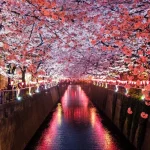
Spring in Hokkaido runs about four to six weeks behind the rest of Japan. While cherry blossoms peak in Tokyo in late March or early April, Sapporo’s famous Maruyama Park and Hokkaido University campus don’t hit peak sakura until late April — sometimes early May. That delay is actually useful: travelers who have already missed cherry blossoms in central Japan can extend their sakura season by heading north.

The catch is that early spring — March and much of April — is genuinely unpleasant in Hokkaido. Snow melts into slush, rural roads become muddy, ski resorts wind down and lose their magic, and the landscape looks exhausted before it turns green. This is the season locals call yuki-dome season informally: the in-between period when winter’s charm is gone but spring hasn’t arrived. Unless you’re specifically after late-season skiing on Niseko’s upper runs (which can remain open through April), arriving before late April means accepting some grim weather.
From late April through May, the transformation is dramatic. Hokkaido University’s campus in central Sapporo turns into a cathedral of white and pale pink cherry blossoms. Matsumae Castle in the island’s southwest — the only castle-town in Hokkaido — hosts a cherry blossom festival with over 10,000 trees. And the broader landscape greens up rapidly, making cycling routes in the Furano and Biei region become genuinely beautiful again.
May is arguably the most underrated month in Hokkaido. Crowds are lighter than summer, prices are lower than peak ski season or the August lavender period, and the weather is cool and clear — typically 10°C to 18°C during the day. It’s a practical sweet spot for travelers who want good conditions without competing with tour buses at every viewpoint.
Summer (June–August): Hokkaido’s Biggest Advantage Over the Rest of Japan
If you’ve ever spent a Tokyo July sweating through 35°C heat with 80% humidity, Hokkaido in summer feels like a different country. Sapporo averages around 22°C to 25°C in July and August. Rural areas like Biei and Furano are cooler still. There’s no tsuyu (rainy season) in Hokkaido — the island largely misses the seasonal front that drenches Honshu from June through mid-July. That makes Hokkaido the single most comfortable place in Japan to visit during summer.

The lavender fields of Furano are the headline draw, and they deserve the attention. Farm Tomita — the most photographed — peaks from mid-July to late July, with rows of purple stretching across gentle hills under a sky that, on a clear day, feels impossibly blue. The scent in the air as you walk between the rows is one of those sensory details that stays with you. But Furano’s lavender is no secret: the area fills quickly from mid-July, particularly on weekends. Arriving early morning — before 9:00 AM — makes a visible difference in crowd levels.
Summer is also prime road-trip season. The Hokkaido road network is exceptional: wide, well-maintained, and traversing landscapes that shift from volcanic highland plateaus in Daisetsuzan National Park to coastal cliff roads near Shakotan Peninsula. Renting a car in Sapporo and driving a circuit through Asahikawa, Furano, Biei, and back takes four to five days and covers some of the most cinematic driving in Asia. Car hire runs approximately ¥6,000–¥10,000 per day for a standard vehicle in 2026, with fuel costs on top.
August brings the Yosakoi Soran Festival’s energy to local communities and various outdoor music events to Sapporo. The city’s beer gardens — Sapporo Beer Garden in Higashi Ward being the most iconic — run all summer, serving massive platters of Genghis Khan lamb barbecue alongside cold Sapporo Classic draft beer.
Autumn (September–November): Foliage Timing, Harvest Season, and Real Quiet
Hokkaido’s autumn colour arrives earlier than anywhere else in Japan. The mountain areas of Daisetsuzan National Park — particularly around Sounkyo Gorge — begin turning from mid-September. By early October, the lower valleys and rolling farmland around Biei and Furano shift through amber, rust, and deep red. Hokkaido University’s gingko avenue in Sapporo typically peaks in late October or early November.

This staggered timing means autumn in Hokkaido spans roughly six weeks of genuinely good colour — considerably longer than most regions of Japan. Hikers who visit Daisetsuzan in late September find trails lined with red-gold foliage against a backdrop of already-snow-dusted peaks. The contrast is striking in a way that photos struggle to capture accurately.
Autumn is also harvest season for Hokkaido’s agricultural output, and the practical result is that food markets and farm stalls are at their best. The Jingu Morning Market in Sapporo and the Asahikawa Flea Market run through autumn. Hokkaido produces approximately 80% of Japan’s butter and a significant proportion of its dairy, and the fresh milk, corn, and root vegetables available at roadside stalls in autumn are notably different in quality from what you’ll find in supermarkets further south.
Tourism crowds drop sharply after the Obon holiday period in mid-August. September and October see fewer international visitors than summer or peak ski season, which translates to shorter queues, more available accommodation, and noticeably lower prices at most properties outside Sapporo. November is the greyest month — snow begins to fall but rarely stays, temperatures drop to 3°C to 8°C in most areas, and the landscape empties out. It’s a quiet month that suits solo travelers or those who want Hokkaido without any version of a crowd.
Hokkaido’s Major Festivals and Events Calendar by Season
- Sapporo Snow Festival (Yuki Matsuri) — Early February: Odori Park and Susukino district. Free entry to outdoor displays. One of Japan’s top winter events.
- Asahikawa Winter Festival — Mid-February: Features Japan’s largest ice sculpture, typically exceeding 30 metres in height. In Asahikawa, 90 minutes from Sapporo by train.
- Hokkaido Shrine Festival (Jingu Matsuri) — Mid-June: Sapporo’s largest spring festival, centred on Hokkaido Shrine with street food stalls and processions.
- Furano Lavender Festival — July: Events across Furano during peak lavender season, including open-air concerts and farm markets.
- Yosakoi Soran Festival — Early June: Sapporo’s most energetic street festival, featuring thousands of dancers performing the yosakoi-influenced soran style across multiple city venues.
- Sapporo Autumn Fest — September to October: Odori Park fills with food stalls representing Hokkaido’s agricultural regions. Regional ramen, seafood, dairy, and sake.
- Drift Ice Season, Shiretoko — Late January to Mid-March: Not a festival, but a timed natural phenomenon requiring advance booking for guided walks.

2026 Budget Reality: What Each Season Actually Costs
Hokkaido’s pricing varies significantly by season, and 2026 has seen further increases in accommodation across the board — particularly in Niseko and central Sapporo — as international demand has kept pace with Japan’s continued tourism growth following the yen’s partial recovery against major currencies.
Peak Winter (January–February): Ski Season Pricing
- Budget: Guesthouses and hostels in Kutchan or Sapporo from ¥4,500–¥7,000 per night. Add ¥7,500–¥9,500 for a daily lift pass.
- Mid-range: Hotel rooms in Niseko or Sapporo run ¥18,000–¥35,000 per night. Meals at resort restaurants average ¥1,500–¥3,500 per person.
- Comfortable/Premium: Ski-in/ski-out Niseko properties range from ¥50,000 to well over ¥100,000 per night in January. Budget ¥20,000–¥30,000 per day all-in for food, activities, and transport in addition to accommodation.
Summer (July–August): Lavender Peak
- Budget: Hostels in Sapporo from ¥3,000–¥5,500. Furano guesthouses from ¥6,000. A daily food budget of ¥2,000–¥3,500 is realistic eating at markets and ramen shops.
- Mid-range: Business hotels in Sapporo ¥12,000–¥22,000. Furano and Biei hotels ¥15,000–¥30,000 in peak July. Car hire adds ¥6,000–¥10,000 daily.
- Comfortable: Ryokan with meals in Niseko or Furano area run ¥35,000–¥60,000 per person including dinner and breakfast.
Shoulder Seasons (May, June, September, October): Best Value
- Budget: ¥3,000–¥5,000 per night accommodation across most areas. Daily expenses including food and local transport: ¥5,000–¥8,000.
- Mid-range: ¥10,000–¥18,000 for hotel rooms. A comfortable mid-range day budget of ¥15,000–¥22,000 covers transport, food, and entry fees.
- Comfortable: Ryokan from ¥25,000–¥45,000 per person with meals. Overall daily spend of ¥35,000–¥50,000 is realistic at this level.

Which Season Suits Which Type of Traveler
Hokkaido’s seasons are dramatic enough that choosing the wrong one for your interests genuinely diminishes the trip. Here’s a direct breakdown by travel style:
Skiers and Snowboarders
January and February are non-negotiable. The powder quality in Hokkaido — particularly in the Niseko zone and at Furano Resort — is the reason people fly from Australia, North America, and Europe specifically for this island. March can still offer good snow higher up, but conditions become less reliable and resort services start to thin out.
Families with Children
Late July and August offer the most accessible conditions: warm days, no extreme cold, clear roads, and family-friendly attractions across Sapporo including Hokkaido Zoo in Asahikawa (one of Japan’s best). The Sapporo Beer Garden is obviously adult-focused, but the broader summer calendar includes outdoor events and farm activities that work well for mixed-age groups.
Hikers and Nature Travelers
Late June through early October covers the full hiking window. Daisetsuzan National Park — Japan’s largest — is best accessed from late June when higher trails clear of snow through to late September when autumn colour peaks at elevation. The alpine flora in July and August, particularly around Asahidake, is genuinely rare.
Food-Focused Travelers
Autumn. September and October bring Hokkaido’s harvest season to full expression — fresh seafood at Hakodate morning market, corn season in Furano, and the Sapporo Autumn Fest where regional producers bring their best stock to Odori Park.
Budget Travelers
May and October offer the best combination of reasonable weather and lower prices. Neither month hits the extremes of winter cold or summer heat, accommodation is available without booking months ahead, and Sapporo’s permanent dining and entertainment infrastructure runs year-round at consistent prices.

Getting the Most from Hokkaido’s Shoulder Seasons
Hokkaido’s shoulder seasons — May and October in particular — are underused by international travelers who tend to cluster around the obvious peak periods. This is a genuine advantage for anyone willing to plan around them.
In May, Hokkaido’s national parks reopen fully after winter. The Shiretoko Peninsula, a UNESCO World Heritage Site in the island’s far east, becomes accessible from late April. Brown bear activity is high in May as the animals emerge and move toward rivers — guided nature tours from Utoro offer early morning wildlife viewing from vehicles or elevated observation points. Accommodation in Shiretoko in May runs roughly 30–40% cheaper than August equivalents.
October offers perhaps the best conditions of the year for driving Hokkaido. The summer road-trip crowd has gone, leaves are turning across the patchwork farmland of the central plain, temperatures are crisp but not yet dangerous (hovering around 8°C to 15°C in most areas), and the light quality in the Biei area — famous for its rolling hills and farm roads photographed on countless Japanese calendars — is at its best in the low autumn sun.
One practical note on October: the Shiretoko road (Route 334, the Shiretoko横断道路) closes for winter in late October, usually around the 25th. If visiting Shiretoko in October, plan accordingly and check the current closure date with the Hokkaido Road Information Centre before travelling.
Practical Tips for Each Season: Clothing, Bookings, and 2026 Updates
Clothing by Season
- Winter: Proper thermal base layers, insulated mid-layer, and a waterproof outer shell are essential — not optional. Ski areas require waterproof trousers and gloves. City walks in Sapporo require non-slip boots; pavements are icy and regularly gritted but still treacherous.
- Spring/Autumn: Layering is the only strategy that works. Morning and evening temperatures in May and October can be 8°C–10°C colder than midday. A packable down jacket and waterproof outer layer cover most situations.
- Summer: Lighter clothing than you’d need anywhere else in Japan. A light jacket for evenings and mountain areas. Insect repellent is useful in forested areas from July onward.

Booking Lead Times in 2026
The general rule across all seasons has shifted since 2024. Hokkaido’s continued rise as an international destination means popular properties fill faster than they used to. For summer lavender season (mid-July), book two to three months ahead. For shoulder seasons, six to eight weeks ahead is generally sufficient, though the best value ryokan in Furano and Biei book out earlier.
2026 Infrastructure Updates
The most significant ongoing project affecting Hokkaido travel is the Hokkaido Shinkansen extension. The line currently terminates at Shin-Hakodate-Hokuto in southern Hokkaido. The full extension to Sapporo remains under construction and is not expected to open before the early 2030s. In 2026, the fastest route from Tokyo to Sapporo remains the combination of Tohoku/Hokkaido Shinkansen to Shin-Hakodate-Hokuto, then limited express train to Sapporo — approximately four to five hours total. Flying from Tokyo Haneda or Narita to New Chitose Airport remains faster at approximately 90 minutes and is often competitively priced. The Japan Rail Pass covers the Shinkansen portion and the connecting express if you hold a valid pass, though pricing for the 2026 JR Pass has been updated — check the current rates before purchasing as the 2024 increases have been maintained.
New Chitose Airport completed its international terminal expansion in 2025, improving connections for travelers arriving directly from Seoul, Taipei, Hong Kong, and select European and North American cities. Direct flight options have expanded meaningfully since 2023.

Frequently Asked Questions
What is the best month to visit Hokkaido overall?
For most travelers, July or October offer the best balance. July delivers lavender fields, comfortable temperatures of around 22°C–25°C, and long daylight hours. October brings autumn foliage, harvest season food, fewer crowds, and noticeably lower prices than summer peak. Both months avoid Hokkaido’s most extreme weather conditions.
Is Hokkaido worth visiting in winter if you don’t ski?
Yes, but with realistic expectations. The Sapporo Snow Festival in February is one of Japan’s most impressive events. Drift ice experiences at Shiretoko and icebreaker cruises from Abashiri are genuinely unique. That said, non-skiers will find winter transport more difficult and rural attractions largely inaccessible. Sapporo itself is very manageable year-round.
How cold does Hokkaido get in winter, and how should I prepare?
Sapporo averages -4°C to -8°C in January and February, with wind chill pushing conditions lower. Rural mountain areas regularly reach -15°C to -20°C. Proper layered thermals, insulated waterproof outerwear, and non-slip boots are essential. Frostbite is a real risk in extreme cold if you’re underdressed for extended time outdoors.
Does Hokkaido have a rainy season like the rest of Japan?
No. Hokkaido largely misses Japan’s tsuyu rainy season that affects Honshu from June through mid-July. Hokkaido does get rain — particularly in September and early October — but nothing comparable to the sustained heavy rainfall of Honshu’s rainy season. This is a key reason summer in Hokkaido is considerably more pleasant than in Tokyo or Osaka.
What’s the cheapest time to visit Hokkaido?
Late May and early June, and again in October, offer the lowest prices across accommodation and activities. These shoulder periods see reduced international visitor numbers, with hotels and ryokan dropping rates significantly compared to ski season or August. Budget travelers can find comfortable guesthouses from ¥3,500–¥5,000 per night during these windows.
Explore more
Hokkaido Travel Guide for First-Timers: Essential Tips & Must-Knows
Exploring Central Sapporo: Odori Park, Sapporo Station & Must-See Sights
Where to Find the Best Miso Ramen in Sapporo, Hokkaido
📷 Featured image by Hendrik Morkel on Unsplash.