On this page
- Why Naha Deserves More Than a Layover
- Naha’s Best Neighborhoods and Their Character
- Top Attractions and Highlights
- Where to Eat and Drink
- Getting Around Naha
- Day Trips from Naha
- Nightlife and Entertainment
- Shopping
- Accommodation Areas by Budget Tier
- Best Time to Visit
- Practical Tips
- 2026 Budget Breakdown
- Frequently Asked Questions
💰 Click here to see Japan Budget Breakdown
💰 Prices updated: November, 2026. Budget figures are estimates — always verify before travel.
Exchange Rate: $1 USD = ¥157.56
Daily Budget (per person)
Shoestring: ¥7,000 – ¥12,000 ($44.43 – $76.16)
Mid-range: ¥15,000 – ¥25,000 ($95.20 – $158.67)
Comfortable: ¥30,000 – ¥75,000 ($190.40 – $476.01)
Accommodation (per night)
Hostel/guesthouse: ¥2,500 – ¥7,750 ($15.87 – $49.19)
Mid-range hotel: ¥5,000 – ¥18,500 ($31.73 – $117.42)
Food (per meal)
Budget meal: ¥800.00 ($5.08)
Mid-range meal: ¥2,500.00 ($15.87)
Upscale meal: ¥10,000.00 ($63.47)
Transport
Single metro/bus trip: ¥250.00 ($1.59)
Monthly transport pass: ¥53,000.00 ($336.38)
Most travelers land at Naha Airport, grab a rental car, and drive straight to a beach resort in the north. In 2026 that habit costs more than ever. Rental car prices have climbed, and the most famous sight, Shuri Castle, is still being rebuilt after the 2019 fire. That leaves many visitors wondering whether Naha is worth a stop at all. It is. Okinawa‘s capital packs a royal Ryukyuan heritage, a lively market district, and some of Japan’s best after-dark eating into a city you can cover with a monorail and a good pair of sandals.
Why Naha Deserves More Than a Layover
Naha does not feel like Tokyo or Kyoto, and that is the point. Until 1879 this was the capital of the Ryukyu Kingdom, an independent trading state with its own language, court, and architecture. You can still see it in the red-tiled roofs, the stone shisa lion-dogs guarding rooftops, and the way locals say “mensore” instead of “irasshaimase” when you walk into a shop.
The pace is slower. The air is warm and salty, and the light is sharper than on the mainland. Sit on a bench in the covered arcades near Makishi at 4 p.m. and you will hear the twang of a sanshin, the three-stringed Okinawan instrument, drifting out of a shop doorway. Naha is a city of about 320,000 people, but it feels like a big, friendly island town.
Two nights is the minimum. Three or four lets you see the castle district, eat well, and take a ferry to the Kerama Islands without rushing.
Naha’s Best Neighborhoods and Their Character
Makishi and Kokusai-dori
This is the heart of the city. Kokusai-dori is a 1.6 km main street lined with souvenir shops, bars, and cafés. The covered shotengai (shopping arcades) branching off it hold the real local life. It suits first-timers and anyone who wants to walk everywhere.
Asahibashi and Kenchomae
Both are next to the main Yui Rail stations and the Naha Bus Terminal. They are practical, slightly quieter, and full of business hotels. They suit travelers planning many bus-based day trips.
Tsuboya
A small pottery district of narrow stone-paved lanes, kilns, and workshops. It is calm and photogenic, and good for a half-day wander.
Shuri
This hilltop district was the old royal seat. It has moss-covered stone walls, old residences, and sweeping views down to the sea. It is a good base for early-morning visits to the castle grounds, but evenings are quiet.

Omoromachi
Naha’s new town, built on former US military housing land. It has big malls, museums, and a duty-free shopping complex. It suits families and shoppers who like modern convenience.
Tomari and Naminoue
Tomari is the ferry port district, with a morning fish market and an easygoing harbor feel. Naminoue sits on a coastal bluff near the Kume area, with a shrine, a small city beach, and the old Chinese settlement lanes. Both suit travelers heading to the islands or wanting a more local atmosphere.
Top Attractions and Highlights
Shuri Castle Park
The main hall, Seiden, burned down in October 2019. Reconstruction has been in progress ever since, with completion targeted for autumn 2026. Even so, the park is open. You can walk through the restored gates, see the stone ramparts, and watch craftspeople at work from designated viewing areas. Entry to the paid area is around 400 yen. Because progress changes, check the castle’s official page for what is open on your travel dates.
Go early. At 8 a.m. the vermilion walls glow against the limestone, and the tour groups have not arrived yet. The air smells faintly of cut cypress and damp stone.
Tamaudun and Sunuhyan-utaki
Tamaudun is the royal mausoleum of the Ryukyu kings, built from coral limestone (about 310 yen). Nearby, Sunuhyan-utaki is a sacred grove where kings once prayed. Both are UNESCO-listed under the Gusuku Sites of the Kingdom of Ryukyu. Be quiet and respectful, because Sunuhyan-utaki is still a place of worship.
Shikinaen Garden
This royal garden, built in 1799, is a stroll-style Ryukyuan landscape with a pond, a red-tiled villa, and Chinese-influenced stone bridges. Entry is about 400 yen. It is a calm stop after the castle.
Tsuboya Yachimun Street
Yachimun means “pottery” in Okinawan. Dozens of shops sell glazed bowls, sake cups, and hefty shisa statues. Look for the climbing kiln near the Tsuboya Pottery Museum, and try a short hands-on workshop if you like making things.
Naminoue Shrine
The shrine sits on a cliff over the sea, a short walk from Asahibashi. The setting is the draw: a bright red building with the ocean wind blowing through, and an unusual view of a highway bridge and a busy bay behind it.
Okinawa Prefectural Museum and Art Museum
In Omoromachi, it covers natural history, Ryukyu Kingdom artifacts, and the Battle of Okinawa in clear English. It is worth two hours, especially on a rainy day. General exhibits cost around 530 yen.

Former Japanese Navy Underground Headquarters
A short bus ride south, in Tomigusuku, this tunnel complex was a command post in 1945. Walking its narrow passages is sobering. Entry is around 600 yen, and the museum explains the context well.
Where to Eat and Drink
Naha’s food scene is about places, not famous dishes. Here is where to go.
Makishi Public Market
The rebuilt market reopened in 2023 after a long renovation. On the ground floor, vendors display bright tropical fish, trays of pork, and heaps of seaweed on ice. Pick your fish, pay at the stall, then carry it upstairs, where small restaurants cook it for a fee, usually 500 to 800 yen per item. The air is cold and briny downstairs, and warm with frying oil upstairs. It is loud, bright, and the best single food stop in the city.
Shotengai arcades
Heiwa-dori and Ichiba Hon-dori are covered shopping streets that feel like old Okinawa. You will find tiny lunch counters, bakeries, fruit stands, and shops selling dried goods. Come at lunch, when local office workers fill the set-meal counters. Meals run 700 to 1,200 yen.
Sakaemachi Ichiba
This is Naha’s closest thing to a yokocho, a maze of narrow lanes with tiny bars and izakaya. It is mostly local and unfussy. After about 6 p.m. the alleys fill with the clatter of glasses and smoke from grills. Most places seat 6 to 12 people.
Tomari Iyumachi
The fish market near Tomari Port is a morning stop for fresh seafood, sashimi sets, and rice bowls at prices lower than tourist areas. Go before 11 a.m. for the best choices.
Depachika and supermarkets
Naha’s depachika scene is modest compared with Osaka or Tokyo. The basement food floor at Palette Kumoji near Kokusai-dori and the large San-A supermarket in Omoromachi are useful for bento boxes, Okinawan sweets, and local snacks to take on a ferry or beach day.
Cafés and Ukishima-dori
The Ukishima-dori area, just off Kokusai-dori, has stylish cafés in old buildings, good for slow afternoons. Yachimun Street in Tsuboya also has cafés serving drinks in locally made cups.
Naha has few true yatai street stalls like Fukuoka’s. Rely on the market, shotengai, and izakaya lanes instead.

Getting Around Naha
The Japan Rail Pass is useless here, because Okinawa has no JR lines. Naha runs on a different system.
Yui Rail (Okinawa Monorail)
This single elevated line runs 17 stations from Naha Airport to Tedako-Uranishi, with the 2019 extension adding the Shuri side. The ride from the airport to Kenchomae or Makishi takes about 12 to 15 minutes. Fares run roughly 150 to 390 yen. A 24-hour pass costs about 800 yen and pays off if you ride three or more times. The trains are clean and cool, with a view over rooftops and sea.
IC cards
Okinawa has its own IC card, OKICA. Major national cards like Suica and Pasmo are accepted on the monorail, and acceptance on local buses has been expanding. Do not rely on it; keep some coins and check before boarding.
Buses
Naha Bus Terminal near Asahibashi is the hub for buses to the south and north. Central city fares are low, around 240 yen. Routes can be confusing, so use Google Maps and have the bus number ready. Expressway buses reach Churaumi Aquarium in about two hours.
Taxis
Meters start around 600 yen. A ride between Kokusai-dori and Shuri is roughly 1,500 to 2,000 yen. Handy late at night when the monorail stops.
Rental cars
You do not need one in Naha itself. Parking is tight and expensive. For day trips north, consider renting for just one day. Prices in 2026 range from about 6,000 to 10,000 yen per day, and summer and holiday dates sell out early. You need an International Driving Permit under the 1949 Geneva Convention, plus your home licence.
Cycling and walking
Central Naha is flat and walkable. Shuri is hilly, so use the monorail to the top and walk down. Cycling is possible, but traffic and heat make it less pleasant than walking.
Day Trips from Naha
Kerama Islands (Zamami or Tokashiki)
Ferries leave from Tomari Port. The fast boat takes about 50 minutes to Tokashiki or Zamami, and one-way fares are roughly 3,000 to 4,000 yen. The water is some of the clearest in Japan, with a blue that looks edited. Book ahead in July and August. Allow a full day, and check sea conditions because boats are cancelled in rough weather.

Churaumi Aquarium and Motobu Peninsula
About two hours north by expressway bus or car. The aquarium’s whale shark tank is the big draw, with entry around 2,200 yen. Combine with Bise Fukugi tree road for a half-day of shade and sea views. Allow a full day.
Southern Okinawa
A strong half-day or full-day loop by bus or rental car. Visit the Okinawa Peace Memorial Park in Itoman, Gyokusendo Cave in Nanjo, and Sefa-utaki, a sacred site. Allow 6 to 8 hours. It is the heavier, more reflective side of the island, and well worth it.
Central castle ruins: Zakimi and Nakagusuku
These UNESCO-listed castle ruins are in the central part of the island, about 40 to 60 minutes by car. Their curved limestone walls feel more raw than Shuri, and the sea views from Zakimi are excellent. A car or taxi makes this much easier than buses.
American Village in Chatan
A colorful seaside entertainment area with a Ferris wheel, shops, and sunset views. It takes about 50 to 70 minutes by bus. It is more of an evening trip than a sightseeing one, so go for the sunset and stay for dinner.
Nightlife and Entertainment
Naha’s nightlife is warm and informal. Don’t expect Tokyo’s neon intensity.
Makishi and Kokusai-dori back lanes: A dense mix of izakaya, awamori bars, and small live music rooms. Awamori, the local distilled spirit, is usually served on ice or mixed with water. Try a few kinds, since age and style vary widely.
Sanshin live houses: Several minyo bars around Makishi feature live Okinawan folk music, often with audience participation. Look for the sanshin painted on the sign. Expect a music charge of 500 to 1,500 yen plus drinks.
Sakaemachi: Quiet, atmospheric, and best for drinking in small bars with locals. Few places have English menus, but pointing and smiling works.
Matsuyama: The city’s largest entertainment district, with many hostess clubs and bars. Tourists can have a good time, but be careful of touts promising cheap prices. Check prices before you sit down.
Rooftop bars: A handful of hotels near Kokusai-dori and Asahibashi have rooftop bars with views over the city and sea. Expect drinks at 800 to 1,500 yen.
Shopping
Kokusai-dori: Souvenir shops, the multi-floor Don Quijote discount store, and local brands. Prices are tourist-level, but it is convenient.
Heiwa-dori and Ichiba Hon-dori: Better for local goods. Look for hand-woven textiles, dried seafood, and small craft stores. Prices are friendlier.

Tsuboya: The place for ceramics. Plates and cups run from 1,000 yen to several thousand yen, and a good shisa pair costs 3,000 to 15,000 yen depending on size and craftsmanship.
Ukishima-dori: Boutique shops, vintage clothing, and design-focused stores in a relaxed area just off the main drag.
Omoromachi: Home to DFS (T Galleria Okinawa), a large duty-free complex, and the San-A Naha Main Place mall. Go here for cosmetics, electronics, and big brands.
What to buy: Awamori, beni-imo (purple sweet potato) sweets, bingata dyed fabric, Ryukyu glass, and Tsuboya pottery.
2026 tax change: Japan is moving tourist tax-free shopping from point-of-sale exemption to a refund system, scheduled from November 2026. If you travel after that date, you may pay tax at the register and claim it back at the airport or a designated counter. Keep your passport and receipts handy.
Accommodation Areas by Budget Tier
Budget (about 3,000 to 8,000 yen per night)
Guesthouses and hostels cluster around Makishi, Asahibashi, and Kokusai-dori. Dorm beds start around 3,000 yen. Simple business hotels with small rooms are about 6,000 to 8,000 yen in the off-season.
Mid-range (about 10,000 to 25,000 yen per night)
Most of the choice is here. Business hotels with larger rooms, boutique hotels, and mid-size chains are common near Kenchomae and Omoromachi. Rates climb sharply in summer and Golden Week, so book early.
Luxury (about 30,000 to 60,000+ yen per night)
High-end hotels with sea views, pools, and spas sit mostly along Naha’s waterfront and Naha Port area. Many resort hotels are outside the city, near Onna and Chatan. For a city stay, choose a harbor-view room close to the monorail.
Rates in Naha have risen since 2024 because of strong demand and higher costs. For travel in 2026, book three to four months ahead for peak periods.
Best Time to Visit
March to May: Warm, around 20 to 26 °C, with fewer crowds. Early May brings the Naha Hari dragon boat races at Naha Port during Golden Week, which is exciting but busy.
Late May to June: Rainy season. Expect humidity and frequent showers, but also lower prices and fewer tourists. It usually ends around mid to late June.
July to September: Hot, 30 to 33 °C, with strong sun. Perfect for beach days in the islands, and the best time for sea clarity. This is also typhoon season, which peaks in August and September. Keep flexible plans and travel insurance.
October to November: Comfortable again, around 24 to 28 °C. In October the Naha Great Tug-of-War draws huge crowds to Route 58 with an enormous rope, and in early November the Shuri Castle Festival brings costumed parades. This is a great time for culture-focused trips.

December to February: Cool and mild, around 15 to 20 °C. Too chilly for most swimming but great for sightseeing, and the Naha Marathon in December brings a lively atmosphere.
Practical Tips
- Safety: Naha is very safe. Use normal care at night around Matsuyama.
- Tipping: Not expected anywhere, including restaurants, taxis, and hotels.
- Language: Standard Japanese is understood everywhere. English is limited outside tourist spots, so a translation app helps. Learn “nifee deebiru” (thank you in Okinawan) for smiles.
- SIM and eSIM: eSIMs are easy to set up before you land. Airport counters also sell physical SIMs. Coverage in Naha is excellent.
- Tap water: Safe to drink.
- Sun: UV is strong even in spring and autumn. Bring sunscreen, a hat, and a refillable bottle.
- Cash: Cards work in most hotels and big shops, but small eateries, markets, and some izakaya still prefer cash.
- Etiquette: Be quiet at sacred sites like Sunuhyan-utaki, remove shoes where indicated, and do not touch ruins or climb walls.
- Departure tax: Japan’s international departure tax is scheduled to rise from 1,000 to 3,000 yen from July 2026. It is normally included in airfares.
- Getting here: Flights from Tokyo Haneda take about three hours, and from Osaka about two hours. Low-cost carriers sell one-way tickets from roughly 8,000 to 20,000 yen depending on season.
2026 Budget Breakdown
These are daily estimates per person, excluding flights.
Budget: about 7,000 to 11,000 yen per day
- Dorm bed or basic guesthouse: 3,000 to 5,000 yen
- Food (market lunch, shotengai meals, convenience store breakfast): 2,500 to 3,500 yen
- Transport (monorail day pass or a few bus rides): 500 to 800 yen
- Sights: 500 to 1,000 yen
Mid-range: about 18,000 to 30,000 yen per day
- Business or boutique hotel: 10,000 to 18,000 yen
- Food (café lunch, izakaya dinner with drinks): 5,000 to 8,000 yen
- Transport (monorail, taxis, occasional bus): 1,000 to 2,500 yen
- Sights and activities: 1,000 to 3,000 yen
Comfortable: about 40,000 to 70,000+ yen per day
- Upscale waterfront hotel: 25,000 to 45,000 yen
- Food (high-end dinners, rooftop drinks): 10,000 to 18,000 yen
- Transport (private cars, rental, ferry upgrades): 3,000 to 8,000 yen
- Tours and experiences: 3,000 to 10,000 yen
Add roughly 3,000 to 4,000 yen each way for a Kerama Islands ferry, and about 2,200 yen for the Churaumi Aquarium.
Frequently Asked Questions
How many days do you need in Naha?
Two to three days is enough to see Shuri Castle Park, Tsuboya, Makishi Market, and Kokusai-dori. Add one more day for a Kerama Islands trip or Southern Okinawa, and a fifth if you want to visit Churaumi Aquarium without rushing.

Is Shuri Castle open to visit in 2026?
Yes, the park is open, though the main hall is still being rebuilt after the 2019 fire. Completion is targeted for autumn 2026. You can walk the grounds, see restored gates, and watch reconstruction from viewing areas. Check the official site for current access before you go.
Do you need a car in Naha?
No. The Yui Rail, buses, taxis, and walking cover nearly all city sights. A car is only useful for day trips to the north or central castles. Many travelers rent for one day only, since parking in Naha is expensive and limited.
What is the best area to stay in Naha?
For first-time visitors, the Makishi and Kokusai-dori area is best. It is walkable, close to food, and near the monorail. Omoromachi suits families and shoppers, while Shuri is good for quiet, early castle visits. Tomari works well if you are catching morning ferries.
Can you swim near Naha?
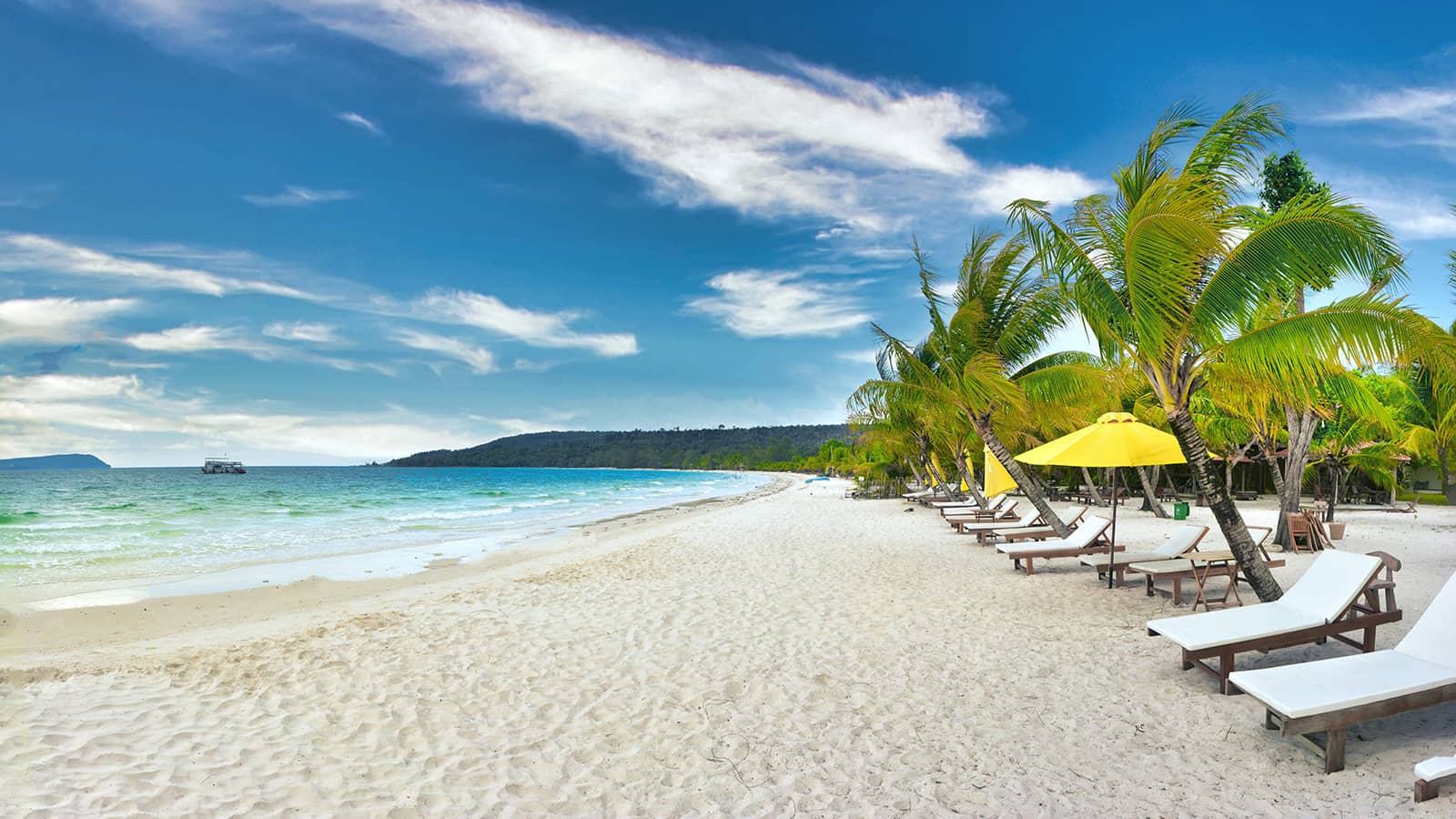
Naminoue Beach is a small urban beach and is fine for a quick dip, but it is not Okinawa’s best. For clear water and white sand, take a ferry to the Kerama Islands or travel to beaches on the west coast. Swimming season is typically April to October.
📷 Featured image by Tim Schmidbauer on Unsplash.