On this page
- Okinawa’s Island Personality
- Best Neighborhoods and Islands to Base Yourself
- Top Attractions and Highlights
- Where to Eat and Drink in Okinawa
- Getting Around Okinawa
- Day Trips Worth Planning
- Nightlife and Evening Entertainment
- Shopping in Okinawa
- Where to Stay in Okinawa
- Best Time to Visit Okinawa
- Practical Tips for 2026
- Budget Breakdown for Okinawa in 2026
- Frequently Asked Questions
💰 Click here to see Japan Budget Breakdown
💰 Prices updated: October, 2026. Budget figures are estimates — always verify before travel.
Exchange Rate: $1 USD = ¥157.00
Daily Budget (per person)
Shoestring: ¥8,000 – ¥15,000 ($50.96 – $95.54)
Mid-range: ¥18,000 – ¥35,000 ($114.65 – $222.93)
Comfortable: ¥45,000 – ¥80,000 ($286.62 – $509.55)
Accommodation (per night)
Hostel/guesthouse: ¥2,500 – ¥6,000 ($15.92 – $38.22)
Mid-range hotel: ¥10,000 – ¥20,000 ($63.69 – $127.39)
Food (per meal)
Budget meal: ¥800.00 ($5.10)
Mid-range meal: ¥2,500.00 ($15.92)
Upscale meal: ¥20,000.00 ($127.39)
Transport
Single metro/bus trip: ¥250.00 ($1.59)
Monthly transport pass: ¥30,000.00 ($191.08)
Okinawa has a problem with its own popularity. Since Japan‘s inbound tourism hit record highs in 2025 and carried that momentum into 2026, the main island’s beaches near Naha and Chatan fill fast on summer weekends, beachside parking becomes a genuine ordeal, and budget accommodation books out months ahead. The good news: Okinawa is an archipelago of 160 islands, and most travelers only scratch the surface of the first one. This guide is built to help you plan smarter — covering everything from the congested main island’s hidden corners to the quieter outer islands that reward anyone willing to take a ferry or a short domestic flight.
Okinawa’s Island Personality
Mainland Japan is often described as efficient, structured, and quietly intense. Okinawa is something else entirely. The pace here genuinely slows down. Locals use the term uchi-naa-nchu to describe themselves — not just “Okinawan” but members of a culture that spent centuries as the independent Ryukyu Kingdom before becoming part of Japan in 1879. That history is everywhere: in the red-tiled rooftops, the sanshin music drifting from open doorways at dusk, the bitter-sweet taste of Awamori liquor, and the way older residents still speak Uchinaguchi, the local Ryukyuan language, alongside Japanese.
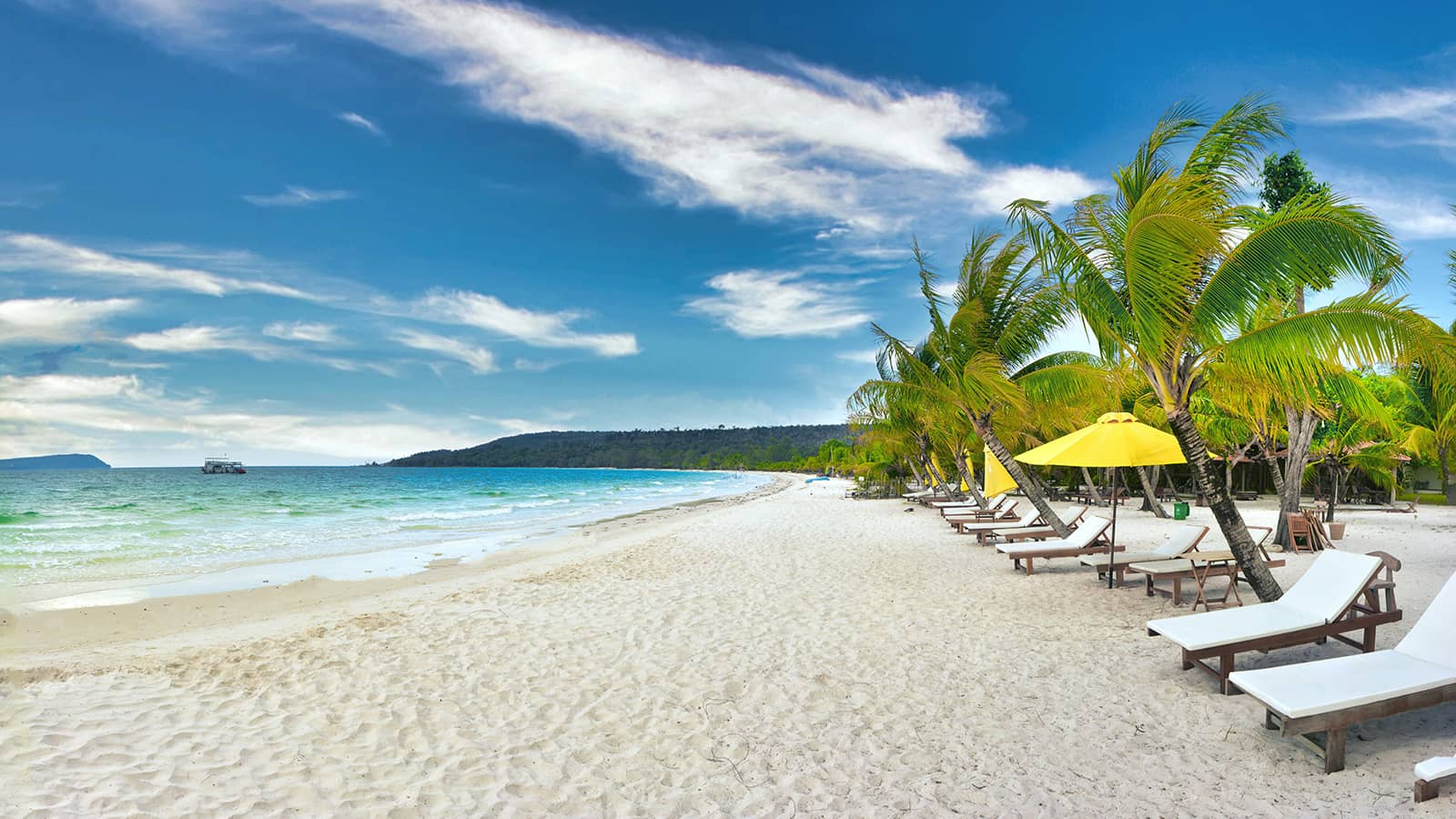
The landscape is tropical — genuinely so, not in the theme-park sense. Coral reefs ring the islands, the water shifts from turquoise to deep navy depending on depth, and the air carries salt and hibiscus even in the city. Naha, the capital, is a proper urban center with good restaurants, nightlife, and a functioning metro. But drive 45 minutes north and you’re on empty roads lined with sugarcane fields, looking out at seas that belong on a postcard. Okinawa works for beach-focused travelers, culture seekers, divers, foodies, and families — often simultaneously.
Best Neighborhoods and Islands to Base Yourself
Naha
The capital is the obvious entry point — Naha Airport connects to mainland Japan and internationally, and the Yui Rail monorail puts you within reach of Shuri Castle and Kokusai-dori within minutes of landing. Naha suits travelers who want nightlife, restaurants, and cultural depth. The Makishi and Tsuboya neighborhoods have genuine local character. It’s also the most affordable base on the main island.

Chatan (American Village area)
About 20 kilometres north of Naha, Chatan has a fascinatingly hybrid personality — a legacy of the nearby US military presence. The beachfront Mihama American Village area is full of independent clothing stores, café-bars, and a Ferris wheel that glows at night. The beach here, Araha Beach, is free and well-maintained. Chatan suits younger travelers and anyone who wants beach access without the full resort price tag.
Onna-son Resort Coast
The stretch of coast from Onna village up toward the Motobu Peninsula is where Okinawa’s biggest resort hotels concentrate. This is where you’ll find properties like Halekulani Okinawa and ANA InterContinental. The snorkeling is excellent, access to Churaumi Aquarium is easy, and the pace is slower than Naha. It suits couples, honeymooners, and families who prioritize beach quality over city access.
Ishigaki Island
A 55-minute flight from Naha, Ishigaki is the gateway to the Yaeyama Islands — one of Japan’s most spectacular coral reef systems. The town is small but has good food and accommodation. Base here for access to Taketomi Island (a 15-minute ferry) and Iriomote Island (45 minutes), where jungle rivers and mangroves dominate. Ishigaki suits divers, snorkelers, and travelers who want genuine remoteness.
Miyako-jima
A 45-minute flight from Naha, Miyako-jima is famous for having some of Japan’s clearest water — visibility of 40 metres or more underwater is common. The island is flat, easy to cycle, and less crowded than Ishigaki. Yonaha Maehama Beach, a long stretch of white sand on the southwest coast, consistently ranks among Japan’s best beaches.

Top Attractions and Highlights
Shuri Castle
The iconic seat of the Ryukyu Kingdom burned down dramatically in 2019 and reconstruction has been ongoing since. By 2026, the main Seiden hall is open to the public again — still partially scaffolded in some sections, but the vermilion lacquerwork and golden throne room are restored and genuinely striking. The approach through layered stone gates, each one a different architectural era, rewards slow walking. Go before 9:00 to avoid tour groups.
Churaumi Aquarium
One of the world’s largest aquariums, housed inside Ocean Expo Park on the Motobu Peninsula. The Kuroshio Sea tank — 7,500 cubic metres of water — holds whale sharks and manta rays that glide past a floor-to-ceiling acrylic panel. Standing in front of it as a whale shark passes overhead, the water above you casting rippled light on the floor, is one of those genuinely disorienting moments of scale. Admission in 2026 is ¥2,180 for adults. Book tickets online to skip the queue.
Kerama Islands
The Kerama Shoto, a cluster of islands about 35 kilometres west of Naha, contains some of the most pristine coral reefs in East Asia. Zamami Island and Tokashiki Island are the most accessible by ferry from Naha’s Tomarin port. The water clarity — locals call it “Kerama Blue” — is a phenomenon. You’ll understand the phrase the moment the ferry enters the lagoon and the water changes color beneath the hull.
Cape Manzamo
A short drive from the Onna-son resort strip, this clifftop headland juts over the East China Sea with an eroded rock formation that Okinawans traditionally compared to a elephant’s trunk. It’s crowded at sunset, quiet at 8:00 in the morning. The walking path along the cliff edge takes about 20 minutes and the view is genuinely oceanic — no land visible to the west, just blue horizon.

Kouri Island
Connected to the main island by a 2-kilometre bridge that frames the sea view beautifully, Kouri Island is popular with Okinawan couples and day-trippers. The beaches here, including Kouri Beach near the bridge, are clean and less crowded than the resort coast. The island is small enough to drive around in 20 minutes.
Where to Eat and Drink in Okinawa
Makishi Public Market, Naha
The rebuilt Makishi Public Market reopened in 2023 and by 2026 is fully operational as a two-floor food complex. The ground floor is a wet market — look for bright pink mozuku seaweed, whole sea snakes, and the purple-hued sweet potato (beni-imo) that shows up in everything. Buy raw fish on the ground floor and restaurants upstairs will cook it for you for a small fee. Go around 11:00 when the market is busy but not yet slammed with lunch crowds.
Kokusai-dori Food Stalls
The main tourist drag in Naha has a reputation for being kitsch, and parts of it are. But the side alleys — especially Heiwa-dori shotengai arcade running south from the main street — house butcher shops, soki soba counters, and small taco rice spots that cater to locals. The smell of dashi and rendered pork fat is overwhelming in the best possible way when you walk into the covered arcade from the midday heat.
Chatan American Village Dining
The American Village area around Mihama has a density of independent restaurants that reflects its mixed cultural heritage — Okinawan-American fusion is genuinely a thing here, not a marketing gimmick. Look for taco rice (a local invention: seasoned ground beef, lettuce, cheese, and salsa on white rice), steak houses that compete with anything in mainland Japan, and café-bars with rooftop ocean views.
Ryubo Department Store Depachika, Naha

The basement food hall at Ryubo on Kokusai-dori stocks Okinawan regional products that are hard to find outside the prefecture — aged Awamori from small distilleries, beni-imo tarts by the box, Orion beer gift sets, and a rotating selection of prepared Okinawan dishes including rafute (braised pork belly) and goya champuru ready to eat. It’s a practical stop for gifts and a good lunch.
Yatai Mura, Naha
A small collection of yatai-style stalls near Matsuyama, Naha’s entertainment district. Most open from 18:00. Order Orion draft beer in a frosted mug, grilled pig’s ear cartilage (mimigaa) skewers, and whatever the counter chef recommends. The atmosphere is loud and communal in the way that only small open-front stalls can be.
Getting Around Okinawa
Rental Car — The Default Option
Okinawa outside Naha essentially requires a car. The bus network exists but runs infrequently outside the main north-south highway corridor, and most beaches, viewpoints, and attractions are not walkable from any bus stop. Rent at Naha Airport — most major Japanese car rental chains have counters in the arrivals hall. In 2026, expect to pay ¥5,000–¥9,000 per day for a compact car, depending on the season. Book well ahead for July and August.
Yui Rail Monorail
Naha’s monorail runs from the airport through the city center to Shuri, with 19 stations. A single journey costs ¥230–¥370 depending on distance. Day passes (¥900) and multi-day passes are available and loaded onto an IC card. The Yui Rail now accepts Suica and Pasmo IC cards as of 2025 — a long-overdue upgrade that removes the need to buy separate tickets for Naha’s rail system.
IC Cards
Suica and Pasmo work on the Yui Rail and on most buses on the main island in 2026. Load them at the airport or at convenience store terminals. For the outer islands (Ishigaki, Miyako), IC card coverage is more limited — carry cash for local buses and taxis there.

Ferries Between Islands
Ferries from Naha’s Tomarin port (for Kerama Islands) and Naha New Port (for longer routes) connect the main island to most of the smaller islands. Zamami Island ferries run multiple times daily (¥3,140 one way on the high-speed ferry, approximately 50 minutes). Book ahead for the Okinawa Ferry network during Golden Week and summer. For Ishigaki and Miyako, flying is faster and often comparable in price.
Day Trips Worth Planning
Zamami Island (Kerama)
Take the first high-speed ferry from Tomarin port (departure around 9:00, 50 minutes). Rent a bicycle on arrival and reach Furuzamami Beach in 10 minutes. The beach faces a bay with snorkeling directly off the sand — no boat required. Return on the late afternoon ferry. A full and satisfying day with almost no planning complexity.
Kouri Island and the Nakijin Castle Ruins
Drive north from Naha (about 90 minutes), cross the Kouri Bridge for the views, spend the morning on the beach, then backtrack slightly to Nakijin Castle. The UNESCO-listed ruins sit on a hill with panoramic sea views and require about 45 minutes to explore properly. The combination of beach and castle makes this one of the main island’s best full-day drives.
Cape Hedo
The northernmost point of the main island, about 2 hours from Naha. The cape itself is dramatic — cliffs dropping into the ocean where the Pacific and East China Sea meet. The drive through the Yanbaru forest (a UNESCO natural heritage site since 2021) is worthwhile on its own. Watch for Okinawa rail birds, a flightless species endemic to the Yanbaru forest.
Miyako-jima
A 45-minute flight from Naha (from ¥5,000–¥15,000 return depending on booking timing). Rent a car at Miyako Airport and reach Yonaha Maehama Beach in 15 minutes. The water here is absurdly clear. Stay for one night to see the island properly, or make it a packed day trip if flights work out.

Taketomi Island (from Ishigaki)
15-minute ferry from Ishigaki port. A tiny island of 350 residents where traditional Ryukyuan houses with red-tiled roofs and shisa guardian lion-dogs at every gate have been preserved intact. Rent a bicycle (¥500–¥800 per hour) and circle the entire island in 45 minutes. Genuinely unlike anywhere else in Japan.
Nightlife and Evening Entertainment
Matsuyama, Naha
Naha’s main entertainment district is a dense block of bars, karaoke boxes, and clubs near the center of the city. It’s lively from 20:00 until well past midnight, and the mix of locals, off-duty military personnel from nearby bases, and tourists gives it a more international energy than most Japanese bar districts. Izakayas here are solid — order the house Awamori and ask for it on the rocks with a water chaser.
Live Sanshin Music
The sanshin is Okinawa’s three-stringed instrument, the ancestor of the mainland Japanese shamisen, and live performances are common in Naha’s bar and restaurant district. Several izakayas in the streets around Kokusai-dori host live sanshin nights multiple times per week — no cover charge, just order drinks. The sound is closer to Southeast Asian folk music than anything you’ll hear in Tokyo, and the performers are often genuinely accomplished musicians.
Chatan Beachfront Bars
The American Village area has rooftop bars and beachside terraces that operate into the early hours. The Ferris wheel is lit up after dark, Araha Beach has ambient lighting on weekends, and the bar density around the Depot Island shopping complex provides plenty of options. This area skews younger and more casual than Naha’s Matsuyama district.
Rooftop Bars in Naha
Several hotels in central Naha have opened rooftop bar spaces between 2024 and 2026 to capitalize on the city view demand. The rooftop at the Daiwa Roynet Hotel Naha-Kokusaidori and several boutique properties in the Makishi area offer Awamori cocktails with views across the city toward the East China Sea at dusk. No reservations typically required — walk up before 19:00 to guarantee a good seat.

Shopping in Okinawa
Kokusai-dori and Heiwa-dori
The main tourist street is predictable but functional for gifts — beni-imo sweets, Orion beer merchandise, Ryukyuan glassware (a craft tradition using recycled glass, producing pieces in aqua and sea-green tones), and shisa figurines in every size. Heiwa-dori, the covered shotengai arcade off the main drag, has more authentic craft shops and cheaper prices on the same items.
Tsuboya Pottery District
A 10-minute walk from Kokusai-dori, Tsuboya is Naha’s traditional pottery neighborhood. The Yachimun-dori (pottery street) is lined with kilns and studios selling the chunky, earth-toned Okinawan ceramics that have been made here for 300 years. Prices range from ¥800 for a small cup to ¥15,000+ for large decorative pieces. This is the place to buy something genuinely made in Okinawa.
American Village, Chatan
The Depot Island complex and surrounding streets in American Village stock a mix of US vintage clothing, independent Japanese streetwear labels, and surf gear. If you’re looking for something other than the typical souvenir shop merchandise, this is where to browse. Several stores here carry Okinawan brands that don’t have Naha retail presence.
Naha Craft Markets
Weekend markets in Naha — including the regular market at Heiwa-dori and occasional craft fairs at Shuri — sell handmade Ryukyuan textiles including bingata (stencil-dyed fabric in bold tropical patterns) and minsa woven bands. Bingata scarves start around ¥3,000–¥5,000 for smaller pieces; full fabric lengths run ¥30,000 and up.
Where to Stay in Okinawa
Budget: Naha City Center
Naha has the strongest concentration of budget accommodation — guesthouses, hostels, and business hotels in the ¥3,500–¥8,000 per night range for a private room. The area around Makishi monorail station and the streets south of Kokusai-dori have multiple options within walking distance of the market and nightlife. Staying here means you need a car only for day trips, reducing your overall costs significantly.

Mid-Range: Chatan and Northern Naha
Mid-range travelers find good value in Chatan — hotels with pools, beachfront access, and contemporary rooms in the ¥12,000–¥22,000 per night range. Properties here are newer than much of Naha’s stock and often include breakfast. The trade-off is that you need a car for everything, and the area has less walkable evening entertainment than Naha proper.
Comfortable/Luxury: Onna-son Resort Coast
The resort coast from Onna village north toward Motobu is where Okinawa’s premium hotel market concentrates. Expect ¥35,000–¥120,000+ per night at properties like Halekulani Okinawa, Rizzan Sea-Park Hotel, and the ANA InterContinental Manza Beach Resort. These properties have private beach access, multiple pools, and full resort facilities. Book 3–4 months ahead for summer stays.
Best Time to Visit Okinawa
Okinawa’s calendar breaks into distinct windows, and picking the wrong one can seriously affect your experience.
- March–May (Shoulder, Recommended): Water temperatures reach 23–25°C by May — warm enough for swimming. Crowds are lighter than summer, prices are lower, and the rainy season (tsuyu) typically doesn’t arrive until late May or June. Cherry blossoms in Okinawa bloom in late January to February, significantly earlier than mainland Japan.
- June–July (Rainy then Peak): June is rainy season — expect grey skies and humid heat. By late June the rain clears and the beach season begins in earnest. July is peak season: maximum crowds, maximum prices, maximum heat (33–35°C with high humidity). The Eisa festival season runs through late July and August, with spectacular drum-and-dance performances in towns across the main island.
- August–September (Peak then Typhoon Risk): August stays crowded and expensive. September is typhoon season — Okinawa sits directly in the track of Western Pacific typhoons, and a direct hit can ground flights, cancel ferries, and close beaches for days. Travel insurance is strongly recommended for September visits.
- October–November (Best Overall): The post-typhoon window from mid-October through November is arguably Okinawa’s best travel period. Crowds drop, prices fall, sea temperatures remain around 25–26°C, and the light turns golden. Snorkeling and diving visibility is often at its annual best.
- December–February (Quiet): Winter in Okinawa means temperatures of 16–20°C — cold by local standards, perfectly comfortable for non-beach sightseeing. Hotels are significantly cheaper. Cherry blossoms arrive in Nago City in late January, attracting domestic visitors.

Practical Tips for 2026
Tourist Tax
Okinawa Prefecture introduced a dedicated tourism promotion levy in late 2025, applied per night of accommodation. As of 2026, this ranges from ¥200–¥500 per person per night depending on the accommodation tier. It’s typically added to your hotel bill at checkout. Budget for it — it’s not included in most online booking quotes.
UV Intensity
Okinawa’s UV index regularly hits 11–12+ in summer (the “extreme” category on the WHO scale). This is not a detail to ignore. Bring SPF 50+ reef-safe sunscreen — Okinawa has restrictions on certain chemical sunscreen ingredients near protected coral areas, and signs at beach entry points specify which products are prohibited. Many accommodations sell compliant sunscreen in their lobbies.

SIM Cards and Connectivity
Buy a data SIM at Naha Airport on arrival — IIJmio, y.mobile, and the airport’s own travel SIM vending machines all have options. eSIM plans from providers like Ubigi and Airalo work well in Okinawa and can be activated before you land. Coverage on the outer islands (Yanbaru forest, remote parts of Miyako and Yaeyama) can be patchy — download offline maps before leaving Naha.
Language
English signage is better in Okinawa than in many parts of rural mainland Japan, partly due to decades of US military presence. Most tourist-facing businesses in Naha, Chatan, and the resort coast have English-speaking staff or menus. On the outer islands, carry a translation app and expect less English.
Water and Safety
Tap water is safe to drink across the main island and major outer islands. Okinawa is extremely safe — petty crime is rare. Ocean safety is the primary concern: rip currents exist on exposed coasts, and jellyfish (including box jellyfish) are present in warmer months from May onward. Swim at beaches with lifeguard flags and heed any water hazard notices.
Tipping
Japan does not have a tipping culture. Do not tip. This applies everywhere from taxi rides to resort hotel service.
Budget Breakdown for Okinawa in 2026
Budget Traveler (¥8,000–¥14,000 per day)
- Accommodation: Naha guesthouse or hostel private room, ¥3,500–¥6,500/night
- Food: Makishi market lunch + convenience store meals + one izakaya dinner, ¥2,000–¥3,500
- Transport: Yui Rail + day bus + shared ferry to Kerama, ¥1,500–¥3,000
- Activities: Mix of free beaches and one paid entry (e.g., Shuri Castle ¥400–¥1,500), ¥500–¥2,000
Mid-Range Traveler (¥20,000–¥38,000 per day)
- Accommodation: Chatan or Naha business hotel with pool access, ¥10,000–¥18,000/night
- Food: Two sit-down meals daily plus snacks, ¥4,000–¥7,000
- Transport: Rental car (¥5,000–¥8,000/day including fuel)
- Activities: Churaumi Aquarium, snorkeling tours, day ferry, ¥3,000–¥6,000
Comfortable Traveler (¥55,000–¥130,000+ per day)
- Accommodation: Onna-son resort hotel, ¥35,000–¥80,000+/night
- Food: Resort restaurant meals plus one dinner out, ¥10,000–¥20,000
- Transport: Rental car or hotel transfer service, ¥5,000–¥15,000
- Activities: Private dive charter, sunset cruises, premium excursions, ¥8,000–¥20,000+
Frequently Asked Questions
Do I need a rental car in Okinawa?
For the main island, yes — unless you plan to stay entirely in Naha. Buses run along the main highway corridor but are slow and infrequent for most beaches and attractions. On Miyako-jima, a rental car or bicycle is essential. On smaller islands like Zamami or Taketomi, bicycles are sufficient and cars are impractical anyway.
Is Okinawa safe for solo female travelers?
Okinawa is extremely safe by global standards. Solo female travelers report few issues beyond the usual urban awareness — avoid poorly lit backstreets in Matsuyama entertainment district late at night as you would in any bar district. Outer islands and beach areas are very safe during the day. Standard Japan safety norms apply throughout.
How many days do you need in Okinawa?
Five to seven days covers the main island properly — Naha, the central resort coast, the north, and a Kerama day trip. Add three to four days per outer island if you’re visiting Miyako or Ishigaki. Most visitors who include two island chains spend ten to fourteen days total. Rushing Okinawa defeats its own purpose.
What is the best island in Okinawa for snorkeling?
The Kerama Islands (especially Zamami) offer excellent snorkeling directly from the beach — no boat needed, just fins and a mask. Miyako-jima has extraordinary water clarity and good shore snorkeling at Sunayama Beach. For the absolute best coral diversity, the Yaeyama Islands around Ishigaki and Iriomote are in a different category, but they require more planning to reach.
When does typhoon season affect Okinawa?
Typhoon risk is significant from August through October, with September being the peak month. A typhoon can cancel ferries for two to four days and ground domestic flights. If visiting in this window, buy travel insurance that covers trip disruption and build buffer days into your itinerary. Most typhoons pass within 24–48 hours, but their approach and aftermath extend disruptions.
Explore more
10 Best Okinawa Day Trips for Every Traveler’s Itinerary
Discover Okinawa’s Best Beaches: Sun, Sand & Snorkeling Paradise
The Ultimate Guide to Okinawa Nightlife: Bars, Clubs & Live Music
Navigating Okinawa: Do You Need a Car Rental for Your Trip?
When is the Best Time to Visit Okinawa? Your Seasonal Guide
Best Day Trips from Okinawa Main Island: Explore Beyond Naha
Okinawa’s Hidden Gems: Secret Spots & Off-the-Beaten-Path Adventures
Unveiling Okinawa’s Rich History & Unique Ryukyuan Culture
First-Time Visitor’s Guide to Okinawa: Essential Tips & Tricks
📷 Featured image by Julie Fader on Unsplash.