On this page
- Why Okinawa Feels Like a Different Japan
- Best Neighborhoods for First-Timers
- Top Attractions and Highlights
- Food and Drink Scene
- Getting Around
- Day Trips
- Nightlife and Entertainment
- Shopping
- Accommodation Areas by Budget
- Best Time to Visit
- Practical Tips
- 2026 Budget Breakdown
- Frequently Asked Questions
💰 Click here to see Japan Budget Breakdown
💰 Prices updated: October, 2026. Budget figures are estimates — always verify before travel.
Exchange Rate: $1 USD = ¥157.00
Daily Budget (per person)
Shoestring: ¥8,000 – ¥15,000 ($50.96 – $95.54)
Mid-range: ¥18,000 – ¥35,000 ($114.65 – $222.93)
Comfortable: ¥45,000 – ¥80,000 ($286.62 – $509.55)
Accommodation (per night)
Hostel/guesthouse: ¥2,500 – ¥6,000 ($15.92 – $38.22)
Mid-range hotel: ¥10,000 – ¥20,000 ($63.69 – $127.39)
Food (per meal)
Budget meal: ¥800.00 ($5.10)
Mid-range meal: ¥2,500.00 ($15.92)
Upscale meal: ¥20,000.00 ($127.39)
Transport
Single metro/bus trip: ¥250.00 ($1.59)
Monthly transport pass: ¥30,000.00 ($191.08)
Many first-time visitors in 2026 book Okinawa as an add-on to Tokyo or Kyoto, then discover that the island needs its own plan. There are no JR trains, buses can be infrequent outside Naha, and the best beaches are far from the airport. Typhoon season can also change your dates. This guide covers what to know before you land, so you can spend your days on the water and not at a rental car counter.
Why Okinawa Feels Like a Different Japan
Okinawa was once the independent Ryukyu Kingdom, and you notice it quickly. Roof tiles are red clay, and stone-faced shisa lion-dogs sit on rooftops and gateposts. Local music is built around the three-stringed sanshin. The pace is slower than on the mainland, and the sky and sea are brighter. The islands sit about 1,500 kilometres south of Tokyo, and the climate is subtropical.
The main island is long and narrow, about 110 kilometres from top to bottom. Naha, the capital, sits in the south and holds the airport, the monorail and most of the city life. The middle has American Village and the US military bases, which give it a different feel. The north has the Churaumi Aquarium, forest roads and quiet beaches. Most first-timers split their trip between Naha and a beach base. Expect to be outside a lot. You will also hear the word nankurunaisa, which roughly means “it will work out somehow.” It describes the local attitude well.
Best Neighborhoods for First-Timers
Naha (Kokusai-dori and Makishi) is the practical choice. The main street, Kokusai-dori, runs about 1.6 kilometres and is lined with souvenir shops, restaurants and street performers. Side alleys lead to the covered markets. This area suits travelers without a car, short trips and anyone who wants good food within walking distance.
Asahibashi and Omoromachi are quieter parts of Naha. Asahibashi is close to the monorail and the Tomari ferry port, which helps if you plan an island trip. Omoromachi has large shopping centres and newer hotels. It suits families and people who prefer modern, easy surroundings.
Chatan and American Village sit about 30 kilometres north of Naha. The area has a Ferris wheel, a sunset beach and many bars and cafés with an American feel. Good for travelers who like a lively evening and an easy beach walk.
The Onna–Nago resort coast has the clearest water and the big resorts. Plan to stay put or rent a car here. It suits couples and beach-focused trips.

Motobu and the far north are for people who want forest, quiet roads and the aquarium on the doorstep. Restaurants close early here, so choose this area only if you are happy with a slow, simple evening.
Top Attractions and Highlights
Shuri Castle Park. The castle was the royal seat of the Ryukyu Kingdom. A fire destroyed the main hall in 2019, and reconstruction is scheduled to finish in autumn 2026. Even while work continues, the grounds, the stone walls and the Shureimon gate are worth the trip. Visit early in the morning, when the limestone walls are warm in the low light and the tour buses haven’t arrived. Check the official site before you go, because open areas change as construction progresses.
Churaumi Aquarium. In Motobu, this is one of the largest aquariums in the world. The huge central tank holds whale sharks and manta rays, and you can watch them from a seat for as long as you like. Tickets cost around 2,180 yen for adults. Arrive at opening time or after 4 pm to avoid the biggest crowds. The surrounding Ocean Expo Park is free to enter, and the aquarium is its main ticketed attraction.
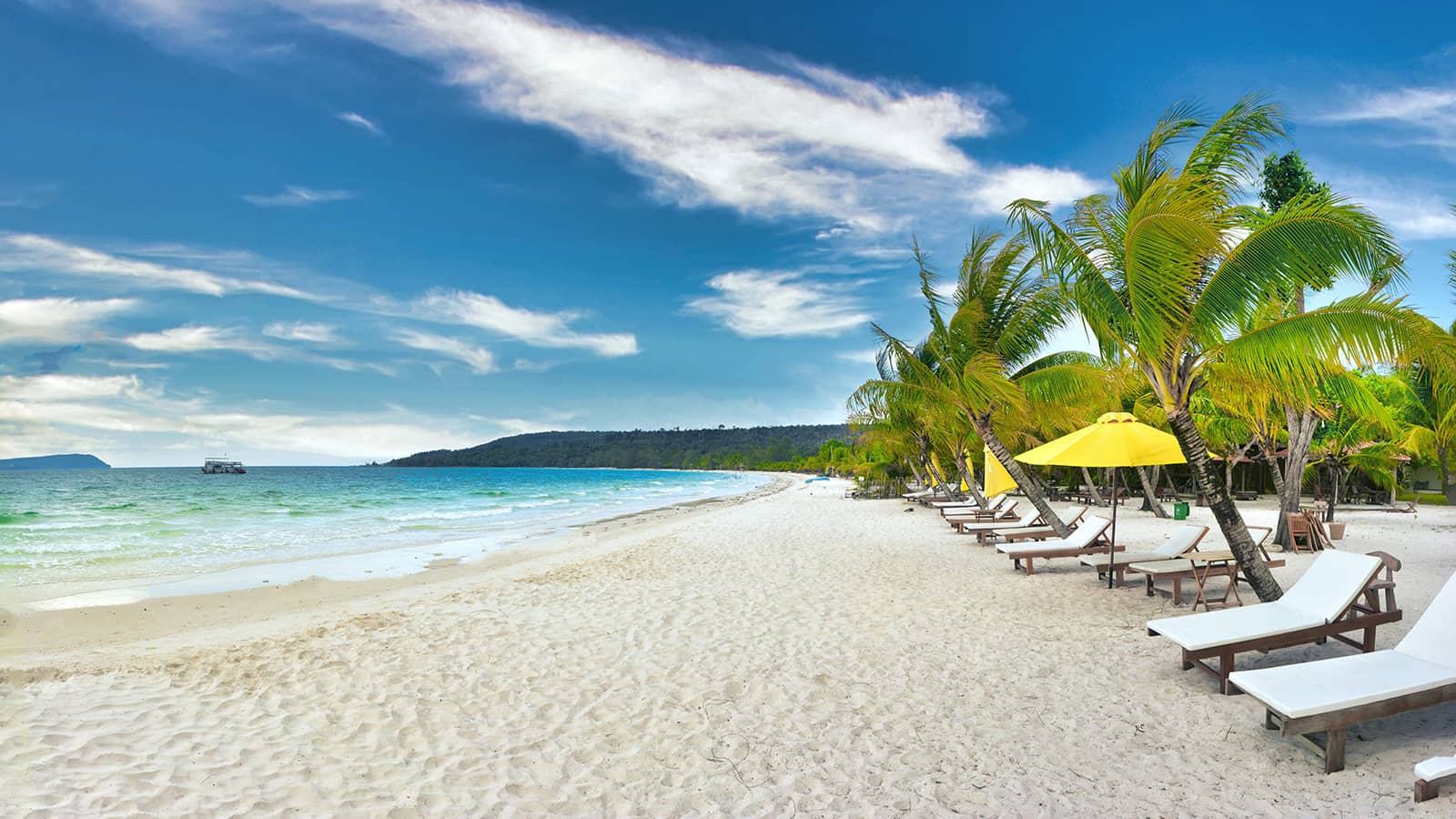
Beaches. Naha’s Naminoue Beach is handy but not the best. Better options are Emerald Beach near the aquarium, Sunset Beach in Chatan and the long, clear beaches around Onna. The water is shallow and calm in many places, and good for snorkelling when conditions are right.
Cape Manzamo and Cape Zanpa. Both are dramatic coastal views. Manzamo has an elephant-trunk rock formation. They are quick stops if you already have a car.
JUNGLIA Okinawa. This nature park opened in the Yanbaru area in 2025. It focuses on the island’s subtropical forest and is a new option for families. Book timed tickets in advance, as slots fill up on weekends.
Peace Memorial Park, Itoman. On the southern coast, this park commemorates the Battle of Okinawa in 1945. It is a quiet, serious stop that gives needed context for the island’s modern history.
Food and Drink Scene
Makishi Public Market. Rebuilt and reopened in 2023, it is Naha’s best-known market. On the ground floor, stalls sell fish, pork and tropical fruit. On the upper floor, restaurants cook whatever you bought downstairs for a small fee. The scent of grilled fish and fried tempura drifts down the stairs. It is crowded at midday, so come at 11 am or after 2 pm.

Heiwa-dori and the covered shotengai. This arcade runs off Kokusai-dori and is lined with family-run shops. You’ll find small eateries, juice counters and snack stalls here. Prices are lower than on the main street, and the arcade is shaded, which matters in summer.
Sakaemachi Market. This is a local alley area with neighbourhood bars and tiny restaurants. It is quieter during the day and comes alive in the evening. Many places have only a handful of seats, so go in small groups.
Palette Kumoji basement. Naha has few true depachika, but the food floor under this complex has bento, sweets and packaged local specialties. It’s a good place to pick up gifts or a quick picnic lunch.
Roadside and chain stops. Okinawa has a local chain of A&W root beer drive-ins, which are popular with locals. Michi-no-Eki roadside stations in the north sell fresh fruit, juice and simple meals. Orion Happy Park in Nago offers brewery tours of the local beer.
There are almost no yatai street stalls in the mainland style. Instead, look for evening food trucks near beaches and in Chatan.
Getting Around
Yui Rail (Okinawa Monorail). The only rail line on the island runs 17 kilometres from Naha Airport to Tedako-Uranishi, passing Kokusai-dori and Shuri. The airport to Kencho-mae (the Kokusai-dori area) takes about 12 minutes and costs around 270 yen. A one-day pass costs 800 yen and a two-day pass 1,400 yen, which pays off if you ride four times or more.
IC cards. Suica, Pasmo, ICOCA and similar cards work on the Yui Rail and on many Naha buses. Okinawa also has its own OKICA card. Outside Naha, carry cash, because smaller bus operators and rural routes may not take cards.
Buses. Naha has a dense network, but routes are confusing for beginners. Express buses run from the airport to the resort coast and Churaumi Aquarium. The ride to the aquarium takes around two hours and costs roughly 2,000 yen. Buses can be slow and infrequent in the north.
Rental cars. For a trip beyond Naha, a car is the most flexible option. You need your home licence and an International Driving Permit under the 1949 Geneva Convention. Without both, you cannot legally drive. Japan drives on the left. Rates run about 6,000 to 10,000 yen per day, and prices jump during Golden Week, summer and New Year. Reserve early. Most cars are small and have English GPS options. Watch for slow traffic in Naha and heavy congestion on weekends.

Taxis. Fares start around 500 to 600 yen. Apps such as GO work in Naha. Taxis make sense for short hops at night.
Cycling. Central Naha is not great for cycling because of traffic and heat. Bicycles work best on small islands such as Kudaka, where rental shops line up near the port.
Day Trips
- Kerama Islands (Zamami or Tokashiki). High-speed ferries leave from Tomari Port in Naha and take about 50 minutes to Zamami. Return tickets cost roughly 6,000 yen. Visit between April and October for snorkelling, or January to March for humpback whale watching. Allow a full day.
- Churaumi Aquarium and Motobu. This is about 2 hours each way by car or bus. Combine it with Bise Fukugi Tree Road, a quiet village lane lined with old trees, and Sesoko or Emerald Beach. Allow 8 to 10 hours.
- Kudaka Island. Considered sacred in Ryukyuan belief, it sits off the southeast coast. Ferries leave Azama Port in Nanjo and take about 25 minutes. Rent a bicycle and ride the flat island loop. Allow half a day, plus travel time.
- Kouri Island and Yanbaru. Kouri is reached by a long bridge from Nakijin. The drive over water is the main attraction. Add the forests and viewpoints of Yanbaru in the far north for a full day by car.
- Nakijin Castle and Zakimi Castle. These two World Heritage ruins show Okinawa’s stonework at its best. Nakijin’s curving walls overlook the sea. Allow 5 to 6 hours with a car, because the sites are about an hour apart by road.
Nightlife and Entertainment
Naha’s evenings are friendly and relaxed. Matsuyama is the largest entertainment district, with izakaya, clubs and small bars packed into a few blocks. Sakaemachi is more local and lower-key. Look for places with sanshin music, where staff or guests may play and sing. Even if you don’t understand the lyrics, the sound, with its twanging strings and a clapping crowd, makes it memorable. Many of these bars serve awamori, the local distilled spirit, often over ice or with water.

For a livelier night, head to American Village in Chatan. Neon lights shine on the water, bars stay open late and the beachfront is good for a sunset walk. Live music venues are scattered around Naha and Kokusai-dori. Some are English-friendly, and most don’t charge a big cover. Rooftop bars are limited, but several hotels in Naha and Chatan have sky lounges. Resort areas in the north are very quiet at night. Many travelers watch the stars from the beach instead.
Shopping
Kokusai-dori is the place for souvenirs: Okinawan sweets, shirts, shisa figures and salt-based snacks. Tsuboya Yachimun Street is a short, slow-paced lane of pottery shops and old kilns. The clay pieces are heavy but make good gifts, and many shops will ship them home. Makishi Market and Heiwa-dori are better for food items, local textiles and everyday goods.
For bigger shopping, Omoromachi has large malls with fashion, electronics and a supermarket. The Outlet Mall Ashibinaa near the airport is convenient for last-minute purchases. Look for bingata, the colourful stencil-dyed fabric, and Ryukyu glass, which is made from recycled bottles and has a soft, bubbly texture.
Tax-free shopping rules are set to change in late 2026, when Japan plans to move from tax-free at the counter to a refund system. Ask the shop how it works when you buy and keep your passport with you.
Accommodation Areas by Budget
Budget (around 3,000 to 9,000 yen per night). Choose hostels and business hotels in Asahibashi, Makishi and Kencho-mae. These locations are walkable and close to the monorail. Dorm beds cost about 2,500 to 4,000 yen. Simple private rooms cost 6,000 to 9,000 yen.
Mid-range (around 12,000 to 25,000 yen per night). This range covers solid city hotels in Naha and beachside hotels in Chatan and Onna. In shoulder season, you can sometimes find an ocean-view room for under 20,000 yen. Look at breakfast-inclusive rates to save money.
Luxury (around 35,000 yen and up per night). Resorts along the Onna and Nago coasts have private beaches, pools and spas. Prices rise sharply in July, August and Golden Week. Book three to six months ahead if you want a specific room type.
If you plan to rent a car, choose a hotel with free or cheap parking. In central Naha, parking can cost 1,000 to 2,000 yen per night.
Best Time to Visit
March to May is pleasant, with temperatures of 21 to 27°C. The sea is cool in March, but by late April swimming is comfortable. Golden Week, in late April and early May, is crowded and expensive.
Mid-May to mid-June is the rainy season. Rain can be heavy but often comes in bursts, and prices are lower.
July to September is hot, with highs around 31 to 33°C, and ideal for beaches. It is also the peak season for crowds and costs. Typhoon risk is highest from August to September, and storms can cancel flights and ferries for a day or two. Leave a spare day in your itinerary if possible.
October to November is warm and less crowded. The Naha Great Tug-of-War, held in October, features a giant rope pulled by thousands of people. The Shuri Castle Festival also takes place in autumn.
December to February is mild, at 15 to 20°C. It is too cool for swimming for most people, but good for sightseeing. Cherry blossoms bloom unusually early in Okinawa, in late January or early February, around Nago. Whale watching is also in season. Late August brings Eisa dance festivals, where drummers and dancers fill the streets.
Practical Tips
- Safety. Okinawa is very safe. Take normal precautions with valuables. Sun is the biggest risk. UV is strong even in winter, so use sunscreen, a hat and plenty of water.
- Wildlife. Habu snakes live in long grass and forest edges. Stay on paths and avoid reaching into dense plants. Box jellyfish appear in summer, so swim only in beaches with nets and lifeguards. Wear a rash guard.
- Tipping. Not expected anywhere in Japan, including Okinawa.
- Language. English is common at airports, big hotels and major sights, but much less so in rural areas. A translation app helps. Many menus have photos.
- SIM cards. eSIMs work well and can be set up before you land. Mobile signal is strong in towns but can drop on remote roads in the north, so download offline maps.
- Water. Tap water is safe to drink.
- Etiquette. Remove shoes where required, take your rubbish with you, and never take sand, coral or shells from the beach. Some sacred sites, called utaki, are closed to tourists or have strict rules, so follow posted signs.
- Cash. Cards are accepted in most hotels and big stores, but small shops and local buses often prefer cash.
- Departure tax. Japan has announced plans to raise the departure tax from 1,000 yen to 3,000 yen from July 2026. It is normally included in your airline ticket price.

2026 Budget Breakdown
These are daily estimates per person, including accommodation but not flights.
- Budget (about 8,000 to 12,000 yen per day): hostel or basic business hotel (3,000 to 7,000 yen), market and local meals (2,000 to 3,000 yen), monorail or bus passes (500 to 1,000 yen), and one low-cost attraction.
- Mid-range (about 18,000 to 30,000 yen per day): a comfortable hotel (12,000 to 20,000 yen), restaurant lunches and an izakaya dinner (5,000 to 8,000 yen), car rental or taxis (3,000 to 6,000 yen), plus attractions.
- Comfortable (about 45,000 yen and up per day): a beach resort (30,000 yen and up), fine dining, a rental car, private tours and spa treatments.
Typical prices: Okinawa soba costs 800 to 1,000 yen, a sit-down lunch set 1,000 to 1,800 yen and an izakaya dinner 4,000 to 6,000 yen. Island ferries cost around 6,000 yen return. Flights from Tokyo take about 2 hours 45 minutes. Low-cost carriers sometimes offer fares well under 15,000 yen one-way, while full-service airlines cost more. Fares rise sharply in peak season.
Frequently Asked Questions
How many days do you need in Okinawa for a first visit?
Plan five days for a first trip. That gives you two days in Naha, one or two days up the coast to Churaumi Aquarium, and one day for an island trip or beach time. Three days works if you stay on the main island and skip the Kerama ferry.
Do I need to rent a car in Okinawa?
Not in Naha, where the Yui Rail monorail, buses and taxis cover the main sights. Outside the city, a car is the easiest way to reach the north, the beaches and castle ruins. You need a valid International Driving Permit under the 1949 Geneva Convention, plus your home licence.
Is Okinawa worth visiting in winter?
Yes, if you do not need swimming. Daytime temperatures sit around 17–21°C, crowds are smaller, flights are cheaper, and you can see humpback whales near the Kerama islands from January to March. The sea is cold for swimming, and some beach facilities close.

Is English widely spoken in Okinawa?
In Naha’s hotels, airport and major attractions, basic English is common. Away from the main areas, expect less. Menus often have photos, and translation apps work well. Near the US bases, such as Chatan and Kadena, you will find more English signs and English-speaking staff.
When is typhoon season in Okinawa?
Typhoon season runs roughly from June to October, with the highest risk from August to September. Storms can cancel flights and ferries for a day or two. Buy flexible tickets, add a spare day at the end of your trip, and check the Japan Meteorological Agency forecast.
📷 Featured image by Tim Schmidbauer on Unsplash.