On this page
- Why Leaving Naha Is the Best Decision You’ll Make in Okinawa
- Kerama Islands: The Clearest Water You’ll Find Without a Long-Haul Flight
- Cape Hedo and Northern Okinawa: The Island’s Untouched Top End
- Katsuren Peninsula and Hamahiga Island: Castles, Causeways, and No Crowds
- Itoman and the Southern War Sites: History, Solemnity, and the Best Local Market on the Island
- Ie Island: Rent a Bicycle and Slow Right Down
- Yanbaru Forest: UNESCO Jungle in Okinawa’s Far North
- Getting Around: Transport Logistics for Every Day Trip
- 2026 Day Trip Budget Breakdown
- Frequently Asked Questions
💰 Click here to see Japan Budget Breakdown
💰 Prices updated: August, 2026. Budget figures are estimates — always verify before travel.
Exchange Rate: $1 USD = ¥159.75
Daily Budget (per person)
Shoestring: ¥8,000 – ¥12,000 ($50.08 – $75.12)
Mid-range: ¥15,000 – ¥25,000 ($93.90 – $156.49)
Comfortable: ¥30,000 – ¥50,000 ($187.79 – $312.99)
Accommodation (per night)
Hostel/guesthouse: ¥3,000 – ¥7,000 ($18.78 – $43.82)
Mid-range hotel: ¥15,000 – ¥30,000 ($93.90 – $187.79)
Food (per meal)
Budget meal: ¥800.00 ($5.01)
Mid-range meal: ¥3,500.00 ($21.91)
Upscale meal: ¥15,000.00 ($93.90)
Transport
Single metro/bus trip: ¥200.00 ($1.25)
Monthly transport pass: ¥17,670.00 ($110.61)
Why Leaving Naha Is the Best Decision You’ll Make in Okinawa
In 2026, Naha’s main tourist corridor — Kokusai Dori, Shuri Castle, the Makishi Public Market — is more crowded than ever. The post-pandemic tourism surge that reshaped Japan’s visitor numbers hasn’t slowed, and Okinawa‘s capital bears the brunt of it. Most travelers spend their entire trip within a few kilometres of their hotel and leave thinking they’ve seen Okinawa. They haven’t. The real prefecture — coral-clear water, limestone castle ruins, UNESCO jungle, fishing villages that smell of salt and dried fish — starts the moment you get on a ferry or point a rental car north. These are the best day trips from Okinawa’s main island, with real transport details, honest time estimates, and 2026 pricing.
Kerama Islands: The Clearest Water You’ll Find Without a Long-Haul Flight
The Kerama Islands sit about 40 kilometres west of Naha, and the water visibility there — regularly 30 to 40 metres — is the kind that makes you stop mid-snorkel and just float. The main targets for a day trip are Zamami Island and Tokashiki Island. Both are reachable from Tomari Port in Naha, which itself is a short taxi or bus ride from Kokusai Dori.
Getting There
High-speed ferries (クイーンざまみ and クイーンとかしき) run daily from Tomari Port. The ride to Zamami takes about 50 minutes; Tokashiki is closer to 35 minutes. A regular ferry option exists too, taking around 90 minutes, but is cheaper. Round-trip high-speed ferry tickets cost approximately ¥5,500 to ¥6,800 per person depending on the route and season. Book in advance online through the Zamami Village Tourism Association or Tokashiki Village office — ferries sell out on weekends and during golden week in 2026 just as fast as they did in previous years.
What to Do Once There
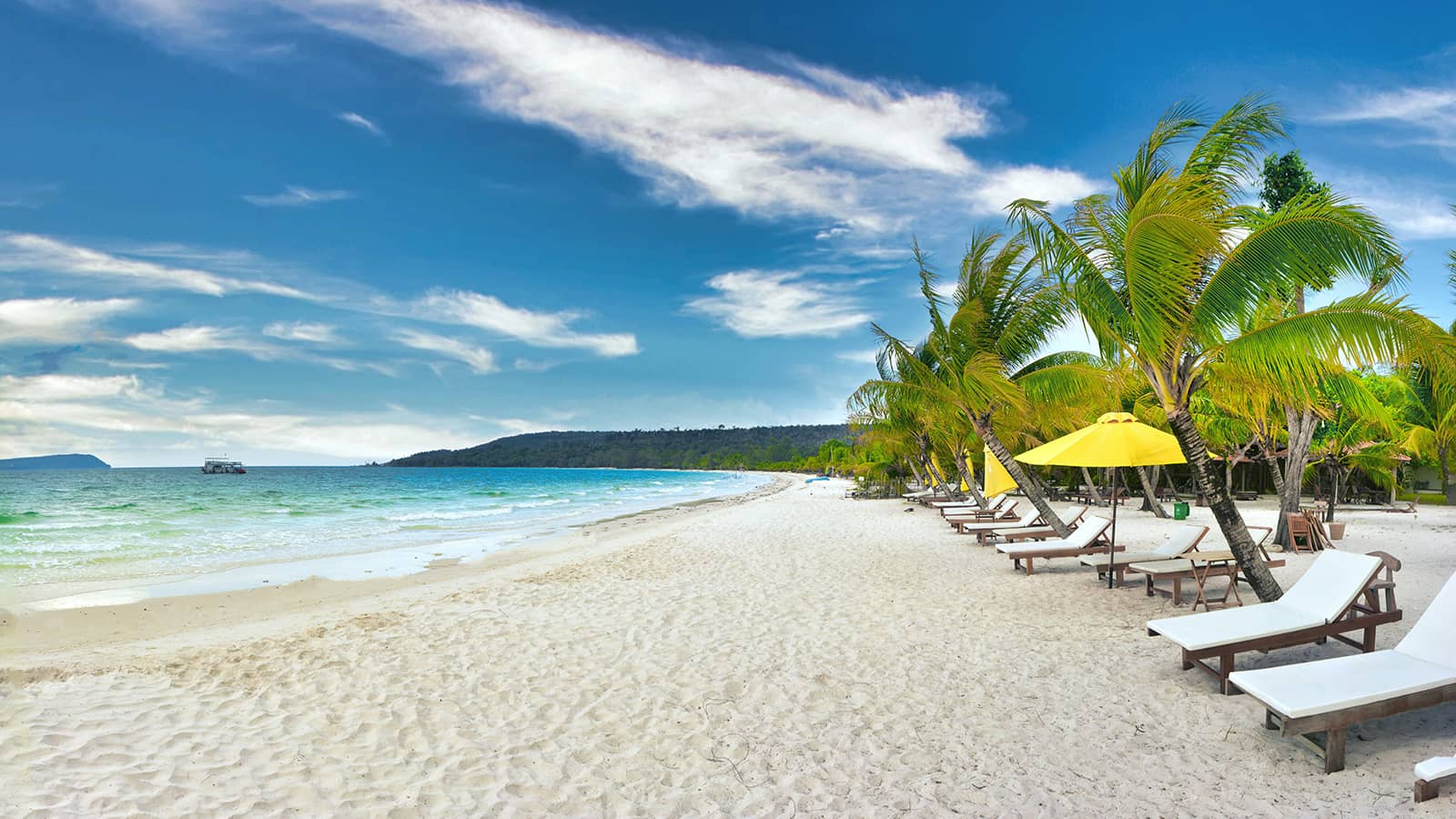
On Zamami, Furuzamami Beach is a short walk from the ferry terminal. Snorkel gear rental runs about ¥1,000 to ¥1,500 on the beach. The water is so clear in shallow areas that you can see the sandy bottom ripple patterns through 5 metres of water without a mask. Turtles are a common sighting — Zamami’s waters have a stable resident population. On Tokashiki, Aharen Beach is quieter and has excellent coral close to shore. Neither island requires a tour; you can manage everything independently.

Cape Hedo and Northern Okinawa: The Island’s Untouched Top End
Cape Hedo is the northernmost point of Okinawa’s main island, about 130 kilometres from Naha. The drive alone is worth doing. Once you’re past Nago city, the highway gives way to a two-lane coastal road where sugarcane fields press against the tarmac and the East China Sea appears around every other bend. There are no major train lines up here — this is rental car territory.
The Cape Itself
Cape Hedo (辺戸岬) is a raw limestone cliff platform above crashing sea. It’s windswept, dramatic, and completely unmanicured — no theme park energy, no gift shops selling the same shell keychains as Kokusai Dori. There’s a small monument marking the point where Okinawa and Kagoshima Prefecture’s Yoron Island face each other across a narrow channel. On a clear day you can see Yoron from the cliff edge. The wind carries real ocean spray — you’ll taste salt on your lips within minutes of stepping out of the car.
Stops Along the Way North
Build in stops at Kouri Island (connected by a long causeway bridge, excellent swimming), Ocean Expo Park near Motobu (home to Okinawa Churaumi Aquarium, one of the world’s largest, entry ¥2,180 for adults in 2026), and Nakijin Castle ruins — a UNESCO World Heritage site with views that reach the surrounding islands on clear days. Nakijin’s castle walls are among the most photogenic in the Ryukyu castle network, especially in late January and February when the cherry blossoms (Okinawa’s bloom early) line the approach path.
Katsuren Peninsula and Hamahiga Island: Castles, Causeways, and No Crowds
East of Naha, the Katsuren Peninsula juts into the Pacific and connects via causeways to a chain of small islands. This area is consistently undervisited by foreign tourists despite having some of the best scenery on the main island.
Katsuren Castle
Katsuren Castle (勝連城跡) is another UNESCO World Heritage Ryukyu castle. Perched on a hill, its layered stone walls rise against a backdrop of island-dotted sea. The castle is smaller than Shuri but far less crowded, and the views from the upper compound in every direction are genuinely spectacular. Entry is ¥600 for adults. The walk up is steep — wear proper shoes. On hot days, start early; the exposed stone terraces hold heat like a griddle by midday.

Hamahiga Island
A short drive across the Hama causeway takes you to Hamahiga Island (浜比嘉島), a quiet fishing community with sacred sites tied to the Ryukyuan creation myth. The roads are narrow, the pace is slow, and the small beaches here are almost always empty on weekdays. Stop at the Hamahiga shrimp and seafood stalls near the island’s small harbor for grilled skewers and fresh mozuku seaweed — local, cheap, and far from anything you’d find on Kokusai Dori.
Itoman and the Southern War Sites: History, Solemnity, and the Best Local Market on the Island
Itoman city anchors Okinawa’s southern tip and is only about 20 kilometres from Naha — a 40-minute drive or accessible by bus. This area carries the heaviest weight of the Battle of Okinawa (1945), and the Peace Memorial sites here demand a different kind of attention than most tourist stops.
Okinawa Peace Memorial Park
The park holds the Cornerstone of Peace — black granite panels engraved with the names of every person who died in the battle, regardless of nationality. Over 240,000 names. Walking the panels slowly takes time. The adjacent Okinawa Prefectural Peace Memorial Museum (entry ¥300 for adults) puts the battle in full context without flinching. This is not a comfortable visit, but it’s an important one. Allow at least two hours here.
Itoman Fishing Port and Sunday Market
On a completely different note: Itoman’s fishing port area has the Itoman Fish Market, open on Sunday mornings. Local fishermen bring in the catch — tuna, grouper, and reef fish — and it sells fast. The surrounding shotengai has stalls selling Okinawan vegetables (goya, purple sweet potato, handama) at prices well below anything in Naha’s tourist markets. This is a working market, not a tourist attraction, and that’s exactly why it’s worth going.
Ie Island: Rent a Bicycle and Slow Right Down
Ie Island (伊江島) sits off the northwest coast of the main island, reachable by ferry from Motobu Port in about 30 minutes. Round-trip ferry tickets cost around ¥1,560 per person. The island is flat, agricultural, and peaceful in a way that feels genuinely removed from mainland Okinawa’s tourism infrastructure.
Cycling the Island
Bicycle rental near the ferry terminal costs approximately ¥700 to ¥1,000 for the day. The island’s perimeter road is about 22 kilometres — an easy half-day ride with stops. Gushikawa Castle ruins, the island’s central hill called Iejima Tacchuu (a sudden limestone pinnacle rising 172 metres from otherwise flat terrain), and the quiet northern beaches are the main draws. In late April and early May, the island holds its lily festival — white Tepo lilies cover the fields in dense, fragrant rows. The smell carries for hundreds of metres on a warm morning.
Getting to Motobu Port
Motobu Port is roughly 100 kilometres north of Naha. There’s no direct train. Options are a rental car, or taking a bus from Naha Bus Terminal to Nago and then a local bus or taxi to Motobu Port. The full trip by public transport takes two to two and a half hours. Factor this in — Ie Island works best as a day trip only if you have a car or are already staying in the north.
Yanbaru Forest: UNESCO Jungle in Okinawa’s Far North
Yanbaru (やんばる) is the broad forested region covering Okinawa’s northern third. In 2021 it was added to the UNESCO World Natural Heritage list, and in the years since, access infrastructure has improved substantially. By 2026, the Yanbaru National Park visitor facilities have expanded — there are now two main visitor centers (Kunigami and Higashi villages) with bilingual trail maps and guided tour booking systems.
What Makes It Different
Yanbaru hosts species found nowhere else on Earth — the Okinawa rail (ヤンバルクイナ), a flightless bird, and the Ryukyu long-furred rat among them. The forest is dense subtropical jungle: tree ferns, banyan roots, and a layered canopy that blocks most direct light. Hiking trails range from easy boardwalk loops (1 to 2 kilometres) to full-day ridge trails. If you want wildlife sightings, come at dawn and stay quiet. The Okinawa rail is notoriously shy but will cross forest paths in the early morning.
Guided Options in 2026
Several licensed Yanbaru eco-tour operators now offer half-day kayak tours through the mangrove river systems near Higashi village, starting around ¥6,000 to ¥8,000 per person. These run year-round and include waterproof bags and basic snack stops. Book directly through the Yanbaru National Park official site or through your accommodation if staying in Nago or further north.
Getting Around: Transport Logistics for Every Day Trip
Okinawa’s public transport is limited compared to mainland Japan. Understanding the options before you go will save frustration on the day.
Rental Car
A rental car is the single most flexible option for almost every day trip listed here. In 2026, demand remains high — book at least two weeks in advance during peak periods (March to May, July to August, October). Major rental companies operate from Naha Airport. Daily rates for a compact car start around ¥4,500 to ¥7,000 excluding fuel and insurance. An International Driving Permit is required for most foreign license holders. Japan drives on the left.
Okinawa Expressway
The Okinawa Expressway (沖縄自動車道) runs north from Naha toward Kyoda, cutting transit times significantly. Tolls are modest — typically ¥500 to ¥800 for a one-way trip north. ETC cards are available with most rental cars.
Yui Rail and Buses
The Yui Rail monorail covers Naha city only — it doesn’t reach any day trip destination. Long-distance buses from Naha Bus Terminal serve Nago and some northern towns, but schedules are infrequent and the journey times make them impractical for most day trips unless you’re staying overnight. For Itoman and southern sites, local buses (routes 33, 34, 89) are manageable from central Naha.
Ferries
Ferries depart from Tomari Port (for the Kerama Islands) and Motobu Port (for Ie Island). Both ports accept IC card payments for some services, but ferry tickets should be booked in advance online where possible. Suica and ICOCA cards work on Naha buses and Yui Rail but have no function at ferry terminals or for car rentals.
2026 Day Trip Budget Breakdown
Budget Tier (under ¥5,000 per day)
- Ferry to Tokashiki + snorkel gear rental: approx. ¥7,000–¥8,000 total (this tier works better for Itoman by bus, Katsuren Castle by rental, or southern sites)
- Itoman by local bus + Itoman Fish Market browsing: under ¥2,000 return including bus fare
- Katsuren Castle entry + Hamahiga Island self-drive (if sharing car costs): ¥600–¥1,500
- Yanbaru boardwalk trail with no guide: free to ¥500
Mid-Range Tier (¥8,000–¥15,000 per day)
- Kerama Islands high-speed ferry + beach lunch + snorkel gear: approx. ¥9,000–¥12,000
- Rental car for full northern loop (Cape Hedo + Churaumi Aquarium + Nakijin): car rental + fuel + entry fees ≈ ¥10,000–¥14,000
- Ie Island ferry + bicycle + lunch: approx. ¥4,500–¥6,000 (excluding transport to Motobu Port)
- Yanbaru guided mangrove kayak tour: ¥6,000–¥8,000
Comfortable Tier (¥20,000+)
- Private charter boat to Kerama Islands with guide and gear: ¥25,000–¥40,000 per boat (split among group)
- Private car hire with English-speaking driver for full-day northern tour: ¥30,000–¥50,000
- Combined Yanbaru eco-tour + overnight in Nago luxury inn: ¥30,000+ per person
Frequently Asked Questions
Can I do day trips from Okinawa without a rental car?
Yes, but your options narrow significantly. The Kerama Islands and Ie Island are ferry-based and work without a car. Itoman is reachable by bus from Naha. Cape Hedo, Katsuren Peninsula, and Yanbaru are extremely difficult by public transport and realistically require a rental car or private tour to visit comfortably in a single day.
Which day trip is best for snorkeling from Okinawa main island?
The Kerama Islands, specifically Zamami and Tokashiki, offer the best snorkeling accessible as a day trip. Visibility regularly exceeds 30 metres, coral coverage is healthy, and sea turtles are common. Beach snorkeling is possible without a boat tour.
How far in advance should I book Kerama Islands ferry tickets?
In 2026, booking two to three weeks ahead is recommended for weekend departures and essential during Golden Week (late April to early May), Obon (mid-August), and the summer school holiday period (July to August). Weekday departures in shoulder season can often be booked a few days ahead, but there’s no reason not to reserve early since it’s free to do so online.
Is the Okinawa Peace Memorial Park suitable for children?
The park grounds and Cornerstone of Peace are open and calm — children can walk through respectfully. The museum content is graphic and covers wartime violence and civilian casualties honestly. Most parents of children under ten find the museum distressing for young visitors. The outdoor memorial areas are meaningful and accessible for all ages. Allow extra time and be prepared for emotional conversations.
What is the best season for day trips from Okinawa?
October to December and March to May offer the most reliable day trip conditions. Summer (July to August) is hot and humid with occasional typhoon disruption that can cancel ferries on short notice. Winter (January to February) is mild by Japan’s standards — around 17 to 20°C — and is actually ideal for northern drives and forest hiking. The Kerama Islands are swimmable year-round, though wetsuits are recommended from December to March.
📷 Featured image by Stefanie Akkerman on Unsplash.