On this page
- Why Okinawa’s Waters Are Different in 2026
- The Best Dive Sites on Okinawa’s Main Island
- Snorkeling Spots Worth Your Time
- The Outer Islands: Where Serious Divers Go
- Choosing a Dive Shop in 2026
- Getting Certified or Leveling Up in Okinawa
- Marine Life You’ll Actually Encounter
- 2026 Budget Breakdown
- Getting to the Dive Sites: Logistics
- Practical Tips for Diving and Snorkeling Responsibly
- Frequently Asked Questions
💰 Click here to see Japan Budget Breakdown
💰 Prices updated: October, 2026. Budget figures are estimates — always verify before travel.
Exchange Rate: $1 USD = ¥157.00
Daily Budget (per person)
Shoestring: ¥8,000 – ¥15,000 ($50.96 – $95.54)
Mid-range: ¥18,000 – ¥35,000 ($114.65 – $222.93)
Comfortable: ¥45,000 – ¥80,000 ($286.62 – $509.55)
Accommodation (per night)
Hostel/guesthouse: ¥2,500 – ¥6,000 ($15.92 – $38.22)
Mid-range hotel: ¥10,000 – ¥20,000 ($63.69 – $127.39)
Food (per meal)
Budget meal: ¥800.00 ($5.10)
Mid-range meal: ¥2,500.00 ($15.92)
Upscale meal: ¥20,000.00 ($127.39)
Transport
Single metro/bus trip: ¥250.00 ($1.59)
Monthly transport pass: ¥30,000.00 ($191.08)
Why Okinawa’s Waters Are Different in 2026
If you’ve been researching Okinawa diving recently, you’ve probably noticed two contradictory things: the reefs are recovering, and the crowds are worse than ever. Both are true. Since Japan fully reopened to tourism in 2023, Okinawa’s dive industry bounced back fast — sometimes too fast. Popular sites like the Blue Cave near Cape Maeda saw booking systems collapse under demand in 2024, which pushed the Okinawa prefectural government to introduce timed-entry caps and mandatory guide requirements at several high-traffic sites starting in 2025. Those rules are still in place in 2026, and they’ve actually made the experience better. Fewer bodies underwater means the fish behave more naturally, and the coral at Cape Maeda is visibly healthier than it was three years ago.
The other big shift is the yen. With exchange rates still favorable for most Western visitors in 2026, Okinawa offers genuinely world-class diving at prices that feel like a bargain compared to the Maldives, the Red Sea, or even Thailand’s Similan Islands. The visibility here regularly hits 30 to 40 metres on a calm day, water temperatures stay warm enough for a 3mm wetsuit from May through November, and the sheer diversity of life — from hammerhead sharks off Yonaguni to fluorescent nudibranchs in Kerama’s shallows — puts it on the short list of best diving destinations in Asia.
The Best Dive Sites on Okinawa’s Main Island
The main island of Okinawa (Okinawa-hontō) isn’t just a gateway to the outer islands — it has serious dive sites of its own, many of them accessible as day trips from Naha.
Cape Maeda (Maeda Misaki)
This is the most famous site on the main island, and for good reason. The Blue Cave — a sea cave where sunlight refracts off the sandy bottom and bathes everything in electric blue — is one of those experiences that genuinely lives up to the photos. Snorkelers can enter the cave too, but divers get the better perspective, hovering in the blue light while glassfish shimmer around them and sea turtles cruise past the entrance with complete indifference to human presence. Under the 2026 access rules, slots are capped at set times and all visitors must book through a licensed operator. Morning slots before 9:00 offer the best light and thinnest crowds.

Onna Village Reefs
The stretch of coast running through Onna village on the island’s west side is dotted with reef systems at manageable depths of 10 to 20 metres. These are ideal for newly certified divers. Expect dense schools of yellowfin goatfish, lionfish sitting motionless on coral heads, and the occasional white-tip reef shark resting on the sand. Visibility is consistently good here because the sites are protected from the prevailing current by the shape of the coast.
Zanpa Cape
Less visited than Maeda, Zanpa’s underwater topography is more dramatic — walls, overhangs, and swim-throughs that experienced divers will appreciate. Moray eels are almost guaranteed here, and the coral coverage on the deeper sections of the wall is some of the best on the main island. Dive shops in Chatan and Okinawa City run regular trips to Zanpa.
Sunabe Seawall
Running along the coast in Chatan, the Sunabe Seawall is Okinawa’s most accessible shore dive. You walk in from the beach, follow the wall north or south, and the marine life density is remarkable for something you can reach without a boat. This is where a lot of underwater photographers spend their time — the wall’s cracks and crevices are packed with frogfish, nudibranchs, and ghost pipefish. At night, the seawall transforms completely: octopus hunting, Spanish dancer nudibranchs drifting in the current, and the eerie phosphorescence of bioluminescent plankton.
Snorkeling Spots Worth Your Time
Not everyone wants to go through a certification course, and Okinawa has enough excellent shallow-water snorkeling to fill multiple trips. The key is getting away from the most commercial beaches, where tour boats cluster and the sand gets stirred up by afternoon.
Manza Beach
The reef directly in front of Manza Beach in Onna village is shallow enough for confident swimmers to explore without a guide. Hard coral formations start at about 1.5 metres depth and the fish life is dense. Sea turtles are regularly spotted here in the mornings, grazing on seagrass beds just off the main reef edge. The water has the particular quality that Okinawa’s west coast is famous for — that layered teal-into-deep-blue gradient that makes you feel like you’re floating inside a gemstone.
Sesoko Island
Accessible by bridge from the main island’s northwest coast, Sesoko has a small beach with a fringing reef that’s largely ignored by tour operators. That means no boat traffic, cleaner water, and fish that aren’t habituated to being fed by guides. Bring your own gear or rent from a small shop near the bridge. The channel between Sesoko and the mainland has some interesting current-dependent drift snorkeling for stronger swimmers.
Bush Beach (Busha Beach), near Camp Foster
A local favorite that doesn’t appear in most tourist guides. The entry is straightforward, the coral is in good condition, and the mix of species is excellent for a main island spot. Parrotfish, butterflyfish, and the occasional hawksbill turtle make regular appearances. Best visited on weekday mornings.

The Outer Islands: Where Serious Divers Go
The main island is a convenient starting point, but Okinawa’s outer islands are where the diving reaches another level entirely. Each island chain has a distinct underwater character.
Kerama Islands (Keramashoto)
Just 35 to 40 kilometres west of Naha, the Kerama Islands are reachable by high-speed ferry in about 50 minutes. The water clarity here is the benchmark against which all other Okinawa diving gets measured — locals call it “Kerama Blue,” and it’s not marketing. Visibility of 40 metres or more is common. The whale shark encounters that happen occasionally off Tokashiki Island between March and May are unscripted and extraordinary. Humpback whales pass through Kerama waters from January through March, and snorkelers sometimes hear their song underwater even when no whales are visible.
Zamami Island within the Kerama group has some of the most pristine coral gardens in Japan, with table corals spanning several metres across and gorgonian sea fans the size of doorways swaying in the current on the deeper walls.
Miyako Islands
Miyako is a different experience — flatter topography above water, but dramatic underwater. The famous Yabiji reef system, the largest coral reef in Japan (and one of the largest in the Pacific), only surfaces at low tide during spring tides, and snorkeling its shallows during these windows is surreal — you’re essentially walking on a reef that’s underwater for most of the year. Miyako’s drop-offs are serious, with walls plunging past 50 metres. Drift diving here on the outgoing tide, carried past coral pinnacles with eagle rays below and reef sharks circling in the blue, is the kind of dive you remember twenty years later.
Yaeyama Islands (Ishigaki, Iriomote, Yonaguni)

The Yaeyamas are the outer edge of Japan, geographically closer to Taiwan than to Tokyo. Ishigaki Island is the hub, and its Kabira Bay — though snorkeling access to the open bay is restricted to protect the environment — has surrounding reef systems that are spectacular. Manta rays gather at specific cleaning stations off Ishigaki from June through October, and a dive to Manta Scramble on a good day means encountering ten or fifteen mantas at once, rolling and spiraling over the reef as cleaner wrasse work over their bodies. The slap of the manta’s wing through the water sends a pressure wave you feel in your chest even at five metres distance.
Iriomote Island is covered in primary jungle right to the water’s edge, and its dive sites reflect that wildness — less trafficked, more unpredictable, with the chance of encountering species you won’t see anywhere else in Japan. Yonaguni, the westernmost island, is famous for two things: the Yonaguni Monument (mysterious underwater rock formations at 25 metres, whether natural or man-made remains debated), and seasonal hammerhead shark aggregations from January through March. Hammerheads at Yonaguni are not guaranteed, but when conditions align — cool, clear water, calm surface — watching a school of twenty hammerheads materialize from the deep blue is genuinely breathtaking.
Choosing a Dive Shop in 2026
The quality gap between Okinawa’s dive shops is significant. At the top end, you have PADI Five-Star operations with bilingual staff, well-maintained equipment, and small group sizes. At the bottom, you have shops that pack twelve people onto a small boat and rush through dives to turn over bookings. Here’s how to tell the difference before you hand over your money.
- Group size: Ask directly. A good shop caps guided dives at four to six divers per instructor for anything other than very easy beginner sites. Eight or more is a red flag.
- Equipment age: BCD and regulator rental gear should be serviced annually. Ask when the regulators were last serviced. If the staff hesitates or can’t tell you, walk away.
- Language: Shops in Chatan, Onna, Naha, and around the ferry terminals to Kerama generally have English-speaking staff. Shops further north on the main island may be Japanese-only — not a problem if you speak Japanese or are diving with a guide rather than independently, but worth confirming in advance.
- Booking in 2026: The most popular shops at popular sites now fill up days or weeks in advance during Golden Week (late April–early May), summer holidays (July–August), and the October–November shoulder season. Book online before you arrive.

Well-regarded shops on the main island include those clustered around Chatan’s American Village area and along the Onna village coast. On Ishigaki, the area around Kabira and the main port has established operators that run regular manta trips. On Zamami in the Keramas, smaller guesthouses often double as dive operators and provide a much more personal experience than larger tour companies.
Getting Certified or Leveling Up in Okinawa
Okinawa is a legitimate place to earn a dive certification — the conditions for learning are ideal (calm, warm, clear water; shallow training areas close to the shore) and several shops offer full PADI Open Water courses in English, Chinese, Korean, and Japanese.
A PADI Open Water course in Okinawa in 2026 typically runs three to four days and costs between ¥50,000 and ¥70,000 including all gear rental and certification fees. Some shops allow you to complete the theory and confined water work online and in a pool before you arrive, then finish the four open-water dives in Okinawa — this is the most efficient approach if you’re visiting for a week or less.

For already-certified divers looking to add specialties, Okinawa is excellent for underwater photography, drift diving, and deep diving specialty certifications. The Advanced Open Water course runs around ¥40,000 to ¥55,000. Rescue Diver and Divemaster courses are available at several shops and attract a mix of local residents and long-term visitors who extend their trips specifically for the training.
SSI (Scuba Schools International) is also widely available and fully recognized — don’t let a shop push you toward one certification agency over another purely on price differences of a few thousand yen. Both PADI and SSI cards are accepted globally.
Marine Life You’ll Actually Encounter
Okinawa’s position in the Kuroshio Current — the Pacific’s equivalent of the Gulf Stream — means it sits at a remarkable biodiversity hotspot. The species list is long, so here’s a practical breakdown by what you’re likely to see versus what requires specific conditions or locations.
Almost Guaranteed
- Sea turtles (hawksbill and green) — present year-round at most sites, incredibly relaxed around divers
- Lionfish and scorpionfish — on nearly every reef, sometimes aggressively close
- Moray eels (giant and undulated) — in every wall crack from Zanpa to Yonaguni
- Butterflyfish, parrotfish, wrasse — background noise of every dive
- Nudibranchs — enormous diversity, a source of obsession for underwater photographers
Seasonal and Site-Specific
- Manta rays: Ishigaki Island, June through October, Manta Scramble and Manta City sites
- Hammerhead sharks: Yonaguni Island, January through March, early morning dives
- Whale sharks: Kerama and Miyako, occasionally March through May; also available year-round at operator-run feeding encounters at Yomitan and Motobu under special permits (still legal and operating in 2026, though controversial)
- Humpback whales: Kerama, January through March (heard underwater more often than seen)
- Humphead wrasse: Yaeyama reefs, increasingly rare but still present
- Ghost pipefish: Sunabe Seawall and Onna reefs, November through March

2026 Budget Breakdown
Here’s what a realistic diving trip to Okinawa costs in 2026. Note that the yen-to-dollar and yen-to-euro rates still favor foreign visitors significantly, making these prices feel even more accessible than they look.
Guided Boat Dive (2 tanks, gear included)
- Budget: ¥9,000–¥12,000 — local operators, smaller boats, Japanese-language guide, usually around Onna or Chatan
- Mid-range: ¥13,000–¥18,000 — English-speaking guides, modern gear, smaller groups, popular main island sites
- Comfortable: ¥20,000–¥30,000 — outer island operators (Kerama, Ishigaki), private or semi-private guiding, specialty sites like manta scramble
Snorkeling Tours
- Budget: ¥3,500–¥5,000 — group tours from main island beaches
- Mid-range: ¥6,000–¥9,000 — smaller groups, better sites, gear included
- Comfortable: ¥12,000–¥18,000 — private charter snorkeling from Kerama or Miyako
Gear Rental (per day)
- Full set (wetsuit, BCD, regulator, mask, fins): ¥3,000–¥5,000
- Mask and fins only: ¥800–¥1,500
- Underwater camera rental: ¥2,500–¥5,000
PADI Open Water Certification
- Full course (3–4 days): ¥50,000–¥70,000
- Referral (open water dives only, theory done elsewhere): ¥25,000–¥35,000
Full Day Dive Trip to Kerama Islands (from Naha)
- Ferry return: ¥4,000–¥6,000
- 2-tank dive with Kerama operator: ¥16,000–¥22,000
- Lunch on island: ¥1,200–¥2,000
- Total: approximately ¥21,000–¥30,000
Getting to the Dive Sites: Logistics
Getting around Okinawa’s dive sites requires a bit more planning than just showing up at a beach. Here’s the practical reality.
Main Island Sites
Renting a car is the most efficient way to reach Cape Maeda, Onna village, Zanpa, and Sesoko from Naha. The drive from Naha to Onna takes about 45 minutes on Route 58 or the expressway. Taxis are expensive for these distances (¥4,000–¥6,000 one way from Naha to Onna). Some dive shops offer pickup from Naha hotels — ask when booking. The Yui Rail monorail only covers central Naha, so it’s not useful for reaching most dive sites.
Kerama Islands
High-speed ferries (Tomarin Ferry Terminal, Naha) run to Zamami and Tokashiki daily. Journey time to Zamami is about 50 minutes; to Tokashiki about 35 minutes. The slower car ferry is cheaper but takes 2 hours. Book ferry tickets in advance during July and August — boats fill up. Round-trip high-speed ferry costs ¥4,840 to Zamami in 2026.

Miyako and Yaeyama Islands
Both require a domestic flight from Naha. Japan Airlines (JAL) and All Nippon Airways (ANA) run multiple daily flights to Miyako (Miyakojima Airport) and Ishigaki (New Ishigaki Airport). Flight time is about 45 minutes to each. Peach Aviation, the low-cost carrier based partly at Naha, also serves these routes — Naha to Ishigaki can be as low as ¥3,000–¥5,000 on advance booking. Budget at least one full day of travel plus accommodation for any outer island dive trip.
On Ishigaki, renting a car or bicycle gives access to the various dive shop bases around the port and the west and north coasts. Iriomote requires a ferry from Ishigaki (about 40 minutes to Ohara port). Yonaguni has its own small airport with connections from both Naha and Ishigaki.
Practical Tips for Diving and Snorkeling Responsibly
Okinawa’s reefs have improved measurably since stricter management came in, and keeping them that way depends on how visitors behave underwater.
2026 Environmental Rules
- Sunscreen containing oxybenzone and octinoxate is banned at all managed marine areas in Okinawa Prefecture as of 2025. Reef-safe mineral sunscreen (zinc oxide or titanium dioxide) is the only legal option at Blue Cave and several other controlled sites. Rash guards are a better solution — Okinawa’s sun is strong and a long-sleeve rash guard eliminates the need for sunscreen on your arms and shoulders entirely.
- Touching coral is prohibited across all marine protected areas. Fin kick turbulence is treated as seriously as direct contact at some sites — maintain buoyancy and keep your fins above the reef.
- Feeding fish is illegal at all managed sites. Some operators running whale shark tours still offer guided feeding encounters under special permits — these are the only legal exceptions.
- Collecting anything — shells, coral fragments, even dead organisms — from marine protected areas carries fines up to ¥200,000.

Gear: Rent or Bring
For snorkeling, bringing your own mask is always worthwhile — a properly fitted mask makes an enormous difference to the experience, and rental masks rarely seal well. Fins are bulky to travel with but rental fins are generally adequate for casual snorkeling.
For scuba diving, serious divers who travel frequently should consider bringing their own regulator and dive computer at minimum. Rental regulators at quality shops are well-maintained, but your own regulator means familiarity under pressure. BCDs are large to travel with and rental options are usually fine. Wetsuits: a 3mm suit is comfortable from May through November; outside those months you’ll want 5mm, which most rental shops stock.
Water Conditions by Season
- January–March: Water temperature 20–22°C. Hammerheads at Yonaguni, humpbacks at Kerama. Typhoon risk near zero but surface conditions can be choppy. 5mm wetsuit recommended.
- April–June: Water warming to 24–26°C. Rainy season starts in May but diving continues — the rain doesn’t affect conditions below the surface. Whale shark possible at Kerama.
- July–September: Peak season. Water 28–30°C. 3mm wetsuit or swimsuit for shallow dives. Typhoon season — be prepared for trips to cancel with 24–48 hours notice. Manta ray season at Ishigaki.
- October–November: Best overall balance. Water still warm (26–28°C), crowds thinning, visibility excellent. Ghost pipefish appearing at Sunabe. Strong candidate for the best month to dive in Okinawa.
- December: Cooling quickly. 5mm wetsuit needed. Fewer tourists, lower prices, Christmas and New Year diving trips offered by several shops with night dive specials.
Frequently Asked Questions
Do I need to be certified to dive in Okinawa?
No. Most dive shops offer “experience dives” (also called introductory or discover dives) that require no prior certification. You’ll be guided throughout the entire dive by an instructor who stays within arm’s reach. These are limited to shallower sites, typically around 10 metres depth. For more advanced or independent diving, certification is required.

What is the best time of year to dive in Okinawa?
October and November offer the best overall conditions — warm water, excellent visibility, thinning crowds, and no typhoon risk. For specific experiences: January to March for hammerheads at Yonaguni and humpback whales at Kerama; June to October for manta rays at Ishigaki. Summer is warm and exciting but typhoons can disrupt trips with little warning.
How far is the Blue Cave from Naha, and can I get there without a car?
Cape Maeda, where the Blue Cave is located, is approximately 45 kilometres north of Naha — about 50 minutes by car. Without a car, you need to book through a dive or snorkel operator that offers hotel pickup from Naha, which many do. Public bus options exist but are slow and infrequent. Most visitors rent a car or book an operator that handles transport.
Are Okinawa’s reefs in good condition, or has bleaching damaged them?
The situation is mixed but improving. The 2016 mass bleaching event caused significant damage across Okinawa, and recovery has been gradual. Sites with stronger water circulation — Kerama, Miyako, Yaeyama — have recovered better than sheltered main island sites. As of 2026, coral cover at many outer island sites is genuinely impressive. Main island sites like Sunabe and Zanpa are also in better shape than they were five years ago, partly due to reduced visitor pressure from new management rules.
Can children snorkel in Okinawa, and are there age restrictions?
Yes — Okinawa is very family-friendly for snorkeling. Most operators accept children from age 6 or 7 for guided snorkeling, and many beaches have calm, shallow reef areas suitable for even younger children with adult supervision. Life jackets are provided on guided tours for children and non-swimmers. For scuba diving, PADI Junior Open Water certification requires a minimum age of 10 years old, and experience dives for children are available from age 10 at most shops.
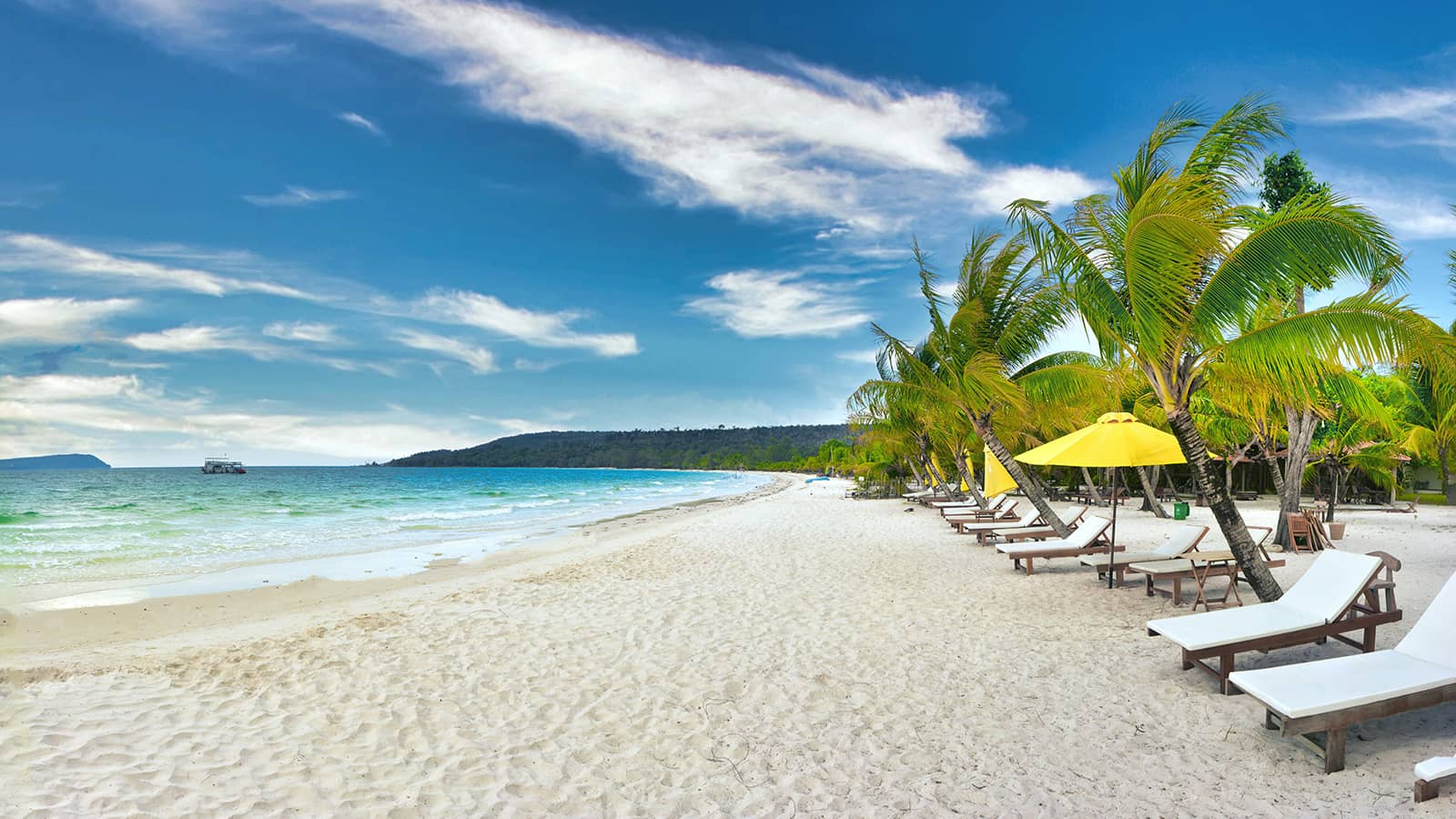
📷 Featured image by Xie lipton on Unsplash.