On this page
- Why Where You Stay in Okinawa Actually Matters
- Naha City Center – Urban Base with Culture and Convenience
- Chatan & American Village – Beach Access with a Laid-Back Vibe
- Onna Village – The Resort Strip for Beach and Dive Lovers
- Northern Okinawa (Yanbaru) – Quiet, Wild, and Worth the Drive
- Naha Airport Area – Best for Short Stays and Transit Nights
- The Islands Beyond the Main Island – Miyako, Ishigaki, and Kerama
- Budget Breakdown – What to Expect to Pay in 2026
- Practical Tips for Booking Accommodation in Okinawa
- Frequently Asked Questions
💰 Click here to see Japan Budget Breakdown
💰 Prices updated: October, 2026. Budget figures are estimates — always verify before travel.
Exchange Rate: $1 USD = ¥157.00
Daily Budget (per person)
Shoestring: ¥8,000 – ¥15,000 ($50.96 – $95.54)
Mid-range: ¥18,000 – ¥35,000 ($114.65 – $222.93)
Comfortable: ¥45,000 – ¥80,000 ($286.62 – $509.55)
Accommodation (per night)
Hostel/guesthouse: ¥2,500 – ¥6,000 ($15.92 – $38.22)
Mid-range hotel: ¥10,000 – ¥20,000 ($63.69 – $127.39)
Food (per meal)
Budget meal: ¥800.00 ($5.10)
Mid-range meal: ¥2,500.00 ($15.92)
Upscale meal: ¥20,000.00 ($127.39)
Transport
Single metro/bus trip: ¥250.00 ($1.59)
Monthly transport pass: ¥30,000.00 ($191.08)
Why Where You Stay in Okinawa Actually Matters
Okinawa is not like mainland Japan. There is no dense metro network connecting the north to the south. The Yui Rail monorail covers a narrow slice of Naha, and beyond that, you are in car country. In 2026, the island still runs on road trips, rental cars, and the occasional tourist bus. This means your accommodation choice does not just affect your comfort — it shapes your entire trip. Stay in the wrong area and you will spend every morning fighting traffic just to reach a beach. Stay in the right one and the ocean is a two-minute walk away before breakfast.
Tourism numbers to Okinawa have continued rising since 2024, and accommodation prices have adjusted accordingly. The weak yen has made Okinawa an appealing destination for visitors from across Asia and the English-speaking world, which has pushed resort pricing in areas like Onna Village into a noticeably higher bracket. Budget options still exist, but they are concentrated in Naha and a handful of guesthouses scattered across the island. Knowing this before you book saves real money and real frustration.
Naha City Center – Urban Base with Culture and Convenience
Naha is the capital and the only part of Okinawa’s main island where you can function without a rental car. The Yui Rail monorail runs from the airport through the city center and terminates near Shuri Castle, making this the most accessible base for first-time visitors and those who prefer to travel light. The streets around Kokusai Dori — Okinawa’s famous international shopping street — are packed with guesthouses, business hotels, and boutique stays. It gets lively after dark, and the proximity to Makishi Public Market means fresh food is never far away.
The neighborhood directly behind Kokusai Dori, known as Heiwa Dori, is worth paying attention to when choosing exactly where in Naha to stay. This covered shotengai arcade runs parallel to the main strip and feels far more local. The air carries the smell of freshly fried sata andagi doughnuts from tiny stalls, and elderly women sell pickled vegetables and pork cuts from narrow booths that have barely changed in decades. Staying within walking distance of here puts you inside genuine Okinawan daily life rather than just the tourist surface.

Naha suits travelers who want to explore history (Shuri Castle, the underground war tunnels at Himeyuri), eat well on a budget, and use the city as a hub for day trips. It is less suitable for those who came primarily for beach resort experiences — the nearest swimmable beaches require transport.
Who Naha Suits Best
- Solo travelers and budget backpackers who want hostel options
- Culture-focused visitors prioritizing Ryukyuan history
- Business travelers or those with a single night before an early flight
- Families who want urban convenience over beach immersion
Chatan & American Village – Beach Access with a Laid-Back Vibe
Chatan sits roughly in the middle of the main island’s west coast, about 20 kilometres north of Naha. The area around American Village — a shopping and entertainment complex built adjacent to a former US military base — has become one of Okinawa’s most popular mid-range accommodation zones. The atmosphere is unlike anywhere else in Japan: wide streets, palm trees, Tex-Mex restaurants sitting next to ramen shops, and a beach that turns golden at sunset.

Araha Beach is the main draw here. It is a well-maintained public beach with calm water, and in summer the stretch fills with local families and young couples. Hotels and vacation rentals cluster within a short walk, making this a genuinely convenient beach base. The area also has good supermarkets, large chain restaurants, and convenience stores — practical advantages when you are self-catering or traveling with children.
Chatan is car-dependent but reasonably central, so day trips north to Onna Village or south to Naha are both manageable without excessive driving. Several condo-style hotels in the area offer rooms with kitchenettes, which significantly cuts food costs for families or longer stays.
Who Chatan Suits Best
- Families wanting beach access without full resort pricing
- Couples who want a relaxed, semi-local atmosphere
- Travelers renting a car for the full trip who need a central anchor point
- Those interested in the unique American-Japanese cultural blend of this region
Onna Village – The Resort Strip for Beach and Dive Lovers
If you want the classic Okinawa postcard experience — turquoise water, white sand, infinity pools and coral reef snorkelling just off the beach — Onna Village is where most of the island’s major resort hotels are concentrated. This stretch of coastline running roughly between Maeda Point in the south and Manza Beach in the north is home to properties from ANA InterContinental, Rizzan Sea-Park Hotel, Hilton Okinawa Zanpa Bay, and several large Japanese resort chains.
The water here is genuinely exceptional. Maeda Point (Cape Maeda) is one of the best shore diving and snorkelling sites on the main island — the underwater visibility on a clear morning is striking, with schools of tropical fish moving through coral formations that drop sharply just metres from the surface. Resorts in this area often include water sports facilities, kids’ clubs, and multiple restaurants, making it possible to spend an entire holiday without leaving the property. Many guests do exactly that.

The trade-off is price and isolation. Onna Village has almost no walkable infrastructure outside the resorts themselves. Without a car, you are entirely dependent on hotel shuttles or taxis. Dining outside your hotel is difficult unless you drive, and the nearest convenience store can be several kilometres away. In 2026, nightly rates at mid-to-upper resort properties here range from ¥25,000 to well over ¥80,000 per room during peak season.
Who Onna Village Suits Best
- Divers and snorkellers who want immediate water access
- Couples on a honeymoon or anniversary trip
- Families who want a resort-contained experience with kids’ amenities
- Travelers who prefer staying in one place rather than moving around
Northern Okinawa (Yanbaru) – Quiet, Wild, and Worth the Drive
Most visitors to Okinawa never make it above Nago, the largest city in the island’s north. That is their loss. The Yanbaru region — the forested, hilly, relatively undeveloped northern third of the main island — became a UNESCO World Heritage listed area in 2021, and the infrastructure around it has been quietly improving ever since. As of 2026, there are more small guesthouses, eco-lodges, and family-run minshuku in this region than at any point in recent memory, catering to travelers who actively want to escape the resort belt.
The village of Ogimi, famous for its longevity-focused residents, has a handful of guesthouses that offer genuine immersion in rural Okinawan life. Hedo Point at the island’s northern tip is one of the most dramatic coastlines in Japan — raw, exposed, with rough waves crashing against dark rocks and the kind of wind that makes conversation difficult. Staying north means waking up to forest sounds instead of pool deck announcements.
The practical reality: you absolutely need a car in the north. Bus connections are minimal and infrequent. The drive from Naha takes roughly 90 minutes to two hours depending on your destination. But for travelers who want to combine beach relaxation with real nature, the north delivers something the resort strip simply cannot replicate.

Who Northern Okinawa Suits Best
- Nature lovers, hikers, and wildlife enthusiasts (Yambaru kuina bird, Okinawa rail)
- Travelers seeking genuine quiet and escape from tourist infrastructure
- Those combining a visit with a drive up the scenic Nago–Hedo coastal road
- Photographers looking for dramatic, non-resort landscapes
Naha Airport Area – Best for Short Stays and Transit Nights
If you are arriving late, departing early, or simply need one night before heading to the islands, the cluster of hotels within walking distance or a short taxi ride from Naha Airport makes practical sense. This is not a neighborhood with much character — it is utilitarian by design. Business hotels, airport transit properties, and a few chain hotels dominate the accommodation landscape here.
The Yui Rail’s Miebashi and Akamine stations are close to the airport and connect into central Naha in under 10 minutes. This gives airport-area hotels better connectivity than their position suggests. Prices tend to be lower than Kokusai Dori equivalents, and availability is generally easier to secure, even in high season.
For travelers with early morning ferry departures to the Kerama Islands (which leave from Tomari Port, about 15 minutes from the airport), staying in this zone the night before is a genuinely smart move. Tomari Port itself has a small number of guesthouses nearby specifically serving this transit need.
The Islands Beyond the Main Island – Miyako, Ishigaki, and Kerama
Okinawa Prefecture extends across a chain of islands stretching southwest toward Taiwan. The most visited of these — the Kerama Islands, Miyako-jima, and Ishigaki — each offer distinctly different accommodation scenes from the main island, and all three deserve serious consideration if your trip allows time beyond Naha.

Kerama Islands
The Keramas (primarily Zamami and Tokashiki islands) are reachable by high-speed ferry from Tomari Port in Naha in 50 to 90 minutes. Accommodation here is almost entirely small family-run guesthouses and minshuku, with rates typically between ¥8,000 and ¥15,000 per person including meals. The beaches — Furuzamami Beach on Zamami in particular — are widely considered among the best in Japan. The scale is small, the infrastructure is minimal, and the pace is entirely different from the main island resort experience.
Miyako-jima
Miyako has a small airport with direct flights from Tokyo, Osaka, and Naha, and has developed a proper mid-range hotel scene over the past few years. Sunayama Beach and Maehama Beach are the headline draws. Accommodation ranges from large resort hotels near Maehama (some running ¥40,000 to ¥60,000 per night in peak season) to smaller guesthouses in Hirara town. Miyako is particularly popular with divers — the underwater topography around the island is genuinely spectacular.
Ishigaki and the Yaeyama Islands
Ishigaki is the gateway to the Yaeyama island group and the largest of Okinawa’s outer islands. The town itself has a reasonable hotel scene, good restaurants, and easy ferry connections to Taketomi (a 10-minute ride), Iriomote (the jungle island, 40 minutes), and Kohama. For travelers wanting to explore multiple outer islands, Ishigaki Town makes an excellent base. Flight times from Naha are about 55 minutes; direct flights from Tokyo Haneda run roughly 3.5 hours.

Budget Breakdown – What to Expect to Pay in 2026
Okinawa accommodation pricing in 2026 reflects the island’s dual identity: a beach resort destination that competes regionally with Bali and Boracay, and a prefecture where domestic Japanese travelers bring their families on a relatively modest budget. The two price worlds coexist but barely overlap.
Budget Tier (Under ¥8,000 per night)
- Hostel dorm beds in Naha: ¥2,500 – ¥4,500 per person
- Private rooms in Naha guesthouses: ¥6,000 – ¥8,000 per room
- Minshuku in northern Okinawa or Kerama Islands: ¥7,000 – ¥10,000 per person (often includes dinner and breakfast)
- Business hotels near Naha Airport or monorail stations: ¥6,500 – ¥9,000 per room
Mid-Range Tier (¥10,000 – ¥25,000 per night)
- Chatan and American Village hotels with beach proximity: ¥12,000 – ¥20,000
- Mid-range hotels in Naha’s Kokusai Dori area: ¥10,000 – ¥18,000
- Smaller resort properties in Onna Village: ¥18,000 – ¥25,000
- Miyako-jima town hotels: ¥12,000 – ¥22,000
- Ishigaki town hotels: ¥10,000 – ¥20,000
Comfortable / Luxury Tier (¥25,000 and above per night)
- Large resort hotels in Onna Village: ¥25,000 – ¥80,000+
- ANA InterContinental Manza Beach Resort: ¥30,000 – ¥75,000 depending on season
- Halekulani Okinawa (Onna Village): ¥55,000 – ¥120,000+
- Hyatt Regency Seragaki Island: ¥35,000 – ¥90,000
- High-end villa rentals with private pools on Miyako or Ishigaki: ¥60,000 – ¥150,000
Note that Okinawa Prefecture charges an accommodation tax on top of room rates. As of 2026, the standard rate is ¥200 per person per night for rooms under ¥15,000, rising to ¥500 per person for rooms between ¥15,000 and ¥50,000, and ¥1,000 per person for rooms above ¥50,000. This is added at checkout and is separate from any national consumption tax.
Practical Tips for Booking Accommodation in Okinawa
Rent a Car Before You Book Your Hotel
This sounds backwards but it is the right sequence. Rental car availability in Okinawa during peak season — particularly Golden Week, mid-July to late August, and the cherry blossom season (late January to mid-February in Okinawa, which is much earlier than the mainland) — runs out well before accommodation does. If you plan to stay anywhere outside central Naha, confirm your rental car reservation first, then build your accommodation plan around it.

Understand the Seasonal Price Swings
Okinawa’s resort pricing swings dramatically by season. The same Onna Village room that costs ¥25,000 in November might cost ¥55,000 in August. Shoulder months — May (after Golden Week), June (rainy season, but often brief and overblown in reputation), October, and November — offer significantly better value. June in particular is underrated: the rains are real but rarely all-day, water temperatures are perfect, and resorts are noticeably less crowded.
IC Cards and Getting Around Naha
The Suica and ICOCA IC cards are fully functional on the Yui Rail monorail in Naha as of 2026. If you are staying in central Naha and not renting a car, a charged Suica card handles all your public transport needs. Outside the monorail zone, IC cards are not useful for transport — you will need cash for taxis or a credit card for rental cars.
Booking Platforms and Direct Booking
For large resort hotels, direct booking through the hotel’s own website often yields the best rate, particularly for Japanese-chain resorts like Rizzan and Okuma Beach where the official site offers free breakfast add-ons not available on third-party platforms. For guesthouses, minshuku, and small island accommodation, Jalan and Rakuten Travel are the dominant domestic booking platforms and often carry inventory not listed on international sites. English-language support on both platforms has improved significantly since 2024.
Check Distance to the Beach Honestly
Hotel listings frequently describe properties as “ocean view” or “beachfront” when the actual beach is a 15-minute drive away. On Booking.com and Jalan listings for Okinawa, always cross-reference the address with Google Maps before confirming. In particular, “Onna Village” is a large municipality — the northern and southern ends are 30 kilometres apart.

Typhoon Season Considerations
Okinawa sits directly in the western Pacific typhoon corridor. The active period runs from June through October, with August and September being the highest-risk months. When booking during this period, confirm the cancellation policy specifically — a storm-related cancellation should be free, but this is not universal across all properties. Major international hotel chains typically offer flexible cancellation; smaller guesthouses may not.
Frequently Asked Questions
Where should first-time visitors to Okinawa stay?
Naha is the safest choice for first-timers — it has the best transport links, widest range of accommodation prices, and easy access to key sights. If your priority is beaches from day one, consider Chatan as an alternative base. It is about 20 kilometres from the airport and reasonably central for exploring the main island’s west coast.
Do I need a car to stay in Okinawa?
In Naha, no — the Yui Rail monorail and taxis cover most needs within the city. Everywhere else on the main island, yes, a rental car is effectively essential. Buses exist but run infrequently and do not reach many of the island’s best beaches and viewpoints. On the smaller outer islands like Kerama, bicycles and scooters are sufficient for most exploration.
What is the best area to stay in Okinawa for beaches?
Onna Village has the highest concentration of quality beach resort hotels, and the water quality around Maeda Point and Manza is excellent. For quieter beaches without resort pricing, the Kerama Islands (day trip or overnight from Naha) offer some of the clearest water in Japan. Chatan’s Araha Beach is a good mid-range option with more urban conveniences nearby.
When is the best time to book accommodation in Okinawa?
For peak season travel (late July through August, Golden Week in late April to early May), book at least three to four months in advance for resort areas. For shoulder season travel in May, October, or November, six to eight weeks is usually sufficient. The Kerama Islands and popular outer island guesthouses fill up faster than their low-key reputation suggests — book those as early as possible regardless of season.
Is Okinawa expensive compared to the rest of Japan?
For accommodation, beach resort areas in Okinawa are among the most expensive in Japan — comparable to high-end areas of Tokyo. However, food and daily costs in Naha and non-resort areas are reasonable, often cheaper than Tokyo or Osaka. Budget travelers who stay in Naha guesthouses and eat at local markets and yatai stalls can manage comfortably on ¥8,000 to ¥12,000 per day outside accommodation.
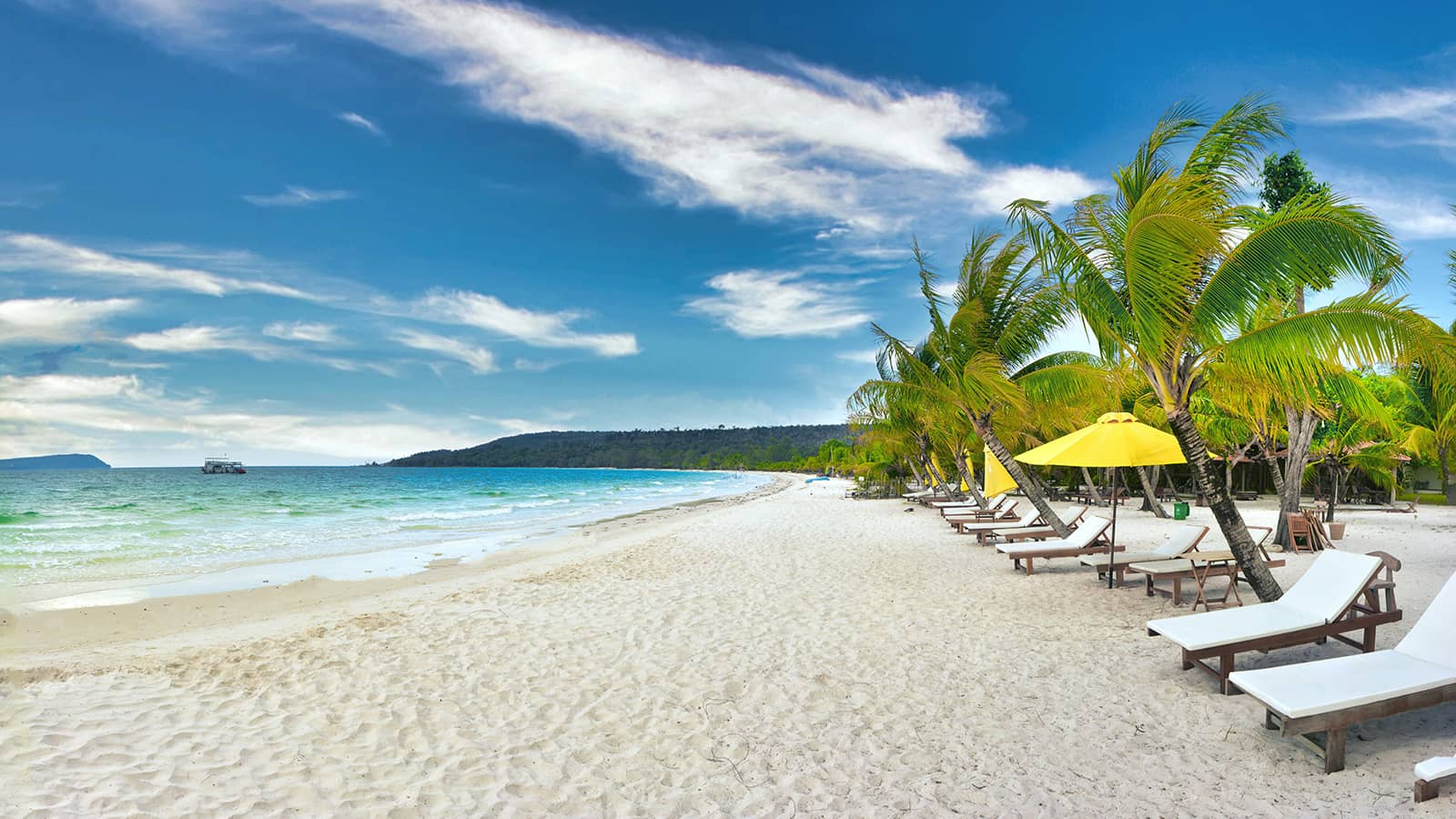
📷 Featured image by Monineath Horn on Unsplash.