On this page
- Why Japan’s No-Tipping Rule Exists
- Where Tipping Is Never Expected
- How to Show Genuine Appreciation Without Money
- Paying in Japan: Cash Is Still King in 2026
- IC Cards (Suica and Pasmo): The Smartest Daily Payment Tool
- Credit Cards: Where They Work and Where They Don’t
- Getting Cash: Convenience Store ATMs Step by Step
- Tax-Free Shopping for Tourists: The 2026 Rules
- 2026 Budget Reality: What Things Actually Cost
- Common Mistakes Tourists Make With Money in Japan
- Frequently Asked Questions
💰 Click here to see Japan Budget Breakdown
💰 Prices updated: October, 2026. Budget figures are estimates — always verify before travel.
Exchange Rate: $1 USD = ¥157.00
Daily Budget (per person)
Shoestring: ¥8,000 – ¥15,000 ($50.96 – $95.54)
Mid-range: ¥18,000 – ¥35,000 ($114.65 – $222.93)
Comfortable: ¥45,000 – ¥80,000 ($286.62 – $509.55)
Accommodation (per night)
Hostel/guesthouse: ¥2,500 – ¥6,000 ($15.92 – $38.22)
Mid-range hotel: ¥10,000 – ¥20,000 ($63.69 – $127.39)
Food (per meal)
Budget meal: ¥800.00 ($5.10)
Mid-range meal: ¥2,500.00 ($15.92)
Upscale meal: ¥20,000.00 ($127.39)
Transport
Single metro/bus trip: ¥250.00 ($1.59)
Monthly transport pass: ¥30,000.00 ($191.08)
Japan‘s service culture is extraordinary — and in 2026, with record numbers of foreign visitors arriving after years of pent-up demand, many travelers are still getting tripped up by the same basic question before they even land: do I tip in Japan? Beyond that, the yen fluctuation of recent years has shifted what counts as “affordable,” and first-timers are often blindsided when their foreign card gets declined at a traditional restaurant or when they can’t find a bank ATM that accepts international cards. This guide cuts through all of it.
Why Japan’s No-Tipping Rule Exists
Tipping is not just uncommon in Japan — it is genuinely out of place. The concept that makes this click is omotenashi, a Japanese philosophy of wholehearted hospitality that means giving your complete attention and care to a guest, with no expectation of reward. Service staff in Japan are not working for tips. They are doing their job with full professional pride, and the wage structure reflects that. The price you pay already accounts for the service you receive.
This isn’t a quirk or a holdover tradition waiting to be updated. In 2026, there are no active industry movements, government proposals, or cultural shifts pointing toward the adoption of tipping. Surveys of Japanese hospitality workers consistently show that receiving a cash tip feels awkward — not because of shyness, but because it changes the nature of the interaction from a professional exchange into something transactional and unequal.
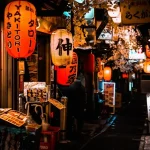
Think about standing at the counter of a tiny ramen shop in a Shinjuku back alley at midnight, watching the cook slide a steaming bowl across to you with both hands and a quiet nod. That gesture is not a performance angled toward a better tip. It is simply how things are done. Understanding that distinction changes how you experience Japan entirely.
Where Tipping Is Never Expected

To be specific and remove any ambiguity, here is every service category where tipping does not happen:
- Restaurants: From a 600 JPY standing soba counter to a 30,000 JPY kaiseki dinner, the bill presented to you is the final amount. Do not leave money on the table. Staff will assume you forgot it and run after you.
- Hotels: Do not tip bellhops who carry your luggage, housekeeping staff who prepare your room, or concierge staff who arrange your itinerary. This includes both budget business hotels and high-end ryokan.
- Taxis: The meter fare is what you pay. Rounding up is not customary. If the driver gives you change, take all of it.
- Hairdressers and barber shops: No tip. Pay the posted price and you are done.
- Spa and massage services: No tip, whether at an airport massage chair or a traditional onsen treatment room.
- Delivery drivers: No tip expected or appropriate.
- Tour guides: Japanese guides working for local companies do not expect tips. Guides employed by international tour operators that serve foreign visitors are sometimes accustomed to them — if in doubt, follow the guide, not the tour company’s foreign-market habits.
How to Show Genuine Appreciation Without Money
This is where many travelers miss an opportunity. You cannot tip in Japan, but you absolutely can express gratitude in ways that are culturally meaningful and genuinely received.
Verbal thanks: A sincere “arigatou gozaimasu” (thank you very much) delivered with eye contact and a slight bow goes a long way. Staff in tourist-heavy areas also appreciate a genuine “thank you” in English — the tone and sincerity translate regardless of language.
Omiyage (gift-giving): If a guide, host, or local contact has gone significantly above and beyond — perhaps a ryokan owner who arranged a special experience for you — a small, well-packaged food gift from your home country is genuinely appreciated. The key is presentation: Japanese gift culture values the wrapping as much as the contents. A box of chocolates or local sweets from your country, neatly wrapped, is a thoughtful gesture. Do not give loose or unwrapped items.

Positive reviews: This is perhaps the most practically useful form of appreciation in 2026. Leaving a detailed, genuine review on Google Maps in both English and, if you can manage it, a Japanese sentence or two via translation tools, is noticed by small business owners and genuinely helps them. Many Japanese small business owners check Google reviews closely since inbound tourism became a larger part of their revenue.
Returning the space in good order: In restaurants, stacking your dishes, folding your napkin, and leaving the table tidy is a quiet but noticed sign of respect.
Paying in Japan: Cash Is Still King in 2026
Despite steady growth in digital payments, Japan in 2026 is not a cashless society. Anyone who travels expecting to use a card everywhere will run into friction — particularly outside Tokyo, Osaka, and Kyoto’s main tourist corridors.
Cash is essential for:
- Smaller and traditional restaurants (many do not accept cards)
- Temple and shrine entry fees
- Local markets and craft stalls
- Rural buses (many require exact change or IC card — cash coins specifically)
- Vending machines (though IC card acceptance has expanded significantly)
- Guesthouses and smaller ryokan
The practical recommendation is to carry 10,000 to 30,000 JPY in cash when you are spending a full day outside major city centers. In Tokyo and Osaka’s tourist districts, you can get away with less, but never zero.
Japan introduced redesigned banknotes in July 2024 featuring new historical figures on the 1,000 JPY, 5,000 JPY, and 10,000 JPY notes. By 2026, both the new and old designs are in active circulation — both are fully valid. Do not be surprised if you receive a mix of old and new notes from ATMs.
JPY coins in circulation: 1 JPY, 5 JPY (hole in the center), 10 JPY, 50 JPY (hole in the center), 100 JPY, 500 JPY. The 2,000 JPY banknote exists but is genuinely rare — most Japanese people have never received one in everyday transactions.
IC Cards (Suica and Pasmo): The Smartest Daily Payment Tool
An IC card — primarily Suica or Pasmo in the Tokyo-Kyoto-Osaka corridor — is the single most useful item you can have in your wallet in Japan. These rechargeable smart cards work on trains, subways, buses, and as contactless payment in convenience stores, many vending machines, and an increasing number of restaurants and cafes.
Which Card to Get
Suica is issued by JR East and works nationwide on virtually all public transport. Pasmo is issued by non-JR operators in the Kanto region. In practical terms, both are interoperable across Japan — pick whichever is easiest to buy at the station where you arrive.
For tourists, the Welcome Suica and PASMO Passport are physical cards designed specifically for temporary visitors. They require no deposit (standard cards require a refundable 500 JPY deposit), are valid for 28 days from first use, and cannot be refunded at the end of your trip. You load them with whatever balance you want — 1,000, 2,000, or 3,000 JPY to start is typical. Purchase them at JR Travel Service Centers or at designated stations at Narita and Haneda airports.

Mobile IC Cards
If you have an iPhone or Android phone, you can add a Suica or Pasmo card directly to Apple Wallet or Google Pay before or after you arrive. This eliminates the need for a physical card entirely. Setup on iPhone: open the Wallet app, tap the “+” button, select “Transit Card,” choose Suica or Pasmo, and follow the prompts. Top up directly in the app using a linked credit or debit card.
Mobile IC cards have become significantly more reliable and user-friendly since 2024. Many travelers now use their phone as their only transit and small-purchase payment method throughout their trip.
Official resources: Suica at jreast.co.jp/suica/eng and Mobile Suica app guide at jreast.co.jp/suica/eng/app. Pasmo information for visitors at pasmo.co.jp/visitors/en.
Recharging is easy: at any ticket machine in a train station, or at the cash register of any 7-Eleven, Lawson, or FamilyMart. Minimum top-up is 1,000 JPY.
Credit Cards: Where They Work and Where They Don’t
Credit card acceptance in Japan has improved noticeably since 2024, pushed along by government digital payment initiatives and the growth of inbound tourism infrastructure. Visa and Mastercard are the most widely accepted. JCB, American Express, and UnionPay are also taken at a broad range of venues. Contactless (tap-to-pay) is now standard wherever cards are accepted at all.
Where cards work reliably in 2026:
- Department stores and major retail chains
- Most hotels and larger ryokan
- JR ticket offices and machines (for Shinkansen and long-distance tickets)
- Convenience stores (7-Eleven, Lawson, FamilyMart)
- Larger restaurants in tourist areas
- Major supermarkets
Where cards still fail regularly:
- Small, independent restaurants and izakayas
- Local ramen shops, soba restaurants, and standing-bar counters
- Traditional craft shops and smaller souvenir vendors
- Local buses outside major cities
- Some guesthouses and family-run inns
- Rural areas in general

Before dining at any traditional restaurant, look for card logos on the door or simply ask — “kaado wa tsukaemasuka?” (Can I use a card?). Most staff will understand the question even if their English is limited.
Always tell your bank you are traveling to Japan before you leave. Card freezes due to “unusual foreign activity” are frustrating but easily prevented with a quick call or in-app notification to your bank.
Getting Cash: Convenience Store ATMs Step by Step
Japan Post ATMs and convenience store ATMs (Seven Bank, Lawson Bank, E-net at FamilyMart) are the reliable way to withdraw cash with a foreign card. Regular bank ATMs in Japan — at Mizuho, Mitsubishi UFJ, Sumitomo Mitsui — often do not accept international cards at all, so don’t bother trying them first.
Seven Bank ATMs (inside every 7-Eleven) are available 24 hours a day, 7 days a week, and accept cards from virtually every country. Here is exactly how to use one:
- Tap the screen and select your language — English is one of the first options.
- Select “International Cards.”
- Insert your debit or credit card into the card slot.
- Enter your 4-digit PIN.
- Select “Withdrawal” (debit card) or “Cash Advance” (credit card).
- Enter the amount you want — common options are 10,000, 20,000, or 50,000 JPY. The maximum per transaction is typically 100,000 JPY, but your home bank’s daily limit may be lower.
- Confirm the transaction and wait for your cash, card, and receipt to be returned.
ATM fees: Seven Bank and Lawson Bank charge approximately 110 JPY for withdrawals up to 10,000 JPY and 220 JPY for withdrawals over 10,000 JPY. Your own bank will likely add an international withdrawal fee on top of this — check before you travel. To minimize total fees, withdraw larger amounts less frequently rather than small amounts multiple times.

Lawson Bank ATMs (inside Lawson stores) and E-net ATMs (inside FamilyMart stores) operate similarly and are equally reliable for foreign cards.
Tax-Free Shopping for Tourists: The 2026 Rules
If your passport shows “Temporary Visitor” immigration status and you are staying in Japan for less than six months, you can shop tax-free at participating retailers and have the 10% consumption tax removed from eligible purchases.
What Qualifies
General goods (electronics, clothing, bags, jewelry, appliances): minimum purchase of 5,000 JPY at a single store on a single day, excluding tax. You can use these items in Japan.
Consumable goods (food, beverages, cosmetics, medicines, tobacco): minimum 5,000 JPY and maximum 500,000 JPY at one store per day. These items are sealed in a transparent bag by the retailer and must not be opened until you leave Japan.
If you combine general and consumable items to meet the 5,000 JPY threshold, everything in that purchase is treated as consumable and gets sealed. Plan accordingly if you want to use any items during your trip.
The Process
Look for the “Tax-Free” logo on store doors or windows. At the tax-free counter, present your physical passport — digital copies and phone photos are not accepted. The tax is deducted immediately at the point of sale at most major retailers. You will receive a purchase record slip attached to your passport. Do not remove these slips before departing Japan.
At the airport, customs may inspect your tax-free purchases. Keep goods accessible in your carry-on or checked luggage depending on what you bought.
By 2026, larger department stores and major retailers have moved to electronic transmission of purchase records to Japan Customs, reducing reliance on paper slips. However, your passport is still required in person at the time of purchase.

The Japan Tourism Agency’s official tax-free information portal is taxfree.jp/en.
2026 Budget Reality: What Things Actually Cost
Exchange rates shift, but the following figures reflect realistic 2026 price ranges across common travel expenses. These are what you should budget per person per day.
Accommodation
- Budget: Hostel dorm or capsule hotel — 3,000–5,000 JPY per night
- Mid-range: Business hotel (Toyoko Inn, Dormy Inn) — 8,000–15,000 JPY per night
- Comfortable: Mid-tier hotel or entry-level ryokan — 18,000–35,000 JPY per night
Food
- Budget: Convenience store meal or standing ramen counter — 500–900 JPY per meal
- Mid-range: Sit-down restaurant, set lunch menu — 1,000–2,500 JPY per meal
- Comfortable: Dinner at a proper restaurant with drinks — 4,000–10,000 JPY per person
Transport
- Daily IC card usage (subway and local trains): 500–1,500 JPY per day in most cities
- Shinkansen (Tokyo to Kyoto, reserved seat): approximately 13,600–14,000 JPY one way
- 7-day JR Pass (Ordinary): approximately 50,000 JPY — worthwhile only if making multiple long-distance journeys
- Taxi (short city ride, 3–5 km): 1,500–2,500 JPY
Activities
- Budget: Temple and shrine visits — 0–600 JPY entry
- Mid-range: Museum or attraction entry — 1,000–2,000 JPY
- Comfortable: Day tour, cooking class, or special experience — 8,000–20,000 JPY
Common Mistakes Tourists Make With Money in Japan
After all the information above, these are the errors that still catch travelers off guard:
- Trying to tip and causing awkwardness: Staff will either not accept the money or spend more energy trying to give it back to you than the gesture was worth. Skip it entirely.
- Relying solely on credit cards: Choosing a restaurant you cannot pay for because you didn’t carry cash is a stressful and embarrassing situation. Always have backup cash.
- Using airport currency exchange counters: The rates are poor. Use a Seven Bank ATM in the arrivals hall instead.
- Withdrawing tiny amounts repeatedly: Each withdrawal has a fixed ATM fee. Take more cash less often.
- Not telling their bank about Japan travel: Cards get frozen. This happens most at the first foreign transaction. Notify your bank before departure.
- Removing tax-free purchase slips from their passport: This invalidates the tax exemption and can cause issues at customs. Leave them in place until you are through the departure gate.
- Forgetting coins: Japan’s vending machines, coin lockers at train stations, and some temple entry boxes require coins. Keep your 100 JPY and 500 JPY coins rather than treating them as annoyances.
- Assuming a loaded IC card can be refunded easily: Welcome Suica and PASMO Passport cards cannot be refunded. Load only what you expect to use. Standard cards with a 500 JPY deposit can be refunded at JR ticket offices, but it takes time.

Japan’s payment landscape in 2026 rewards preparation. The travelers who hit friction are almost always the ones who assumed Japan would work like their home country. The ones who enjoy it most are those who arrive with a loaded IC card, a reasonable amount of cash, and a clear understanding that the service surrounding them — in every shop, train, and restaurant — is offered with genuine care that needs no monetary top-up.
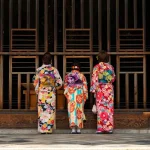
The delicate sweetness of a perfectly prepared wagashi sweet handed to you at a century-old shop in Kyoto’s Higashiyama district doesn’t come with a tip jar on the counter. It comes with a bow, a careful wrapper, and the same attention the shop has given every customer for generations. That’s the trade you make when you visit Japan — and it’s a good one.
Frequently Asked Questions
Is tipping ever acceptable in Japan?
No. Tipping is not part of Japanese service culture and can cause genuine awkwardness. Exceptional service is considered a professional standard, not something requiring an extra payment. If you want to express gratitude, a sincere verbal thank-you or a small wrapped gift from your home country is far more appropriate than leaving cash.

What is the best way to get Japanese yen when I arrive?
Use a convenience store ATM — Seven Bank ATMs are inside every 7-Eleven, accept virtually all international cards, and operate 24/7. Airport currency exchange counters offer significantly worse rates and should be avoided. Withdraw enough to cover your first day or two comfortably rather than the minimum amount, since each transaction carries a fixed fee of approximately 110–220 JPY.
Do I need cash in Japan in 2026 or can I use a card everywhere?
Cash is still essential in 2026. Credit card acceptance has improved significantly in tourist-heavy urban areas, but smaller restaurants, local buses, temples, markets, and rural businesses frequently operate cash-only. Always carry at least 10,000–20,000 JPY, especially when leaving major city centers for the day.
What is a Suica card and do I really need one?
Suica is a rechargeable IC smart card used for trains, subways, buses, and payments at convenience stores and vending machines across Japan. It is not strictly required, but it makes daily travel dramatically faster and easier. Tourists can get a Welcome Suica (no deposit, 28-day validity) at Narita or Haneda airport stations or add Mobile Suica directly to Apple Wallet or Google Pay.
Can I get a tax refund on shopping in Japan as a tourist?
Yes, if you hold “Temporary Visitor” status. Spend a minimum of 5,000 JPY (excluding tax) at a participating tax-free store in a single day and present your physical passport. The 10% consumption tax is deducted at the point of sale. Purchase record slips are attached to your passport and must stay there until you clear customs when departing Japan.
📷 Featured image by Martijn Baudoin on Unsplash.