On this page
- Essential Tokyo Neighborhoods Every First-Timer Should Visit
- Must-See Temples, Shrines, and Traditional Experiences
- Modern Tokyo: Skyscrapers, Technology, and Urban Wonders
- Tokyo’s Food Scene: Where to Eat Like a Local
- Shopping Districts and What Makes Each Special
- Day Trip Options from Central Tokyo
- Navigating Tokyo’s Transport System in 2026
- Budget Breakdown: What to Expect in 2026
- Frequently Asked Questions
💰 Click here to see Japan Budget Breakdown
💰 Prices updated: October, 2026. Budget figures are estimates — always verify before travel.
Exchange Rate: $1 USD = ¥157.00
Daily Budget (per person)
Shoestring: ¥8,000 – ¥15,000 ($50.96 – $95.54)
Mid-range: ¥18,000 – ¥35,000 ($114.65 – $222.93)
Comfortable: ¥45,000 – ¥80,000 ($286.62 – $509.55)
Accommodation (per night)
Hostel/guesthouse: ¥2,500 – ¥6,000 ($15.92 – $38.22)
Mid-range hotel: ¥10,000 – ¥20,000 ($63.69 – $127.39)
Food (per meal)
Budget meal: ¥800.00 ($5.10)
Mid-range meal: ¥2,500.00 ($15.92)
Upscale meal: ¥20,000.00 ($127.39)
Transport
Single metro/bus trip: ¥250.00 ($1.59)
Monthly transport pass: ¥30,000.00 ($191.08)
Tokyo in 2026 presents first-time visitors with an overwhelming array of choices, made more complex by recent infrastructure changes including the expanded Yamanote Line extensions and updated Japan Rail Pass pricing structure. The city’s 23 special wards each offer distinct experiences, from the neon-drenched streets of Shibuya to the traditional craftsman quarters of Asakusa, making strategic planning essential for maximizing your initial visit.
Essential Tokyo Neighborhoods Every First-Timer Should Visit
Shibuya remains Tokyo’s beating heart, where the famous crossing sees over 3,000 people traverse during peak times. The area surrounding Shibuya Station has been completely transformed with the 2026 completion of the Shibuya Sky development, offering 360-degree city views from the 46th floor. The energy here is infectious, especially during the evening rush when salary workers mix with teenagers heading to karaoke boxes.
Harajuku continues its evolution as Japan’s youth culture epicenter. Takeshita Street pulses with teenagers sporting elaborate cosplay outfits, while the quieter back streets reveal independent boutiques selling handmade accessories you won’t find anywhere else. The contrast between the chaos of Takeshita and the serene Meiji Shrine just steps away perfectly captures Tokyo’s dual nature.
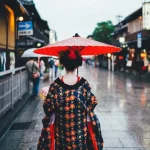
Asakusa provides your essential dose of traditional Tokyo. The approach to Sensoji Temple through Nakamise-dori shopping street fills the air with the sweet aroma of ningyo-yaki (doll-shaped cakes) and the sound of wooden geta sandals on stone. Visit early morning or late evening to experience the temple grounds without crushing crowds.
Ginza represents Tokyo’s luxury shopping pinnacle, but even budget travelers should walk its wide boulevards to appreciate the architectural masterpieces housing flagship stores. The area transforms on weekends when traffic is banned, creating pedestrian paradise.
Shinjuku offers everything Tokyo represents compressed into one intense district. The east side buzzes with electronics stores and pachinko parlors, while the west showcases towering business districts. The narrow alleys of Golden Gai pack over 200 tiny bars into just a few blocks, each establishment seating barely six people.

Must-See Temples, Shrines, and Traditional Experiences
Sensoji Temple in Asakusa, dating to 628 CE, remains Tokyo’s oldest Buddhist temple and most visited spiritual site. The massive red lantern at Kaminarimon Gate creates an iconic photo opportunity, but the real magic happens in the main hall where the incense smoke is believed to have healing properties. Locals and visitors alike waft the aromatic smoke toward their bodies.
Meiji Shrine honors Emperor Meiji and sits within a 100-hectare forest that feels worlds away from Harajuku’s chaos just outside its gates. The shrine’s sake barrels, donated annually by breweries nationwide, create a colorful display near the main entrance. Weekend visits often coincide with traditional Shinto wedding ceremonies.
The Imperial East Gardens provide free access to former Edo Castle grounds, offering seasonal beauty that changes dramatically throughout the year. Cherry blossoms in April and autumn maples in November draw the largest crowds, but the winter landscape reveals the gardens’ architectural bones most clearly.
For authentic cultural immersion, visit a traditional public bath (sento) in neighborhoods like Yanaka or Shibamata. These community gathering places maintain customs dating back centuries, though modern additions like cold plunge pools and infrared saunas reflect contemporary wellness trends.
Modern Tokyo: Skyscrapers, Technology, and Urban Wonders
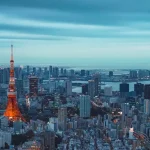
Tokyo Skytree, completed in 2012 but continuously updated with new technology, offers two observation decks at 350m and 450m heights. The tower’s LED illumination system changes nightly, creating different moods across the cityscape. Book fast-skip tickets online to avoid hour-long queues, especially during peak tourist seasons.

The teamLab Borderless digital art museum relocated to Toyosu in 2024, featuring expanded interactive installations where visitors become part of ever-changing artwork. The experience requires 2-3 hours minimum, and comfortable walking shoes are essential as you’ll navigate dark spaces and reflective floors.
The Robot Restaurant in Shinjuku, despite its name serving no food, presents a sensory overload of flashing lights, giant robots, and pounding music. This peculiar entertainment experience epitomizes Tokyo’s embrace of technological spectacle.
Tokyo’s Food Scene: Where to Eat Like a Local
Tsukiji Outer Market continues operating despite the wholesale market’s 2018 relocation, offering the city’s freshest sushi breakfast experience. Arrive by 6 AM to secure spots at legendary establishments like Joyato, where the tuna melts on your tongue while the morning’s first light filters through the market’s narrow alleys.
Memory Lane (Omoide Yokocho) near Shinjuku Station packs dozens of yakitori stalls into a space smaller than a city block. The charcoal smoke mingles with the aroma of grilled chicken skin and cold beer, creating an atmosphere that transports you to 1960s Tokyo. Most stalls seat only 8-10 people, encouraging conversation with strangers.
For authentic ramen, skip the tourist-heavy shops and head to local favorites like Ichiran or Ippudo, where the rich tonkotsu broth is prepared over 20+ hours. The steaming bowls arrive piping hot, and slurping loudly isn’t just acceptable—it’s encouraged to cool the noodles and enhance flavors.
Department store basement food courts (depachika) in Ginza, Shibuya, and Shinjuku showcase Japan’s commitment to food presentation. These underground wonderlands offer everything from elaborate bento boxes to individual pieces of fruit packaged like precious gems. Prices reflect the artisanal quality.
Convenience stores (konbini) provide surprisingly high-quality meals 24/7. Family Mart’s fried chicken and 7-Eleven’s onigiri rice balls satisfy hunger pangs between major meals, while hot coffee from vending machines costs just ¥100-150.

Shopping Districts and What Makes Each Special
Harajuku’s shopping ecosystem divides into distinct zones. Takeshita Street caters to teenagers with colorful accessories, costume pieces, and quirky character goods starting around ¥500. Omotesando Hills offers high-end fashion in a stunning architectural space designed by Tadao Ando, while the back streets between reveal independent designers selling unique pieces you won’t find elsewhere.
Akihabara remains the electronics and anime merchandise capital, though its character has evolved significantly since 2020. Multi-story electronics stores like Yodobashi Camera offer tax-free shopping for tourists, while specialized manga and figure shops cater to collectors seeking rare items. Maid cafes provide quirky cultural experiences, though prices can reach ¥3,000+ per visit.
Asakusa’s Nakamise-dori shopping street leading to Sensoji Temple specializes in traditional souvenirs, folding fans, wooden combs, and food items like melon pan and taiyaki fish-shaped pastries. Prices are tourist-oriented but reasonable, with most items ranging ¥300-2,000.
Day Trip Options from Central Tokyo
Kamakura, accessible via 50-minute train ride from Shinjuku, offers historical temples and the famous Great Buddha statue. The coastal town’s laid-back atmosphere contrasts sharply with Tokyo’s intensity. Rent bicycles near Kamakura Station to efficiently visit multiple temples while enjoying seaside views.
Mount Fuji viewing from Kawaguchi Lake provides Japan’s most iconic scenery when weather cooperates. The 2-hour journey by bus or train from Shinjuku rewards visitors with lakeside views of the sacred mountain. Early morning visits offer the best visibility and fewer crowds.
Nikko’s UNESCO World Heritage shrines showcase elaborate Edo-period architecture surrounded by pristine forests. The 2-hour train journey from Asakusa leads to Toshogu Shrine’s intricate wood carvings and gold decorations. Pack layers as mountain temperatures run 5-10°C cooler than Tokyo.

Hakone’s hot springs and mountain scenery create perfect relaxation after Tokyo’s urban intensity. The circular route using trains, cable cars, pirate ships, and buses provides varied transportation experiences while showcasing different volcanic landscape perspectives.
Navigating Tokyo’s Transport System in 2026
The Japan Rail Pass underwent significant pricing changes in 2024, with 7-day passes now costing ¥50,000+ for ordinary cars. However, the Yamanote Line extension to Shinagawa and improved connections to Haneda Airport make city navigation more efficient than ever.
Tokyo Metro and Toei subway lines cover the city comprehensively, with day passes costing ¥1,590 for unlimited rides. Download the official Tokyo Metro app for real-time navigation and English announcements. Rush hours (7:30-9:30 AM and 5:30-7:30 PM) pack trains beyond comfort levels.
IC cards (Suica or Pasmo) work across all Tokyo transport systems plus convenience stores, vending machines, and many restaurants. Load ¥2,000-5,000 initially and reload as needed at any station.
Taxis remain expensive with base fares starting around ¥500 plus distance charges. Use taxi apps like GO for English support and upfront pricing. Late-night surcharges apply after 10 PM.
Walking remains the best way to explore individual neighborhoods. Tokyo’s grid system in areas like Ginza makes navigation straightforward, while districts like Shibuya require mental mapping of landmark buildings and major intersections.
Budget Breakdown: What to Expect in 2026
Budget Level (¥8,000-12,000 per day):
- Accommodation: Capsule hotels or hostels ¥3,000-5,000/night
- Food: Convenience store meals, ramen shops, casual dining ¥2,000-3,000/day
- Transport: Day passes and local trains ¥1,000-1,500/day
- Activities: Free temples, parks, window shopping ¥1,000-2,500/day
Mid-range Level (¥15,000-25,000 per day):
- Accommodation: Business hotels or ryokans ¥8,000-15,000/night
- Food: Department store restaurants, sushi bars ¥4,000-6,000/day
- Transport: Taxis for convenience, express trains ¥2,000-3,000/day
- Activities: Observation decks, museums, entertainment ¥5,000-6,000/day
Comfortable Level (¥30,000+ per day):
- Accommodation: Luxury hotels in prime locations ¥20,000+/night
- Food: Michelin-starred restaurants, premium experiences ¥8,000+/day
- Transport: Private cars, first-class rail travel ¥3,000+/day
- Activities: VIP experiences, exclusive tours ¥10,000+/day

Currency exchange rates in 2026 favor international visitors, with many attractions offering digital discount tickets through official apps. Factor in Japan’s 10% consumption tax on most purchases, though tax-free shopping applies to foreign tourists spending over ¥5,000 at participating stores.
Frequently Asked Questions
How many days do I need for a first Tokyo visit?
Plan minimum 5-7 days to cover essential neighborhoods, major attractions, and day trips. This allows proper exploration without rushing, plus flexibility for weather-dependent activities like Mount Fuji viewing or outdoor shrine visits.
When is the best time to visit Tokyo for first-timers?
April (cherry blossoms) and October-November (autumn colors) offer ideal weather and scenery, though crowds and prices peak. January-February provides fewer tourists and clear Mount Fuji views, while summer brings festivals but intense heat and humidity.
Do I need to speak Japanese to navigate Tokyo?
English signage covers all major stations and tourist areas. Translation apps handle restaurant menus and basic communication. Learn basic phrases like “arigato gozaimasu” (thank you) and “sumimasen” (excuse me) to show respect for local culture.
How much cash should I carry daily in Tokyo?
Carry ¥10,000-15,000 cash daily as many small restaurants, temples, and shops remain cash-only. ATMs in 7-Eleven and post offices accept foreign cards. IC cards reduce cash needs for transport and convenience purchases.
What’s the biggest mistake first-time Tokyo visitors make?
Trying to see everything in limited time leads to exhaustion and surface-level experiences. Focus on 2-3 neighborhoods per day, allowing time for spontaneous discoveries like small shrine festivals or hidden restaurants that create lasting memories.
Explore more
Tokyo Itinerary: The Ultimate 7-Day Guide for First-Time Visitors
The Ultimate List of Things to Do in Tokyo for First-Time Visitors
First Time in Tokyo? Your Perfect 7-Day Itinerary & Travel Guide
📷 Featured image by Jezael Melgoza on Unsplash.