On this page
- Public Transportation Missteps That Mark You as a Tourist
- Restaurant and Food Etiquette Blunders to Avoid
- Temple and Shrine Behavior That Locals Find Offensive
- Social Interaction Mistakes That Create Awkward Moments
- Shopping and Service Encounters: Common Cultural Pitfalls
- Money Matters: Payment and Tipping Faux Pas
- Photography and Personal Space Boundaries
- Budget Reality: Costs When Cultural Mistakes Lead to Extra Expenses
- Frequently Asked Questions
Japan’s reputation for politeness can feel intimidating for first-time visitors in 2026, but most locals understand that tourists are learning. The real challenge isn’t avoiding every cultural misstep — it’s knowing which behaviors genuinely disrupt social harmony and which are simply different from your home country. Understanding these boundaries will transform your experience from anxious navigation to confident exploration.
Public Transportation Missteps That Mark You as a Tourist
Japan’s trains run with clockwork precision, and passengers follow unspoken rules that keep the system flowing smoothly. The most jarring mistake foreigners make is talking loudly on trains, especially during phone calls. Japanese commuters maintain near-silence during peak hours, creating an almost meditative atmosphere broken only by the gentle hum of the train and station announcements.
Priority seating violations cause genuine frustration among locals. These silver-colored seats near train doors are reserved for elderly passengers, pregnant women, people with disabilities, and those carrying small children. Sitting in these seats when you don’t qualify — even on empty trains — sends the wrong message. Many foreign visitors don’t realize these seats are marked with subtle silver fabric rather than obvious signage.
Backpack protocol matters more than you might expect. During rush hours, remove your backpack and hold it in front of you or place it on the overhead rack. A backpack worn normally takes up the space of two people and will bump into other passengers as you move. This consideration becomes especially important on crowded Tokyo trains where personal space shrinks to mere centimeters.
Boarding etiquette follows a strict pattern: passengers exit first, then those waiting board. Standing directly in front of train doors while people are trying to exit creates bottlenecks and frustrated sighs from locals. Position yourself to either side of the doors and wait for the flow to stop before stepping forward.

Restaurant and Food Etiquette Blunders to Avoid
Chopstick mistakes rank among the most serious dining faux pas in Japanese culture. Never stick chopsticks upright in a bowl of rice — this resembles incense burned at funerals and evokes thoughts of death during meals. Similarly, passing food directly from your chopsticks to someone else’s mimics funeral rituals where family members pass bones of the deceased. Use serving utensils or place food on the person’s plate instead.
The steaming bowl of miso soup that accompanies most traditional meals should be lifted to your mouth and drunk directly, not eaten with a spoon. This isn’t considered rude — it’s the proper way to consume soup in Japan. The delicate balance of flavors is best experienced when the warm broth touches your lips directly, and you’ll hear locals doing exactly this around you.
Wasting food violates deep cultural values about gratitude and respect for ingredients. Japanese meals often include small portions of various dishes, and leaving food unfinished suggests you didn’t appreciate the chef’s efforts. The phrase “gochisousama deshita” (thank you for the meal) carries real meaning — it acknowledges everyone involved in bringing that food to your table.
Sauce and seasoning additions can insult the chef’s carefully balanced flavors. Adding soy sauce to sushi rice or requesting salt for perfectly seasoned tempura suggests the cook doesn’t know their craft. If condiments are provided, use them sparingly and only where intended. Each dish arrives seasoned to complement its specific ingredients and preparation method.
Izakaya (Japanese pub) culture involves sharing dishes placed in the center of the table. Taking the last piece of anything without offering it to others first breaks social etiquette. Similarly, pouring your own drink when dining with others is considered selfish — keep an eye on your companions’ glasses and refill them when empty. They’ll reciprocate for your glass.

Temple and Shrine Behavior That Locals Find Offensive
Temple and shrine protocols differ significantly, and mixing them up shows cultural ignorance that locals notice immediately. At Shinto shrines, bow before passing through the torii gate — this marks your entry into sacred space. Buddhist temples don’t require this gate ritual, but removing your hat and maintaining respectful silence applies to both.
The purification ritual at shrine entrance fountains follows specific steps that many tourists rush through or skip entirely. Use the ladle to pour water over your left hand, then your right hand, then rinse your mouth (don’t drink the water). Never put your mouth directly on the ladle or pour water back into the basin. This cleansing prepares you spiritually for prayer and shows respect for the sacred space.
Photography restrictions vary widely between religious sites, and assuming permission creates awkward confrontations with temple staff. Many sites prohibit photos inside main halls where active worship occurs, while others allow photography in certain areas only. Look for clear signage or ask permission politely rather than assuming social media documentation is welcome everywhere.
Prayer etiquette differs between shrines and temples in ways that matter to practitioners. At shrines, bow twice, clap twice, pray silently, then bow once more. At temples, simply bow, pray quietly, and bow again — no clapping. Making noise during others’ prayers or treating these spaces like tourist attractions rather than active places of worship disrupts the spiritual atmosphere that locals seek.

Shoe removal applies to certain temple buildings but not shrine grounds. Watch what others do and follow their lead. Wearing shoes where they’re prohibited or walking barefoot where shoes are expected both mark you as culturally unaware. Temple buildings often provide slippers for visitors, while shrine worship typically occurs outdoors.
Social Interaction Mistakes That Create Awkward Moments
Bowing protocols carry more significance than simple politeness — they communicate respect levels and social understanding. The depth of your bow should match the situation: a slight nod for casual thanks, a 15-degree bow for standard greetings, and deeper bows for apologies or formal situations. Attempting to bow while shaking hands creates confusion, as these gestures belong to different cultural systems.
Physical contact norms differ dramatically from Western cultures, where casual touching during conversation feels natural. Japanese social interaction maintains clear personal space boundaries, and touching someone’s shoulder, arm, or back during conversation makes them uncomfortable. Even friendly gestures like back pats or arm touches that show warmth in other cultures can seem invasive here.
Gift exchange carries ritual importance that goes beyond simple politeness. When receiving business cards, accept them with both hands, read them carefully, and place them respectfully on the table during meetings — never in your back pocket or wallet immediately. Similarly, when giving omiyage (regional souvenirs), present them with both hands and modest phrases about their humble quality, even if they’re expensive.
Loudness levels that feel normal in other countries can overwhelm Japanese social settings. Public conversations, phone calls, and general excitement should be modulated to match the ambient noise level around you. This applies especially in restaurants, trains, and shopping areas where maintaining wa (social harmony) requires everyone to moderate their volume.
Age and hierarchy recognition affects how you interact with service staff, older individuals, and authority figures. Using casual language with elder Japanese people or treating service workers as equals rather than showing appropriate respect creates social tension. The Japanese concept of respect runs deeper than simple politeness — it acknowledges social relationships and shows cultural awareness.

Shopping and Service Encounters: Common Cultural Pitfalls
Service interactions in Japan follow established patterns that prioritize customer respect and staff dignity. Demanding immediate attention, interrupting staff helping other customers, or expressing frustration when language barriers arise disrupts the careful balance of Japanese customer service. Staff members bow and use honorific language because it’s culturally important, not because they’re subservient.
Haggling and bargaining violates fundamental principles of Japanese commerce outside specific contexts like some traditional markets. Posted prices reflect fair value, and attempting to negotiate suggests you don’t trust the merchant’s honesty. This applies especially to department stores, convenience stores, and restaurants where fixed pricing demonstrates respect for both customers and businesses.
Convenience store etiquette includes several unspoken rules that tourists frequently miss. Don’t open food packaging before paying, avoid blocking narrow aisles while deciding, and have your payment method ready when approaching the counter. The staff’s efficient service rhythm depends on customers understanding these flow patterns, and disrupting them creates delays for everyone.
Department store protocols require attention to details that show cultural awareness. Many stores provide plastic umbrellas stands at entrances during rainy weather — use them rather than dripping on floors. Similarly, some clothing stores provide plastic gloves for trying on makeup or touching delicate fabrics. These systems protect merchandise while showing consideration for other customers.
Return policies in Japan often differ from Western expectations, with many stores requiring original packaging and receipts for any exchanges. Understanding these policies before purchasing prevents disappointment and awkward conversations with staff who can’t bend rules that protect both business and customer interests.

Money Matters: Payment and Tipping Faux Pas
Tipping creates genuine embarrassment for Japanese service workers who take pride in providing excellent service as part of their job, not for additional compensation. Leaving money on restaurant tables, offering cash to taxi drivers beyond the fare, or trying to tip hotel staff suggests their base service isn’t adequate. This practice can actually offend people who work hard to maintain professional dignity.
Cash handling follows specific protocols that show respect for money as a cultural concept. Place bills neatly in the small tray provided at registers rather than handing cash directly to cashiers. This system maintains hygiene while showing proper respect for the transaction. Similarly, accept change with both hands and take time to organize it properly rather than rushing to leave.
Credit card usage has expanded significantly in 2026, but many small establishments, traditional restaurants, and local shops still operate cash-only. Assuming card acceptance and expressing frustration when it’s not available creates unnecessary stress for merchants who often lack the infrastructure for electronic payments due to older business models, not technological backwardness.
Tax considerations matter more in 2026 following recent consumption tax updates. Foreign visitors can claim tax exemptions on purchases over ¥5,500 at participating stores, but this requires proper documentation and understanding of the process. Attempting to claim exemptions incorrectly or at non-participating stores wastes everyone’s time.
Photography and Personal Space Boundaries
Street photography requires careful consideration of personal privacy that goes beyond simple politeness. Taking photos of people without permission, even in public spaces, violates cultural norms about consent and personal dignity. This applies especially to commuters on trains, diners in restaurants, and shoppers in markets who didn’t choose to become part of your travel documentation.

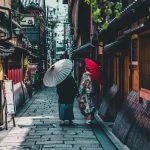
Geisha and maiko photography has become a particular concern in historic districts like Kyoto’s Gion area. These are working professionals heading to appointments, not tourist attractions posing for photos. Following them, blocking their paths for pictures, or treating them like theme park characters shows deep cultural insensitivity that locals actively discourage.
Food photography, while generally accepted in 2026, should be done quickly and quietly without disrupting other diners’ experiences. Using flash photography in dim restaurants, standing on chairs for better angles, or spending excessive time arranging dishes for social media posts draws negative attention and can disturb the carefully maintained atmosphere.
Religious site photography boundaries vary dramatically and change frequently based on ceremonies, renovations, and seasonal considerations. Sacred statues, active prayer areas, and ceremonial objects often remain off-limits regardless of general photography policies. When in doubt, observe what locals are doing and follow their lead rather than testing boundaries.
Personal space invasion through photography creates discomfort that extends beyond the immediate moment. Standing too close while photographing landmarks, reaching over people for better angles, or using equipment that intrudes on others’ experiences shows disregard for shared public spaces that Japanese culture values highly.
Budget Reality: Costs When Cultural Mistakes Lead to Extra Expenses
Cultural missteps can create unexpected financial consequences that impact your travel budget in ways that aren’t immediately obvious. Understanding these costs helps you plan more effectively while avoiding embarrassing situations.
Transportation Penalties: Improper train etiquette rarely results in fines, but missing connections due to boarding mistakes can cost ¥500-2,000 in additional tickets. Reserved seat violations on shinkansen can result in ¥1,000-3,000 surcharges when conductors require you to purchase proper tickets.

Restaurant Recovery: Food waste penalties aren’t common, but some all-you-can-eat establishments charge ¥500-1,500 for excessive leftovers. More significantly, poor etiquette might limit your access to exclusive dining experiences that require cultural awareness to book.
Shopping Complications: Return policies vary widely, but cultural misunderstandings can prevent exchanges that would otherwise be possible. Budget ¥2,000-5,000 extra for purchases you can’t return due to protocol mistakes.
Service Recovery: While tipping isn’t expected, cultural mistakes sometimes require small gifts (¥1,000-3,000) to restore relationships with important service providers like ryokan staff or tour guides.
Alternative Experiences: Poor cultural awareness might limit access to traditional experiences. Private cultural lessons cost ¥8,000-15,000 per hour if you need to learn etiquette that should have been understood beforehand.
Frequently Asked Questions
What should I do if I accidentally break a cultural rule in Japan?
Acknowledge the mistake with a sincere bow and “sumimasen” (excuse me/sorry). Most Japanese people appreciate foreigners who recognize their errors and show willingness to learn. Genuine apologies combined with corrected behavior demonstrate respect for local culture.
Are Japanese people really offended by cultural mistakes, or is this exaggerated?
Most Japanese people understand that foreigners are learning and don’t take minor mistakes personally. However, repeated violations or obvious disregard for cultural norms can create genuine discomfort and limit your social interactions during travel.
How can I learn proper etiquette quickly before my trip?
Focus on basic rules for transportation, dining, and religious sites rather than trying to master every detail. Watch YouTube videos, practice chopstick etiquette at home, and learn key phrases like “arigatou gozaimasu” and “sumimasen” for common situations.
What’s the most important cultural rule that tourists typically ignore?
Maintaining appropriate volume levels in public spaces. Loud conversations, phone calls, and general noise disrupts the social harmony that Japanese culture values. Matching your volume to the ambient environment shows immediate cultural awareness.
Should I avoid certain behaviors even if I see other foreigners doing them?
Yes, follow Japanese social cues rather than copying other tourists who might also be making cultural mistakes. Observe local behavior and ask hotel staff or guides when you’re uncertain about appropriate conduct in specific situations.
📷 Featured image by Tianshu Liu on Unsplash.