On this page
- Historic Temples That Define Kyoto’s Soul
- Traditional Neighborhoods for Cultural Immersion
- Cherry Blossom and Garden Experiences
- Museums and Cultural Attractions
- Food Markets and Culinary Adventures
- Traditional Entertainment and Cultural Experiences
- Day Trip Destinations from Central Kyoto
- Shopping for Authentic Japanese Crafts
- Seasonal Festivals and Events in 2026
- Budget Planning for Your Kyoto Visit
- Frequently Asked Questions
💰 Click here to see Japan Budget Breakdown
💰 Prices updated: October, 2026. Budget figures are estimates — always verify before travel.
Exchange Rate: $1 USD = ¥157.00
Daily Budget (per person)
Shoestring: ¥8,000 – ¥15,000 ($50.96 – $95.54)
Mid-range: ¥18,000 – ¥35,000 ($114.65 – $222.93)
Comfortable: ¥45,000 – ¥80,000 ($286.62 – $509.55)
Accommodation (per night)
Hostel/guesthouse: ¥2,500 – ¥6,000 ($15.92 – $38.22)
Mid-range hotel: ¥10,000 – ¥20,000 ($63.69 – $127.39)
Food (per meal)
Budget meal: ¥800.00 ($5.10)
Mid-range meal: ¥2,500.00 ($15.92)
Upscale meal: ¥20,000.00 ($127.39)
Transport
Single metro/bus trip: ¥250.00 ($1.59)
Monthly transport pass: ¥30,000.00 ($191.08)
Planning your first visit to Kyoto in 2026 means navigating a city that seamlessly blends 1,600 years of history with modern convenience. With over 2,000 Temples and shrines scattered across the ancient capital, choosing what to see can feel overwhelming. The good news? Recent infrastructure improvements, including expanded subway lines and better English signage throughout the city, make exploring easier than ever for international visitors.
Historic Temples That Define Kyoto’s Soul
Start your Kyoto journey at Kiyomizu-dera Temple, perched dramatically on wooden stilts overlooking the city. The temple’s famous wooden stage offers panoramic views, but arrive before 8:00 AM to experience the morning mist rolling over traditional rooftops without the crowds. The surrounding Sannenzaka and Ninenzaka stone-paved streets lead you through centuries of preserved architecture.
Fushimi Inari Shrine deserves an entire morning, with its thousands of vermilion torii gates winding up Mount Inari. The complete hike to the summit takes three hours, but you’ll find stunning photo opportunities every few hundred meters. Pack water and comfortable shoes – the mountain trail can be steep and humid even in cooler months.
The golden Kinkaku-ji (Golden Pavilion) reflects perfectly in its surrounding pond, creating one of Japan’s most photographed scenes. Visit during late afternoon when the setting sun illuminates the gold leaf covering, making the entire structure glow against the dark water.
Bamboo Grove in Arashiyama creates a natural cathedral of towering green stalks. The filtered sunlight and rustling leaves overhead provide a sensory experience unlike anywhere else in Japan. Early morning visits offer the best lighting and fewer tourists disrupting the peaceful atmosphere.
Traditional Neighborhoods for Cultural Immersion
Gion District remains Kyoto’s most famous geisha quarter, where narrow streets lined with traditional ochaya (tea houses) transport you to feudal Japan. Walk slowly through the atmospheric alleys between 6:00 PM and 8:00 PM for the best chance of spotting geiko and maiko heading to evening appointments.

Pontocho Alley runs parallel to the Kamogawa River, packed with tiny restaurants and bars in converted machiya (wooden townhouses). The narrow passage, barely wide enough for two people, buzzes with activity as locals and visitors navigate between traditional kaiseki restaurants and modern fusion spots.
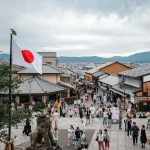
Higashiyama District preserves the atmosphere of old Kyoto with its preserved wooden buildings housing traditional shops, cafes, and restaurants. Browse for handmade ceramics, sample matcha and wagashi sweets, or simply wander the cobblestone streets that have remained largely unchanged for centuries.
The Philosopher’s Path (Tetsugaku-no-michi) connects several important temples via a peaceful stone walkway following a cherry tree-lined canal. This two-kilometer walk links Ginkaku-ji to Nanzen-ji, passing small shops, cafes, and traditional gardens perfect for contemplative strolls.
Cherry Blossom and Garden Experiences
Maruyama Park serves as Kyoto’s premier hanami (cherry blossom viewing) location, with over 800 cherry trees creating a pink canopy in early April. The park transforms into an outdoor festival during peak bloom, with families and friends gathering for picnics beneath the blossoms.
Ryoan-ji Temple features Japan’s most famous rock garden – fifteen carefully arranged stones in raked white gravel that changes appearance based on your viewing angle. Sit quietly on the wooden veranda and experience the meditative quality that has inspired visitors for over 500 years.
The Imperial Palace East Gardens showcase different seasonal flowers throughout the year, from plum blossoms in February to autumn maples in November. The meticulously maintained landscapes demonstrate the Japanese aesthetic principle of capturing nature’s essence in miniature.
Tenryu-ji Temple Garden in Arashiyama combines borrowed scenery from the surrounding mountains with carefully designed ponds and pathways. The garden maintains its beauty year-round, with each season highlighting different elements of the composition.

Museums and Cultural Attractions
The Kyoto National Museum houses Japan’s most comprehensive collection of Buddhist art, including sculptures, paintings, and ceremonial objects spanning over 1,000 years. The museum’s modern galleries, renovated in 2024, provide excellent English explanations of Japanese religious and cultural history.
Nijo Castle demonstrates the power and artistry of the Tokugawa shogunate through its ornate chambers and famous “nightingale floors” that squeak to warn of intruders. The castle grounds bloom spectacularly with cherry blossoms and offer insight into Japan’s political transformation during the Edo period.
The Kyoto International Manga Museum celebrates Japan’s influential comic art form with over 300,000 manga volumes. Interactive exhibits and workshops let visitors try their hand at manga creation while learning about this uniquely Japanese storytelling medium.
Sanjusangen-do Hall contains 1,001 wooden statues of Kannon arranged in perfect rows, creating a mesmerizing visual experience. The hall stretches 120 meters, making it one of the world’s longest wooden buildings, filled with Buddhist artistry from the 12th century.
Food Markets and Culinary Adventures
Nishiki Market, known as “Kyoto’s Kitchen,” stretches for five blocks through the city center, packed with vendors selling local specialties. Sample freshly made yuba (tofu skin), matcha-flavored treats, and Kyoto’s famous kaiseki ingredients while navigating the crowded 400-meter corridor.
Try karaimo (sweet potato) soft-serve, fresh mochi filled with seasonal ingredients, and traditional Kyoto pickles that add bright flavors to every meal. Vendors call out their specialties while the aromatic steam rises from countless food stalls.
Traditional tea ceremony experiences at temples like Kodai-ji provide hands-on cultural immersion. Learn the precise movements and philosophy behind this meditative practice while enjoying matcha and delicate wagashi sweets in serene temple settings.

Traditional Entertainment and Cultural Experiences
Beyond Gion, Miyagawa-cho offers a more intimate geisha district experience with fewer crowds and more opportunities for authentic encounters. The area’s ochaya maintain centuries-old traditions while welcoming respectful visitors who understand proper etiquette.
Kabuki performances at the historic Minamiza Theatre showcase Japan’s traditional dramatic art form with elaborate costumes, stylized movements, and live musical accompaniment. English audio guides help international visitors follow the complex storylines and appreciate the artistic nuances.
Traditional kaiseki dining represents the pinnacle of Japanese culinary art, with multi-course meals that change seasonally to reflect nature’s cycles. Reserve well in advance at renowned establishments like Kikunoi or Hyotei for this once-in-a-lifetime gastronomic experience.
Maiko performances at select ochaya provide intimate entertainment with traditional dancing, shamisen music, and games that have entertained guests for generations. These exclusive experiences require advance booking and adherence to strict cultural protocols.
Day Trip Destinations from Central Kyoto
Fushimi District centers around sake brewing, with numerous traditional breweries offering tastings and tours. The area’s historic architecture and peaceful canals lined with traditional storehouses provide insight into Kyoto’s commercial heritage.
Mount Kurama and Kibune offer hiking opportunities and riverside dining experiences just 30 minutes from the city center. The mountain trail between these two villages passes ancient shrines and offers spectacular views, especially during autumn maple season.
Daigo-ji Temple complex spreads across a mountainside with buildings dating from the 9th century. The temple’s cherry blossoms are legendary throughout Japan, and the hiking trails connecting different temple buildings provide both spiritual and physical challenges.
Shopping for Authentic Japanese Crafts
Kyoto Handicraft Center showcases traditional crafts including ceramics, textiles, and lacquerware created by local artisans. Watch craftspeople demonstrate techniques passed down through generations while browsing authentic pieces unavailable anywhere else.
Teramachi and Shinkyogoku shopping arcades stretch through downtown Kyoto with covered walkways protecting shoppers from weather. These historic shopping streets mix traditional craft shops with modern boutiques, creating perfect conditions for gift hunting and souvenir browsing.

Specialty shops in Gion and Pontocho districts sell high-quality kimono, traditional accessories, and handcrafted items used in tea ceremony and other cultural practices. Knowledgeable shop owners often speak English and can explain the cultural significance of their merchandise.
Kyoto Station’s shopping complex provides convenient access to both traditional crafts and modern Japanese goods before departure. The station’s multiple floors house everything from local food specialties to designer items, all under one massive roof.
Seasonal Festivals and Events in 2026
Gion Matsuri in July ranks among Japan’s most famous festivals, with elaborate floats parading through the city streets. The month-long celebration culminates in the Yamaboko Junko procession on July 17th, featuring massive decorated floats that require dozens of men to maneuver through narrow streets.
Cherry blossom season (late March to early May) transforms Kyoto into a pink wonderland with special illuminations at major temples and parks. Evening hanami parties create festive atmospheres in parks like Maruyama, where temporary food stalls and entertainment enhance the natural spectacle.
Autumn maple viewing (mid-November to early December) rivals cherry blossom season for natural beauty, with temple gardens displaying brilliant red and orange foliage. Special evening illuminations at temples like Kodai-ji create magical nighttime experiences not available during regular hours.
Joya-no-Kane on New Year’s Eve allows visitors to participate in the traditional 108 bell tolls at midnight, symbolically removing worldly desires from the previous year. Many temples welcome visitors to strike the bells and start the new year with purified spirits.
Budget Planning for Your Kyoto Visit
Budget travelers (¥3,000-5,000 per day) can explore most temples and shrines for entrance fees ranging from ¥300-600 each. Hostels and budget hotels cost ¥2,500-4,000 per night, while convenience store meals and casual restaurants keep food costs under ¥2,000 daily.

Mid-range visitors (¥8,000-15,000 per day) enjoy comfortable business hotels (¥6,000-10,000 per night), restaurant meals ranging from ¥1,500-3,500, and occasional taxi rides between distant attractions. This budget allows for special experiences like tea ceremonies (¥3,000-5,000) and quality souvenir shopping.
Comfortable travelers (¥20,000+ per day) can afford traditional ryokan accommodations with kaiseki meals, private temple tours, exclusive cultural experiences, and high-end shopping. Luxury ryokan rates start around ¥40,000 per person including elaborate multi-course dinners and breakfasts.
Transportation costs remain reasonable with the Kyoto City Bus Pass (¥600 daily), while individual bus rides cost ¥230 each in 2026. Subway day passes cost ¥800 and provide faster connections between major districts, especially useful during peak tourist seasons.
Frequently Asked Questions
How many days do I need to see Kyoto’s main attractions? Most first-time visitors need 4-5 days to cover major temples, traditional districts, and cultural experiences without rushing. This allows time for spontaneous discoveries and deeper exploration of areas that particularly interest you.
What’s the best time of year to visit Kyoto? Spring (March-May) and autumn (October-November) offer the most pleasant weather and stunning natural beauty, but expect crowds and higher prices. Summer brings festivals but hot, humid weather, while winter provides fewer tourists and clear mountain views.
Can I see geishas in Kyoto? Yes, especially in Gion and Pontocho districts during early evening hours (6-8 PM). Always maintain respectful distance, never block their path, and ask permission before photographing. Many visitors mistake tourists in rental kimono for actual geishas.
Do I need to book temples and attractions in advance? Most temples accept walk-in visitors, but popular experiences like tea ceremonies, kaiseki dining, and special temple tours require advance reservations. Book cultural experiences at least one week ahead, especially during peak seasons.
How do I get around Kyoto efficiently? City buses reach most attractions and cost ¥600 for unlimited daily rides. Subway lines are faster but have limited coverage. Walking between nearby attractions often proves quicker than waiting for buses, especially in central districts like Gion and Higashiyama.
Explore more
The Ultimate Guide to Things to Do in Kyoto: Must-See Sights & Hidden Gems
Best Things to Do in Kyoto: Your Essential Guide to Japan’s Ancient Capital
Kyoto Itinerary: How to Spend 3 Perfect Days in Japan’s Cultural Heart
📷 Featured image by Su San Lee on Unsplash.