On this page
- Temple Hopping Through Time: Kyoto’s Sacred Heart
- Traditional Districts Where Old Japan Lives On
- Imperial Kyoto: Palaces and Gardens That Shaped a Nation
- Seasonal Spectacles: Cherry Blossoms to Autumn Fire
- Culinary Neighborhoods: From Kaiseki to Street Food
- Arts and Crafts: Where Masters Still Practice Ancient Skills
- Kyoto’s Natural Escapes Within the City
- Hidden Temples and Secret Gardens Off the Tourist Trail
- Budget Breakdown: Planning Your Kyoto Experience in 2026
- Frequently Asked Questions
💰 Click here to see Japan Budget Breakdown
💰 Prices updated: October, 2026. Budget figures are estimates — always verify before travel.
Exchange Rate: $1 USD = ¥157.00
Daily Budget (per person)
Shoestring: ¥8,000 – ¥15,000 ($50.96 – $95.54)
Mid-range: ¥18,000 – ¥35,000 ($114.65 – $222.93)
Comfortable: ¥45,000 – ¥80,000 ($286.62 – $509.55)
Accommodation (per night)
Hostel/guesthouse: ¥2,500 – ¥6,000 ($15.92 – $38.22)
Mid-range hotel: ¥10,000 – ¥20,000 ($63.69 – $127.39)
Food (per meal)
Budget meal: ¥800.00 ($5.10)
Mid-range meal: ¥2,500.00 ($15.92)
Upscale meal: ¥20,000.00 ($127.39)
Transport
Single metro/bus trip: ¥250.00 ($1.59)
Monthly transport pass: ¥30,000.00 ($191.08)
Kyoto receives over 50 million visitors annually in 2026, yet many travelers stick to the same handful of famous Temples and miss the city’s true character. Beyond the Instagram-famous bamboo groves and golden pavilions lies a complex tapestry of neighborhoods where geishas still hurry to appointments, artisans craft pottery using 400-year-old techniques, and hidden temples offer moments of genuine tranquility.
Temple Hopping Through Time: Kyoto’s Sacred Heart
Kyoto houses over 2,000 temples and shrines, each representing different periods of Japanese Buddhism and Shintoism. Start your temple journey at Kinkaku-ji (Golden Pavilion), best visited at 8 AM when morning light transforms the gold-leafed structure into a mirror on the reflecting pond. The temple’s three-story architecture represents different Buddhist schools, with each floor designed in distinct historical styles.
Fushimi Inari Shrine demands an early morning visit to experience the famous thousand torii gates without crowds. The vermilion gates create tunnels of color that wind 4 kilometers up Mount Inari. Most tourists turn back after the first viewing platform, but the summit offers panoramic views of southern Kyoto and small shrine complexes where locals still pray for business prosperity.
Kiyomizu-dera sits dramatically on wooden stilts overlooking eastern Kyoto. The temple’s main hall, built without using a single nail, provides sweeping city views. Visit during late afternoon when the wooden veranda catches golden light. The temple’s Otowa Waterfall below offers three streams representing longevity, academic success, and love fortune – tradition says you can only drink from one stream or your wishes won’t come true.
For a completely different temple experience, visit Sanjusangen-do Hall, which houses 1,001 golden statues of Kannon arranged in perfect rows. The hall stretches 120 meters, creating an almost hypnotic effect as identical Buddha figures extend into the distance. The craftsmanship spans 100 years, with each statue carved by master sculptors from the Kamakura period.

Traditional Districts Where Old Japan Lives On
Gion district remains Kyoto’s most famous geisha quarter, but timing determines your experience. Early evening between 5-7 PM offers the best chances of spotting geishas heading to appointments. Walk quietly along Hanami-koji street, where traditional ochaya (tea houses) line narrow alleys. The wooden machiya townhouses date to the Edo period, with their distinctive latticed fronts and narrow, deep layouts designed for merchant families.
Pontocho Alley presents a different atmosphere – a narrow lane barely wide enough for two people, packed with tiny restaurants and bars. Summer brings kawadoko dining, where restaurants extend wooden platforms over the Kamogawa River. The platforms create an outdoor dining experience unique to Kyoto, with the sound of flowing water replacing typical restaurant chatter.
Arashiyama district combines natural beauty with traditional crafts. The bamboo grove creates a natural cathedral where sunlight filters through towering stalks, casting shifting shadows on the walking path. The grove leads to Tenryu-ji temple and its zen garden, where white gravel represents water flowing around carefully placed rocks. Beyond the bamboo, Arashiyama’s streets house traditional shops selling handmade paper, pottery, and textiles.
Higashiyama district climbs hillsides east of the city center, preserving narrow stone streets and wooden buildings. Ninenzaka and Sannenzaka (Two-Year and Three-Year Slopes) wind upward past shops selling traditional crafts, matcha sweets, and souvenirs. Local superstition warns that stumbling on these slopes brings bad luck for the corresponding number of years, so watch your footing on the uneven stones.
Imperial Kyoto: Palaces and Gardens That Shaped a Nation

Kyoto Imperial Palace served as the primary residence of Japanese emperors for over 1,000 years until Tokyo became the capital in 1869. Free tours in English run daily at 10 AM and 2 PM, covering the throne room, ceremonial buildings, and imperial gardens. The palace architecture follows strict feng shui principles, with each building positioned according to ancient Chinese geomancy.
The surrounding Kyoto Imperial Park offers 65 hectares of gardens, walking paths, and recreational areas. Cherry trees throughout the park bloom in waves from late March through early May, creating extended hanami seasons. The park serves as a gathering place for locals practicing traditional arts – you’ll often see groups practicing calligraphy, playing traditional music, or practicing tai chi in the early morning hours.
Nijo Castle represents the power of the Tokugawa shogunate, with its “nightingale floors” designed to squeak when walked upon, alerting guards to potential intruders. The castle’s gardens showcase different landscaping styles across four distinct areas: a traditional pond garden, a plum grove with 400 trees, modern lawn areas, and a tea ceremony garden. Each garden represents different periods of Japanese landscape design spanning 400 years.
Katsura Imperial Villa requires advance reservations but offers Japan’s most refined example of garden and architecture integration. The villa’s stepping stones, viewing pavilions, and carefully planned sight lines create a walking meditation where each turn reveals a new composed view. Tours last 60 minutes and include detailed explanations of the villa’s influence on modern Japanese architecture.
Seasonal Spectacles: Cherry Blossoms to Autumn Fire
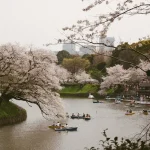
Spring in Kyoto means cherry blossom season, but timing varies annually. Early blooming varieties start in mid-March at Kyoto Botanical Garden, followed by the famous Yoshino cherry trees in early April. Maruyama Park becomes the city’s largest hanami party destination, with families and friends gathering for picnics under blooming trees. The park’s central weeping cherry tree, illuminated at night, creates a dramatic focal point for evening celebrations.

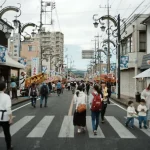
Summer brings intense heat but also unique cultural experiences. Gion Matsuri festival runs throughout July, climaxing with the Yamaboko parade on July 17th. Giant floats decorated with tapestries and ancient artifacts parade through central Kyoto streets. Evening float displays allow close-up viewing of the intricate craftsmanship, with many tapestries dating to medieval times and imported along ancient trade routes.
Autumn transforms Kyoto’s mountainous surroundings into layers of red, orange, and gold. Tofuku-ji temple offers the city’s most spectacular fall colors, with a valley of maple trees visible from the temple’s wooden walkway. Peak colors typically occur from mid to late November, when the temple’s 2,000 maple trees create a carpet of fallen leaves.
Winter brings occasional snow that transforms temple gardens into monochrome landscapes. Kinkaku-ji becomes particularly photogenic when snow outlines the pavilion’s roof curves and reflects in the surrounding pond. Winter also means fewer tourists, allowing peaceful temple visits and better access to popular sites.
Culinary Neighborhoods: From Kaiseki to Street Food
Kyoto’s culinary scene spans from three-Michelin-starred kaiseki restaurants to tiny neighborhood shops serving single dishes. Kikunoi restaurant in Higashiyama exemplifies kaiseki dining, where Chef Yoshihiro Murata creates seasonal menus reflecting Japanese aesthetic principles. The restaurant’s private rooms overlook traditional gardens, and meals can span three hours with multiple courses representing different cooking techniques and seasonal ingredients.
For more accessible traditional cuisine, explore the narrow streets around Kyoto Station’s Ramen Koji, where eight ramen shops serve different regional styles. Kyoto-style ramen features lighter, vegetable-based broths compared to Tokyo or Fukuoka styles. Try the shojin ryori (Buddhist vegetarian cuisine) at restaurants near major temples, where chefs create elaborate meals using only plant-based ingredients, seasonal vegetables, and traditional cooking methods.

Nishiki Market stretches for five blocks through central Kyoto, earning the nickname “Kyoto’s Kitchen.” The market houses over 100 shops selling traditional ingredients, prepared foods, and local specialties. Sample yuba (tofu skin), matcha-flavored everything, pickled vegetables, and Kyoto’s famous kaiseki ingredients. Many shops offer small tastings, allowing you to experience local flavors before purchasing.
Street food concentrates around temple areas and traditional districts. Try taiyaki (fish-shaped pastries filled with sweet bean paste), imagawayaki (round pancakes with various fillings), and traditional sweets from wagashi shops that have operated for centuries. The area around Kinkaku-ji offers multiple sweet shops specializing in matcha-flavored treats and traditional Japanese confections.
Local Specialties Worth Seeking
Tofu cuisine reaches artistic heights in Kyoto, where Buddhist temple traditions elevated simple ingredients into sophisticated dishes. Arashiyama’s Komameya restaurant serves multi-course tofu meals in traditional surroundings. Kyoto’s soft water, drawn from underground springs, creates particularly silky tofu texture impossible to replicate elsewhere.
Matcha culture permeates Kyoto dining, from traditional tea ceremony to modern interpretations. Visit established tea houses in Gion for formal tea ceremony experiences, or explore modern cafés creating matcha lattes, ice cream, and fusion desserts. The quality difference between Kyoto matcha and versions found elsewhere becomes immediately apparent in the complex, slightly sweet flavor profile.
Arts and Crafts: Where Masters Still Practice Ancient Skills
Kyoto supports over 70 traditional craft industries, many with techniques passed down through generations. Kiyomizu pottery district (Kiyomizu-yaki) clusters around Kiyomizu temple, where pottery shops display everything from tea ceremony vessels to decorative pieces. Many workshops offer hands-on pottery classes where you can create pieces using traditional techniques and local clay.
Textile arts flourish throughout the city, with kimono workshops, yuzen dyeing studios, and silk weaving operations. Nishijin district specializes in silk textiles, where you can watch master weavers creating intricate patterns on traditional looms. The Nishijin Textile Center demonstrates various weaving techniques and offers kimono dressing experiences with authentic garments.

Bamboo craft workshops in Arashiyama create everything from tea ceremony tools to decorative items. Watch artisans split bamboo into impossibly thin strips and weave them into baskets, vases, and traditional implements. The workshops source bamboo from surrounding forests, maintaining sustainable harvesting practices dating back centuries.
Traditional papermaking (washi) workshops scattered throughout the city demonstrate techniques for creating handmade paper using mulberry bark fibers. The paper serves various purposes from calligraphy to bookbinding, with different workshops specializing in specific types and applications. Many shops allow visitors to try papermaking and create personalized souvenirs.
Kyoto’s Natural Escapes Within the City
Kyoto Botanical Garden spans 24 hectares in northern Kyoto, showcasing over 12,000 plant varieties including Japan’s largest conservatory. The garden serves as both research facility and public space, with themed sections including a bamboo grove, rose garden, and seasonal flower displays. Early morning visits offer peaceful walks and the chance to see locals practicing traditional exercises among the plants.
Philosopher’s Path (Tetsugaku-no-michi) follows a canal lined with hundreds of cherry trees for 2 kilometers between Nyakuoji Shrine and Ginkaku-ji. The path passes small temples, traditional shops, and cafés, creating a walking route that combines nature with cultural sites. Spring brings heavy cherry blossom coverage, while other seasons offer peaceful canal-side walks.
Mount Inari, beyond the famous torii gates, provides hiking trails through forested areas above Kyoto. The mountain trail system connects various shrine complexes and offers multiple viewpoints over the city. Most tourists don’t venture beyond the main shrine area, leaving upper trails relatively quiet even during peak tourist seasons.
Kyoto’s river system includes the Kamogawa River running north-south through the city center. River paths provide walking and cycling routes, with regular access points for picnics or rest stops. Summer evenings bring locals to the riverbanks for cooling off, creating impromptu social gatherings along the water.

Hidden Temples and Secret Gardens Off the Tourist Trail
Sanzen-in temple in nearby Ohara offers a different temple experience, with extensive moss gardens and ancient structures surrounded by mountains. The temple complex includes multiple buildings connected by covered walkways, with gardens designed to be viewed from specific vantage points within the buildings. Autumn brings spectacular maple colors, while summer offers cool mountain air as relief from city heat.
Kurama-dera and Kibune area provide a half-day escape combining mountain temple visits with traditional dining. The temple sits on a mountainside north of Kyoto, accessible by a scenic train ride through forested valleys. After temple visits, nearby Kibune offers traditional riverside dining on raised platforms during summer months.
Daigo-ji temple complex spreads across a mountain with multiple temple buildings connected by hiking trails. The temple houses Japan’s largest collection of National Treasure buildings and offers some of Kyoto’s most spectacular cherry blossom displays. The upper temple areas require a moderate hike but reward visitors with panoramic views and fewer crowds.
Genko-an temple features two famous windows: a circular “Window of Enlightenment” and a square “Window of Confusion.” The temple’s meditation hall frames views of seasonal gardens through these geometric openings, creating living artwork that changes throughout the year. The temple specializes in zazen meditation sessions for visitors seeking spiritual experiences.
Many temples offer special garden viewings during specific seasons or times of day. Shoren-in temple opens its gardens for night illuminations during autumn, when carefully placed lights highlight maple trees and create reflections in pond surfaces. These special viewings require advance tickets but offer unique perspectives on traditional garden design.

Private temple stays (shukubo) at select temples provide overnight experiences including meditation sessions, traditional meals, and garden access during closed hours. Participants wake before dawn for morning prayers and enjoy temple gardens in complete silence before tourist crowds arrive.
Budget Breakdown: Planning Your Kyoto Experience in 2026
Temple admission fees range from free at many shrines to 800 JPY for major temples like Kinkaku-ji and Ginkaku-ji. Temple photography permits, where required, typically cost an additional 300-500 JPY. Budget travelers can visit numerous temples and shrines for under 3,000 JPY daily, focusing on free sites and purchasing combination tickets for temple complexes.
Transportation Costs
- Budget Option: Kyoto City Bus Day Pass (600 JPY) covers most tourist destinations
- Mid-Range Option: Keihan Bus Pass (800 JPY) includes express routes and wider coverage
- Comfortable Option: Taxi rides between districts (1,500-3,000 JPY per trip) for convenience and time savings
Dining Budget Ranges
- Budget Dining (2,000-3,500 JPY daily): Temple area food stalls, Nishiki Market samples, convenience store meals, and neighborhood ramen shops
- Mid-Range Dining (5,000-8,000 JPY daily): Traditional restaurants, kaiseki lunch sets, tea ceremony experiences, and specialty local dishes
- Comfortable Dining (12,000-25,000 JPY daily): Multi-course kaiseki dinners, private dining rooms, premium matcha experiences, and Michelin-starred restaurants
Accommodation and Activity Costs
- Budget Experience (8,000-15,000 JPY daily): Hostel accommodation, free temple visits, public transportation, street food, and self-guided walking tours
- Mid-Range Experience (18,000-35,000 JPY daily): Business hotel rooms, paid temple entries, combination transportation passes, restaurant meals, and organized cultural activities
- Comfortable Experience (45,000-80,000 JPY daily): Traditional ryokan stays, private guides, taxi transportation, premium dining experiences, and exclusive cultural programs
Cultural experience costs vary significantly. Free activities include temple visits, garden walks, traditional district exploration, and seasonal festival viewing. Paid experiences range from 2,000 JPY for tea ceremony introductions to 15,000 JPY for private geisha entertainment or master artisan workshops.

Frequently Asked Questions
How many days do I need to see Kyoto properly?
Plan minimum 4-5 days to experience major temples, traditional districts, and cultural activities without rushing. Seven days allows for day trips to nearby areas like Nara or deeper exploration of specific neighborhoods and seasonal activities.
What’s the best time to visit Kyoto in 2026?
Late March to early May for cherry blossoms, or November for autumn colors offer peak beauty but largest crowds. January-February and June-July provide fewer tourists and unique seasonal experiences, though summer brings intense heat and humidity.
Do I need advance reservations for temples and attractions?
Most temples accept walk-in visitors, but popular sites like Katsura Imperial Villa require advance online reservations. Special events, night illuminations, and cultural experiences often need booking 1-2 weeks ahead during peak seasons.
How do I respect local customs when visiting temples and traditional districts?
Bow before entering temple gates, speak quietly, don’t point cameras at people in traditional dress, remove hats in temple buildings, and follow designated paths in gardens. Photography rules vary by location, with some temples prohibiting interior photos completely.
What’s the most efficient way to navigate between Kyoto’s different districts?
Use the city bus system for east-west travel between temple areas, and combine with walking for north-south routes. The 2026 bus network includes new express routes connecting eastern temples with Arashiyama, reducing travel time by 30% compared to previous years.
Explore more
Kyoto Itinerary: How to Spend 3 Perfect Days in Japan’s Cultural Heart
Best Things to Do in Kyoto: Your Essential Guide to Japan’s Ancient Capital
Kyoto Itinerary: The Ultimate 3-Day Plan for First-Time Visitors
📷 Featured image by Jakob Owens on Unsplash.