On this page
- Getting Your Bearings: Osaka’s Essential Districts
- Castle, Temple, and Modern Icons: Must-See Sights
- Street Food Paradise: Dotonbori and Beyond
- Ramen Wars: Where Locals Actually Eat
- Takoyaki Trail: Beyond the Tourist Traps
- Okonomiyaki Masters: The Real Deal
- Shopping Districts That Matter
- Day Trip Escapes from Osaka
- Budget Breakdown: What Everything Actually Costs
- Frequently Asked Questions
Osaka hit 15.6 million international visitors in 2025, and 2026 is shaping up to be even busier. The challenge isn’t finding things to do—it’s cutting through the tourist noise to discover what makes this city genuinely special. Beyond the Instagram-famous neon signs and crowded food stalls lies a city that perfected the art of good living centuries before “foodie culture” became a thing.
Getting Your Bearings: Osaka’s Essential Districts
Osaka splits into clear zones, each with its own personality. Dotonbori grabs all the attention with its neon chaos, but it’s just one piece of the puzzle. The real action spreads across multiple districts, connected by one of Japan’s most efficient subway systems.
Namba serves as tourist central, where Dotonbori’s food theaters meet serious shopping at Takashimaya and Namba Parks. The crowds thin out as you move south toward Shinsekai, home to Tsutenkaku Tower and some of the city’s grittiest—and most authentic—kushikatsu joints.
Umeda in the north feels like a different city entirely. This is where Osaka puts on its business suit, with underground shopping labyrinths beneath gleaming towers. The Hanshin and Hankyu department stores here stock items you won’t find in the tourist zones.
Osaka Castle area combines history with modern attractions, while Sumiyoshi offers temple tranquility away from downtown intensity. Tennoji has transformed since 2024’s Abeno Harukas expansion, becoming a legitimate alternative base with excellent train connections.
Castle, Temple, and Modern Icons: Must-See Sights
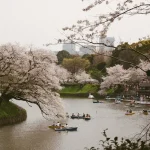
Start with Osaka Castle, but not for the reasons you think. Yes, the reconstructed keep looks impressive from outside, but the real experience lies in Osaka Castle Park’s seasonal beauty and the view from the top floor observatory. Cherry blossom season (late March to early April) transforms the grounds into one of Japan’s premier hanami spots.

Sumiyoshi Taisha predates most of Kyoto’s famous temples by centuries. The distinctive curved bridges and vermillion buildings sit in surprising tranquility just 20 minutes from Namba. Unlike tourist-packed Kyoto temples, you can actually experience the meditative atmosphere here.
Shitennoji Temple claims to be Japan’s first Buddhist temple, founded in 593 AD. The current buildings are reconstructions, but the layout follows the original 6th-century design. Visit during the monthly flea market (21st-22nd of each month) when the grounds fill with antique stalls.
For modern architecture, Abeno Harukas offers 360-degree city views from its 60th-floor observation deck. The elevator ride to the top takes just 50 seconds, and the sunset views stretch all the way to Awaji Island on clear days.
Teamlab Botanical Garden Osaka opened its permanent installation in Nagai Park during 2025, creating an after-dark digital art experience that changes with the seasons. The interactive light displays respond to movement, creating a completely different experience from Tokyo’s more famous Teamlab venues.
Street Food Paradise: Dotonbori and Beyond
Dotonbori’s mechanical crab and flashing signs create the perfect photo backdrop, but the real street food action happens in the side alleys branching off the main drag. Hozenji Yokocho, just two blocks south, crams dozens of tiny yakitori stalls into a space barely wide enough for two people to pass.
Kuromon Ichiba Market stretches for six blocks through covered shopping streets, mixing tourist-friendly stands with wholesale vendors serving local restaurants. Hit the market between 9-11 AM when the freshest seafood arrives and prices haven’t inflated for the dinner crowd.
For a more local experience, explore Tsuruhashi‘s Korean district, where bulgogi and kimchi vendors operate from stalls that have fed Osaka’s Korean community for generations. The narrow streets smell of garlic and chili paste, with signs in Korean and Japanese advertising dishes you won’t find in mainstream guidebooks.

Hidden Food Alleys
Shinsekai maintains its working-class edge despite gentrification pressure. Kushikatsu stalls here follow the sacred rule: no double-dipping in the communal sauce. The atmosphere feels rougher than polished Dotonbori, with beer flowing freely and conversations getting louder as the night progresses.
Kyoboshi near Osaka Station hosts a maze of tiny bars and food stalls under railway arches. This isn’t pretty—concrete floors, fluorescent lighting, plastic stools—but the food is serious and the prices reflect local rather than tourist economics.
Ramen Wars: Where Locals Actually Eat
Osaka’s ramen scene splits between traditional tonkotsu and the city’s own creation: mazesoba (brothless mixed noodles). Skip the chains and hit the independent shops that have perfected their recipes over decades.
Kinryu Ramen in Dotonbori stays open 24 hours, serving steaming bowls of tonkotsu to late-night revelers and early-morning salarymen. The counter seats offer front-row views of the kitchen action, where cooks work with military precision even at 3 AM.
Menya Takemura in Nippombashi gained cult status for their tsukemen—thick noodles served with concentrated dipping broth. The line forms before opening, but turnover is quick since serious ramen eating happens fast and silently.
Ramen Yokocho in Tennoji crams eight different ramen shops into a tiny alley, each specializing in different regional styles. This setup lets you compare Hakata-style tonkotsu with Sapporo miso and Tokyo shoyu all in one evening.
For something uniquely Osakan, try Ganko Ramen‘s mazesoba, where thick noodles get mixed with raw egg, nori, and rich meat sauce. The result resembles Italian carbonara more than traditional ramen, reflecting Osaka’s willingness to experiment with fusion concepts.

Takoyaki Trail: Beyond the Tourist Traps
Every visitor tries takoyaki, but most settle for mediocre versions from Dotonbori’s most photogenic stalls. Real takoyaki hunting requires venturing into residential neighborhoods where locals have their favorite spots.
Aizuya claims to have invented takoyaki in 1935, and their technique remains unchanged. The octopus pieces are generous, the batter achieves the perfect crispy-outside, gooey-inside texture, and the sauce blend stays secret. Located in Nippombashi, it’s worth the 10-minute walk from tourist central.
Yamachan operates from a tiny storefront in Shinsekai, where the owner works alone, hand-turning each ball with metal picks. The process takes longer than machine-made versions, but the result has personality that mass production can’t match.
In Sumiyoshi, Tako Hachi serves takoyaki with variations you won’t find elsewhere—cheese-filled, shrimp-stuffed, even sweet versions with chocolate sauce for adventurous eaters. The neighborhood setting means prices stay reasonable and the atmosphere remains relaxed.
The best takoyaki experience happens at standing bars (tachi-nomi) where office workers gather after work. Order a plate, grab a highball, and join the informal community that forms around these neighborhood gathering spots.
Okonomiyaki Masters: The Real Deal
Osaka takes okonomiyaki seriously—this is the dish that defines the city’s culinary identity. The preparation becomes performance art at the best spots, where skilled cooks layer ingredients with theatrical flair.
Mizuno has perfected their recipe since 1945, creating okonomiyaki with impossibly light texture despite the hearty ingredients. The secret lies in the batter-to-filling ratio and the exact timing of each layer. Watching the chef work the griddle is mesmerizing—every movement serves a purpose.
Daruma in Shinsekai pairs okonomiyaki with kushikatsu for the ultimate Osakan combination. The restaurant’s retro atmosphere, complete with 1960s décor and faded photographs, transports you to the era when these dishes first gained popularity.

Kiji near Osaka Station attracts lines of salarymen who swear by their modanyaki—okonomiyaki layered with yakisoba noodles. The addition transforms the dish into something more substantial, perfect for fueling a night of drinking.
For the full experience, head to Tsuruhashi Fugetsu, where you cook your own okonomiyaki at table grills. This DIY approach lets you control every aspect while learning the techniques that separate good okonomiyaki from great. The staff provides guidance, but the satisfaction of creating your own perfect version can’t be matched.
Shopping Districts That Matter
Shinsaibashi combines luxury brands with quirky independent shops across multiple levels of covered streets. The main strip features international names, but the real discoveries happen in the side passages where vintage stores, record shops, and boutique designers create a constantly changing landscape.
Den Den Town serves as Osaka’s electronics and otaku culture hub, rivaling Tokyo’s Akihabara for selection and prices. The district’s narrow streets pack dozens of shops selling everything from vintage game consoles to the latest anime merchandise. Prices often beat Tokyo, making this the place for serious collectors.
Sumiyoshi Taisha’s antique markets (monthly on the 21st-22nd) offer treasures that never make it to tourist-oriented shops. Local collectors bring family heirlooms, vintage kimonos, and rare pottery that represents real Japanese craftsmanship.
Underground Shopping Networks
Osaka’s underground shopping areas form one of the world’s most extensive networks, connecting subway stations across multiple districts. Whiteumeda beneath Osaka Station spans multiple levels with over 1,200 shops and restaurants.
Namba Walk stretches for nearly two kilometers underground, offering climate-controlled shopping year-round. The deeper levels house smaller, more specialized shops that cater to local tastes rather than tourist expectations.
Day Trip Escapes from Osaka
Nara lies just 45 minutes away by express train, offering temple grandeur and deer encounters without Kyoto’s crowds. Todaiji Temple’s massive Buddha statue never fails to impress, while Nara Park’s free-roaming deer create photo opportunities that kids especially love.

Mount Koya (Koyasan) requires more commitment—a two-hour journey combining trains and cable cars—but rewards visitors with an authentic Buddhist monastery experience. Stay overnight in temple lodgings (shukubo) for early morning prayers and traditional vegetarian meals.
Himeji Castle represents Japan’s finest original castle architecture, with defensive features and architectural details that reconstructions can’t match. The white walls that earned it the nickname “White Heron Castle” gleam against blue skies, creating Japan’s most photogenic castle experience.
Yoshino offers Japan’s most spectacular cherry blossom viewing when 30,000 sakura trees bloom in waves up the mountainside. The 2026 season (projected for early April) promises exceptional displays following favorable winter weather patterns.
Kumano Kodo pilgrimage trails start just two hours south of Osaka, offering ancient spiritual paths through mountains and forests. Day hikers can complete shorter sections, while serious trekkers tackle multi-day routes between sacred sites.
Budget Breakdown: What Everything Actually Costs
Osaka’s cost structure in 2026 reflects post-pandemic adjustments and yen fluctuations. These prices represent actual spending rather than theoretical estimates.
Budget Tier (¥3,000-5,000 per day)
- Hostel bed: ¥2,500-3,500
- Conveyor belt sushi: ¥100-200 per plate
- Ramen bowl: ¥800-1,200
- Takoyaki (8 pieces): ¥500-800
- Local train day pass: ¥800
- Convenience store meal: ¥300-600
Mid-Range Tier (¥8,000-12,000 per day)
- Business hotel: ¥6,000-8,000
- Okonomiyaki dinner: ¥1,500-2,500
- Department store lunch: ¥1,200-2,000
- Craft beer: ¥600-900
- Taxi across downtown: ¥1,000-1,500
- Temple admission: ¥300-600
Comfortable Tier (¥15,000+ per day)
- Luxury hotel: ¥15,000-30,000
- Kaiseki dinner: ¥8,000-15,000
- Premium wagyu: ¥5,000-10,000
- Private tour guide: ¥25,000-35,000 per day
- High-end shopping: ¥10,000-50,000
The 2026 tax-free shopping threshold remains ¥5,000 per store for tourists, with streamlined digital processing making claims faster than previous years. Credit card acceptance has improved significantly, though cash remains king at smaller establishments and food stalls.

Frequently Asked Questions
How many days do you need in Osaka?
Three to four days covers the essential sights and food experiences comfortably. Add extra days for Kyoto and Nara day trips, or for deeper exploration of neighborhoods like Sumiyoshi and Tennoji.
Is Osaka cheaper than Tokyo?
Generally yes, especially for food and accommodation. Restaurant prices run 10-20% lower, and you’ll find more budget options. However, luxury shopping and high-end dining cost about the same in both cities.
What’s the best area to stay in Osaka?
Namba offers the most convenient access to sights and nightlife. Umeda works better for business travelers and shopping. Tennoji provides good value with excellent train connections to day trip destinations.
Can you get around Osaka without speaking Japanese?
Absolutely. Subway signs include English, major attractions have English information, and restaurant staff in tourist areas often speak basic English. Translation apps handle most other situations effectively.
When is the best time to visit Osaka?
Spring (March-May) and fall (September-November) offer the most pleasant weather. Summer gets hot and humid, while winter stays mild but can be rainy. Cherry blossom season (late March-early April) is peak time but also most crowded.
Explore more
First Time in Osaka? Here Are the Must-Do Things You Can’t Miss!
Osaka Itinerary: The Perfect 3-Day Trip for First-Time Visitors
The Best Things to Do in Osaka: A First-Timer’s Essential Guide
📷 Featured image by Hiroyuki Sen on Unsplash.