On this page
- Dotonbori District After Dark – The Essential Osaka Experience
- Osaka Castle and Surrounding Grounds – Historical Heart of the City
- Kuromon Ichiba Market – Street Food Paradise
- Universal Studios Japan – Thrills Beyond Tokyo Disney
- Sumiyoshi Taisha Shrine – Ancient Spiritual Sanctuary
- Shinsekai and Tsutenkaku Tower – Retro Charm and Local Flavors
- Getting Around Osaka – Transportation Essentials for First-Timers
- Budget Breakdown for Your Osaka Adventure
- Frequently Asked Questions
💰 Click here to see Japan Budget Breakdown
💰 Prices updated: October, 2026. Budget figures are estimates — always verify before travel.
Exchange Rate: $1 USD = ¥157.00
Daily Budget (per person)
Shoestring: ¥8,000 – ¥15,000 ($50.96 – $95.54)
Mid-range: ¥18,000 – ¥35,000 ($114.65 – $222.93)
Comfortable: ¥45,000 – ¥80,000 ($286.62 – $509.55)
Accommodation (per night)
Hostel/guesthouse: ¥2,500 – ¥6,000 ($15.92 – $38.22)
Mid-range hotel: ¥10,000 – ¥20,000 ($63.69 – $127.39)
Food (per meal)
Budget meal: ¥800.00 ($5.10)
Mid-range meal: ¥2,500.00 ($15.92)
Upscale meal: ¥20,000.00 ($127.39)
Transport
Single metro/bus trip: ¥250.00 ($1.59)
Monthly transport pass: ¥30,000.00 ($191.08)
Planning your first visit to Osaka in 2026 means navigating a city that has transformed significantly since the pandemic recovery. New international flight routes have made Kansai Airport busier than ever, while digital payment systems have largely replaced cash-only establishments. The city’s famous food culture now blends traditional street vendors with modern food halls, creating an experience that can overwhelm newcomers without proper guidance.
Dotonbori District After Dark – The Essential Osaka Experience
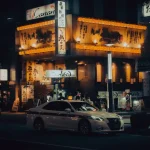
Dotonbori represents everything visitors expect from Osaka compressed into a few neon-lit blocks along the canal. The district truly comes alive after 7 PM when the massive mechanical crab sign begins its hypnotic dance and the aroma of takoyaki mingles with the evening air.
Start at the Glico Running Man sign for photos, then work your way west along the canal. The pedestrian-only Dotonbori Street buzzes with energy as vendors call out from their stalls. Stop at Konamon Museum for interactive takoyaki-making demonstrations, or join the queue at Daruma for kushikatsu – just remember the cardinal rule of never double-dipping your skewer in the communal sauce.
The canal cruise boats offer a different perspective, especially during the 20-minute evening illumination tours that run every 30 minutes until 10 PM. Book tickets at the boarding platform near Tazaemon Bridge rather than online to avoid the ¥200 convenience fee.
For the best nighttime views, head to the Don Quijote store’s observation deck on the 6th floor. Entry costs ¥500, but the 360-degree views of the illuminated district justify the expense. The deck stays open until 11 PM, making it perfect for capturing the district’s peak energy.
Osaka Castle and Surrounding Grounds – Historical Heart of the City

Osaka Castle stands as the city’s most recognizable landmark, though the current structure dates from 1997 reconstruction rather than the original 16th century. The eight-story museum inside houses artifacts spanning four centuries of Japanese history, but the real treasure lies in the surrounding Osaka Castle Park.
Visit during early morning hours (the grounds open at 6 AM) to experience the park before tour groups arrive. The stone foundations, called ishigaki, represent some of Japan’s finest masonry work. Each massive stone was transported from quarries hundreds of kilometers away using only human labor and wooden tools.
The castle’s observation deck on the 8th floor provides panoramic views across Osaka’s urban sprawl. On clear days, you can spot the distant mountains of Nara Prefecture to the southeast. The elevator only reaches the 5th floor, so prepare for a climb up narrow staircases to reach the top.
Spring visitors between late March and early April witness one of Osaka’s premier cherry blossom viewing spots. The park contains over 4,000 sakura trees of various species, creating a pink canopy that attracts thousands of hanami parties. The western moat area offers the most photogenic combination of castle, cherry blossoms, and reflection shots.
Kuromon Ichiba Market – Street Food Paradise
Kuromon Ichiba Market spans 600 meters through Osaka’s Nipponbashi district, housing over 150 vendors in a covered arcade that protects shoppers from weather year-round. This “Osaka’s Kitchen” operates primarily for locals during early morning hours, transforming into a tourist destination by midday.
Arrive before 10 AM to witness the market at its authentic best. Local chefs and restaurant owners select the day’s ingredients while vendors slice fresh sashimi and arrange seasonal vegetables. The energy during these morning hours captures the market’s true purpose as Osaka’s primary food distribution hub.
Must-try foods include wagyu beef skewers grilled fresh at Kuromon Sanpei (¥800-1,200 each), sea urchin sashimi from the various seafood stalls (¥300-500 per piece), and the famous Kuromon taiyaki filled with seasonal ingredients like sweet potato or matcha cream.

The market’s unique character comes from its blend of prepared foods and raw ingredients. You can purchase world-class Kobe beef to cook later while snacking on freshly made mochi from vendors who have operated the same stalls for generations. Most vendors accept both cash and digital payment through PayPay or LINE Pay as of 2026.
Navigate the market systematically by starting at the Nipponbashi entrance and working east toward Nippombashi Station. This direction follows the traditional flow pattern and ensures you experience both the tourist-friendly western section and the more authentic eastern vendor areas.
Universal Studios Japan – Thrills Beyond Tokyo Disney
Universal Studios Japan distinguishes itself from Tokyo’s Disney parks through its focus on immersive themed areas and cutting-edge ride technology. The park’s 2026 expansion includes the new Pokemon area, making advance planning essential for first-time visitors.
The Wizarding World of Harry Potter remains the park’s crown jewel, featuring Hogwarts Castle as a stunning centerpiece. The Harry Potter and the Forbidden Journey ride uses advanced motion simulation technology that creates the sensation of flying through Quidditch matches and dragon encounters. Arrive early to explore Diagon Alley before crowds make navigation difficult.
Nintendo World offers interactive experiences that connect to smartphone apps, allowing visitors to collect coins and power-ups throughout the area. The Mario Kart ride incorporates augmented reality headsets that overlay digital elements onto physical track environments. Purchase the Power-Up Band (¥3,200) for the full interactive experience across multiple attractions.
Express Passes eliminate waiting times but cost ¥7,800-12,800 depending on the season and attractions included. For budget-conscious visitors, the single-rider lines for popular attractions like The Flying Dinosaur and Hollywood Dream reduce wait times significantly without additional cost.

Food options range from themed restaurants in each area to quick-service stands throughout the park. The Three Broomsticks in Harry Potter World serves authentic British fare, while Nintendo World features power-up-themed snacks that change color when eaten.
Sumiyoshi Taisha Shrine – Ancient Spiritual Sanctuary
Sumiyoshi Taisha ranks among Japan’s oldest Shinto shrines, with origins tracing back over 1,800 years. The shrine complex houses four main halls built in the distinctive Sumiyoshi-zukuri architectural style, characterized by straight rooflines and natural wood construction without paint or ornamentation.
The famous arched bridge, Sorihashi, creates perfect reflection shots in the surrounding pond during calm weather. Cross the bridge slowly to appreciate the engineering – its steep 48-degree angle was designed to allow boats to pass underneath when the area was still connected to Osaka Bay.
Visit during the early morning hours around 7 AM to experience the shrine’s spiritual atmosphere without crowds. The morning light filtering through ancient camphor trees creates an otherworldly ambiance as priests perform daily rituals. The main prayer hall opens at 6 AM, allowing visitors to participate in morning purification ceremonies.
The shrine grounds extend far beyond the main buildings, encompassing smaller subsidiary shrines, stone lanterns, and meditation gardens. The northern section contains a traditional noh theater stage where performances occur monthly during spring and autumn seasons. Check the shrine’s schedule for these cultural events, which provide insight into Japan’s performing arts traditions.
Local families frequently visit for traditional ceremonies like hatsumode (New Year prayers) and shichi-go-san (children’s blessing ceremonies). Observing these genuine spiritual practices offers glimpses into contemporary Japanese religious life beyond tourist experiences.
Shinsekai and Tsutenkaku Tower – Retro Charm and Local Flavors
Shinsekai, literally meaning “New World,” presents Osaka’s most authentic working-class neighborhood, where locals gather in kushikatsu restaurants and pachinko parlors unchanged since the 1960s. The area centers around Tsutenkaku Tower, a 103-meter steel structure that served as Osaka’s symbol long before modern skyscrapers transformed the skyline.

Tsutenkaku Tower’s observation decks offer surprisingly compelling city views, especially during sunset hours when Osaka’s urban sprawl glows golden in the distance. The tower’s neon signs and retro architecture create a distinctly mid-century atmosphere that contrasts sharply with Osaka’s modern districts.
The neighborhood’s kushikatsu culture demands respect for local customs. Never double-dip fried skewers in communal sauce, order beer alongside your kushikatsu (it’s expected), and try different varieties beyond the basic pork cutlet. Daruma represents the most famous chain, but smaller family-run shops like Yokozuna offer more authentic experiences with locals.
Spa World, a massive onsen complex within Shinsekai, provides relaxation after walking Osaka’s streets. The facility features themed baths representing different countries, from Roman-style pools to Finnish saunas. Entry costs ¥1,500 for adults, with additional charges for towel rental and private baths.
The area transforms dramatically between day and night. Daytime Shinsekai feels somewhat shabby and forgotten, while evening brings energy as neon signs illuminate and locals emerge for after-work drinks and kushikatsu dinners.
Getting Around Osaka – Transportation Essentials for First-Timers
Osaka’s transportation system centers on three main operators: JR West, Osaka Metro, and private railways like Hanshin and Hankyu. The IC card system accepts both Icoca and Suica cards interchangeably across all operators, eliminating the need for multiple tickets.
Kansai Airport connects to central Osaka via three routes. The Kansai Airport Express (HARUKA) reaches Tennoji Station in 30 minutes for ¥1,720, while the slower but cheaper Nankai Railway reaches Namba in 45 minutes for ¥930. The airport bus costs ¥650 but takes 60-90 minutes depending on traffic.

Within Osaka, the subway system provides the most efficient transportation. Major tourist areas connect directly: Namba Station for Dotonbori, Osakajo-Koen Station for Osaka Castle, and Nipponbashi Station for Kuromon Market. The Osaka Metro Day Pass (¥800) covers unlimited subway travel and includes discounts at many attractions.
Bicycle rental through city-operated stations costs ¥150 per day and includes electric assistance for Osaka’s occasional hills. Download the HUBchari app to locate and unlock rental bikes throughout the city. Most major tourist areas now include dedicated bicycle parking areas.
Taxis remain expensive but necessary for late-night transportation when trains stop running around midnight. The base fare starts at ¥680 for the first 1.7 kilometers, with ¥90 for each additional 237 meters. Most taxis now accept credit cards and digital payments.
Budget Breakdown for Your Osaka Adventure
Budget Level (¥6,000-8,000 per day): Hostel accommodation in shared dormitories (¥2,500-3,500/night), convenience store meals and market street food (¥2,000-3,000/day), public transportation with day passes (¥800-1,200/day), free attractions like shrine visits and park walks.
Mid-Range Level (¥12,000-18,000 per day): Business hotel rooms (¥6,000-9,000/night), restaurant meals including local specialties (¥4,000-6,000/day), transportation including some taxis (¥1,500-2,500/day), paid attractions like Universal Studios or castle admission.
Comfortable Level (¥25,000+ per day): High-end hotels near major stations (¥15,000+/night), fine dining experiences and premium food tours (¥8,000-12,000/day), private transportation and express train reservations (¥3,000-5,000/day), Express Passes and VIP experiences.
Major expense categories include accommodation (30-40% of budget), food (25-35%), transportation (15-25%), and attractions/entertainment (10-20%). Budget travelers can reduce costs by staying in Osaka’s eastern districts like Sumiyoshi or Nippombashi, where accommodation costs drop significantly while maintaining subway access to central areas.
Universal Studios Japan represents the largest single expense for most visitors, with general admission at ¥8,600-10,400 depending on the season. Express Passes add ¥7,800-12,800 to the total. Consider whether the time savings justify the expense based on your overall itinerary and travel style.

Frequently Asked Questions
How many days should I spend in Osaka as a first-time visitor?
Three to four days allows you to experience Osaka’s essential attractions without rushing. This timeframe covers major sites like Dotonbori, Osaka Castle, and Universal Studios while leaving time for spontaneous food discoveries and neighborhood exploration.
Is it better to stay in Osaka or make day trips from Kyoto?
Stay in Osaka if you want to experience the city’s nightlife and early morning markets. The 45-minute train ride from Kyoto works for day trips, but you’ll miss Dotonbori’s evening atmosphere and Kuromon Market’s authentic morning energy.
What’s the best way to experience Osaka’s food culture?
Combine Kuromon Market visits (morning), street food in Dotonbori (afternoon), and kushikatsu in Shinsekai (evening). This progression shows different aspects of Osaka’s food scene while avoiding tourist-trap restaurants that lack authenticity.
Do I need advance reservations for major attractions?
Universal Studios Japan requires advance booking during peak seasons. Osaka Castle accepts walk-ins but online tickets skip entrance lines. Most restaurants accept walk-ins except high-end establishments requiring reservations days ahead.
How much Japanese language do I need to navigate Osaka?
English signage covers major tourist areas and transportation hubs. Download Google Translate’s camera feature for menu translation. Basic phrases like “arigatou gozaimasu” (thank you) and “sumimasen” (excuse me) enhance local interactions significantly.
Explore more
Osaka: Top Things To Do, Eat & See in Japan’s Foodie Capital
The Best Things to Do in Osaka: A First-Timer’s Essential Guide
Osaka Itinerary: The Perfect 3-Day Trip for First-Time Visitors
📷 Featured image by Ramon Kagie on Unsplash.