On this page
- The Rugged Wilderness of Tohoku: Mountains, Hot Springs, and Ancient Traditions
- Shikoku’s Sacred Pilgrimage Routes and Coastal Charms
- Kyushu’s Volcanic Landscapes and Distinct Cultural Identity
- The Northern Frontier: Hokkaido’s Untamed Beauty
- Central Honshu’s Alpine Heart: The Japanese Alps and Traditional Villages
- Okinawa: Japan’s Tropical Paradise
- Budget Planning for Regional Japan Adventures
- Frequently Asked Questions
💰 Click here to see Japan Budget Breakdown
💰 Prices updated: October, 2026. Budget figures are estimates — always verify before travel.
Exchange Rate: $1 USD = ¥157.00
Daily Budget (per person)
Shoestring: ¥8,000 – ¥15,000 ($50.96 – $95.54)
Mid-range: ¥18,000 – ¥35,000 ($114.65 – $222.93)
Comfortable: ¥45,000 – ¥80,000 ($286.62 – $509.55)
Accommodation (per night)
Hostel/guesthouse: ¥2,500 – ¥6,000 ($15.92 – $38.22)
Mid-range hotel: ¥10,000 – ¥20,000 ($63.69 – $127.39)
Food (per meal)
Budget meal: ¥800.00 ($5.10)
Mid-range meal: ¥2,500.00 ($15.92)
Upscale meal: ¥20,000.00 ($127.39)
Transport
Single metro/bus trip: ¥250.00 ($1.59)
Monthly transport pass: ¥30,000.00 ($191.08)
While millions flock to Tokyo’s neon-lit streets and Kyoto’s golden temples in 2026, Japan‘s most transformative experiences often lie in its lesser-known regions. With new high-speed rail connections and improved domestic flight networks making remote areas more accessible than ever, savvy travelers are discovering that Japan’s true soul reveals itself far from the tourist crowds.
The Rugged Wilderness of Tohoku: Mountains, Hot Springs, and Ancient Traditions
Tohoku, Japan’s northeastern region, stretches across six prefectures where ancient traditions survive in mountain villages that time seems to have forgotten. The region’s crown jewel, Yamadera Temple in Yamagata, clings to a clifftop 1,000 stone steps above the valley floor. The morning mist rises through the pine trees as temple bells echo across the peaks, creating an atmosphere of profound serenity that Tokyo’s temples simply cannot match.
The Shirakami-Sanchi UNESCO World Heritage forest spans the border between Aomori and Akita prefectures, protecting the last virgin beech forest in East Asia. Here, brown bears roam freely and ancient trees tower overhead in cathedral-like silence. The 40-kilometre Anmon Falls trail leads deep into this primeval wilderness, passing three spectacular waterfalls where the sound of cascading water drowns out any memory of urban life.
Tohoku’s hot spring culture runs deeper than the tourist-focused onsen of Hakone. In Nyuto Onsen, seven rustic ryokan dot the mountainside, each fed by different mineral springs. The milky white waters of Tsurunoyu, operating since 1638, bubble up from the earth at temperatures reaching 50°C. Guests soak in outdoor baths while snow monkeys occasionally venture down from the surrounding forests.
The region’s harsh winters have shaped a distinct culinary tradition. Akita’s kiritanpo—grilled rice cakes served in hearty chicken broth—originated as sustenance for woodcutters in the deep forests. Local sake breweries like Dewazakura in Yamagata produce some of Japan’s finest rice wines, benefiting from pristine mountain water and traditional brewing methods passed down through generations.
Shikoku’s Sacred Pilgrimage Routes and Coastal Charms
Shikoku, Japan’s smallest main island, hosts the country’s most famous pilgrimage—a 1,400-kilometre circuit connecting 88 Buddhist temples. Modern henro (pilgrims) can complete sections by car or bicycle, but walking the ancient paths through mountain villages and coastal cliffs provides the authentic spiritual experience.
The pilgrimage winds through four distinct prefectures, each offering unique landscapes. In Tokushima, the Naruto Whirlpools create massive vortexes where the Pacific Ocean meets the Seto Inland Sea. Glass-bottomed boats navigate within metres of these natural phenomena, the largest reaching 20 metres in diameter during peak tidal flows.
Kochi Prefecture stretches along Shikoku’s southern coast, where the Shimanto River—Japan’s last free-flowing river—meanders through pristine countryside. Traditional cormorant fishing demonstrations take place on summer evenings, as fishermen guide their birds by torchlight just as their ancestors did centuries ago.
Ehime Prefecture’s Dogo Onsen in Matsuyama inspired the bathhouse in Spirited Away. The three-storey wooden structure, rebuilt in 1894, continues operating with separate bathing areas for different social classes—a living museum of Meiji-era customs. The aromatic hinoki cypress wood releases its distinctive scent when steam rises from the mineral-rich hot springs below.
Kagawa, famous for udon noodles, offers more than just exceptional noodles. The Ritsurin Garden in Takamatsu showcases traditional landscape design across 75 hectares. Six ponds reflect the changing seasons, while carefully maintained pine trees frame views of sacred Mount Shiun in the distance.
Kyushu’s Volcanic Landscapes and Distinct Cultural Identity
Kyushu’s southern latitude and volcanic geology create landscapes unlike anywhere else in Japan. Kagoshima’s Sakurajima volcano continues its active cycle, dusting the city with fine ash several times weekly. Local residents carry umbrellas year-round, and the mineral-rich soil produces exceptionally sweet black pork and distinctive shochu spirits.

Beppu in Oita Prefecture contains more hot springs than any other location on Earth. The Jigoku (Hell) hot springs display nature’s raw power—blood-red ponds heated by underground magma chambers, cobalt-blue pools reaching 95°C, and mud springs that bubble constantly. The sand baths at Takegawara Onsen bury visitors neck-deep in naturally heated volcanic sand, providing therapeutic benefits impossible to replicate elsewhere.
Nagasaki’s unique history as Japan’s only international port during the isolation period created a distinctive cultural blend. The city’s Chinatown, oldest in Japan, serves authentic chanpon noodles—thick wheat noodles in rich pork and seafood broth that reflects Chinese, Portuguese, and Japanese influences. The surrounding terraced hillsides showcase traditional architecture adapted to steep volcanic slopes.
Miyazaki Prefecture’s coastline offers world-class surfing at spots like Aoshima, where consistent swells from the Pacific Ocean meet black volcanic sand beaches. The subtropical climate supports palm trees and tropical flowers typically associated with Okinawa, creating an unexpected tropical atmosphere on Japan’s main islands.
The Northern Frontier: Hokkaido’s Untamed Beauty
Hokkaido’s vast wilderness provides outdoor adventures impossible to experience elsewhere in Japan. The island’s 22 national parks protect brown bear populations, pristine lakes, and active volcanoes across landscapes that feel more Siberian than traditionally Japanese.
Shiretoko Peninsula, accessible by limited seasonal roads, hosts Japan’s largest brown bear population. The UNESCO World Heritage site encompasses old-growth forests where Steller’s sea eagles—among the world’s largest birds of prey—nest along clifftops. Drift ice from the Sea of Okhotsk creates a frozen seascape from February through March, accessible by specialized icebreaker vessels.
Hokkaido’s powder snow consistently ranks among the world’s finest. Niseko’s slopes receive average snowfall exceeding 15 metres annually, while resorts like Rusutsu offer authentic Japanese hospitality without the crowds of Nagano’s Olympic venues. The dry, light snow crystals create perfect conditions for skiing and snowboarding from December through early May.

Sapporo’s craft beer scene, led by pioneers like Sapporo Brewing Company, benefits from Hokkaido’s pristine water and locally grown hops. The annual Sapporo Snow Festival transforms the city into an outdoor sculpture gallery, featuring massive ice sculptures crafted by international artists alongside local snow art traditions.
Lake Toya’s caldera, formed 110,000 years ago, creates a nearly perfect circular lake surrounded by active volcanic peaks. The thermal waters maintain year-round temperatures around 4°C, preventing ice formation even during harsh Hokkaido winters. Luxury resorts like The Windsor Hotel offer panoramic lake views while providing access to natural hot springs fed by the same geothermal energy.
Central Honshu’s Alpine Heart: The Japanese Alps and Traditional Villages
The Japanese Alps stretch across central Honshu, creating dramatic mountain landscapes dotted with preserved traditional villages. Takayama in Gifu Prefecture maintains its Edo-period character through strict preservation laws, with sake breweries and traditional inns lining narrow streets unchanged for centuries.
Shirakawa-go’s UNESCO World Heritage villages showcase gasshō-zukuri architecture—steep thatched roofs designed to shed heavy snow loads. These massive farmhouses, some over 300 years old, housed extended families through harsh mountain winters. The largest structures reach four storeys, with silkworm cultivation traditionally occupying upper floors during warmer months.
The Tateyama Kurobe Alpine Route crosses the Northern Alps via a combination of cable cars, trolley buses, and ropeways. The 90-kilometre journey reaches elevations exceeding 2,400 metres, passing through massive snow corridors that tower 20 metres overhead well into June. Kurobe Dam, Japan’s tallest at 186 metres, releases spectacular water displays during summer months.

Matsumoto Castle, one of Japan’s few remaining original wooden keeps, anchors the region’s cultural heritage. The five-storey donjon, completed in 1593, demonstrates sophisticated defensive architecture with hidden floors and steep wooden stairs designed to confuse attackers. The surrounding Alps provide a dramatic backdrop that changes with the seasons.
Traditional ryokan in alpine villages offer kaiseki dinners featuring mountain vegetables, river fish, and wild game unavailable in urban areas. Locally foraged sansai (mountain vegetables) and handmade soba noodles showcase flavours that reflect the harsh mountain environment and seasonal availability.
Okinawa: Japan’s Tropical Paradise
Okinawa’s 160 islands stretch across 1,000 kilometres of subtropical ocean, creating Japan’s only tropical prefecture. The main island of Okinawa Hontō combines pristine beaches with a unique Ryukyu culture that maintained independence until the 19th century.
Ishigaki Island serves as the gateway to the Yaeyama Islands, where coral reefs rank among the world’s most biodiverse. Kabira Bay’s emerald waters, too pristine for swimming, offer glass-bottom boat tours revealing giant clams and tropical fish species found nowhere else in Japan. The surrounding white sand beaches consist of crushed coral and star-shaped grains created by tiny marine organisms.
Okinawan cuisine reflects influences from China, Southeast Asia, and indigenous Ryukyu traditions. Goya champuru, bitter melon stir-fried with tofu and pork, provides the nutritional foundation for Okinawa’s legendary longevity. Awamori, distilled from Thai rice using unique black koji mold, produces a spirit unlike any other Japanese alcohol.
Traditional Ryukyu culture survives in villages like Taketomi, where red-tiled houses line coral sand streets too narrow for cars. Water buffalo carts provide transportation while maintaining the island’s peaceful atmosphere. Evening performances of traditional Okinawan music feature the three-stringed sanshin, creating haunting melodies that echo across moonlit beaches.
Budget Planning for Regional Japan Adventures
Exploring Japan’s hidden regions requires different budget considerations than urban travel, with transportation and accommodation costs varying significantly by location and season.

Budget Tier:
Local trains and buses: ¥2,000-4,000 daily
Domestic flights (advance booking): ¥8,000-15,000 one-way
Regional bus passes: ¥3,000-6,000 for 2-3 days
Mid-Range Tier:
JR Regional Passes: ¥15,000-30,000 for 5-7 days
Rental cars: ¥6,000-10,000 daily including insurance
Express trains and limited express fees: ¥3,000-8,000 per journey
Comfortable Tier:
Nationwide JR Pass: ¥50,000 for 14 days
Private transfers and guided tours: ¥20,000-40,000 daily
Domestic flight flexibility: ¥20,000-35,000 one-way
Budget Accommodation:
Minshuku and guest houses: ¥4,000-8,000 per night
Budget ryokan: ¥8,000-12,000 per person with meals
Mountain huts and hostels: ¥2,500-5,000 per night
Mid-Range Accommodation:
Traditional ryokan: ¥15,000-25,000 per person with kaiseki meals
Resort hotels: ¥12,000-20,000 per night
Hot spring hotels: ¥18,000-30,000 per person including meals
Luxury Accommodation:
Luxury ryokan: ¥40,000-80,000 per person with premium kaiseki
Five-star resorts: ¥35,000-60,000 per night
Private hot spring villas: ¥50,000-100,000 per night
Hokkaido and Okinawa typically cost 20-30% more than mainland regions due to transportation and supply chain factors. Mountain regions like the Japanese Alps offer excellent value during shoulder seasons but command premium prices during peak autumn foliage and skiing periods.
Frequently Asked Questions
What’s the best time to visit Japan’s hidden regions?
Spring (April-May) and autumn (September-November) offer ideal weather and stunning seasonal changes. Summer provides excellent hiking conditions in mountain regions, while winter transforms northern areas into snow-covered wonderlands perfect for winter sports.
How do I get around rural Japan without speaking Japanese?
Download offline translation apps and carry a pocket WiFi device. Most transportation systems offer English signage, and regional tourist offices provide English maps and assistance. Car rental with GPS navigation provides maximum flexibility for remote areas.
Are Japan’s regional areas safe for solo travelers?
Japan maintains exceptional safety standards across all regions. Rural areas often feel even safer than cities, with helpful locals and well-maintained infrastructure. Emergency services respond quickly, and most accommodations provide assistance in English when needed.
How far in advance should I book regional accommodations?
Traditional ryokan and popular hot spring resorts require 2-3 months advance booking, especially during peak seasons. Mountain huts and budget accommodations often accept same-day bookings, but availability varies significantly by location and season.
What should I pack differently for Japan’s rural regions?
Bring layers for temperature variations, comfortable hiking shoes, and portable chargers for longer days outdoors. Cash remains essential in rural areas where credit cards aren’t widely accepted. Pack any prescription medications, as rural pharmacies may have limited international options.
Explore more
Japan’s Hidden Gems: Discover Unforgettable Regional Adventures
Where to Go in Japan Beyond Tokyo & Kyoto for Authentic Experiences?
Beyond Tokyo & Kyoto: Uncovering Japan’s Most Authentic Regional Experiences
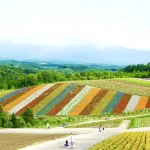
📷 Featured image by Ashita Mata on Unsplash.