On this page
- Ancient Buddhist Temples: Architectural Masterpieces Beyond Tourist Routes
- Traditional Gardens: Seasonal Beauty and Contemplative Spaces
- Historic Districts: Naramachi’s Preserved Merchant Quarter
- Shopping Destinations: Traditional Crafts and Local Specialties
- Cultural Experiences: Tea Ceremony, Pottery, and Artisan Workshops
- Hidden Natural Spots: Mountain Trails and Quiet Shrines
- Food Markets and Local Cuisine: Where Locals Actually Eat
- Practical Information: Getting Around and Budget Planning
- Frequently Asked Questions
💰 Click here to see Japan Budget Breakdown
💰 Prices updated: October, 2026. Budget figures are estimates — always verify before travel.
Exchange Rate: $1 USD = ¥157.00
Daily Budget (per person)
Shoestring: ¥8,000 – ¥15,000 ($50.96 – $95.54)
Mid-range: ¥18,000 – ¥35,000 ($114.65 – $222.93)
Comfortable: ¥45,000 – ¥80,000 ($286.62 – $509.55)
Accommodation (per night)
Hostel/guesthouse: ¥2,500 – ¥6,000 ($15.92 – $38.22)
Mid-range hotel: ¥10,000 – ¥20,000 ($63.69 – $127.39)
Food (per meal)
Budget meal: ¥800.00 ($5.10)
Mid-range meal: ¥2,500.00 ($15.92)
Upscale meal: ¥20,000.00 ($127.39)
Transport
Single metro/bus trip: ¥250.00 ($1.59)
Monthly transport pass: ¥30,000.00 ($191.08)
While most visitors to Nara spend their time feeding deer at Nara Park, this Ancient capital holds treasures that predate even Kyoto’s imperial legacy. In 2026, new express train connections and updated cultural experiences make exploring beyond the crowded deer enclosures easier than ever, revealing a city where 1,300-year-old temples stand alongside hidden gardens and traditional craft workshops that most tourists never discover.
Ancient Buddhist Temples: Architectural Masterpieces Beyond Tourist Routes
Nara’s temple heritage extends far beyond the famous Todai-ji. While that massive bronze Buddha draws crowds, the city houses dozens of equally significant temples where you can experience authentic Buddhist architecture without fighting for photo angles.
Kofuku-ji Temple, with its iconic five-story pagoda, becomes magical at dawn when morning mist rises from the surrounding ponds. The temple’s National Treasure Museum displays some of Japan’s finest Buddhist sculptures, including the haunting Ashura statue with its three faces expressing different emotions. Entry costs ¥700, and the early morning light filtering through the pagoda’s wooden structure creates photography opportunities impossible to capture during peak hours.
Kasuga Taisha presents a different architectural approach entirely. The vermillion shrine buildings, reconstructed every 20 years following Shinto tradition, house over 3,000 stone and bronze lanterns donated by worshippers across centuries. During the Lantern Festival in early February and mid-August, all lanterns illuminate simultaneously, transforming the forest pathways into corridors of dancing light.
For those seeking solitude, Shin-Yakushi-ji Temple offers profound tranquility. This eighth-century temple houses twelve guardian deity statues surrounding a central Buddha, each carved with expressions so lifelike they seem to follow your movement around the hall. The ¥600 entrance fee includes access to rarely-opened meditation halls where monks still practice daily zazen sessions.
Gangoji Temple, located in the historic Naramachi district, showcases architectural techniques from Korea’s Baekje kingdom. The temple’s roof tiles, some over 1,400 years old, demonstrate construction methods that influenced all subsequent Japanese temple design. The adjoining museum displays artifacts from Nara’s role as the eastern terminus of the Silk Road.

Traditional Gardens: Seasonal Beauty and Contemplative Spaces
Nara’s gardens reflect centuries of refinement in landscape design, each offering distinct seasonal experiences that change dramatically throughout the year.
Isuien Garden combines two separate garden designs from different eras into one cohesive masterpiece. The front garden, created in the 17th century, features carefully positioned stones and pruned pine trees that frame views of Nara’s surrounding mountains. The rear garden, added in the 19th century, incorporates borrowed scenery techniques that make distant Todai-ji’s pagoda appear as part of the garden’s composition. Spring brings cherry blossoms that reflect in the central pond, while autumn transforms the maple groves into curtains of red and gold.
Yoshikien Garden offers three distinct sections representing different Japanese garden styles. The pond garden centers around a mirror-like water feature surrounded by carefully positioned rocks representing mythical islands. The moss garden creates a carpet of over twenty moss varieties that glow emerald green after morning rain. The tea ceremony garden includes a traditional tea house where visitors can experience formal tea service while overlooking perfectly manicured landscapes.
The lesser-known Manyo Botanical Garden specializes in plants mentioned in ancient Japanese poetry. Each plant carries small plaques with original poems in both Japanese and English translation, creating an educational journey through classical literature. The garden’s seasonal highlights include late-winter plum blossoms, early summer iris fields, and autumn chrysanthemum displays that continue traditional imperial garden traditions.
Historic Districts: Naramachi’s Preserved Merchant Quarter

Naramachi district preserves Nara’s Edo period merchant quarter with narrow streets lined by traditional machiya townhouses. Unlike Kyoto’s heavily touristed historic areas, Naramachi maintains authentic residential character where families still live in centuries-old wooden buildings.
The district’s main thoroughfare, Ganko-ji Street, features traditional shops selling handmade crafts alongside family restaurants serving regional specialties. Many machiya houses have been converted into museums showcasing traditional lifestyle, including the Naramachi Museum which displays merchant family artifacts and explains traditional business practices that sustained the community for over 400 years.
Side streets reveal hidden courtyards where artisan workshops continue traditional crafts. The narrow Koshi-no-Machi lane houses a traditional dye workshop where kimono fabric receives natural indigo coloring using techniques unchanged since the Nara period. Visitors can observe the complex dyeing process and purchase hand-dyed textiles unavailable elsewhere.
Traditional architecture enthusiasts should explore the preserved townhouses with their distinctive sudare bamboo blinds and wooden lattice work. Many buildings feature internal courtyards designed for natural ventilation and light, demonstrating sophisticated environmental control predating modern air conditioning by centuries.
Shopping Destinations: Traditional Crafts and Local Specialties
Nara’s shopping scene balances traditional craftsmanship with modern convenience, offering unique items that reflect the city’s cultural heritage while serving contemporary needs.
Higashimuki Shopping Street, the city’s main commercial thoroughfare, houses traditional shops alongside modern retailers. Nakatanidou, famous for ultra-fast mochi pounding demonstrations, creates fresh rice cakes hourly using techniques passed down through generations. Their signature kinako mochi, dusted with roasted soybean powder, costs ¥150 per piece and provides an authentic taste of traditional Japanese sweets.
For traditional crafts, the Nara Prefecture Traditional Crafts Center showcases regional specialties including Takayama tea whisks, essential tools for tea ceremony made from single pieces of bamboo split into dozens of precise bristles. Master craftsmen demonstrate whisk-making techniques during weekend workshops where visitors can attempt creating their own whisks under expert guidance.

Sokuhi Washi paper workshops produce handmade paper using mulberry bark and traditional techniques. The distinctive Nara paper incorporates pressed flowers and leaves, creating decorative sheets perfect for calligraphy or artistic projects. Workshop sessions (¥2,500) include papermaking instruction and materials to create personalized sheets.
Local food specialties center around persimmon-related products, reflecting Nara’s role as Japan’s primary persimmon growing region. Specialty shops along Sanjo-dori sell dried persimmons, persimmon wine, and persimmon-flavored confections unavailable in other regions. The dried persimmons, called hoshigaki, undergo a month-long drying process that concentrates sweetness while creating a unique chewy texture.
Cultural Experiences: Tea Ceremony, Pottery, and Artisan Workshops
Nara offers hands-on cultural experiences that connect visitors directly with traditional Japanese arts, many conducted in historic settings that enhance authenticity.
Traditional tea ceremony experiences at Kodai-ji Temple include instruction in proper movements, utensil handling, and spiritual principles underlying the practice. Sessions occur in a 400-year-old tea house overlooking temple gardens, with the sound of temple bells creating an atmospheric backdrop. The ¥3,500 experience includes matcha preparation, traditional sweets, and explanations of tea ceremony philosophy from certified tea masters.
Akahada pottery workshops offer hands-on experience with Nara’s distinctive ceramic tradition. Akahada pottery, characterized by white glazes with red and gold decorative patterns, requires specific clay found only in the Nara region. Workshop sessions include clay preparation, wheel throwing, and painting traditional patterns. Completed pieces undergo firing and shipping to participants’ addresses within six weeks.
Brush-making workshops demonstrate traditional technique for creating calligraphy brushes from various animal hairs. Nara brush makers select specific hair types for different writing styles, binding them with silk threads into bamboo or wooden handles. Participants learn hair selection, binding techniques, and brush care while creating personalized brushes suitable for calligraphy practice.

Incense blending workshops reflect Nara’s historical role in Japan’s incense culture. Participants learn to identify different aromatic woods, create personal scent combinations, and form incense into traditional shapes. The finished incense provides lasting souvenirs while connecting participants to spiritual practices central to Japanese Buddhist culture.
Hidden Natural Spots: Mountain Trails and Quiet Shrines
Beyond the urban temples and gardens, Nara’s mountainous surroundings hide natural areas and remote shrines accessible through hiking trails that reveal different aspects of the region’s spiritual landscape.
Mount Wakakusa offers multiple trail routes leading to panoramic viewpoints overlooking Nara city and the surrounding Yamato Plain. The main trail, taking approximately 45 minutes to reach the summit, passes through mixed forests where deer roam freely without human feeding. The summit provides unobstructed views extending to Osaka on clear days, while seasonal wildflowers create natural carpets along the trail edges.
Kasugayama Primeval Forest, designated as a UNESCO World Heritage site, preserves ancient forest ecosystem within walking distance of central Nara. The forest houses numerous small shrines and stone lanterns along trails that wind between massive cedar and oak trees, some over 1,000 years old. The forest’s protective status means minimal human interference, creating habitat for native wildlife including several bird species found nowhere else in the region.
Tamukeyama Shrine, nestled deep in forested hills, requires a 30-minute hike through bamboo groves and mountain paths. The shrine specializes in prayers for safe travel and houses ancient statues carved directly into rock faces. The approach trail features dozens of small sub-shrines, each dedicated to different aspects of Shinto belief, creating a spiritual journey that builds intensity approaching the main sanctuary.
Hidden waterfalls within Nara Park’s extended boundaries provide cooling relief during summer heat. Niga Waterfall, accessible via a 20-minute walk from the main park area, creates natural pools perfect for meditation or quiet reflection. The waterfall’s acoustic properties amplify natural sounds while filtering urban noise, creating an oasis of tranquility despite proximity to tourist areas.

Food Markets and Local Cuisine: Where Locals Actually Eat
Nara’s food scene extends far beyond tourist-oriented restaurants, encompassing traditional markets, family-run establishments, and regional specialties that reflect the area’s agricultural heritage and historical significance.
Nara’s traditional morning market operates daily in the covered Higashimuki Shopping Arcade, where local vendors sell seasonal produce, pickled vegetables, and prepared foods. The market’s tofu vendor, operating from the same stall for over 40 years, creates fresh soy products using traditional methods and local soybeans. Their thick, creamy yuba (tofu skin) costs ¥200 per sheet and demonstrates the difference between artisanal and mass-produced soy products.
Regional cuisine centers around kakinoha-zushi, persimmon leaf-wrapped sushi that developed as a preservation method for transporting fish inland before refrigeration. Traditional preparation involves curing mackerel or salmon with salt and vinegar, wrapping individual pieces with seasoned rice in persimmon leaves, then pressing under weights overnight. The leaves impart subtle tannins while natural antimicrobial properties ensure freshness.
Local sake breweries produce distinctive varieties using Nara’s pure mountain water and locally-grown rice. Katsuragi Brewery, operating since 1887, offers tastings in their traditional wooden building where visitors can sample seasonal varieties while learning about brewing processes. Their specialty junmai-shu uses only locally-grown Yamada-nishiki rice and natural spring water, creating clean flavors that complement regional cuisine.
Street food around tourist areas includes imagawayaki (round pancakes filled with sweet bean paste), takoyaki (octopus balls), and mitarashi dango (grilled rice dumplings with sweet soy glaze). However, local favorites include narazuke pickles, vegetables aged in sake lees for months until they develop intense, complex flavors impossible to replicate through quick pickling methods.

Practical Information: Getting Around and Budget Planning
Nara’s compact size makes it easily navigable on foot or bicycle, with most attractions concentrated within a 2-kilometer radius of Kintetsu Nara Station. The new express services introduced in 2026 have reduced travel times from major cities while maintaining affordable pricing.
Transportation to Nara from Tokyo takes approximately 3 hours via shinkansen to Kyoto, then connecting to rapid express trains (total cost: ¥13,800). From Osaka, direct express trains reach Nara in 35 minutes for ¥570. From Kyoto, multiple train lines serve Nara with journey times ranging from 35-50 minutes and costs between ¥470-¥650 depending on service type.
Local transportation within Nara relies primarily on walking, with most attractions accessible within 20 minutes from either major station. Bicycle rental services charge ¥300-500 per day and provide efficient transportation for covering longer distances or carrying shopping. City buses serve outlying areas with day passes available for ¥500.
Budget ranges for 2026:
- Budget travel: ¥6,000-8,000 per day (hostel accommodation, local restaurants, temple entry fees, basic transportation)
- Mid-range comfort: ¥12,000-18,000 per day (business hotels, mix of local and tourist restaurants, cultural experiences, taxi use)
- Comfortable travel: ¥25,000-35,000 per day (luxury ryokan, high-end dining, private guides, exclusive experiences)
Temple and garden entry fees typically range from ¥300-700 per location. Cultural workshop experiences cost ¥2,000-5,000 depending on duration and materials included. Restaurant meals vary from ¥800-1,200 for local establishments to ¥3,000-6,000 for traditional kaiseki dining.
Accommodation booking patterns have shifted significantly since 2024, with many travelers preferring to stay in Nara rather than day-tripping from Kyoto or Osaka. This change reflects improved train connections and recognition that Nara offers sufficient attractions for multi-day visits. Peak seasons (spring cherry blossom, autumn foliage) require advance booking, while summer and winter periods offer more flexibility and lower prices.
Frequently Asked Questions
How much time should I spend in Nara? Most visitors need 2-3 days to explore major temples, gardens, and cultural experiences thoroughly. Day trips from nearby cities work for seeing deer park and Todai-ji, but overnight stays allow deeper exploration of historic districts and hidden attractions.

Is Nara suitable for travelers with mobility limitations? Main attractions like Todai-ji and Kasuga Taisha offer wheelchair accessibility, though traditional garden paths and temple steps present challenges. Many temples provide alternative access routes, and city buses accommodate wheelchairs for reaching outlying areas.
What’s the best season to visit Nara? Spring (March-May) offers cherry blossoms and mild weather, while autumn (October-November) provides stunning foliage. Summer brings festivals but intense heat and humidity. Winter sees fewer crowds and crisp mountain views, though some outdoor activities close.
Can I feed the deer in Nara Park safely? Official deer crackers (¥200 per packet) provide safe feeding options sold at designated stands. Deer can be aggressive when expecting food, so avoid carrying plastic bags or food items outside designated feeding areas. Bow to deer before feeding – many have learned to bow back.
How does Nara compare to Kyoto for traditional culture? Nara offers more intimate cultural experiences with fewer crowds and better access to artisan workshops. While Kyoto has more temples and gardens overall, Nara’s attractions feel more authentic and less commercialized, providing deeper engagement with traditional Japanese culture and history.
Explore more
Nara Day Trip: Your Essential Guide to Deer, Temples & Must-See Sights
Is Nara Worth a Day Trip from Kyoto? (Spoiler: Yes, Here’s Why)
Nara Day Trip Itinerary: How to See the Best of Japan’s Deer City in One Day
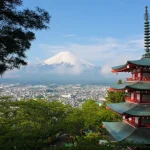
📷 Featured image by Alessandro Russo on Unsplash.