💰 Click here to see Japan Budget Breakdown
💰 Prices updated: October, 2026. Budget figures are estimates — always verify before travel.
Exchange Rate: $1 USD = ¥157.00
Daily Budget (per person)
Shoestring: ¥8,000 – ¥15,000 ($50.96 – $95.54)
Mid-range: ¥18,000 – ¥35,000 ($114.65 – $222.93)
Comfortable: ¥45,000 – ¥80,000 ($286.62 – $509.55)
Accommodation (per night)
Hostel/guesthouse: ¥2,500 – ¥6,000 ($15.92 – $38.22)
Mid-range hotel: ¥10,000 – ¥20,000 ($63.69 – $127.39)
Food (per meal)
Budget meal: ¥800.00 ($5.10)
Mid-range meal: ¥2,500.00 ($15.92)
Upscale meal: ¥20,000.00 ($127.39)
Transport
Single metro/bus trip: ¥250.00 ($1.59)
Monthly transport pass: ¥30,000.00 ($191.08)
Planning a Japan trip in 2026 has become more complex than ever, with post-pandemic price increases, currency fluctuations affecting international travelers, and evolving payment systems creating confusion about real costs. Many travelers arrive unprepared for Japan’s unique money culture or underestimate expenses, leading to budget stress during what should be an amazing experience.
Daily Budget Breakdown: What You’ll Actually Spend
Understanding realistic daily costs helps prevent the sticker shock that catches many visitors. Japan’s reputation as expensive is partly deserved, but smart planning makes it accessible across budget ranges.
Budget Traveler (¥8,000-12,000 per day)
Hostels and capsule hotels form the backbone of budget accommodation, ranging from ¥2,500-4,000 per night. Shared dormitories in Tokyo’s Shibuya or Shinjuku districts offer the lowest rates, while private capsules in chains like First Cabin provide more comfort for ¥3,500-4,000.
Food costs stay manageable with convenience store meals (¥300-600), ramen shops (¥700-1,200), and standing bars offering surprisingly filling meals for ¥800-1,500. The morning smell of freshly brewed coffee and warm pastries at 7-Eleven creates a surprisingly satisfying breakfast routine for ¥400-600.
Transportation via local trains and city subways typically runs ¥800-1,500 daily within major cities. Walking between nearby neighborhoods saves money while revealing hidden street art and tiny shrines tucked between modern buildings.
Mid-Range Traveler (¥15,000-25,000 per day)
Business hotels and ryokans without meals cost ¥6,000-12,000 nightly. These provide private rooms with proper bathrooms, often including complimentary breakfast buffets featuring both Japanese and Western options.
Restaurant meals expand your options significantly. Lunch sets at family restaurants cost ¥1,000-1,800, while dinner at izakayas or specialty restaurants ranges ¥2,500-4,500. The sizzling sounds and aromatic steam from teppanyaki grills create memorable dining experiences worth the premium.
Limited express trains and occasional taxis add convenience for ¥2,000-4,000 daily. Attraction entrance fees become affordable at ¥1,000-2,000 per site.
Comfortable Traveler (¥30,000+ per day)

Luxury hotels and high-end ryokans with kaiseki meals start at ¥20,000-40,000 nightly. These offer impeccable service, premium locations, and experiences like private onsen baths overlooking mountain valleys.
Fine dining, omakase sushi experiences, and Michelin-starred restaurants cost ¥8,000-20,000+ per meal. High-end establishments provide theatrical presentations where chefs craft each piece with precision while explaining ingredients and preparation methods.
First-class train travel, private guides, and premium experiences easily consume ¥10,000-15,000 daily on transportation and activities alone.
Payment Methods and Money Access in 2026
Japan’s payment landscape has evolved significantly since 2024, blending traditional cash dependence with expanding digital options. Understanding these changes prevents payment headaches during your trip.
Japanese Yen and Cash Reality
The Japanese Yen (JPY) remains the official currency, issued in ¥1,000, ¥2,000, ¥5,000, and ¥10,000 banknotes, plus coins from ¥1 to ¥500. Cash remains essential despite technological advances, particularly outside major metropolitan areas.
Small local businesses, traditional ryokans, temple admission fees, and many vending machines still require cash. The gentle chime of coins dropping into vending machine slots becomes a familiar sound as you purchase hot coffee during chilly morning shrine visits. Carrying ¥10,000-20,000 per person provides essential backup for unexpected cash-only situations.
IC Cards: The Transportation Solution
IC cards like Suica and Pasmo remain crucial for public transport and small purchases, but availability has changed dramatically since 2024. Physical card shortages due to semiconductor supply issues mean tourists face limited options.
Welcome Suica and PASMO PASSPORT cards designed for tourists cost ¥1,000 (including initial stored value), remain valid for 28 days, and require no refundable deposit. However, availability stays limited at designated JR East Travel Service Centers and airport stations.

Mobile IC cards provide the most reliable solution for 2026 visitors. iPhone users can download SuicaEng or PASMO apps, adding cards directly to Apple Wallet. Top-ups use linked international credit cards with ¥1,000 minimums. Android users need Osaifu-Keitai compatible devices, primarily phones sold in Japan.
Topping up physical cards requires cash at station machines or credit cards at convenience store counters. Mobile cards offer instant top-ups anytime via smartphone apps.
Credit Card Acceptance Expansion
Credit card acceptance has improved markedly since 2024, especially in major cities and tourist areas. Visa and Mastercard work most widely, followed by JCB, American Express, and Diners Club. Discover cards remain less common.
Major hotels, department stores, electronics retailers, chain restaurants, and many city taxis now accept cards. Contactless payments via Apple Pay or Google Pay are spreading rapidly. However, independent restaurants, traditional accommodations, temples, and local transportation may still require cash.
Always decline Dynamic Currency Conversion (DCC) when offered payment in your home currency. Choose JPY payment for better exchange rates. Foreign transaction fees from your home bank typically range 1-3% but vary by card issuer.
ATM Access: Convenience Store Lifelines
Convenience store ATMs provide 24/7 cash access across Japan. Seven Bank ATMs at 7-Eleven stores offer the most reliable service for international cards, followed by Lawson Bank and E-net ATMs at FamilyMart.
Withdrawal fees typically range ¥110-220 per transaction depending on timing and card type. Your home bank may add out-of-network fees ($3-5 USD equivalent) plus foreign transaction percentages. Per-transaction limits usually cap at ¥100,000-200,000, while your bank may impose additional daily limits.
The process involves selecting “International Cards” or “English,” entering your PIN, choosing “Withdrawal,” specifying amounts in ¥1,000 or ¥10,000 increments, and confirming transactions. Always verify your card works internationally before departing home.

Regional Price Variations Across Japan
Costs fluctuate dramatically between regions, with Tokyo and Kyoto commanding premium prices while rural areas and smaller cities offer significant savings.
Tokyo: Premium Pricing
Tokyo represents Japan’s highest costs across most categories. Central districts like Ginza, Shibuya, and Shinjuku charge premium accommodation rates starting ¥8,000-12,000 for business hotels, while luxury properties exceed ¥25,000 nightly.
Restaurant meals cost 20-30% more than other major cities. Ramen bowls averaging ¥800-1,000 elsewhere jump to ¥1,200-1,500 in trendy Tokyo neighborhoods. Department store basement food courts offer quality alternatives at moderate premiums over convenience stores.
Transportation within Tokyo costs ¥140-320 per subway ride, with daily totals reaching ¥1,000-1,500 for extensive sightseeing. Tourist IC card top-ups of ¥2,000-3,000 typically last 2-3 days depending on travel patterns.
Kyoto and Osaka: Moderate Premiums
Kyoto’s popularity creates accommodation shortages driving prices up, especially during cherry blossom and autumn foliage seasons. Business hotels cost ¥6,000-10,000, while traditional ryokans with meals range ¥15,000-30,000 per person.
Osaka offers Japan’s best food value, with street food stalls and casual restaurants serving generous portions at reasonable prices. Takoyaki (octopus balls) from street vendors cost ¥500-800 for 6-8 pieces, while hearty okonomiyaki meals rarely exceed ¥1,200.
Regional transportation passes provide savings for multi-day stays. Kansai Thru Pass covers private railways, subways, and buses across Kyoto, Osaka, and Nara for ¥4,000 (2-day) or ¥5,200 (3-day).
Rural Areas and Smaller Cities: Budget-Friendly Options
Cities like Kanazawa, Hiroshima, and Sendai offer authentic experiences at 30-40% lower costs than Tokyo. Business hotels range ¥4,000-7,000, while local restaurants serve regional specialties for ¥800-1,500.
Mountain villages and remote islands provide the lowest accommodation costs but require careful planning. Minshuku (family-run guesthouses) cost ¥3,000-6,000 including meals, offering intimate cultural experiences. The sounds of traditional wooden buildings creaking gently in mountain winds create peaceful atmospheres impossible to find in cities.

Transportation costs drop significantly outside major urban areas, though limited public transport may necessitate rental cars adding ¥5,000-8,000 daily including gas and tolls.
Hidden Costs That Catch Tourists Off Guard
Several expense categories catch unprepared travelers, often doubling actual trip costs beyond initial budgets.
Transportation Beyond Basic Fares
Shinkansen bullet trains cost significantly more than local transport. Tokyo to Kyoto one-way tickets cost ¥13,320 for non-reserved seats, ¥13,870 for reserved seats. Multi-city itineraries easily generate ¥30,000-50,000 in rail costs alone.
Japan Rail Pass provides savings for extensive travel but costs ¥29,650 for 7 days, ¥47,250 for 14 days, and ¥60,450 for 21 days as of 2026. Calculate actual usage versus pass costs before purchasing.
Airport transportation adds unexpected expenses. Narita Express to Tokyo costs ¥3,070, while Skyliner from Narita costs ¥2,520. Budget airport buses cost ¥1,000 but take significantly longer during rush hours.
Accommodation Extras and Taxes
Many accommodations add consumption tax (10%) plus accommodation tax varying by location. Tokyo charges ¥100-200 per person per night depending on room rates. Kyoto adds ¥200-1,000 per room nightly based on accommodation type and pricing.
Ryokans often quote per-person rates excluding taxes, with final bills 15-20% higher than advertised base rates. Service charges of 10-15% may apply at high-end establishments.
Resort fees at hotels include access to facilities like onsen baths, fitness centers, or breakfast buffets. These range ¥1,000-3,000 per person daily and may not be clearly disclosed during booking.
Tourist Trap Pricing
Popular tourist areas inflate prices substantially. Senso-ji Temple area in Asakusa charges ¥800-1,200 for basic ramen bowls costing ¥600-800 elsewhere. Souvenir shops near major attractions price items 50-100% higher than local stores.
Theme parks add numerous hidden costs beyond entrance fees. Tokyo Disneyland admission costs ¥7,900-9,400 depending on dates, while food, drinks, and souvenirs easily add ¥5,000-8,000 per person daily.
Guided tour markups can be substantial. Half-day Tokyo tours cost ¥8,000-12,000 per person for experiences easily replicated independently for ¥2,000-3,000 using public transport and self-guidance apps.

Smart Money-Saving Strategies for Japan
Strategic approaches can reduce Japan costs significantly without sacrificing experiences or authenticity.
Timing and Seasonal Savings
Shoulder seasons (late May-June, September-early November) offer 30-50% accommodation savings compared to peak cherry blossom (late March-early May) and autumn foliage (late October-November) periods. Hotel rates in Tokyo drop from ¥15,000-25,000 to ¥8,000-15,000 for equivalent properties.
Tuesday-Thursday travel provides weekday discounts on accommodations and attractions. Many hotels offer 20-30% midweek reductions, while some attractions reduce entrance fees on specific weekdays.
Booking accommodations 2-3 months in advance secures better rates before last-minute travelers drive prices up. Cancellation policies typically allow changes up to 7-14 days prior.
Food and Dining Strategies
Convenience store meals provide excellent value and quality, with hot foods available 24/7. Karaage chicken, onigiri rice balls, and bento boxes cost ¥300-600 while offering better nutrition than many budget restaurant options.
Lunch sets at restaurants cost 30-50% less than dinner at the same establishments. High-end sushi restaurants offer lunch courses for ¥3,000-5,000 compared to ¥8,000-15,000 dinner omakase experiences.
Department store basement food courts (depachika) provide premium quality at moderate prices. These offer free samples, seasonal specialties, and prepared foods from renowned restaurants at takeaway prices.
Happy hours at bars and izakayas typically run 5:00-7:00 PM with half-price drinks and discounted appetizers. The convivial atmosphere of salary workers unwinding after long days creates authentic cultural experiences.
Transportation Optimization
Regional day passes often provide better value than individual tickets for concentrated sightseeing. Tokyo Metro 24-hour tickets cost ¥800 and break even after 4-5 rides within the subway network.
Walking between nearby attractions saves money while revealing neighborhood character. Tokyo’s Harajuku to Shibuya walk takes 20 minutes through diverse districts, saving ¥160 in train fares while offering street photography opportunities.

Overnight buses replace hotel nights for budget travelers, with Tokyo-Osaka routes costing ¥3,000-6,000 compared to ¥13,320 daytime shinkansen plus accommodation costs.
Tax-Free Shopping Benefits
Tourist tax-free shopping provides 10% savings on eligible purchases over ¥5,000 per store. Electronics, clothing, and souvenirs qualify for immediate tax deduction at major retailers.
Consumable goods like cosmetics, food, and alcohol must remain sealed until departure but offer substantial savings on premium Japanese products. The distinctive packaging creates anticipation for post-trip enjoyment.
Combining purchases at single stores maximizes tax-free benefits. Department stores like Isetan and Takashimaya process tax-free transactions efficiently with English-speaking staff.
Frequently Asked Questions
Is tipping customary in Japan?
No, tipping is not customary in Japan and can even be considered rude or confusing. Service staff receive proper wages and excellent service is standard. Some high-end establishments may add automatic service charges of 10-15%, which is clearly indicated on bills.
How much cash should I carry daily in Japan?
Carry ¥10,000-20,000 per person as backup for cash-only situations. While credit card acceptance has improved significantly since 2024, small restaurants, temples, traditional accommodations, and some transportation still require cash payments.
Can I use my international credit card everywhere in Japan?
Credit cards work at major hotels, department stores, chain restaurants, and many city businesses, but acceptance remains limited at small independent establishments, traditional ryokans, temples, and some local transportation. Always have cash backup available.
What’s the best way to get IC cards for trains in 2026?
Mobile IC cards via smartphone apps provide the most reliable option due to ongoing physical card shortages. iPhone users can add Suica or PASMO to Apple Wallet, while compatible Android devices can use mobile versions. Physical tourist cards remain limited in availability.
Are there any hidden taxes or fees I should know about?
Accommodation taxes vary by city (Tokyo ¥100-200 per person, Kyoto ¥200-1,000 per room), consumption tax adds 10% to most purchases, and some establishments charge service fees. Airport departure taxes are typically included in international ticket prices. Always confirm if quoted prices include taxes.
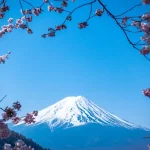
📷 Featured image by Paris Bilal on Unsplash.