On this page
- Historic Temples and Shrines That Define Kyoto
- Traditional Districts Where Old Japan Lives On
- Cultural Experiences You Can Only Have in Kyoto
- Nature Escapes Within the City Limits
- Shopping for Authentic Crafts and Souvenirs
- Food Culture Beyond the Tourist Trail
- Seasonal Festivals and Events Worth Planning Around
- Day Trip Options from Kyoto
- Budget Breakdown for Your Kyoto Visit
- Frequently Asked Questions
💰 Click here to see Japan Budget Breakdown
💰 Prices updated: October, 2026. Budget figures are estimates — always verify before travel.
Exchange Rate: $1 USD = ¥157.00
Daily Budget (per person)
Shoestring: ¥8,000 – ¥15,000 ($50.96 – $95.54)
Mid-range: ¥18,000 – ¥35,000 ($114.65 – $222.93)
Comfortable: ¥45,000 – ¥80,000 ($286.62 – $509.55)
Accommodation (per night)
Hostel/guesthouse: ¥2,500 – ¥6,000 ($15.92 – $38.22)
Mid-range hotel: ¥10,000 – ¥20,000 ($63.69 – $127.39)
Food (per meal)
Budget meal: ¥800.00 ($5.10)
Mid-range meal: ¥2,500.00 ($15.92)
Upscale meal: ¥20,000.00 ($127.39)
Transport
Single metro/bus trip: ¥250.00 ($1.59)
Monthly transport pass: ¥30,000.00 ($191.08)
Kyoto in 2026 faces a pleasant problem: it’s more accessible than ever thanks to improved international flight connections and the expanded Shinkansen network, yet visitors often feel overwhelmed by the 2,000+ Temples, countless cultural experiences, and layers of history spanning over 1,000 years. This guide cuts through the noise to show you exactly what makes Kyoto essential, from dawn prayers at hidden temples to late-night adventures in traditional entertainment districts.
Historic Temples and Shrines That Define Kyoto
Start with Kiyomizu-dera before 7 AM when the wooden stage overlooking the city catches the morning light without crowds. The temple’s famous wooden construction uses no nails, and you’ll hear the gentle creaking of centuries-old timber as early worshippers make their way up the steep approach. The view over Kyoto’s traditional rooftiles stretching toward the mountains creates one of Japan’s most photographed scenes.
Fushimi Inari deserves an entire morning, but arrive by 6 AM for the best experience. The vermilion torii gates spiral up Mount Inari through misty forest paths where foxes (inari messengers) occasionally dart between the pillars. The full hike takes 2-3 hours, but you can turn back at any point. Most tourists stop at the first viewing platform, so push beyond for genuine solitude among the 10,000 gates.
Kinkaku-ji (Golden Pavilion) gleams most dramatically in winter snow or autumn colors, but any season rewards early arrival. The three-story structure reflects perfectly in the mirror pond when wind stays calm. Walk the entire circuit path rather than joining the photo crowds at the main viewing spot.
For spiritual depth over Instagram appeal, visit Ryoan-ji’s rock garden. The 15 stones arranged in raked white gravel represent the essence of Zen philosophy. Sit quietly on the viewing platform and count the stones—Buddhist teaching suggests enlightened visitors see all 15 simultaneously from any angle, though the garden’s design makes this impossible from most positions.

Gion’s Yasaka Shrine offers evening magic when hundreds of lanterns illuminate the vermilion buildings. The shrine sits between Gion district and Maruyama Park, perfect for combining temple visits with traditional entertainment district exploration.
Traditional Districts Where Old Japan Lives On
Gion maintains its geisha culture despite tourist pressure. Walk the preserved streets of Hanami-koji and Shirakawa in early evening when geiko and maiko hurry between ochaya (tea houses) for appointments. Photography requires permission and distance—flash photography is strictly prohibited and considered deeply disrespectful.
Arashiyama’s bamboo grove creates a natural cathedral where filtered sunlight streams through towering stalks that sway and whisper in mountain breezes. Visit early morning before tour groups arrive, then explore Tenryu-ji Temple’s gardens and the monkey park overlooking the city. The district also houses traditional workshops where artisans create Kyoto’s famous textiles and ceramics.
Higashiyama district preserves Edo-period streetscapes along stone-paved lanes lined with wooden machiya townhouses. Many house traditional crafts shops, tea houses, and restaurants. The neighborhood connects several major temples, making it perfect for walking tours that combine architecture, shopping, and temple visits.
Pontocho Alley squeezes between Kawaramachi and the Kamogawa River in a narrow lane barely wide enough for two people. Traditional restaurants with summer kawadoko (riverside dining platforms) serve kaiseki cuisine while preserving centuries-old hospitality traditions. Reservations essential for most establishments.
Cultural Experiences You Can Only Have in Kyoto
Traditional tea ceremony experiences range from tourist-friendly demonstrations to serious study at established schools. Urasenke Foundation offers authentic lessons where you’ll learn proper movements for handling tea implements, seasonal flower arrangements, and the philosophical foundations of “wa, kei, sei, jaku” (harmony, respect, purity, tranquility). Sessions last 2-3 hours and include matcha and traditional sweets.

Kimono rental has evolved beyond simple costume photography. Premium services now offer authentic vintage pieces, professional styling, and guided tours through districts where kimono remains appropriate daily wear. Quality rentals include proper undergarments, obi tying, hair styling, and seasonal accessories. Budget 6-8 hours for the full experience.
Pottery classes in Kiyomizu-dera’s traditional district let you work with Kiyomizu-yaki techniques passed down through generations. Studios provide English instruction and ship finished pieces internationally. The distinctive blue and white ceramics make meaningful souvenirs that improve with age and use.
Buddhist meditation sessions at Shunko-in Temple welcome foreign participants with English instruction. Morning zazen (seated meditation) begins at 6 AM with chanting, silent sitting, and dharma discussion. The head priest studied abroad and explains concepts in accessible terms while maintaining authentic practice.
Calligraphy workshops teach brush techniques for writing Japanese characters and creating artistic pieces. Traditional ink grinding, brush handling, and stroke order create meditative focus while producing beautiful artwork. Many workshops include instruction in making personal hanko (name seals).
Nature Escapes Within the City Limits
Philosopher’s Path (Tetsugaku-no-michi) follows a canal lined with hundreds of cherry trees connecting Ginkaku-ji (Silver Pavilion) to Nyakuoji Shrine. The 2-kilometer stone path winds through residential neighborhoods where locals tend small gardens visible from the walkway. Spring brings pink petals floating on the canal water, while autumn creates tunnels of red and gold foliage.
Maruyama Park serves as Kyoto’s most popular hanami (cherry blossom viewing) spot with over 800 sakura trees creating pink clouds in late March and early April. The park transforms into an outdoor festival during bloom season with families spreading blue tarps for picnic parties that continue into the evening under illuminated blossoms.

Mount Inari offers hiking trails beyond the famous torii gates, leading to summit views over Kyoto and Osaka. The mountain contains dozens of smaller shrines connected by forest paths where you might encounter wild boar, deer, and various bird species. Pack water and snacks for the 3-4 hour round trip.
Kyoto Imperial Park surrounds the former imperial palace with vast open spaces, ancient trees, and seasonal flower gardens. The park remains free to explore, unlike the palace itself which requires advance reservations for guided tours. Early morning joggers and tai chi practitioners use the wide gravel paths before the day’s heat arrives.
Kamogawa River delta where the Kamogawa and Takano rivers converge creates an urban oasis popular with locals for evening relaxation. Stone platforms provide seating for watching herons fish while cyclists and walkers use the riverside paths. Summer festivals often center on this location.
Shopping for Authentic Crafts and Souvenirs
Nishiki Market stretches for 5 blocks through central Kyoto as the city’s kitchen since the 14th century. Over 100 specialty shops sell everything from handmade tofu and pickled vegetables to kitchen knives forged by master craftsmen. Sample local specialties like yuba (tofu skin), matcha sweets, and sake while shopping for ingredients unavailable elsewhere.
Traditional craft shopping requires knowing where artisans maintain their workshops. Kiyomizu-dera district houses pottery studios creating the distinctive Kiyomizu-yaki ceramics with delicate hand-painted designs. Watch artisans work before purchasing pieces ranging from simple tea cups (¥3,000-¥8,000) to elaborate vases (¥50,000-¥200,000).
Textile arts thrive in workshops around Nishijin district where families have woven silk for centuries. Nishijin-ori produces elaborate brocades used for obi, kimono, and decorative items. Small accessories like coin purses and bookmarks (¥2,000-¥5,000) make portable souvenirs, while full obi can cost ¥100,000-¥500,000.

Incense shopping at Kyukyodo reveals an art form dating back 1,000 years. The shop near the Imperial Palace creates custom blends for temples and individuals. Sample different scent profiles—floral, woody, spicy—before selecting sticks, coils, or powder forms. Quality incense starts around ¥1,500 for basic sets.
Knife shopping in Kyoto accesses some of Japan’s finest blade makers. Aritsugu, operating since 1560, creates kitchen knives used by professional chefs worldwide. Single-bevel Japanese knives require specific techniques but offer precision impossible with Western-style blades. Prices range from ¥15,000 for basic models to ¥100,000+ for master works.
Tea shopping extends beyond basic matcha to include dozens of green tea varieties, each with distinct flavor profiles based on growing region, harvest timing, and processing methods. Ippodo Tea, established in 1717, offers tastings and education about proper preparation techniques. Quality sencha starts around ¥2,000 per 100 grams.
Food Culture Beyond the Tourist Trail
Kyoto’s haute cuisine tradition, kaiseki, represents Japanese culinary arts at their peak. Multi-course meals change seasonally and feature local ingredients prepared according to centuries-old techniques. Restaurant reservations often require Japanese language skills and significant advance notice. Budget ¥30,000-¥80,000 per person for authentic high-end kaiseki.
Local specialties include tofu cuisine at temples where Buddhist monks developed plant-based dishes over 1,200 years. Arashiyama’s Komameya serves traditional tofu kaiseki in a setting overlooking bamboo groves. The subtle flavors require patient appreciation but reveal complexity impossible to achieve with meat-based cooking.
Obanzai refers to Kyoto home cooking featuring seasonal vegetables, simple preparations, and balanced nutrition. Small restaurants throughout the city serve these humble dishes that contrast dramatically with elaborate kaiseki presentations. Ganko Sushi chains offer accessible versions, while neighborhood spots provide authentic family recipes.
Wagashi (traditional sweets) reach artistic heights in Kyoto where confectioners create edible sculptures reflecting seasonal changes. Toraya, with 500 years of history, supplies sweets to the Imperial family. These delicate creations pair with tea ceremony and cost ¥300-¥800 each for individual pieces.

Street food concentrates around temples and shopping districts. Gion’s Kasagi-ya creates taiyaki (fish-shaped pastries filled with sweet red bean paste) cooked fresh throughout the day. Arashiyama offers bamboo-wrapped rice dishes and grilled mochi perfect for energy during temple walks.
Seasonal Festivals and Events Worth Planning Around
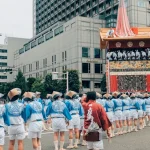
Gion Matsuri in July ranks among Japan’s three greatest festivals with parades of elaborate floats dating back 1,150 years. The main procession (Yamaboko Junko) on July 17th features wheeled floats up to 25 meters tall decorated with priceless tapestries and metalwork. Evening visits to float displays throughout the month let you examine the craftsmanship up close.
Cherry blossom season peaks in early April but varies yearly based on winter weather. Maruyama Park hosts the city’s largest hanami celebrations with thousands of visitors picnicking under illuminated trees. Philosopher’s Path offers quieter blossom viewing with fewer crowds but equally spectacular displays.
Autumn colors peak in mid-to-late November when mountain temples like Kiyomizu-dera frame views of orange and red maple canopies. Many temples offer special evening illuminations during peak color season, creating dramatically different perspectives on familiar sights. Advance tickets required for popular evening illumination events.
Aoi Matsuri (Hollyhock Festival) in May recreates Heian period court processions with participants wearing authentic costumes from 1,000 years ago. The parade from Imperial Palace to Shimogamo and Kamigamo shrines moves slowly with oxcarts, horses, and elaborately dressed court ladies creating living history.
Winter illuminations throughout December transform temple grounds and traditional districts with millions of LED lights. Arashiyama Bamboo Grove’s light displays create otherworldly tunnels, while temple illuminations highlight architectural details invisible during daylight.
Day Trip Options from Kyoto
Nara, the ancient capital before Kyoto, sits just 45 minutes away by train. Todai-ji Temple houses the world’s largest bronze Buddha statue in a wooden hall that ranks among Japan’s architectural masterpieces. Nara’s deer park lets you interact with over 1,200 sacred deer that bow for crackers sold throughout the area. Plan 6-8 hours for thorough exploration.

Osaka offers contrast to Kyoto’s traditional culture with modern food scenes, entertainment districts, and Osaka Castle. The 30-minute train journey makes day trips easy, especially for sampling Osaka’s famous street food culture in Dotonbori district. Return trains run until midnight for full-day exploration.
Mount Fuji day trips from Kyoto require early departure (6 AM train) but reward with Japan’s most iconic sight. Kawaguchi Lake provides classic viewing angles with seasonal flowers in foreground. During climbing season (July-September), advanced hikers can attempt the summit, though this requires overnight accommodation.
Hiroshima’s Peace Memorial sites and nearby Miyajima Island combine serious historical education with natural beauty. The famous floating torii gate at Itsukushima Shrine creates one of Japan’s “three views” especially beautiful at sunset. High-speed trains make this feasible as a long day trip (12+ hours total).
Koyasan, the center of Shingon Buddhism, offers temple stays and sacred mountain atmosphere 2 hours from Kyoto. The train journey through mountain valleys provides scenic rewards before reaching the plateau where 100+ temples preserve 1,200 years of religious practice. Overnight stays in temple lodging recommended for full experience.
Budget Breakdown for Your Kyoto Visit
Budget Travel (¥6,000-¥9,000 per day):
- Accommodation: Hostel dorms ¥2,500-¥3,500, budget business hotels ¥4,500-¥6,500
- Meals: Convenience store breakfast ¥500, lunch sets ¥800-¥1,200, dinner ¥1,500-¥2,500
- Transport: City bus day pass ¥600, bicycle rental ¥1,000
- Temples: Most free or ¥300-¥600 admission
Mid-Range Travel (¥15,000-¥25,000 per day):
- Accommodation: Business hotels ¥8,000-¥12,000, ryokan ¥15,000-¥25,000 with meals
- Meals: Quality restaurant lunches ¥2,000-¥3,500, dinners ¥4,000-¥8,000
- Transport: Taxis for convenience ¥1,500-¥3,000 per day
- Experiences: Tea ceremony ¥3,000, kimono rental ¥5,000-¥8,000

Comfortable Travel (¥35,000-¥60,000+ per day):
- Accommodation: Luxury hotels ¥25,000-¥50,000, premium ryokan ¥40,000-¥80,000
- Meals: Kaiseki dining ¥15,000-¥40,000, high-end sushi ¥20,000+
- Transport: Private drivers, premium rail seats
- Experiences: Private cultural lessons, exclusive temple access
2026 updates include increased prices for popular temple admissions (now ¥400-¥800 versus ¥300-¥600 in 2024) and new digital reservation fees (¥200-¥500) for peak season visits to major attractions. The weak yen continues making Japan more affordable for international visitors compared to 2022-2023 peaks.
Frequently Asked Questions
How many days do I need to see Kyoto properly?
Minimum 4-5 days for major temples, districts, and cultural experiences. Seven days allows deeper exploration including day trips to Nara or cultural workshops without rushing.
When is the best time to visit Kyoto?
Spring (March-May) and autumn (October-November) offer ideal weather and seasonal beauty. Summer brings heat and humidity but fewer crowds. Winter provides clear mountain views and illuminations.
Do I need to speak Japanese to enjoy Kyoto?
Basic phrases help, but major temples and tourist areas provide English information. Download translation apps and carry a pocket phrasebook for restaurant ordering and shopping.
How do I get around Kyoto efficiently?
City buses cover most tourist destinations with day passes for ¥600. Bicycles work well for short distances. Taxis cost more but save time for multiple stops.
Can I see geishas in Kyoto, and is photography allowed?
Geiko and maiko work in Gion district, most visible early evening. Photography requires permission and distance—never use flash or obstruct their movement. Respect their privacy and profession.
Explore more
Kyoto Itinerary: The Ultimate 3-Day Plan for First-Time Visitors
Kyoto Itinerary: How to Spend 3 Perfect Days in Japan’s Cultural Heart
The Ultimate 4-Day Kyoto Itinerary for First-Timers