On this page
- The Festival Calendar: Matching Japan’s Seasonal Rhythms
- Spring Celebrations: Cherry Blossoms and Fresh Beginnings
- Summer Matsuri: Fire, Dance, and Community Spirit
- Autumn Festivals: Harvest, Gratitude, and Changing Leaves
- Winter Traditions: New Year and Sacred Ceremonies
- Regional Specialties: Beyond Tokyo’s Tourist Trail
- Festival Etiquette and Participation Tips
- Planning Your Festival Journey: Practical Considerations
- Budget Breakdown: Festival Travel Costs in 2026
- Frequently Asked Questions
Japan‘s festival calendar has evolved significantly since the 2024 tourism boom, with many events now requiring advance reservations and implementing crowd management systems. While this means more planning is essential, it also ensures better experiences for both locals and visitors who understand the new landscape.
The Festival Calendar: Matching Japan’s Seasonal Rhythms
Japanese festivals follow the country’s distinct seasons, each bringing ceremonies that have shaped cultural identity for over a millennium. Spring festivals celebrate renewal and growth, summer matsuri channel community energy through dance and fireworks, autumn events honor harvest and ancestors, while winter ceremonies focus on purification and new beginnings.
The festival year begins with Shogatsu (New Year) celebrations from January 1-3, when millions visit temples and shrines for hatsumode, the first prayer of the year. The sound of temple bells echoing across snow-covered grounds at midnight creates an atmosphere of profound reverence mixed with joyful anticipation.
Spring Celebrations: Cherry Blossoms and Fresh Beginnings
Hanami season transforms Japan into a pink and white wonderland from late March through mid-April, moving from Okinawa northward to Hokkaido. This isn’t merely flower viewing – it’s a national celebration of life’s fleeting beauty, with families and friends gathering for elaborate picnics beneath blooming sakura trees.
The Yoshino Cherry Blossom Festival in Nara Prefecture showcases 30,000 cherry trees across four elevation levels, creating a cascading pink carpet that blooms progressively up the mountainside. Visitors can witness this natural choreography over several weeks, with different varieties blooming at different times.
Takayama’s Spring Festival (April 14-15) combines cherry blossoms with ornate festival floats called yatai. These elaborate structures, some over 300 years old, are wheeled through streets lined with traditional wooden buildings while cherry petals drift overhead like confetti.

Lesser-known spring celebrations include the Kanamara Matsuri in Kawasaki (early April), which celebrates fertility and protection against sexually transmitted diseases with surprising humor and openness. The festival’s colorful atmosphere and unique traditions offer insight into Japan’s ability to blend the sacred with the playful.
Summer Matsuri: Fire, Dance, and Community Spirit
Summer festivals embody Japanese community spirit through shared celebration, with the hypnotic rhythm of taiko drums echoing through warm evening air thick with the aroma of yakitori and takoyaki from countless food stalls.
Gion Matsuri in Kyoto spans the entire month of July, culminating in massive yamaboko float processions on July 17 and July 24. These towering wooden structures, some reaching four stories high, are pulled through narrow streets by teams of men in traditional dress. The craftsmanship represents centuries of artistic tradition, with each float featuring priceless tapestries and metalwork.
Awa Odori in Tokushima (August 12-15) transforms the city into Japan’s largest dance festival. The phrase “dancing fools and watching fools are both fools, so you might as well dance” captures the event’s infectious spirit. Organized dance groups called ren perform choreographed routines through the streets, while spectators often join spontaneous dance circles.
The Nebuta Matsuri in Aomori (August 2-7) features enormous illuminated warrior floats that seem to glow from within as they move through darkened streets. The combination of traditional music, dancing haneto performers, and these spectacular light displays creates an almost otherworldly atmosphere.
Tanabata festivals across Japan in early July celebrate the legend of separated lovers who can meet once a year when a bridge of magpies spans the Milky Way. Streets become canopies of colorful paper decorations bearing written wishes, creating intimate moments of hope amid the celebration.

Autumn Festivals: Harvest, Gratitude, and Changing Leaves
Autumn festivals coincide with koyo (fall foliage) season, when temple grounds and mountain paths blaze with red maple leaves and golden ginkgo trees. These celebrations honor the harvest while acknowledging the approaching winter.
The Jidai Matsuri in Kyoto (October 22) presents a living history lesson through costume processions representing different periods of Japanese history. Participants wear meticulously researched period clothing, from Heian court dress to samurai armor, creating a moving timeline through the former imperial capital’s streets.
Chrysanthemum festivals throughout November showcase Japan’s national flower in elaborate displays. The Shimonoseki Kiku Matsuri features thousand-bloom displays where single plants are trained to produce hundreds of flowers, creating cascading walls of color.
Rice harvest festivals in rural areas offer authentic glimpses of agricultural traditions. The Owara Kaze-no-Bon in Toyama Prefecture (September 1-3) combines harvest celebration with hauntingly beautiful dance performances on narrow streets lit only by paper lanterns, creating an atmosphere of timeless elegance.
Winter Traditions: New Year and Sacred Ceremonies
Winter festivals focus on purification, reflection, and renewal. The cold air sharpens the senses, making ceremonies feel more immediate and meaningful.
Shogatsu preparations begin weeks before January 1st, with homes decorated using kadomatsu (bamboo and pine arrangements) and shimenawa (sacred rope). Temple bells ring 108 times on New Year’s Eve to dispel the 108 human desires that cause suffering in Buddhist tradition.
Hatsumode, the first shrine visit of the year, draws millions of participants. Meiji Shrine in Tokyo typically receives over three million visitors during the first three days of January, creating a remarkable display of shared devotion despite the crowds.
The Sapporo Snow Festival (early February) showcases massive snow and ice sculptures that transform the city into a winter wonderland. International artists collaborate with local craftsmen to create temporary masterpieces that exist only in subzero temperatures.

Setsubun (February 3) marks the traditional beginning of spring with bean-throwing ceremonies. “Oni wa soto, fuku wa uchi” (demons out, fortune in) echoes from temples and homes as people throw roasted soybeans to ward off evil spirits.
Regional Specialties: Beyond Tokyo’s Tourist Trail
Regional festivals preserve local traditions and offer authentic experiences away from major tourist centers. These celebrations often maintain practices unchanged for centuries.
The Oga Namahage Festival in Akita Prefecture features demon-like figures who visit homes to warn against laziness and encourage hard work. This UNESCO-recognized tradition transforms the winter landscape into scenes from ancient folklore.
Kagoshima’s Ohara Matsuri (early November) showcases regional dance traditions unique to southern Kyushu. The festival’s island influences create distinct rhythms and movements rarely seen elsewhere in Japan.
The Chichibu Night Festival (December 2-3) in Saitama Prefecture combines elaborate floats with spectacular fireworks displays. The mountain setting and winter timing create an intimate atmosphere that contrasts sharply with summer festivals.
Okinawa’s Eisa festivals throughout summer preserve Ryukyu Kingdom dance traditions. The subtropical setting and distinct cultural heritage offer experiences significantly different from mainland Japanese festivals.
Festival Etiquette and Participation Tips
Understanding proper festival behavior enhances both your experience and local appreciation. Japanese festivals maintain sacred elements even within celebratory atmospheres.
Shrine and temple festival etiquette requires purification at temizu basins before approaching sacred spaces. Rinse your left hand, then right hand, rinse your mouth (don’t drink), and clean the ladle handle before replacing it.
Photography restrictions vary significantly between festivals. While some encourage documentation, others maintain strict prohibitions, especially during sacred ceremonies. Always observe posted signs and local guidance.
Participation opportunities exist at most festivals, from joining dance circles during summer matsuri to helping carry portable shrines (mikoshi). Expressing genuine interest typically results in warm welcomes and instruction from local participants.

Festival food etiquette includes not walking while eating and properly disposing of containers at designated collection points. The concept of mottainai (avoiding waste) remains important even during celebratory times.
Planning Your Festival Journey: Practical Considerations
Festival attendance requires strategic planning, especially since 2026’s increased popularity among international visitors. Advanced booking for accommodations near major festivals is essential, sometimes requiring reservations six months ahead.
Transportation during festivals can become challenging, with special train schedules and potential service disruptions. The JR Pass now costs ¥50,000 for seven days (increased from 2024 pricing), but remains valuable during festival season when individual ticket prices rise due to demand.
Timing arrivals before events begin allows you to secure good viewing positions and observe preparation rituals. Many festivals begin with preliminary ceremonies that provide cultural context for main events.
Weather considerations are crucial, especially for outdoor festivals. Summer matsuri can be extremely hot and humid, while winter festivals require appropriate cold-weather clothing. Always check local weather forecasts and prepare accordingly.
Language barriers decrease significantly during festivals, as locals become more patient and helpful with foreign visitors. Learning basic Japanese phrases like “sumimasen” (excuse me) and “arigatou gozaimasu” (thank you very much) greatly enhances interactions.
Budget Breakdown: Festival Travel Costs in 2026
Festival travel costs vary significantly based on timing, location, and accommodation choices. Understanding current pricing helps with realistic trip planning.
Budget Level (¥8,000-¥12,000 daily): Hostel accommodation (¥3,000-¥4,500), local transport (¥1,000), festival food and basic meals (¥2,500-¥3,500), souvenirs and incidentals (¥1,500-¥4,000). This level requires advance booking and flexibility with locations.
Mid-range Level (¥15,000-¥25,000 daily): Business hotel accommodation (¥8,000-¥12,000), comfortable transport including some taxi usage (¥2,500), varied dining experiences (¥4,000-¥6,000), quality souvenirs and festival participation (¥3,000-¥6,000). This provides good comfort without luxury pricing.
Comfortable Level (¥30,000+ daily): Ryokan or premium hotel accommodation (¥15,000-¥25,000), private transport and premium train seats (¥4,000), high-quality dining including kaiseki meals (¥8,000-¥12,000), extensive shopping and premium experiences (¥5,000-¥10,000). This level ensures excellent experiences without budget concerns.

Festival-specific costs include omamori (protective charms) at ¥500-¥1,500, festival food ranging from ¥200 takoyaki to ¥1,500 premium yakitori, and yukata rental at ¥5,000-¥8,000 for summer festivals. Photography fees at some events range from ¥1,000-¥3,000.
Frequently Asked Questions
Do I need reservations for Japanese festivals? Major festivals increasingly require advance tickets or reservations, especially since 2026. Check official websites 2-3 months ahead. Smaller local festivals typically remain free and open to all visitors.
What should I wear to Japanese festivals? Comfortable walking shoes are essential. Yukata (summer kimono) are appropriate for summer festivals but not required. Avoid revealing clothing at temple-based festivals. Layers work well for seasonal weather changes.
Can tourists participate in festival activities? Yes, most festivals welcome respectful participation. Summer dance festivals often encourage joining, while shrine festivals may invite help carrying mikoshi. Express interest politely and follow local guidance always.
Are festivals suitable for families with children? Absolutely. Japanese festivals are family-oriented events with activities for all ages. However, large crowds require extra attention to children’s safety. Evening festivals may challenge young children’s schedules.
How crowded do festivals get? Expect significant crowds at major festivals, especially on weekends. Arrive early for better positions, plan extra travel time, and consider attending preliminary events for smaller crowds while still experiencing authentic traditions.
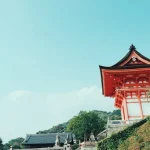
📷 Featured image by note thanun on Unsplash.