On this page
- Japan’s Cash-Heavy Payment Reality in 2026
- Mastering Japanese ATMs: Your Lifeline for Cash Access
- IC Cards Revolution: Why Mobile Payment Is Your Best Travel Hack
- Credit Cards in Japan: Where They Work and Where They Don’t
- The Art of Not Tipping: Understanding Japanese Service Culture
- Tax-Free Shopping: Maximizing Your Tourist Benefits
- Real-World Budgeting: What Everything Actually Costs in 2026
- Common Money Mistakes That Trip Up First-Time Visitors
- Frequently Asked Questions
💰 Click here to see Japan Budget Breakdown
💰 Prices updated: October, 2026. Budget figures are estimates — always verify before travel.
Exchange Rate: $1 USD = ¥157.00
Daily Budget (per person)
Shoestring: ¥8,000 – ¥15,000 ($50.96 – $95.54)
Mid-range: ¥18,000 – ¥35,000 ($114.65 – $222.93)
Comfortable: ¥45,000 – ¥80,000 ($286.62 – $509.55)
Accommodation (per night)
Hostel/guesthouse: ¥2,500 – ¥6,000 ($15.92 – $38.22)
Mid-range hotel: ¥10,000 – ¥20,000 ($63.69 – $127.39)
Food (per meal)
Budget meal: ¥800.00 ($5.10)
Mid-range meal: ¥2,500.00 ($15.92)
Upscale meal: ¥20,000.00 ($127.39)
Transport
Single metro/bus trip: ¥250.00 ($1.59)
Monthly transport pass: ¥30,000.00 ($191.08)
With inflation hitting Japan harder than expected in 2025 and the ongoing semiconductor shortage affecting IC card availability, managing money in Japan has become more complex for international travelers. Many visitors arrive unprepared for the cash-heavy culture, only to find themselves stranded at a traditional restaurant that doesn’t accept their foreign credit card, or frustrated by empty ATMs that reject international cards.
Japan’s Cash-Heavy Payment Reality in 2026
Japan operates on the Japanese Yen (JPY), with physical denominations including ¥1, ¥5, ¥10, ¥50, ¥100, and ¥500 coins, plus ¥1,000, ¥2,000 (rarely seen), ¥5,000, and ¥10,000 banknotes. While the country has made significant strides toward cashless payments, the transformation remains incomplete, particularly outside major metropolitan areas.
The crisp rustle of yen notes still dominates transactions at countless establishments across Japan. Cash remains absolutely essential for:
- Independent restaurants, especially family-run establishments serving steaming bowls of ramen in narrow alleyways
- Traditional ryokan and minshuku accommodations where the personal service extends to cash-only payment preferences
- Vending machines dispensing everything from hot coffee to umbrellas, though IC card acceptance is growing
- Temple and shrine entrance fees, particularly at smaller spiritual sites off the tourist trail
- Rural areas where the gentle pace of life includes cash-based commerce
- Local buses, especially in smaller cities and towns
- Street food vendors at festivals and markets
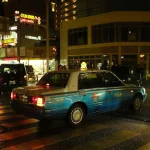
- Older taxi drivers who haven’t upgraded their payment systems
Smart travelers maintain ¥15,000 to ¥25,000 in cash for daily expenses, keeping larger bills (¥10,000 notes) separate for accommodation and significant purchases, while using smaller denominations for everyday transactions.
The payment landscape varies dramatically by location and establishment type. Tokyo’s Shibuya district might feel completely cashless, with every convenience store accepting mobile payments, while a traditional soba shop in Kyoto’s quiet neighborhoods might only deal in cash, maintaining the same payment methods used for decades.
Mastering Japanese ATMs: Your Lifeline for Cash Access
Japan’s ATM network for international cards centers around convenience stores and post offices, creating a reliable system once you understand the key players. The familiar glow of convenience store signs becomes your beacon for cash access across the country.

The most dependable ATM networks for international travelers include:
7-Bank ATMs (7-Eleven stores): These bright red machines offer 24/7 availability and excellent English interfaces. Found in virtually every 7-Eleven across Japan, they accept Visa, Mastercard, American Express, Plus, and Cirrus cards. The maximum withdrawal typically ranges from ¥50,000 to ¥100,000 per transaction, depending on your card issuer’s limits.
Lawson Bank ATMs: Located in Lawson convenience stores, these blue machines provide similar reliability and international card acceptance. They’re particularly common in business districts and near train stations.
E-net ATMs: Found in FamilyMart stores and select supermarkets, these machines maintain the same high standards for international card acceptance and English language support.
Japan Post Bank ATMs: Available in post offices nationwide, these machines offer broader coverage in rural areas where convenience stores might be scarce. However, operating hours may be more limited, typically closing in the evening and on holidays.
ATM fees have remained relatively stable since 2024. Japanese banks typically charge ¥110 for withdrawals up to ¥10,000, and ¥220 for withdrawals between ¥10,001 and ¥20,000. Your home bank may add foreign transaction fees (usually 0-3% of the withdrawal amount) plus flat international ATM fees, so check these charges before departing.
The step-by-step process for using convenience store ATMs follows a consistent pattern:
- Insert your debit or credit card into the machine
- Select “English” or “International Cards” on the touchscreen display
- Enter your 4-digit PIN when prompted
- Choose “Withdrawal” (引き出し – Hikidashi in Japanese)
- Select your account type (usually “Savings Account” for debit cards or “Credit Account” for credit cards)
- Enter your desired withdrawal amount in Japanese Yen
- Confirm all transaction details on the summary screen
- Collect your cash, card, and receipt in that order

Some machines may ask additional security questions, such as your billing zip code, particularly for American-issued cards. Always have this information readily available.
Cash withdrawal timing matters more than many travelers realize. ATMs in convenience stores operate 24/7, but machines in other locations may have restricted hours. Plan major withdrawals during business hours when multiple ATM options remain available.
IC Cards Revolution: Why Mobile Payment Is Your Best Travel Hack
The semiconductor shortage that began affecting Japan in late 2023 has fundamentally altered the IC card landscape for travelers. Physical Suica and PASMO cards have become increasingly difficult to obtain, pushing the travel experience toward mobile solutions that are actually superior to the traditional plastic cards.
IC (Integrated Circuit) cards function as rechargeable smart cards for public transportation and retail purchases. The gentle beep of an IC card reader has become the soundtrack of Japanese urban life, heard at every train gate and convenience store checkout.
The main IC card types include Suica (JR East), PASMO (Tokyo-area private railways), ICOCA (Kansai region), and several others. These cards are largely interoperable nationwide, meaning a Tokyo-purchased Suica works seamlessly on Osaka subways or Kyoto buses.
Mobile IC Cards: The 2026 Solution
Mobile IC cards represent the optimal choice for international travelers in 2026, offering advantages that physical cards cannot match.
Apple Pay Integration: iPhone 8 or later and Apple Watch Series 3 or later support full Suica and PASMO functionality. Download the “SuicaEng” app for Suica or “Mobile PASMO” app from the App Store. The setup process takes minutes: create a new card within the app, add funds using your international credit card (Visa, Mastercard, American Express, and JCB accepted), and immediately start using transportation and making purchases.

The tactile satisfaction of simply holding your phone or watch near the card reader, hearing the confirmation beep, and seeing the balance display creates an almost magical travel experience. No fumbling for cards, no worrying about losing them, no need to find machines for recharging.
Google Pay Compatibility: Android smartphones with NFC running Android 5.0 or later can use Mobile Suica and Mobile PASMO through the respective apps. While older information suggested that international phones needed specific FeliCa chips, Google Pay integration has broadened compatibility significantly for international Android devices.
Mobile IC cards eliminate the ¥500 deposit required for physical cards, allow instant balance checks, enable immediate recharging from your phone, and provide English-language transaction history. The apps send notifications for low balances and can be topped up automatically.
Tourist Physical IC Card Alternatives
For travelers without compatible smartphones or those preferring physical cards, limited options exist:
Welcome Suica: Available at major JR East locations including Narita Airport, Haneda Airport, and Tokyo Station. These cards cost the face value of your initial charge (no separate deposit) but expire 28 days after first use with no balance refund option. Availability remains limited due to manufacturing constraints.
PASMO Passport: Sold at major private railway stations and subway stations in Tokyo, these cards require a ¥500 non-refundable issuance fee plus your desired charge amount. Like Welcome Suica, they expire after 28 days with no balance refund.
IC cards work across an impressive range of locations: all JR trains, subways, private railways, most buses, convenience stores, vending machines, coin lockers, many taxis, supermarkets, department stores, and an growing number of restaurants. The cards have become so integrated into daily life that many Japanese residents rarely carry cash for small purchases.

Credit Cards in Japan: Where They Work and Where They Don’t
Credit card acceptance in Japan has expanded dramatically since 2024, driven by increased tourism and government cashless promotion initiatives. However, the acceptance pattern follows predictable lines that savvy travelers can navigate.
High Acceptance Locations:
- Major hotel chains and luxury accommodations
- Department stores and large shopping centers
- Chain restaurants, especially international brands
- JR ticket offices for Shinkansen and long-distance travel
- Most taxis in major cities (look for card acceptance stickers)
- Tourist attractions and theme parks
- Electronics retailers like Yodobashi Camera and Bic Camera
- Drugstore chains such as Matsumoto Kiyoshi
Limited or No Acceptance:
- Independent restaurants and cafes
- Traditional accommodations (ryokan, minshuku)
- Local buses and rural transportation
- Smaller shops in traditional shopping districts
- Street food vendors and markets
- Some older establishments that haven’t upgraded payment systems
Visa and Mastercard enjoy the widest acceptance, followed by JCB (a Japanese network that’s particularly useful for domestic travel benefits). American Express and Diners Club work at higher-end establishments but face more limitations.
Contactless payments have gained significant traction in 2026. The familiar tap-to-pay gesture works at an increasing number of locations, especially in urban areas. Look for the universal contactless symbol or specific payment method logos near card terminals.
A critical warning about Dynamic Currency Conversion (DCC): when paying by card, merchants may offer to charge your home currency instead of Japanese Yen. This seemingly helpful service actually includes unfavorable exchange rates and hidden fees. Always insist on paying in JPY to get your bank’s exchange rate, which is typically much better.
Your home bank’s foreign transaction fees vary widely. Some cards charge 2.5-3% per transaction, while others offer no foreign fees. Travel-focused credit cards often provide the best rates and additional benefits like travel insurance.

The Art of Not Tipping: Understanding Japanese Service Culture
Japan’s no-tipping culture represents one of the most refreshing aspects of travel in the country, but it can initially confuse visitors from tipping-heavy cultures. The concept of exceptional service as a standard expectation, rather than something requiring additional payment, permeates every service interaction.
Tipping is not customary anywhere in Japan. This applies universally to:
- Restaurants of all levels, from convenience store counters to Michelin-starred establishments
- Hotels, including housekeeping, concierge services, and room service
- Taxis, even for helpful service with luggage
- Tour guides and activity instructors
- Delivery services
- Hair salons and beauty services
- Massage and spa treatments
Attempting to tip can create genuine confusion or embarrassment for service staff, who may chase after you thinking you forgot money. The cultural foundation rests on the principle that excellent service is an inherent part of professional pride, not something requiring additional incentive.
Some upscale hotels and restaurants catering to international clientele may include a mandatory service charge (サービス料 – sābisu-ryō) of 10-15%, clearly stated on your bill. This is not a tip but part of the establishment’s pricing structure, similar to a cover charge.
The warmth and attention you receive from a small family restaurant owner carefully preparing your meal, or the meticulous care of a ryokan host ensuring your comfort, comes from cultural values of hospitality (omotenashi) rather than expectation of monetary reward.
If you wish to express appreciation for exceptional service, a polite bow and verbal thanks in Japanese (“Arigatou gozaimashita”) carry more cultural weight than money. Small gifts from your home country, while not expected, are sometimes appreciated in very personal service situations, but even this is optional.

Tax-Free Shopping: Maximizing Your Tourist Benefits
Japan’s tax-free shopping system offers significant savings for international visitors, with the 10% consumption tax exemption applying to a wide range of goods. The system underwent major digitalization in 2024, streamlining the process considerably.
Eligibility requires “Temporary Visitor” status stamped in your passport upon entry to Japan. This covers most tourist visas but excludes residents and certain long-term visa holders. You must be purchasing goods for personal use and taking them out of Japan.
The minimum purchase requirement is ¥5,000 or more (excluding tax) at a single store on the same day. This threshold applies to both general goods (electronics, clothing, crafts, shoes) and consumable goods (food, beverages, cosmetics, medicines, alcohol). You can combine different product categories to reach the minimum.
The 2026 Digital Process:
The fully digitized system launched in April 2024 has eliminated the paper-heavy process that previously required stamped receipts and passport attachments. Stores now transmit purchase records directly to customs authorities electronically.
- Look for stores displaying the official “Tax-Free” logo
- Shop normally and accumulate purchases totaling ¥5,000 or more
- Present your physical passport at the tax-free counter or regular cashier
- The store scans your passport and processes the tax exemption immediately
- Pay the tax-free amount (either through immediate deduction or refund)
- For consumable goods, receive items in sealed transparent bags that must remain unopened until departure
The digital system means no more paperwork to manage or worry about losing. Your purchases are automatically recorded in the government database, accessible to customs upon departure.
Where Tax-Free Shopping Works:
- Major department stores (Takashimaya, Mitsukoshi, Isetan)
- Electronics retailers (Yodobashi Camera, Bic Camera, Don Quijote)
- Drugstore chains (Matsumoto Kiyoshi, Welcia)
- Specialty shops in tourist areas
- Some traditional craft stores and souvenir shops
- Select supermarkets in major cities
Services like restaurant meals, accommodation, transportation, and experiences generally don’t qualify for tax-free treatment. The focus remains on physical goods you’ll take home.

Popular tax-free purchases include electronics, cosmetics, traditional crafts, clothing, food products (especially regional specialties), and alcohol. Many stores offer additional discounts or special tourist pricing beyond the tax exemption.
Real-World Budgeting: What Everything Actually Costs in 2026
Inflation has impacted Japan’s pricing landscape since 2024, with particular increases in accommodation, dining, and transportation. Understanding current pricing helps create realistic budgets and avoid financial surprises.
Budget Tier (¥8,000-15,000 per day):
Budget accommodations include hostel dormitories (¥3,000-5,000), capsule hotels (¥4,000-6,000), and basic business hotels in less central locations (¥6,000-8,000). The clean simplicity of a capsule hotel, with its compact pod containing everything needed for rest, provides an authentic Japanese experience at minimal cost.
Meals center on convenience store offerings (¥500-1,000), chain restaurants like Yoshinoya or Matsuya (¥600-1,200), and local ramen shops (¥800-1,500). A steaming bowl of tonkotsu ramen at a tiny counter-seat shop, where the rich broth has been simmering for hours, delivers incredible value and authentic flavor.
Transportation relies on IC cards for local travel (¥150-300 per trip), walking for nearby destinations, and highway buses for longer distances (¥3,000-8,000 for intercity routes).
Activities include free temples and shrines, public parks, free museum days, and self-guided neighborhood exploration.
Mid-Range Tier (¥15,000-25,000 per day):
Accommodation includes business hotels in good locations (¥8,000-15,000), mid-range chain hotels (¥12,000-18,000), and occasional ryokan experiences (¥15,000-25,000 with meals included).
Dining expands to casual restaurants (¥1,500-3,000), izakaya for evening meals (¥2,000-4,000), and occasional splurges at higher-end establishments (¥5,000-8,000). The convivial atmosphere of an izakaya after dark, with grilled yakitori sending savory aromas through the air and friendly conversation flowing, represents quintessential Japanese dining culture.
Transportation includes some taxi use in cities (initial fare ¥500-600), limited express trains for regional travel, and occasional domestic flights for longer distances.

Activities encompass paid attractions (¥1,000-2,500), cultural experiences, guided tours, and entertainment venues.
Comfortable Tier (¥30,000+ per day):
Luxury accommodations range from high-end hotels (¥25,000-50,000) to premium ryokan with private onsen (¥40,000-80,000). Traditional architecture, impeccable service, and seasonal kaiseki dining create unforgettable experiences.
Fine dining includes kaiseki restaurants (¥15,000-30,000), sushi omakase (¥20,000-40,000), and exclusive establishments. The precise choreography of a sushi master preparing each piece moments before serving, with fish sourced from Tokyo’s morning market, exemplifies culinary artistry.
Transportation includes frequent taxi use, Green Car (first class) train travel, and domestic flights for convenience.
Activities feature private tours, exclusive experiences, premium cultural activities, and VIP access to popular attractions.
Specific 2026 Price Examples:
- Tokyo Metro single ride: ¥170-320 depending on distance
- Shinkansen Tokyo to Osaka (non-reserved): ¥13,320
- Convenience store bento: ¥500-800
- Chain restaurant meal: ¥800-1,500
- Department store lunch: ¥2,000-4,000
- Tokyo taxi initial fare: ¥500 for first 1.096km
- Universal Studios Japan 1-day pass: ¥8,400-10,400 depending on season
- Senso-ji Temple admission: Free (most temples charge ¥300-600 for special areas)
The Japan Rail Pass underwent significant price increases in October 2023, with 7-day ordinary passes now costing ¥29,650. The pass remains worthwhile only for travelers making multiple long-distance trips, particularly those including expensive Shinkansen routes. Many itineraries now find individual tickets or regional passes more economical.
Common Money Mistakes That Trip Up First-Time Visitors
Several financial pitfalls consistently catch unprepared travelers, leading to stress, overspending, or missed opportunities during their Japanese adventure.
Insufficient Cash Reserves: Many visitors underestimate Japan’s cash dependency, arriving with minimal yen and relying entirely on cards. When their hotel restaurant only accepts cash, or they discover their favorite neighborhood ramen shop doesn’t take cards, panic sets in. Maintain ¥20,000-30,000 in cash as a safety buffer.
ATM Timing Failures: Bank ATMs in Japan often close evenings and weekends, unlike the 24/7 convenience store machines. Travelers who delay cash withdrawal until Sunday evening may find themselves searching desperately for working ATMs. Plan cash needs in advance and use convenience store ATMs as your primary option.

IC Card Confusion: Visitors often struggle with the 2026 IC card shortage, expecting to easily buy physical cards at airports or stations. Research mobile IC card setup before departure, or prepare for limited tourist card options with shorter validity periods.
Exchange Rate Misconceptions: Airport currency exchange often offers poor rates, yet many travelers convert large amounts upon arrival. Use ATMs for better exchange rates, and only exchange small amounts at airports for immediate needs.
Tipping Attempts: Well-meaning visitors who tip create uncomfortable situations for staff unaccustomed to the practice. Remember that excellent service is cultural standard, not something requiring additional payment.
Dynamic Currency Conversion Acceptance: When credit card terminals offer payment in home currency, many travelers accept thinking it’s helpful. This “convenience” typically costs 3-5% extra through poor exchange rates. Always choose to pay in Japanese Yen.
JR Pass Over-purchasing: The 2023 price increases made JR Passes cost-prohibitive for many itineraries, yet travelers continue buying them automatically. Calculate your specific transportation costs first; regional passes or individual tickets often cost less.
Tax-Free Shopping Oversights: Visitors frequently miss tax-free opportunities by shopping at multiple stores instead of consolidating purchases to reach the ¥5,000 minimum at single locations. Plan larger purchases strategically to maximize savings.
Coin Accumulation: Japanese transactions generate numerous coins, which visitors often let accumulate uselessly. Use coin-counting machines at train stations, spend coins at vending machines, or pay exact amounts to avoid excess change.
Weekend Banking Assumptions: Travelers from countries with extensive weekend banking services often expect similar availability in Japan. Many financial services operate on limited weekend schedules; plan accordingly.

Budget Underestimation: Japan’s reputation for high costs leads some visitors to under-budget, while others over-budget unnecessarily. Research specific costs for your planned activities and accommodation level to create realistic expectations.
Mobile Payment Setup Delays: Arriving in Japan without pre-configured mobile payment options creates unnecessary complications. Set up Apple Pay or Google Pay IC cards before departure when you have reliable internet and time to troubleshoot.
Frequently Asked Questions
Can I use my foreign credit card everywhere in Japan?
No, credit cards work well at hotels, department stores, and chain restaurants, but many smaller establishments, traditional accommodations, and rural businesses only accept cash. Always carry sufficient yen for daily expenses.
Which ATMs accept international cards in Japan?
Convenience store ATMs (7-Eleven, Lawson, FamilyMart) and Japan Post Bank ATMs reliably accept international Visa, Mastercard, and other major cards. These offer English interfaces and operate 24/7 in convenience stores.
How much cash should I carry daily in Japan?
Carry ¥15,000-25,000 for daily expenses, with larger amounts for accommodation and major purchases. Keep smaller bills for everyday transactions and larger bills for significant expenses like hotel payments.
Do I need a physical IC card or can I use my phone?
Mobile IC cards through Apple Pay or Google Pay work better than physical cards in 2026, due to semiconductor shortages affecting card availability. Download Suica or PASMO apps before arrival for seamless setup.
Is tipping expected anywhere in Japan?
No, tipping is not customary anywhere in Japan and can cause confusion. Excellent service is considered standard professional behavior. Some upscale establishments include mandatory service charges on bills, but this isn’t tipping.
Explore more
How Much Does a Trip to Japan Cost? Your Complete Money & Budget Guide
What Currency Does Japan Use in Japan? Your Essential Guide to Japanese Yen
Cash vs Card in Japan: The Ultimate Traveler’s Dilemma Solved
Using ATMs in Japan: Where to Find Them & How to Avoid Fees
Wise Card for Japan Travel: Is It Your Best Money Companion?
Tipping in Japan: The Truth About Gratuities and Service Culture
How to Pay for Everything in Japan: A Practical Guide for Tourists
Is Japan Still a Cash Society? What Modern Travelers Need to Know
Your Japan Money Guide: How Much Cash Should You Really Bring?
Credit Cards in Japan: Acceptance, Fees, and Smart Usage Tips
📷 Featured image by Cullen Cedric on Unsplash.