On this page
💰 Click here to see Japan Budget Breakdown
💰 Prices updated: October, 2026. Budget figures are estimates — always verify before travel.
Exchange Rate: $1 USD = ¥157.00
Daily Budget (per person)
Shoestring: ¥8,000 – ¥15,000 ($50.96 – $95.54)
Mid-range: ¥18,000 – ¥35,000 ($114.65 – $222.93)
Comfortable: ¥45,000 – ¥80,000 ($286.62 – $509.55)
Accommodation (per night)
Hostel/guesthouse: ¥2,500 – ¥6,000 ($15.92 – $38.22)
Mid-range hotel: ¥10,000 – ¥20,000 ($63.69 – $127.39)
Food (per meal)
Budget meal: ¥800.00 ($5.10)
Mid-range meal: ¥2,500.00 ($15.92)
Upscale meal: ¥20,000.00 ($127.39)
Transport
Single metro/bus trip: ¥250.00 ($1.59)
Monthly transport pass: ¥30,000.00 ($191.08)
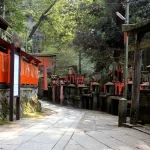
Fushimi Inari Shrine is one of the most photographed places in Japan, and in 2026, that pressure has only intensified. With tourist numbers rebounding well past pre-pandemic peaks and new short-haul flight routes from Southeast Asia feeding directly into Kansai International Airport, the iconic vermilion torii tunnel can hit genuinely uncomfortable crowd levels between 9am and 4pm on weekends. The good news: the mountain behind the shrine is 4 kilometres of trail, and most Visitors turn back within the first 500 metres. With the right timing and a basic plan, you can walk in near-silence through gates that glow like lit lanterns in the early morning mist.
Why Fushimi Inari Is Still Worth It in 2026
Some popular attractions stop being worth visiting once crowds hit a certain level. Fushimi Inari is not one of them — because the shrine is a mountain, not a room. The famous torii gates number over 10,000 and snake upward through dense cedar forest for roughly 4 kilometres to the summit of Inari-san at 233 metres. The lower sections are busy. The upper sections are often empty on weekdays, even at midday. The crowds are concentrated, and the mountain is generous with space if you’re willing to walk.
What has changed in 2026 is the visitor management approach around the Senbon Torii — the two densely packed tunnel sections just above the main shrine buildings. Kyoto City and the shrine administration introduced directional flow markers in late 2025, separating ascending and descending visitors in the narrowest gate passages. It’s not always enforced, but following the markers keeps movement smoother and photographs cleaner.
The shrine itself is Shinto, dedicated to Inari, the deity of rice, sake, and business prosperity. Individual torii gates are donated by companies and families — you’ll see the donor names and dates inscribed in black on the back of each gate. Prices for a torii donation now start at around ¥400,000 for a small gate, which explains why many are sponsored by large corporations.
The Best Times to Visit
Timing is everything here, and the difference between a terrible visit and a magical one is often just two hours.
Early Morning: 5:30am–7:30am
This is the only reliable window to have the lower Senbon Torii nearly to yourself. The shrine grounds are open 24 hours, so there’s no gate to wait at. Arrive at Fushimi Inari Station by 5:30am and you’ll walk through tunnels of gates with just a handful of other early risers — mostly photographers and locals walking their dogs on the lower paths. The light at this hour in spring and autumn filters through the cedars in long amber shafts. In summer, it’s already warm but the air still smells of night-damp earth and cedar resin.

Late Evening: 8:00pm–10:00pm
The second-best window. Tour buses stop running, large groups have left, and the lower gates are lit from below by stone lanterns. The atmosphere becomes genuinely eerie in the best possible way. The path is well enough lit to walk safely without a torch, though carrying one is sensible if you’re going above the Yotsutsuji intersection.
Seasonal Considerations
Spring (late March to early April) brings cherry blossoms around the base of the shrine and on the approach from the station. Beautiful, but also the single busiest period of the year. If you visit during sakura season, the early morning window becomes non-negotiable. Autumn (mid-November) offers crimson maple leaves framing the lower gates and is nearly as crowded as spring. Summer mornings are humid but quiet. Winter — particularly January through February — is the genuine off-season. Cold, occasionally foggy, and sometimes dusted with snow on the upper trail. The gates look extraordinary under snow.
How to Get There
Fushimi Inari is straightforward to reach from central Kyoto, and this is one of the few major attractions where the JR network beats the subway.
JR Nara Line (Recommended)
From JR Kyoto Station, take the JR Nara Line to Inari Station. It’s a 5-minute ride and costs ¥150. The station exit drops you essentially at the main shrine gate — it’s a 2-minute walk. If you have a JR Pass, this leg is covered. In 2026, IC card tap-on/tap-off (Suica, ICOCA, or Pasmo) works seamlessly on this line. Load your card at any JR machine or via the Suica app on a compatible smartphone.
Keihan Line (Alternative)
The Keihan Main Line stops at Fushimi Inari Station, a 7-minute walk from the shrine. Useful if you’re coming from Gion, Shijo, or Osaka’s Yodoyabashi area. Fares from Shijo-Keihan are around ¥170. Not covered by the JR Pass.

Getting There from Osaka
From Osaka-Umeda, the most practical route is JR Osaka to JR Kyoto (Shinkansen or rapid train), then the Nara Line. Budget around 50 minutes total, ¥1,150 each way. The Keihan route from Yodoyabashi to Fushimi Inari via Chushojima works too and is slightly cheaper, but slower.
Cycling
Fushimi is reachable by bicycle from central Kyoto along the Kamo River path and connecting streets — roughly 7 kilometres from Shijo. Kyoto’s shared bicycle docks (the Mobike and city e-bike schemes both operate in the area) include a rack near Tofukuji. Lock your bike there and walk the remaining 15 minutes or connect by train one stop.
The Trail Explained
Most visitors see only the first section. Here’s what the full route covers and how far you should go depending on your time and fitness.
Stage 1: Main Shrine Buildings to Senbon Torii (0–500m)
The main gate (Romon), the main hall, and then the first torii tunnel. This is where 80% of visitors stop and photograph. The gates here are the most densely packed and the most photographed. Expect queues for photos on any day past 9am.
Stage 2: Senbon Torii to Yotsutsuji Intersection (500m–1.5km)
The trail splits into two parallel paths through the gates (one for ascending, one for descending). Small stone fox statues — foxes are the messengers of Inari — appear at sub-shrines along the way. Incense smoke drifts from small worship points. The Yotsutsuji intersection at around the midpoint offers the first real city view: a wide bench-lined overlook where you can see Kyoto’s rooftops spread south toward Osaka. Most casual visitors stop here. On a clear day in winter, you can see as far as the Ikoma mountains in Nara prefecture.
Stage 3: Yotsutsuji to Summit (1.5km–4km)
Above Yotsutsuji, crowds thin dramatically. The path continues through forested ridgeline, passing two more sub-peaks (Mitani-sha and Kamisha) before reaching the summit at Ichinofune-jinja. The trail here is quieter forest walking, punctuated by small shrine clearings with stone lanterns and moss-covered fox statues. The full loop back to the base takes 2 to 2.5 hours at a steady pace.
- Just the gates (30–45 minutes): Walk through both Senbon Torii tunnels and return. You’ll see the iconic view and nothing more. Perfectly valid if you’re on a tight Kyoto day-trip schedule.
- Yotsutsuji and back (1–1.5 hours): Includes the city overlook and noticeably fewer people. A good middle option for most visitors. Moderate incline, stone steps throughout.
- Full summit loop (2–2.5 hours): Rewarding if you enjoy quiet forest walking. The summit itself is modest — a small shrine clearing, not a dramatic peak — but the journey through emptying trails makes it worthwhile. Wear proper shoes; the stone steps are uneven in places.

The trail is not recommended for anyone with serious knee issues on the descent — it’s entirely stone steps and can be slippery after rain. There is no shortcut down from the upper sections.
What to Eat and Drink at Fushimi Inari
The food scene around the shrine entrance is better than its tourist-trap reputation suggests, but you need to know what to look for.
The Omotesando approach street leading from Inari Station to the main gate is lined with small stalls and shops. Look for suzume-yaki — whole grilled sparrows on skewers, a hyper-local Fushimi specialty that has been sold at this shrine for centuries. The taste is rich and slightly gamey, the skin charred and crispy. It’s confronting for some visitors but entirely unique to this location. Stalls selling it cluster just to the left of the main torii. Prices run ¥500–¥800 per skewer depending on the vendor.
For something less adventurous, the inari-zushi (seasoned rice packed into fried tofu pouches) sold near the entrance is excellent and thematically appropriate — Inari is associated with rice and foxes, and inari-zushi is named for this shrine. Small bags of four to five pieces cost around ¥400–¥600.
Midway up the trail at the Yotsutsuji intersection, a small refreshment stall operates most days from around 9am. They sell canned drinks, green tea, and occasionally simple snacks. Prices are slightly elevated (¥200–¥300 per drink) but reasonable for the location. Bring a water bottle regardless — especially in summer when the trail becomes genuinely hot by 10am.
After your visit, the Fushimi sake district is a 15-minute walk or short train ride toward Fushimi Momoyama. The water table beneath Fushimi has historically produced some of Japan’s best brewing water, and several sake breweries maintain tasting shops in the area. Gekkeikan’s Okura Sake Museum on the canal offers tastings from ¥600 and a small bottle of house sake to take away.
Photography Tips
Getting a clean gate photo without strangers in frame is a genuine challenge between 9am and 5pm. These approaches help.
- Shoot upward: Frame your shot looking directly up at the gate crossbeams. People walking through the tunnel disappear below the frame. This also captures the full red-orange saturation of the lacquered wood against the sky or cedar canopy.
- Use a fast shutter: In busy periods, pedestrian traffic through narrow sections moves in pulses. Watch for a few seconds of clearing between groups and shoot fast.
- Go above Yotsutsuji: The upper trail sections are photogenic and much less crowded. Mossy fox statues, stone lanterns, and forest-filtered light make for more interesting images than the postcard tunnel shot anyway.
- Early morning for that gate glow: In the first hour after sunrise, low-angle light catches the red pigment on the gates from the side, creating a warmth that midday flat light doesn’t replicate. If you’re serious about photography, this window is non-negotiable.
- Rain is your friend: A light rain clears casual visitors immediately. The wet stone steps, glistening gate surfaces, and empty paths on a grey morning produce atmospheric images that no amount of editing can fake.

2026 Visiting Rules and Etiquette
Fushimi Inari is an active place of Shinto worship, not a theme park. The rules are relatively relaxed compared to Buddhist temples, but a few things matter.
- No drones: Drone flight over the shrine grounds and mountain trail is prohibited and enforced. Fines were tightened in a 2025 Kyoto ordinance that covers all major shrine and temple sites.
- Photography of worshippers: People do come here to pray. Don’t photograph individuals at small sub-shrine worship points without distance and discretion.
- Noise on the upper trail: The upper mountain sections pass through active worship areas. Keep voices low around sub-shrine clearings.
- Directional flow markers: Follow the ascending/descending lane markers in the Senbon Torii section. Going against the flow in narrow sections creates dangerous compression.
- No gate touching: The lacquered gates are maintained through donations. Touching, leaning against, or climbing gates is not permitted.
- Trash: There are almost no bins on the mountain trail. Carry out everything you carry in.
Entry to the shrine and mountain trail is completely free. There is no admission fee and no booking system as of 2026. Proposals for a timed-entry system have been discussed by Kyoto City but had not been implemented as of the time of writing.
2026 Budget Breakdown
Fushimi Inari is one of the most affordable major attractions in Kyoto because entry is free. Here’s a realistic daily cost breakdown depending on how you approach the visit.
Budget Tier
- Transport from JR Kyoto Station (return): ¥300
- Inari-zushi snack at entrance stall: ¥500
- Water and drinks on trail: ¥400
- Total: approximately ¥1,200
Mid-Range Tier
- Transport (IC card, return from central Kyoto): ¥300–¥400
- Suzume-yaki skewers + inari-zushi: ¥1,200
- Sake tasting at Fushimi brewery: ¥600–¥1,000
- Lunch at a sit-down restaurant near the shrine: ¥1,200–¥1,800
- Total: approximately ¥3,500–¥4,500
Comfortable Tier
- Transport from central Kyoto: ¥400
- Full food and drink experience including sake district: ¥3,000–¥4,000
- Photography rental gear (mirrorless camera rental available at some Kyoto shops from ¥3,000/day): ¥3,000
- Kaiseki lunch near Fushimi Momoyama: ¥6,000–¥10,000
- Total: approximately ¥12,000–¥18,000
Nearby Sights to Combine
Fushimi Inari pairs well with several nearby attractions that most visitors overlook entirely.
Tofukuji Temple
One stop north on the JR Nara Line (or a 20-minute walk). One of Kyoto’s great Zen temple complexes, with a famous Meiji-era garden and a bridge walk above a maple-filled ravine that turns crimson in November. Admission to the garden: ¥600 standard, ¥1,000 during autumn peak. Easy to combine as a morning stop before arriving at Inari early.
Fushimi Momoyama Area
A 10-minute walk south of the shrine, this area along the old canal has a quieter, working-neighbourhood feel. The Gekkeikan Okura Sake Museum is here, as are small sake shops and traditional machiya townhouses. Not curated for tourists — which is exactly what makes it appealing. The canal walk is pleasant on a clear afternoon.
Daigo-ji Temple
Further east in the Yamashina area, reachable by subway and bus combination (around 40 minutes from Fushimi Inari). One of Kyoto’s most undervisited major temples, with a five-storey pagoda that is the oldest standing structure in Kyoto. Best in spring for cherry blossoms, but the forested grounds are good year-round. Admission: ¥1,500.
Practical Tips for Visiting
What to Wear
The trail is entirely stone steps — over 1,000 of them on the full loop. Wear shoes with grip. The steps are smooth and can be slick after rain or morning dew. Sandals and dress shoes are a bad idea above the Yotsutsuji intersection. In summer, light, breathable clothing and sun protection are essential; the forest provides shade but humidity is high. In winter, the upper trail can drop to 2–5°C — dress in layers.
Accessibility
The main shrine buildings and the very beginning of the Senbon Torii are paved and accessible for wheelchairs and strollers. Beyond the first gate tunnel, the terrain becomes stepped and uneven. There is no accessible route to Yotsutsuji or the summit.
Children
Kids generally love the fox statues and the sense of going on a proper trail. The walk to Yotsutsuji is manageable for most children over five. The full summit loop is a long day for young children and should only be attempted if your kids are comfortable with sustained uphill walking.
Language
Signage on the trail is in Japanese and English. Google Maps navigation works well for the main path. The trail itself is a single route with clear markers — getting seriously lost is unlikely, though some of the minor branch paths in the upper section can be confusing.
Water and Facilities
Public toilets are available at the base of the shrine and at Yotsutsuji. There are no toilet facilities above Yotsutsuji on the main trail. Carry at least 500ml of water per person; more in summer. There is no potable water tap on the upper trail.
Frequently Asked Questions
What time should I arrive at Fushimi Inari to avoid crowds?
Arrive before 7am for the quietest experience. The shrine is open 24 hours. By 9am on weekends and public holidays, the lower gates are already crowded. Weekday mornings are significantly better than weekends. The late evening (after 8pm) is the second-best window for thin crowds and a completely different atmosphere.
Is there an admission fee for Fushimi Inari Shrine in 2026?
No. Entry to the shrine grounds and the full mountain trail is completely free as of 2026. There is no booking system or timed-entry requirement. You simply arrive and walk in. Budget only for transport, food, and any extras you choose in the area.
How long does it take to walk the full Fushimi Inari trail?
The full loop to the summit and back takes approximately 2 to 2.5 hours at a comfortable pace. Walking just the Senbon Torii and returning takes 30 to 45 minutes; reaching the Yotsutsuji mid-point overlook and back takes around 1 to 1.5 hours. All sections involve stone steps.
Can I visit Fushimi Inari at night?
Yes. The grounds are open 24 hours and the lower trail is lit by stone lanterns after dark. Evening visits between 8pm and 10pm offer thin crowds and an atmospheric experience. The upper trail above Yotsutsuji is darker and less maintained for night walking — bring a torch if you plan to go that far after sunset. The area is considered safe.
What is the best way to get from Kyoto Station to Fushimi Inari?
Take the JR Nara Line from JR Kyoto Station to Inari Station — a 5-minute journey costing ¥150, covered by the JR Pass. This is faster and more direct than the Keihan Line alternative.
📷 Featured image by Fabrizio Chiagano on Unsplash.