On this page
- Hiroshima in 2026: Still One of Japan’s Best Value Cities — If You Know the Rules
- Free and Low-Cost Attractions That Actually Deliver
- Eating Cheap in Hiroshima: Where the Real Meals Are
- Getting Around Without Bleeding Money
- Budget Accommodation Areas: Where to Sleep Without Overspending
- Day Trips That Won’t Drain Your Wallet
- Smart Shopping on a Budget
- Hiroshima Budget Breakdown: Real 2026 Daily Costs
- Timing Your Visit to Spend Less
- Practical Money-Saving Tips for Hiroshima in 2026
- Frequently Asked Questions
💰 Click here to see Japan Budget Breakdown
💰 Prices updated: October, 2026. Budget figures are estimates — always verify before travel.
Exchange Rate: $1 USD = ¥157.00
Daily Budget (per person)
Shoestring: ¥8,000 – ¥15,000 ($50.96 – $95.54)
Mid-range: ¥18,000 – ¥35,000 ($114.65 – $222.93)
Comfortable: ¥45,000 – ¥80,000 ($286.62 – $509.55)
Accommodation (per night)
Hostel/guesthouse: ¥2,500 – ¥6,000 ($15.92 – $38.22)
Mid-range hotel: ¥10,000 – ¥20,000 ($63.69 – $127.39)
Food (per meal)
Budget meal: ¥800.00 ($5.10)
Mid-range meal: ¥2,500.00 ($15.92)
Upscale meal: ¥20,000.00 ($127.39)
Transport
Single metro/bus trip: ¥250.00 ($1.59)
Monthly transport pass: ¥30,000.00 ($191.08)
Hiroshima in 2026: Still One of Japan’s Best Value Cities — If You Know the Rules
Hiroshima has a problem that most cities would envy: it’s genuinely fascinating, easy to navigate, and historically significant — and yet it remains far cheaper than Kyoto or Tokyo for nearly every category of travel spending. The problem in 2026 is that overseas visitor numbers have surged past pre-pandemic highs, and a handful of tourist-facing businesses near the Peace Memorial Park have adjusted their prices accordingly. Accommodation costs near the park have climbed noticeably since 2024, and Miyajima’s island fees are no longer the afterthought they once were. None of this makes Hiroshima expensive. It just means that the old advice of “everything is cheap here, don’t worry about it” no longer holds without some strategy. This guide gives you that strategy — specific, current, and built around how the city actually works in 2026.
Free and Low-Cost Attractions That Actually Deliver
The single biggest win for budget travelers in Hiroshima is that its most powerful experiences cost almost nothing. The Peace Memorial Park is free to walk through at any hour, and the grounds themselves — the Cenotaph, the A-Bomb Dome, the reflecting pool, the eternal flame — require no ticket and no booking. Walking this area at dawn, when the only sound is the Motoyasu River and the distant rumble of the first trams of the day, is one of the most affecting experiences in Japan. Entry is free regardless of nationality or age.
The Hiroshima Peace Memorial Museum charges ¥200 for adults as of 2026 — one of the most underpriced admission fees in the country given what’s inside. Children under 18 are free. The Atomic Bomb Dome (just across the river) requires no ticket at all. Combined, you can spend four to five deeply meaningful hours in this part of the city for ¥200 or less.
- Shukkei-en Garden: ¥260 adult admission. A compact, beautifully maintained traditional garden that warrants an hour of anyone’s morning.
- Hijiyama Park: Free. A hill park with views over the city and the Manga Library (¥270 adult entry). Cherry blossom season turns this into a local favorite.
- Hiroshima Castle: ¥370 for the main tower. The surrounding grounds and moat area are free to wander.
- Orizuru Tower observation deck: ¥1,500 — worth knowing about but optional if budget is tight. The view from Hijiyama costs nothing.
Eating Cheap in Hiroshima: Where the Real Meals Are
Hiroshima-style okonomiyaki is the city’s unofficial budget food group, and the best places to eat it are not the tourist-facing restaurants near the park. Head to Okonomi-mura in Naka-ku — a three-floor building packed with small okonomiyaki counters, each run by a different cook. A full Hiroshima-style okonomiyaki with noodles, egg, and whatever toppings you want runs ¥850 to ¥1,200. You sit at the counter directly in front of the iron griddle, close enough to feel the heat and watch every layer being assembled. It’s one of the most satisfying cheap meals in Japan.
For morning eating, the Hondori shotengai arcade and the streets feeding into it have several bakeries and standing-eat shops where breakfast — a melon pan, a coffee, a hot onigiri — costs under ¥400. The covered arcade protects you from rain and keeps food vendors concentrated in one walkable stretch.
The Sogo Department Store depachika (basement food hall) near Hiroshima Station is the kind of place where discipline is required. The discounting starts around 6:30–7:00 PM when prepared foods, sushi sets, and bento boxes get marked down 20–30%. A bento that was ¥980 at noon becomes ¥690 in the evening. This is standard practice across Japan’s depachika floors, but Hiroshima’s station area does it reliably every day.
Konbini strategy: FamilyMart, 7-Eleven, and Lawson in Hiroshima are not fallback options — they’re legitimate meal sources. A hot steamed bun (nikuman), a rice ball, a carton of soup, and a coffee is a ¥500 meal that gets you moving. For long days of sightseeing, konbini onigiri at ¥140–¥170 each are better value than any tourist café near the Peace Park.
For ramen on a budget, the area around Ebisu-cho Station on the tram line has a cluster of small shops with lunch sets that come with gyoza and rice for ¥900–¥1,100. Avoid the large-signage restaurants on Aioi-dori and look for the smaller, hand-written menu places tucked behind them.
Getting Around Without Bleeding Money
Hiroshima’s tram (streetcar) network is the backbone of budget transport here. A single ride anywhere on the network costs ¥180 for adults and ¥90 for children. If you’re moving around the city center — which most visitors do — the tram gets you almost everywhere relevant: Peace Park, Hondori, the Castle area, the station. Pay with a Suica or Pasmo IC card (loaded from any convenience store or JR machine) and the fare deducts automatically. Cash requires exact change in the fare box at exit, which slows everything down.
The Hiroshima Tourist Pass is worth calculating against your actual day’s plan. In 2026, the one-day pass covering trams and some bus routes costs ¥700. If you’re making five or more tram trips in a day, it pays for itself. If you’re spending the morning at the Peace Park and the afternoon sitting in a garden, the single-fare option is cheaper.
Cycling is genuinely practical in Hiroshima. The city is flat, has dedicated bike lanes on many main roads, and the distances between major sights are manageable. Several rental operators near the station offer bikes from ¥1,000 per day. The Setouchi Cycling share scheme also has docking stations around the city. For a full day of independent sightseeing, a rental bike often beats the tram both on cost and freedom.
Taxis are metered, start at ¥730, and are best avoided for sightseeing unless you have heavy luggage or an early airport run. Hiroshima Airport connects via limousine bus (¥1,450, around 45 minutes) — cheaper and more reliable than taxi for airport transfers.
Budget Accommodation Areas: Where to Sleep Without Overspending
The area immediately around the Peace Memorial Park has the most tourist-facing accommodation in the city, and it prices accordingly. Guesthouses here run ¥4,000–¥6,000 per night for a dorm bed and ¥9,000–¥14,000 for a private room. These aren’t outrageous by Japanese standards, but they’re not the cheapest option either.
Around Hiroshima Station is where value improves. Business hotels in the station’s east side (Minami-ku) offer clean, functional rooms for ¥6,500–¥9,000 per night for a single, and the tram is right outside the door. The Toyo Inn and APA Hotel chains are reliably cheap here without being grim. For solo travelers, capsule hotels near the station start from ¥3,200.
Hondori and Ebisu-cho area sits between the station and the Peace Park and is arguably the best location compromise for budget travelers. You’re on the tram line, walking distance to the covered shopping arcade, and 15 minutes by tram from the park. Mid-range guesthouses here run ¥7,000–¥11,000 for a private room.
Booking 6–8 weeks ahead in 2026 is no longer optional for cherry blossom season (late March to early April) or the Peace Memorial Ceremony period (early August). Prices during these windows spike 40–60% above base rates. Outside these periods, same-week booking is usually fine.
Day Trips That Won’t Drain Your Wallet
Miyajima Island
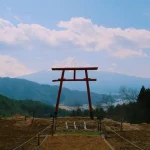
The iconic floating torii gate of Itsukushima Shrine remains unmissable, but Miyajima costs more in 2026 than it did pre-pandemic. The island now charges a ¥300 visitor tax per person (introduced in 2023 and still in place). Add the ferry (¥200 each way from Miyajimaguchi), and you’re at ¥700 before any shrine entry. Itsukushima Shrine admission is ¥500. Total minimum spend: ¥1,200. If you have a JR Pass, the ferry is covered — that’s a genuine saving. The JR Pass (now available in regional versions) can make sense for multi-day itineraries but not for Miyajima alone.
Getting there: Take the JR San’yo Line from Hiroshima Station to Miyajimaguchi (25 minutes, ¥410 without pass). The tram-ferry combination from the city center takes about 70 minutes but costs less if you have a tram day pass.
Onomichi
This quiet port town 70 km east of Hiroshima has a temple trail, narrow hillside lanes, and a cat alley that gets photographed constantly. The JR Local/Rapid train from Hiroshima Station takes about 70–80 minutes and costs ¥1,520 one-way. Once there, walking the temple trail is free. The ferry to Mukaishima Island costs ¥100. An excellent budget day trip with minimal entry costs.
Iwakuni
The Kintai-kyo Bridge and Iwakuni Castle can be done in a half-day. From Hiroshima Station, the JR San’yo Line to Iwakuni takes 40 minutes (¥590 one-way). The bridge crossing fee is ¥310 return. Castle ropeway and entry adds ¥560. Total spend including train: around ¥2,000–¥2,500. Compact, uncrowded outside weekends, and genuinely impressive.
Smart Shopping on a Budget
Hiroshima is not a shopping city in the way Osaka or Tokyo is, which works in a budget traveler’s favor — there’s less temptation for random spending. The Hondori covered arcade is the main shopping drag, stretching from Kamiya-cho to Hiroshima Station direction. You’ll find 100-yen shops (Daiso has a branch here), drugstores with tax-free counters, and clothing chains like Uniqlo and GU where prices are the same as anywhere in Japan.
For souvenirs, momiji manju (maple leaf-shaped cakes) are the city’s signature item. Near the station, you’ll find them at ¥120–¥160 per piece in individual shops. In the tourist shops directly at Miyajima, the same item costs ¥180–¥220. Buy your gifts before you cross to the island.
The Eba area market on weekend mornings has produce and local goods at local prices — less photogenic than a tourist market but genuinely cheap if you’re self-catering or just want to see how residents actually shop.
Tax-free shopping (currently 10% consumption tax refund on purchases over ¥5,000 at registered retailers) is available at most major electronics shops and department stores. Bring your passport. In 2026, Japan’s tax-free purchase rules require same-day consolidation of purchases at a single retailer — the previous system of accumulating multiple receipts across days was tightened in late 2024.
Hiroshima Budget Breakdown: Real 2026 Daily Costs
These figures are per person, per day, based on realistic spending patterns in Hiroshima in 2026.
Budget Tier (¥5,000–¥8,000/day)
- Accommodation: Dorm bed or capsule hotel — ¥3,200–¥4,500
- Food: Konbini meals, okonomiyaki at Okonomi-mura, depachika deals — ¥1,500–¥2,000
- Transport: Tram day pass — ¥700
- Sightseeing: Peace Museum + Castle + Shukkei-en combo — ¥830
- Total: approximately ¥6,230–¥8,030
Mid-Range Tier (¥12,000–¥18,000/day)
- Accommodation: Private room in a guesthouse or budget business hotel — ¥7,500–¥10,000
- Food: Sit-down restaurant meals, one izakaya dinner — ¥3,500–¥5,000
- Transport: IC card, occasional taxi — ¥1,000–¥1,500
- Sightseeing: Full attraction list including Miyajima — ¥2,000–¥3,000
- Total: approximately ¥14,000–¥19,500
Comfortable Tier (¥25,000–¥40,000/day)
- Accommodation: 3-star hotel, private bath, city views — ¥15,000–¥22,000
- Food: Kaiseki lunch, craft sake bar, restaurant dinners — ¥7,000–¥10,000
- Transport: Taxis and private transfers where convenient — ¥2,000–¥4,000
- Sightseeing: Guided tours, Orizuru Tower, full day trips — ¥3,000–¥5,000
- Total: approximately ¥27,000–¥41,000
Timing Your Visit to Spend Less
Cherry blossom season (late March to early April) and the Peace Memorial Ceremony week (around August 6th) are the two expensive periods in Hiroshima. Accommodation prices surge, restaurants fill up, and Miyajima gets genuinely crowded. If you can avoid these windows, you’ll find the city significantly more affordable and more comfortable to move around.
Best shoulder seasons: October and November offer cool weather, autumn foliage at Shukkei-en and Miyajima, and accommodation rates that drop 20–30% below peak. February and early March are cold but quiet — Peace Park is nearly empty on weekday mornings, and hotel rates can be among the year’s lowest.
Summer (July–August, excluding the memorial week) is hot and humid — regularly above 32°C — but not a bad budget time because domestic tourism patterns shift to coastal and mountain areas. Hiroshima stays busy with international visitors but hotels outside the park area remain reasonable.
Weekday vs weekend makes a genuine difference in Hiroshima, particularly for Miyajima. Weekend crowds on the island are dense enough to affect your enjoyment. A midweek Miyajima visit is a better experience and often a cheaper one at accommodation level.
Practical Money-Saving Tips for Hiroshima in 2026
IC Cards: Load a Suica or Pasmo card before arriving — both work on all Hiroshima trams, JR trains, and most buses. Using IC cards at convenience stores, vending machines, and smaller cafes avoids the need to break large notes constantly. In 2026, physical Suica cards are again available after the 2023–2024 shortage, and digital Suica via iPhone and Android works reliably across Hiroshima’s transport network.
Cash reality: Hiroshima is more cash-friendly than cashless. Many smaller okonomiyaki counters, older izakaya, and temple ticket windows only accept cash. Keep ¥5,000–¥10,000 on hand at all times. 7-Eleven ATMs accept foreign cards with the lowest fees.
JR Pass calculation: If Hiroshima is your only stop, the national JR Pass doesn’t make financial sense. The Hiroshima-Nagasaki Area Pass (regional pass) at around ¥17,000 for 5 days covers the San’yo Shinkansen between Hiroshima and Shin-Ōsaka, plus local JR trains including the Miyajima ferry. If you’re moving between Osaka or Kyoto and Hiroshima during your trip, this pass can represent significant savings versus purchasing individual shinkansen tickets.
Tipping: No tipping anywhere, ever. Offering a tip in a Japanese restaurant or to a hotel staff member creates awkwardness and is not part of the local system. The price on the menu is the price you pay.
Water: Tap water in Hiroshima is safe to drink throughout the city. Carry a refillable bottle and skip the ¥150 convenience store water purchases. Public water fountains are available at Peace Memorial Park and several other parks.
SIM cards and data: Tourist SIM cards are available at Hiroshima Airport arrivals, at the main station, and from convenience stores. A 15-day unlimited data SIM runs ¥3,500–¥4,500 in 2026. Pocket WiFi rental is also available from airport counters. Google Maps works accurately for all tram navigation in Hiroshima.
Frequently Asked Questions
How much money do I need per day in Hiroshima?
Budget travelers can manage comfortably on ¥6,000–¥8,000 per day, including a dorm bed, cheap meals, and key sightseeing. Mid-range travelers spending on private rooms and sit-down restaurants should budget ¥14,000–¥20,000. These figures are realistic for 2026 and assume no long shopping splurges.
Is Hiroshima cheaper than Kyoto or Tokyo?
Yes, meaningfully so. Accommodation in Hiroshima averages 20–35% cheaper than comparable options in Kyoto, and restaurant prices outside the tourist center are lower. The main sights also have lower entry fees. For budget travelers, Hiroshima is one of the most affordable major destinations in Japan in 2026.
Do I need a JR Pass for Hiroshima?
Not if Hiroshima is your only destination. If you’re traveling between Hiroshima and Osaka or Kyoto by shinkansen, the Hiroshima-Nagasaki Area Pass at around ¥17,000 can save money over individual tickets. Calculate your specific routes before buying — the national JR Pass rarely pays off for single-city visits.
What is the cheapest way to visit Miyajima from Hiroshima?
Take the JR San’yo Line to Miyajimaguchi (¥410 from Hiroshima Station), then the ferry (¥200 each way, or free with JR Pass). Total transport cost return: ¥820. Add the ¥300 island visitor tax and ¥500 shrine entry. Budget a minimum of ¥1,620 for the trip excluding food. Midweek visits are less crowded and hotel rates on the island drop significantly.
Are credit cards widely accepted in Hiroshima?
Larger hotels, department stores, and chain restaurants accept credit cards reliably. However, many smaller restaurants, okonomiyaki counters, local izakaya, and market stalls are cash-only in 2026. Always carry at least ¥5,000–¥10,000 in cash. Use 7-Eleven ATMs for the most reliable foreign card access with minimal fees.
Explore more
Hiroshima’s Best Okonomiyaki: A Guide to the City’s Iconic Dish