💰 Click here to see Japan Budget Breakdown
💰 Prices updated: October, 2026. Budget figures are estimates — always verify before travel.
Exchange Rate: $1 USD = ¥157.00
Daily Budget (per person)
Shoestring: ¥8,000 – ¥15,000 ($50.96 – $95.54)
Mid-range: ¥18,000 – ¥35,000 ($114.65 – $222.93)
Comfortable: ¥45,000 – ¥80,000 ($286.62 – $509.55)
Accommodation (per night)
Hostel/guesthouse: ¥2,500 – ¥6,000 ($15.92 – $38.22)
Mid-range hotel: ¥10,000 – ¥20,000 ($63.69 – $127.39)
Food (per meal)
Budget meal: ¥800.00 ($5.10)
Mid-range meal: ¥2,500.00 ($15.92)
Upscale meal: ¥20,000.00 ($127.39)
Transport
Single metro/bus trip: ¥250.00 ($1.59)
Monthly transport pass: ¥30,000.00 ($191.08)
In 2026, Hakone remains one of Japan‘s most-visited destinations outside the major cities — and that popularity has created real friction. The introduction of the Odakyu tourist fee adjustment in late 2025, combined with new timed-entry systems at Owakudani, means that visitors who show up without a plan often waste hours waiting in lines or miss connections entirely. The good news: the Hakone Loop is genuinely one of the best-designed scenic circuits in the country, and if you understand how it works mechanically, the whole experience clicks into place.
What the Hakone Loop Actually Is
The Hakone Loop is not a single train or bus route. It is a circuit of eight different transport modes — train, mountain railway, ropeway, cable car, lake ferry, and bus — that connects the major attractions of Hakone National Park in a rough oval. The smart move is to travel it in one direction only, typically counterclockwise from Hakone-Yumoto, because several legs (especially the ropeway) are one-way in practical terms due to crowds and time constraints.
The circuit runs: Odakyu Romancecar or regular train to Hakone-Yumoto → Hakone Tozan Railway up the mountain to Gora → Hakone Tozan Cable Car from Gora to Sounzan → Hakone Ropeway over Owakudani to Togendai → Hakone Sightseeing Cruise across Lake Ashi to Moto-Hakone or Hakone-machi → Hakone Tozan Bus back to Hakone-Yumoto or directly to Odawara.
Traveling counterclockwise (starting with the train and ending with the bus) gives you the mountain views in the morning when clouds are less likely to obscure Mount Fuji across the lake. Clockwise works too, but the ropeway becomes more congested later in the day, and the mountain railway crowds peak in the afternoon.
Getting to Hakone from Tokyo or Osaka
From Tokyo, the standard approach is the Odakyu Line from Shinjuku Station to Hakone-Yumoto. The Romancecar express takes around 85 minutes and costs approximately ¥2,470 including the seat reservation fee. Regular express trains take around 90 minutes and cost ¥1,290, but require a transfer at Odawara. If you hold a JR Pass, note that the Odakyu Line is not covered — you would need to take the Shinkansen to Odawara (faster, around 35 minutes from Tokyo) and then switch to the Hakone Tozan Line from there.
From Osaka or Kyoto, the practical route is Shinkansen to Odawara, then Hakone Tozan Line to Hakone-Yumoto. Odawara is on the Tokaido Shinkansen line, making it an easy stop. Journey time from Shin-Osaka is around 2 hours 15 minutes total including the local connection.
The Eight Legs of the Loop Explained
Each segment of the loop has its own character. Here is what to expect from each one:
- Odakyu Romancecar (Shinjuku to Hakone-Yumoto): Wide panoramic windows, reserved seating, a good breakfast train if you book the earliest morning departure. The scenery becomes genuinely beautiful once you pass Shin-Matsuda.
- Hakone Tozan Railway (Hakone-Yumoto to Gora): Japan’s steepest mountain railway. The switchbacks — three of them — where the train reverses direction on the slope are genuinely memorable. In June and July, the hydrangeas along the tracks bloom and the whole hillside turns blue and purple.
- Hakone Tozan Cable Car (Gora to Sounzan): A short 10-minute ride up to the ropeway terminal. Nothing dramatic scenically, but it is efficient and connects smoothly if you time the mountain railway arrival well.
- Hakone Ropeway (Sounzan to Togendai): The visual centrepiece of the loop. The gondola passes directly over Owakudani, the volcanic valley where sulfuric steam pours from vents in the grey earth. On a clear day — especially in the morning — Mount Fuji sits enormous and snow-capped beyond Lake Ashi. The smell of sulfur hits you before you even see the vents below.
- Owakudani Stop: Worth getting off here to walk the short crater trail and eat a kuro-tamago (black egg hard-boiled in the volcanic springs). The eggs genuinely taste different — richer, slightly mineral. One egg costs around ¥500 in 2026. Timed-entry slots are now required; book online at least a day before.
- Hakone Sightseeing Cruise (Togendai to Moto-Hakone or Hakone-machi): Replica pirate ships cross Lake Ashi. Kitschy but effective — the lake views with the torii gate rising from the water near Moto-Hakone are genuinely striking. The Hakone Shrine torii standing in the lake has become one of the most photographed spots in the Kanto region.
- Hakone Tozan Bus (Moto-Hakone back to Hakone-Yumoto or Odawara): The least exciting leg, but the route passes cedar forests and the old Tokaido highway section, which you can ask the driver to stop at. The Tokaido cedar avenue is underrated — tall, straight trees lined up for 500 metres, quiet even on busy weekends.
Where to Stay Along the Loop
Location matters more in Hakone than in most destinations because getting around after the buses and ropeway stop for the day is difficult. The main areas are Hakone-Yumoto (lively, good transport links, easiest access), Gora (quieter, mid-mountain, walking distance from the cable car), Miyanoshita (traditional, old-school resort town feel), and the Lake Ashi shore (Moto-Hakone and Hakone-machi — quietest, best Fuji views at dawn).
For ryokan stays, Gora and Miyanoshita have the highest concentration of quality properties with private onsen baths. The lake shore area has a handful of larger resort hotels with competitive rates and better Fuji views. If you are doing a day trip, accommodation is irrelevant — but if staying over, booking a ryokan in Gora lets you skip the early-morning crowds at the ropeway by starting the loop fresh before 9am.
Food Scene: Where to Eat on the Loop
Hakone is not a destination for serious food hunting in the way Kyoto or Osaka is, but there are specific things worth eating and specific places worth going to.
At Hakone-Yumoto, the covered shopping street near the station has several shops selling yuba (tofu skin) products — it is a local specialty. Yuba soba is the thing to eat here: delicate, slightly silky strips of tofu skin served over cold buckwheat noodles. Multiple shops along the street offer it; Hatsuhana is the most established, with queues forming by 11am on weekends.
At Owakudani, beyond the kuro-tamago, there are cafés selling black-themed novelty foods (black curry, black soft serve) that lean heavily on the volcanic aesthetic. The soft serve is worth it purely for the dramatic look against the steam vents behind you.
Near Moto-Hakone, the small restaurants along the lake shore serve Hakone soba with views of the torii gate. Prices are slightly elevated given the location — a set lunch runs around ¥1,500–¥2,200 — but the setting is hard to beat on a clear afternoon.
For dinner, if you are staying at a ryokan, kaiseki dinner is typically included. If staying at a hotel without meals, Gora has a short restaurant strip with Italian, Japanese, and soba options within walking distance.
Day Trip or Overnight?
A day trip from Tokyo is possible and popular, but it requires an early start and a realistic attitude about what you can do. Leave Shinjuku by 7:30am on the Romancecar, complete the full loop, and you will be back at Hakone-Yumoto by around 5–6pm depending on stops. That gives you the ropeway, Owakudani, the lake cruise, and one proper meal.

What a day trip does not give you: onsen time, sunset over Lake Ashi, the mountain railway in the quieter late morning, or any real sense of the town’s atmosphere after the tourist buses leave. Hakone at 7pm — when the day-trippers are gone and the ryokan guests are in their baths — is a completely different place. The cedar avenues are silent, the lake goes flat and reflective, and the village streets around Yumoto empty out to almost nothing.
Recommendation: if budget allows, one night is worth it. The day-trip version is respectable but feels rushed. Two nights is only necessary if you plan to hike, visit the Hakone Open Air Museum thoroughly, or do multiple onsen.
2026 Budget Reality
Hakone has gotten noticeably more expensive since 2023 due to currency adjustments and tourism pricing updates. Here is what to expect in 2026:
- Budget (day trip, no accommodation): ¥8,000–¥12,000 per person including Hakone Freepass from Odawara, one meal, kuro-tamago, and minimal extras.
- Mid-range (1 night, business hotel or simple ryokan without meals): ¥18,000–¥30,000 per person including transport from Tokyo, accommodation, and two meals out.
- Comfortable (1 night, ryokan with kaiseki dinner and breakfast, private onsen): ¥45,000–¥90,000 per person. Gora and Miyanoshita ryokan with full board and private baths sit firmly in this range in 2026.
- Hakone Freepass (2-day, from Shinjuku): ¥6,100 per person.
- Owakudani timed entry: ¥200 (introduced in 2025, covers trail access).
- Hakone Open Air Museum entry: ¥1,600 per adult.
Practical Tips for 2026
The ropeway between Sounzan and Owakudani was suspended temporarily in 2024 for cable maintenance and fully reopened in spring 2025 with upgraded gondolas and increased capacity. Wait times are shorter than they were in 2023, but peak season (late March to early May, October to November) still sees 30–50 minute queues at Sounzan. The new gondolas have better windows for photography.
Owakudani’s timed-entry system launched in November 2025. Slots are released 30 days in advance via the official Hakone Ropeway website. On weekdays in low season you can usually walk in without a reservation, but weekends during autumn foliage season (mid-October to mid-November) sell out fast.
IC cards (Suica, Pasmo) work on the Hakone Tozan Bus but not on the ropeway or cable car — those are freepass-only or cash. If you are not buying the Freepass, bring cash for individual tickets.
The Hakone Open Air Museum sits just off the Tozan Railway at Chokoku-no-Mori Station and is genuinely worth a two-hour visit. It is one of the few outdoor sculpture museums in Japan that works as a standalone destination rather than an obligation. The Picasso Pavilion alone justifies the entry fee.
Frequently Asked Questions
Is the Hakone Freepass worth buying in 2026?
For most visitors coming from Tokyo, yes. The convenience of not buying individual tickets at each leg makes it worthwhile for most people, and the math works clearly in your favour if you complete the full loop. If you are coming from Odawara only, the ¥5,000 version still covers all transport within Hakone itself.
Can you do the Hakone Loop without a JR Pass?
Absolutely. The Hakone Loop operates entirely on Odakyu and Hakone Tozan networks, not JR. A JR Pass only becomes relevant if you are traveling to Hakone via Odawara on the Shinkansen. The Hakone Freepass covers everything inside Hakone itself, independently of any JR products.
What is the best time of year to visit Hakone for Mount Fuji views?
December through February offers the clearest views due to low humidity and dry winter air. The mountain is fully snow-capped and often visible from the ropeway and Lake Ashi on cold, still mornings. Spring and autumn are more scenic overall but cloud cover over Fuji is common. Summer views are frequently blocked by haze.
How long does the full Hakone Loop take to complete?
A continuous loop with minimal stops takes around 5–6 hours. With a proper stop at Owakudani (45–60 minutes including the trail walk and eggs), a lake cruise, and lunch near Moto-Hakone, expect a full 7–8 hours. Most day-trippers from Tokyo complete the loop and return to Shinjuku within 10–11 hours total travel time.
Do I need to book anything in advance for Hakone in 2026?
Yes — three things specifically. The Romancecar seat reservation if you want guaranteed seating on the express train. The Owakudani timed-entry slot if visiting on a weekend or during peak season. And ryokan accommodation if staying overnight during autumn foliage season (October–November), which books out weeks or months ahead.
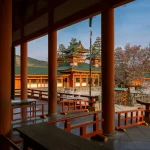
📷 Featured image by Griffin Quinn on Unsplash.