On this page
💰 Click here to see Japan Budget Breakdown
💰 Prices updated: November, 2026. Budget figures are estimates — always verify before travel.
Exchange Rate: $1 USD = ¥157.56
Daily Budget (per person)
Shoestring: ¥7,000 – ¥12,000 ($44.43 – $76.16)
Mid-range: ¥15,000 – ¥25,000 ($95.20 – $158.67)
Comfortable: ¥30,000 – ¥75,000 ($190.40 – $476.01)
Accommodation (per night)
Hostel/guesthouse: ¥2,500 – ¥7,750 ($15.87 – $49.19)
Mid-range hotel: ¥5,000 – ¥18,500 ($31.73 – $117.42)
Food (per meal)
Budget meal: ¥800.00 ($5.08)
Mid-range meal: ¥2,500.00 ($15.87)
Upscale meal: ¥10,000.00 ($63.47)
Transport
Single metro/bus trip: ¥250.00 ($1.59)
Monthly transport pass: ¥53,000.00 ($336.38)
Shinsaibashi can overwhelm you in ten minutes. The covered arcade is packed, the signs are in four languages, and every second shop claims to be the “best” place for souvenirs. In 2026 there is an extra layer of confusion, because Japan is changing how tax-free shopping works. This guide shows you which parts of Shinsaibashi are worth your time, what to buy where, and how to spend your yen without wasting an afternoon.
How Shinsaibashi-suji Is Laid Out and How to Get There
Shinsaibashi-suji is a covered shopping arcade about 600 metres long. It runs north to south Through Osaka’s Chuo Ward, from Nagahori-dori down to the Dotonbori canal. The roof means rain never ruins your plans, and it keeps the arcade bright and comfortable even in July heat.
The easiest way in is Shinsaibashi Station on the Midosuji Line (the red line), which has exits straight into the arcade area. The Nagahori Tsurumi-ryokuchi Line also stops here. If you are staying near Namba, you can simply walk north for about ten minutes. Most visitors do the arcade north to south, so they finish at the Dotonbori canal for dinner.
Think of the area as three zones:
- The arcade itself: Mainstream chains, drugstores, shoe shops, and cafés.
- West of Midosuji Avenue: Amerika-mura (locals say “Amemura”) and the Orange Street area, where youth fashion and vintage shops cluster.
- Midosuji Avenue itself: A wide, tree-lined street with luxury brands and the big department stores.
Fashion: What to Buy and Where, from Arcade Chains to Amerika-mura
Start with the arcade for reliable basics. Uniqlo, Muji, GU, and similar Japanese brands have large stores here. Japan-only items, such as limited designer collaborations and seasonal Heattech lines, often appear in these flagship branches first. Shoe shops along the arcade stock Japanese sneaker labels and affordable leather shoes. Sizes run small, so check the cm measurement on the box rather than assuming your usual size.
For a more polished experience, cross to Daimaru Shinsaibashi on Midosuji Avenue. The building was designed by American architect William Merrell Vories and opened in stages in the 1920s and 1930s. Look up at the ornate ceilings and the Art Deco details inside. It is a shopping trip and a small architecture tour in one. Upper floors have Japanese designer labels, quality stationery, and beautiful food halls in the basement. Nearby, Shinsaibashi PARCO has trend-driven fashion and character and pop-culture stores on its upper floors.

Walk west across Midosuji to reach Amerika-mura. Narrow lanes are packed with used-clothing shops, streetwear boutiques, and sneaker resellers. Vintage denim and American-style jackets are the specialty. In the evening, you will hear music from open shop doors and smell fried snacks from the stalls around Triangle Park. It feels younger and louder than the arcade, and prices for vintage pieces are often lower than in Tokyo’s Harajuku.
Orange Street, a short walk further, is calmer. It has independent boutiques, small designer shops, and cafés with only a few seats. Go here when you want something less common than a chain-store find.
Souvenirs Worth Carrying Home
The arcade and the surrounding streets are the easiest place in Osaka to complete your gift list in one go. These are the items that locals actually buy:
- Cheese tarts and cheesecake: Pablo (the half-baked cheese tart) and Rikuro Ojisan’s fluffy cheesecake both have shops within walking distance of the arcade. Expect a line at peak times. Both are best eaten on the day, so buy them last.
- 551 Horai butaman: These steamed pork buns are an Osaka symbol. Buy them frozen to take home, or eat them hot at a shop counter in the nearby Namba area.
- Osaka-themed snacks: Takoyaki-flavoured crackers, Osaka-style okonomiyaki snacks, and boxed sweets with comic Osaka packaging. These are cheap and light, and they work well as office gifts.
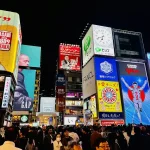
- Don Quijote finds: The Dotonbori branch, with its Ferris wheel on the facade, is open late and has everything from KitKat flavours to skincare. Prices are low, but it is noisy and crowded.
- Daiso and 3COINS: Stylish kitchen items, stationery, and small gifts. Many are 110 to 330 yen.
Real Osaka takoyaki from a street stall is part of the experience too. A paper tray of eight piping-hot balls, glossy with sauce and bonito flakes dancing in the steam, costs around 700 to 800 yen. Let them cool for a minute. Locals will happily watch tourists burn their tongues.
Tax-Free Shopping and Drugstores in 2026

Japan’s drugstores are a major reason many visitors come to Shinsaibashi. Matsumoto Kiyoshi, Daikoku Drug, and other chains line the arcade. They sell sunscreen, face masks, medicated patches, and snacks at prices lower than most airport stores. Many of them have English signs and staff who use translation apps.
Here is the 2026 change you need to know. Until now, most shops let tourists skip the 10% consumption tax at the register if they spent at least 5,000 yen before tax in one store on one day. Japan has announced a switch to a refund-based system starting 1 November 2026. Under that model, you pay the full price in the shop and receive the tax refund when you leave the country. If you shop before that date, the old system should apply. If you shop after it, ask staff at each shop which system they use, and keep every receipt together.
Whichever system applies, bring your physical passport, not just a photo. Shops need the original document with your landing permission stamp or record. Some shops give you a separate tax-free counter, often on an upper floor of the department store, so look for the sign before you queue at the main register.
Timing Your Visit and Beating the Crowds
Shinsaibashi stays busy from late morning until closing, particularly on weekends and Japanese holidays. After the strong visitor numbers in Osaka through 2025, the arcade has not become quieter. Plan around the crowds rather than hoping they disappear.
- Best window: Weekday mornings from 10:00 to 12:00.
- Second best: Weekday evenings after 19:00. Many shops close at 20:00 or 21:00, though Don Quijote and some food stalls stay open much later.
- Avoid: Saturday afternoons, plus the Golden Week holidays from late April to early May.
- Sales seasons: Summer sales begin in late June and winter sales around New Year. Department stores also run “fukubukuro” lucky bags in early January.
Keep to the left side of the arcade when you walk, as locals do, and step into a shop doorway if you need to check your phone. Stopping in the middle of the arcade blocks a surprisingly large number of people.
2026 Shopping Budget Reality
Prices in Osaka are generally lower than in Tokyo, though the weaker yen and rising Japanese retail prices mean your money buys a little less than it did in 2023. Here is what a shopping day in Shinsaibashi typically costs per person in 2026:
Budget: about 3,000 to 8,000 yen

- Daiso and 3COINS gifts: 110 to 1,000 yen
- Uniqlo basics: 1,500 to 3,990 yen
- Street takoyaki: 700 to 800 yen
- Vintage T-shirt in Amerika-mura: 1,500 to 3,500 yen
- Drugstore items such as face masks and snacks: 1,000 to 3,000 yen
Mid-range: about 10,000 to 30,000 yen
- Shinsaibashi PARCO or Japanese brand jacket: 12,000 to 25,000 yen
- Sneakers from Japanese labels: 8,000 to 18,000 yen
- Box of Osaka sweets for gifts: 1,000 to 2,500 yen
- Café lunch: 1,200 to 2,000 yen
Comfortable: 50,000 yen and above
- Designer pieces on Midosuji Avenue or at Daimaru: 40,000 yen and up
- Quality Japanese knives or ceramics from department store floors: 15,000 to 60,000 yen
- Kimono accessories or handcrafted bags: 20,000 to 80,000 yen
Most major shops accept credit cards and IC card payments, but many smaller vintage shops and street stalls still prefer cash. Carry at least 5,000 to 10,000 yen in notes for those.
Frequently Asked Questions
How long should I spend at Shinsaibashi Shopping Street?
Plan on three to four hours if you only want to walk the arcade and buy souvenirs. Add another two hours for Amerika-mura and Orange Street. A full day works well if you include lunch, a department store visit, and an evening walk to the Dotonbori canal.
Is Shinsaibashi cheaper than Tokyo for shopping?
Often, yes, especially for vintage clothing, streetwear, and snacks. Chain stores like Uniqlo charge the same everywhere in Japan. Used clothing in Amerika-mura and food souvenirs usually cost less than similar items in Harajuku or Ginza, and the crowds are slightly easier to handle.
Can tourists still shop tax-free in Shinsaibashi in 2026?
Yes. Japan plans to move to a refund-at-departure system on 1 November 2026. Before that, many shops give instant tax exemption on purchases of 5,000 yen or more per store per day. Always bring your passport, and ask each shop which method it uses.
Which station is closest to Shinsaibashi-suji?
Shinsaibashi Station on the Midosuji Line is the closest, with exits that lead directly to the arcade and Daimaru. The Nagahori Tsurumi-ryokuchi Line also stops there. From Namba Station, you can walk to the southern end of the arcade in about ten minutes.
What souvenirs should I buy in Osaka?
Good choices include Pablo cheese tarts, Rikuro Ojisan cheesecake, frozen 551 Horai butaman, and Osaka-themed snacks. For something lasting, look for Japanese stationery, ceramics, and denim in the department stores and Amerika-mura. Buy chilled food last, and carry an ice pack.
Explore more
Dotonbori Food Guide: What to Eat & Where in Osaka’s Neon Heart
The Best Things to Do in Osaka: A First-Timer’s Essential Guide
Exploring Dotonbori: Your Ultimate Guide to Osaka’s Iconic Entertainment District
📷 Featured image by Jack Coble on Unsplash.