On this page
- What Makes Nikko Different From Every Other Mountain Town
- The UNESCO Shrines and Temples — What to Actually Prioritise
- Beyond the Gates — Nikko’s Natural Landscape
- Where to Eat in Nikko
- Getting to Nikko From Tokyo (and Beyond)
- Getting Around Once You’re There
- Day Trip or Overnight? Making the Right Call
- 2026 Budget Reality — What Nikko Actually Costs
- Practical Tips for 2026 Visitors
- Frequently Asked Questions
💰 Click here to see Japan Budget Breakdown
💰 Prices updated: October, 2026. Budget figures are estimates — always verify before travel.
Exchange Rate: $1 USD = ¥157.00
Daily Budget (per person)
Shoestring: ¥8,000 – ¥15,000 ($50.96 – $95.54)
Mid-range: ¥18,000 – ¥35,000 ($114.65 – $222.93)
Comfortable: ¥45,000 – ¥80,000 ($286.62 – $509.55)
Accommodation (per night)
Hostel/guesthouse: ¥2,500 – ¥6,000 ($15.92 – $38.22)
Mid-range hotel: ¥10,000 – ¥20,000 ($63.69 – $127.39)
Food (per meal)
Budget meal: ¥800.00 ($5.10)
Mid-range meal: ¥2,500.00 ($15.92)
Upscale meal: ¥20,000.00 ($127.39)
Transport
Single metro/bus trip: ¥250.00 ($1.59)
Monthly transport pass: ¥30,000.00 ($191.08)
Japan’s overtourism problem hit a peak in 2025 and shows no sign of easing in 2026. Kyoto’s geisha districts have crowd-management barriers. Fuji’s iconic Lawson view is behind a permanent screen. Visitors everywhere are discovering that the most famous spots in Japan require serious planning — or a willingness to look slightly further afield. Nikko sits just 130 kilometres north of Tokyo, and for reasons that still mystify frequent Japan travellers, it remains manageable. Not empty — but manageable. The UNESCO World Heritage Site here is genuinely jaw-dropping, the cedar forests smell like nothing else in the country, and a well-planned visit gives you something rare in 2026 Japan: the feeling that you actually saw something rather than photographed it through a wall of selfie sticks.
What Makes Nikko Different From Every Other Mountain Town
Japan has hundreds of mountain towns with temples, hot springs, and scenic valleys. Nikko is something else entirely. The town exists because of the Tokugawa shogunate — specifically because Tokugawa Ieyasu, the man who unified Japan and ended centuries of civil war, was enshrined here after his death in 1617. His grandson, Tokugawa Iemitsu, then spent what would amount to billions of yen in modern terms to build a shrine complex so elaborate it was essentially an architectural statement of total political dominance.
The result is a collection of buildings that breaks every rule of traditional Japanese aesthetic restraint. Where most Japanese sacred architecture favours understatement — raw wood, simple lines, quiet gravel — Nikko goes the opposite direction. Gold leaf, lacquer in five colours, thousands of carved animals and mythological figures covering every surface. Walking into the Tosho-gu shrine complex for the first time, the visual density is almost overwhelming. It genuinely does not look like Japan. It looks like Japan decided to absorb every decorative tradition in Asia and stack them on top of each other. That contrast is what makes Nikko unforgettable.

The town itself sits at around 600 metres elevation, which means noticeably cooler temperatures than Tokyo in summer — a genuine relief between June and August — and heavy snowfall in winter that transforms the cedar forests into something almost theatrical.
The UNESCO Shrines and Temples — What to Actually Prioritise
The UNESCO designation covers two shrines and one temple: Tosho-gu, Futarasan Jinja, and Rinno-ji. Each charges separate admission, and the combined cost adds up fast. Here is what actually matters depending on your time and budget.
Tosho-gu Shrine
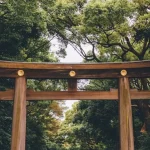
This is the centrepiece and the reason most people come to Nikko. The five-storey pagoda visible from the main approach is not actually part of the shrine — it belongs to Rinno-ji — but it sets the tone before you even pass through the first torii gate. The approach along the stone-paved path, flanked by towering cedar trees that have been growing for 400 years, creates a sensory shift that no photograph captures properly. The air is cool and heavy with the resin smell of old cedar, and the light filters down in long columns depending on the time of day.
Inside the complex, the Yomeimon Gate is the centrepiece of the centrepiece — a two-storey gate covered in over 500 individual carvings. Deliberately, according to legend, one pillar was installed upside down to introduce an intentional imperfection: perfection was thought to invite the jealousy of the gods. Whether the story is accurate or apocryphal, it has been told so many times it has become part of the gate’s identity. Allow at least 90 minutes here. The ticket for the main Tosho-gu area costs ¥1,600 in 2026; the inner sanctuary (Okumiya) requires an additional ¥550.
Rinno-ji Temple
Most visitors rush past Rinno-ji on the way to Tosho-gu. That’s a mistake. The Sanbutsudo hall houses three enormous gilded Buddhist statues — each around 8 metres tall — standing in a row in a space that is slightly too small for them, which makes the scale feel even more intense than it would in a cathedral. Admission is ¥400.

Futarasan Jinja
The oldest of the three sites, predating the Tokugawa construction by nearly 900 years, Futarasan Jinja has a completely different atmosphere — quieter, more weathered, with a forest backdrop that the other sites lack. If you only have time for two of the three, pair Tosho-gu with Futarasan Jinja for the most complete contrast. Admission is ¥300.
Beyond the Gates — Nikko’s Natural Landscape
The shrines are the headline, but Nikko’s national park is the reason to stay longer. Oku-Nikko — the deeper mountain area accessible by bus or car from the shrine district — contains some of the most dramatic highland scenery in the Kanto region.
Kegon Falls
At 97 metres, Kegon Falls is one of Japan’s three officially designated great waterfalls. In late autumn, the surrounding maple forest turns deep red and orange, and the contrast with the white water and dark basalt cliff face is the kind of scene that makes even seasoned Japan travellers stop walking. An elevator descends 100 metres to an observation platform at the base of the falls. The elevator costs ¥600 return and is absolutely worth it — the view from the bottom is entirely different from the top, and the physical force of that much water falling from that height is something you feel in your chest as much as you see with your eyes.

Lake Chuzenji
Sitting at 1,269 metres elevation, Lake Chuzenji was formed by a lava dam from the now-dormant Mount Nantai centuries ago. The lake is calm and surprisingly large. Walking the southern shore takes about 40 minutes at a relaxed pace. In autumn, the reflection of coloured foliage on the water on a still morning is a genuinely stunning sight. A small boat rental service operates from late spring through autumn if you want to get out onto the water.
Senjogahara Marshland
This elevated wetland plateau sits at around 1,400 metres and covers roughly 400 hectares. A well-maintained boardwalk trail runs through it — the full loop takes about 3 hours — and the open landscape feels completely unlike the cedar forest below. In summer, alpine wildflowers cover the marsh. In winter, the entire plain freezes and the boardwalk closes. The trailhead is accessible by local bus from the Chuzenji Onsen bus stop.
Where to Eat in Nikko
Nikko’s local food identity centres on yuba — the delicate skin that forms on the surface of heated soy milk during tofu production. Nikko yuba has been produced here for centuries, originally to supply the large Buddhist temple community that required protein-rich food compatible with vegetarian religious dietary rules. Today it appears on almost every menu in town in various forms: fresh yuba sashimi, yuba tofu hot pot, yuba on rice.
Gyoshin-tei in the Nikko Kanaya Hotel is the most formal option for yuba cuisine — a full kaiseki-style yuba lunch course runs around ¥4,500 to ¥6,000. The hotel itself dates from 1873 and the dining room has the quiet, slightly worn grandeur of a place that has been serving guests for 150 years.

Hippari Dako near the Shinkyo Bridge is a tiny counter-style spot that has been feeding locals and travellers for decades. The yuba ramen here — a clear, delicate broth with fresh yuba folded into the bowl — costs around ¥1,200 and is one of those dishes you will think about on the train back to Tokyo. The shop seats maybe 12 people and runs out of some items by early afternoon, so arrive before noon.
Meiji no Yakata is a Western-style restaurant set in a former diplomat’s villa from the Meiji era. The building is worth seeing even if you only stop for coffee. The curry dishes and demi-glace omurice are the best choices — the Japanese-Western fusion style here is authentic to the Meiji period rather than modern fusion, which gives it a completely different character.
For something quick and cheap, the area around Tobu Nikko Station has several covered shopping street stalls selling grilled skewers (yakitori) and nikuman (steamed pork buns) from around ¥200 to ¥400 each — good for an energy top-up before or after the shrine walk.
Getting to Nikko From Tokyo (and Beyond)
There are two main rail options from Tokyo, and the choice matters more than most travel guides acknowledge.
Tobu Railway (Recommended)
The Tobu Nikko Line runs from Asakusa Station in Tokyo directly to Tobu Nikko Station. The Tobu Spacia X limited express train — updated with new rolling stock in late 2023 and still the flagship service in 2026 — takes approximately 110 minutes and costs ¥2,780 one way including the limited express surcharge. The Tobu Nikko Pass (¥4,780 for a 2-day version) covers unlimited travel on Tobu trains to and from Nikko plus unlimited bus travel within the Nikko area, which makes it genuinely good value if you plan to visit Oku-Nikko.
Budget option: the Tobu local service from Asakusa via Shimo-imaichi takes about 2 hours and costs ¥1,360 one way with no express surcharge. Slower, but fine for travellers not in a rush.

JR (Japan Rail Pass Holders)
From Tokyo’s Ueno or Shinjuku stations, JR trains run to JR Nikko Station via Utsunomiya (requiring one transfer). The Shinkansen to Utsunomiya takes 48 minutes, with a local train connection to Nikko adding another 40 minutes. JR Nikko Station is a short walk from Tobu Nikko Station, but it deposits you slightly further from the bus connections for Oku-Nikko. For Japan Rail Pass holders in 2026 (the adult 7-day pass is currently ¥50,000), using the Shinkansen segment does make the cost reasonable — but if you are not already holding a JR Pass, the Tobu option is cheaper and more direct.
From Other Directions
From Sendai or the Tohoku region, the Tohoku Shinkansen to Utsunomiya followed by the local JR Nikko Line is the standard routing. From Nagoya or Osaka, the Shinkansen to Tokyo and then the Tobu connection is the fastest option — there is no convenient way to bypass Tokyo entirely.
Getting Around Once You’re There
Nikko’s geography is split across two distinct zones separated by significant elevation: the shrine district near the town centre, and Oku-Nikko up the mountain (Chuzenji, Kegon Falls, Senjogahara). You cannot walk between them — the road up the mountain, the Irohazaka, is a series of 48 hairpin bends rising about 440 metres in elevation.
The Tobu and Nikko area buses connect both zones reliably. The Nikko World Heritage Bus loops through the main shrine area and is free for Tobu Nikko Pass holders. Buses to Chuzenji Onsen (the main stop for Kegon Falls and Lake Chuzenji) run roughly every 30 minutes from Tobu Nikko Station and take about 45 minutes.
Within the shrine district itself, everything is walkable. The main approach from Shinkyo Bridge to Tosho-gu takes about 15 minutes on foot. Rinno-ji and Futarasan Jinja are both within a few minutes of Tosho-gu on foot. Comfortable walking shoes with grip are important — the stone paths are uneven and often wet from mountain mist.

Rental bicycles are available near Tobu Nikko Station (around ¥1,500 per day for a standard bike, ¥3,000 for electric-assist). E-bikes are genuinely useful in Nikko given the elevation changes, and several new rental operators opened near the station in 2025 with better equipment than what was available before.
Day Trip or Overnight? Making the Right Call
Nikko is one of Japan’s most commonly discussed day trips from Tokyo, and technically a day trip is possible. But the calculus is less straightforward than most itineraries suggest.
A day trip works if: you are only visiting the main shrine complex (Tosho-gu, Rinno-ji, and Futarasan Jinja), you take an early train arriving by 9:00 AM, and you leave by 4:00 PM. This gives you roughly six hours on-site, which is enough for the shrines but nothing else.
An overnight stay makes sense if: you want to visit Oku-Nikko (Kegon Falls, Chuzenji, Senjogahara), you are visiting during autumn foliage season (late October to mid-November) when the light in early morning and late afternoon is extraordinary, or you want to experience the town when the day-trip crowds have gone. By 5:00 PM on a busy day, the shrine area becomes remarkably quiet. That hour before closing, with the cedar forest going dark and the lanterns beginning to glow, is something a day-tripper never sees.
Staying in Nikko also gives access to several small onsen (hot spring) facilities in and around the town, including the public bath at Yumoto Onsen deeper in the national park — a milky sulfurous spring at 1,470 metres elevation that remains one of the least commercialised onsen experiences within easy reach of Tokyo.

2026 Budget Reality — What Nikko Actually Costs
Nikko is not a cheap destination by Japanese standards, primarily because admission fees for the shrine complex are higher than most comparable sites.
- Budget (day trip, self-catering): ¥8,000 to ¥12,000 per person. Covers: Tobu round-trip train with limited express (¥5,560 return), Tosho-gu admission (¥1,600), one meal at a casual restaurant (¥1,200), bus within Nikko area (¥400–¥600).
- Mid-range (overnight, full sites): ¥22,000 to ¥35,000 per person per day. Covers: transportation, all three UNESCO sites plus Kegon Falls elevator, two meals, one night at a mid-range guesthouse or business hotel (¥10,000–¥16,000 per person sharing).
- Comfortable (overnight, ryokan, full experience): ¥45,000 to ¥80,000 per person per day. Covers: limited express trains, all admissions, dinner and breakfast at a ryokan (typically included in room rate), a full kaiseki yuba lunch, and optional activities like guided forest walks or private onsen access.
The Tobu Nikko Pass at ¥4,780 (2-day version) makes strong financial sense for anyone spending more than one day, since it effectively covers all bus costs within the area and the round-trip train from Asakusa at a discount.
Note: Japan’s tourist tax on accommodation increased nationally in late 2025. Nikko-area hotels now add a per-night accommodation levy of ¥200 to ¥1,000 per person depending on the room rate. This is separate from consumption tax and will appear as a line item on your bill.
Practical Tips for 2026 Visitors
Shoulder season is the move. Late April to early May (Golden Week excluded), and mid-September to early October give you good weather, full foliage, and significantly smaller crowds than peak autumn. The shrine area in late April, when the cherry blossoms on the approach path are dropping petals onto the stone paving, is one of the more quietly beautiful things you can see in the greater Tokyo region.

The Irohazaka road closes during heavy snow. Winter visits (December to February) require checking road conditions before planning any Oku-Nikko activities. The shrine district remains open year-round and is genuinely beautiful in snow, but access to the higher areas is not guaranteed.
Cash is increasingly less necessary but still useful. Most shrine admission gates and larger restaurants now accept IC cards and major credit cards in 2026. However, several smaller food stalls and older guesthouses remain cash-only. Carrying ¥5,000 to ¥10,000 in cash remains sensible.
Dress appropriately for the elevation. Even in July and August, Oku-Nikko at 1,400 metres can drop to 15°C in the evening. A light layer is essential. In the shrine district itself, temperatures run about 5–7°C cooler than central Tokyo on any given day.
Photography restrictions at Tosho-gu. As of 2025, interior photography inside the main hall and the Haiden worship hall is prohibited. Exterior photography remains unrestricted. The enforcement is polite but consistent.
Frequently Asked Questions
How long should I spend in Nikko?
A minimum of one full day is needed to cover the main UNESCO shrines without rushing. Two days is the right amount if you want to combine the shrine complex with Oku-Nikko’s natural highlights — Kegon Falls, Lake Chuzenji, and Senjogahara. Three days allows for a completely relaxed pace plus onsen time.
Is the Japan Rail Pass worth using for Nikko?
In 2026, using a JR Pass for Nikko only makes sense if you already hold the pass for other travel. The JR routing via Utsunomiya is slightly more complex than the direct Tobu Line from Asakusa. If Nikko is your main or only day trip from Tokyo, the Tobu Nikko Pass gives better value than a JR Pass purchased specifically for this trip.
When is the best time of year to visit Nikko?

Autumn (late October to mid-November) is peak season for foliage and the most visually dramatic time to visit. Late April offers cherry blossoms and far smaller crowds. Summer (July to August) is popular with Japanese domestic tourists escaping Tokyo heat. Winter is quiet and beautiful but limits access to Oku-Nikko due to snow and road closures.
Are there entry fees for all the Nikko UNESCO sites?
Yes. All three main sites charge separate admission: Tosho-gu (¥1,600, plus ¥550 for the inner sanctuary), Rinno-ji (¥400), and Futarasan Jinja (¥300). There is no combined discount ticket covering all three in 2026. The Kegon Falls elevator is an additional ¥600. Budget ¥3,000 to ¥3,500 if you plan to visit all sites.
Can I visit Nikko without speaking Japanese?
Yes, comfortably. Tosho-gu and Rinno-ji have English signage and English audio guides available for rental (around ¥500). The Tobu Railway’s website and ticketing machines support English. Most restaurants near the shrine district have picture menus or English translations. For deeper areas like Senjogahara trail, having the Google Maps app downloaded offline is enough navigation support.