💰 Click here to see Japan Budget Breakdown
💰 Prices updated: October, 2026. Budget figures are estimates — always verify before travel.
Exchange Rate: $1 USD = ¥157.00
Daily Budget (per person)
Shoestring: ¥8,000 – ¥15,000 ($50.96 – $95.54)
Mid-range: ¥18,000 – ¥35,000 ($114.65 – $222.93)
Comfortable: ¥45,000 – ¥80,000 ($286.62 – $509.55)
Accommodation (per night)
Hostel/guesthouse: ¥2,500 – ¥6,000 ($15.92 – $38.22)
Mid-range hotel: ¥10,000 – ¥20,000 ($63.69 – $127.39)
Food (per meal)
Budget meal: ¥800.00 ($5.10)
Mid-range meal: ¥2,500.00 ($15.92)
Upscale meal: ¥20,000.00 ($127.39)
Transport
Single metro/bus trip: ¥250.00 ($1.59)
Monthly transport pass: ¥30,000.00 ($191.08)
What Kokusai Dori Actually Is
If you arrive in Naha in 2026 expecting a quiet, authentic slice of Okinawa, Kokusai Dori will surprise you — and not always pleasantly. The street has been dealing with serious overtourism pressure since 2024, and local authorities have introduced a few crowd-management measures that weren’t in place before. Knowing what you’re walking into saves time and frustration.
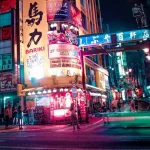
Kokusai Dori, which translates directly as “International Street,” runs about 1.6 kilometres through the centre of Naha. After World War II left the city in ruins, this stretch rebuilt itself faster than almost anywhere else in Okinawa — fast enough to earn the local nickname “Miracle Mile.” That energy hasn’t entirely faded. The street is loud, colourful, and relentless. Sanshin music drifts out of souvenir shops. The smell of grilling meat and caramelised tare sauce cuts through the humid air. Vendors stand outside restaurants holding sample skewers. It is, genuinely, a spectacle.
The street runs roughly east to west between Kencho-mae Station at one end and Makishi Station at the other, both on the Yui Rail monorail line. The western end near Kencho-mae is more commercial and tourist-facing. Walk east and the vibe shifts — smaller shops, less English signage, more locals running actual errands. The real Kokusai Dori experience starts about halfway down, where the covered arcade markets branch off south into Heiwa Dori and Ichiba Hondori. Those two lanes are where the street becomes interesting.
Food Worth Stopping For
The main strip has plenty of mediocre tourist-trap restaurants. A few are genuinely good. The trick is knowing which is which before you commit to a seat.
Okinawan Soba
Okinawan soba bears almost no resemblance to mainland Japanese soba. The noodles are thick, wheat-based, and served in a clear pork-and-bonito broth with soft-braised rafute (pork belly) and a slice of fish cake. The broth is lighter than tonkotsu but richer than a standard shio ramen. Yunangi, a short walk off the main strip near the Kencho-mae end, is frequently cited by locals as the most consistent bowl in central Naha. Arrive before 11:30 or expect a wait.
Makishi Public Market — Second Floor
The ground floor of Makishi Public Market (also called First Makishi Public Market) sells fresh seafood, exotic cuts of pork, and Okinawan produce. The second floor is where you take your purchase upstairs and pay a small preparation fee to have it cooked. The market underwent renovation and reopened in its current expanded form in late 2023, and by 2026 it has settled into a reliable rhythm. Go on a weekday morning. Weekend afternoons are chaotic. The second floor has open windows and a slightly sticky breeze that carries the salt and smoke from the stalls below — it’s utilitarian and completely specific to Naha in the best way.

Taco Rice and the American Influence
Taco rice — seasoned ground beef, cheese, salsa, and shredded lettuce served over Japanese short-grain rice — is an Okinawan invention born near the US military bases. It’s available all over Kokusai Dori. Parlor Mikado, tucked into one of the covered arcades, serves a version with properly seasoned beef and a fried egg on top that locals approve of. It costs around ¥900 and fills you up properly.
Shopping the Strip and the Side Streets
Be direct with yourself about what you want before you start walking. The main strip is dominated by shisa lion figurines, hibiscus-print clothing, awamori liquor gift sets, and Okinawan salt products. These are perfectly fine things to buy. They are also the same things sold in every third shop for roughly the same price. Don’t spend twenty minutes comparing near-identical shisa pairs from two adjacent souvenir stores.
What’s Actually Worth Buying
- Ryukyu glass: Made from recycled glass, often in blues, greens, and ambers. Genuine Ryukyu glassware is heavier and more irregular than the mass-produced imitations. Look for a small certification sticker or ask staff directly. Shops in Heiwa Dori tend to stock the real thing at lower markups than the main strip.
- Bingata fabric goods: Traditional Okinawan textile dyeing with bold botanical patterns. Scarves, pouches, and phone cases. Tsuboya Pottery Street, a short walk south from the arcade, has a cluster of craft shops with genuine bingata items alongside local ceramics.
- Awamori: Okinawa’s distilled rice spirit, aged in clay pots. A good mid-range bottle runs ¥2,000–¥4,000. Shops on the strip carry the major brands. If you want something less commercial, ask for kusu — aged awamori with a rounder, more complex flavour.
- Sea salt products: Okinawan sea salt is genuinely good. Flavoured salts, salt caramels, and salt-based skincare products are available in small dedicated shops and worth picking up as lightweight gifts.

Covered Arcades: Heiwa Dori and Ichiba Hondori
These two covered shopping lanes branch south off the main Kokusai Dori strip roughly in the middle. They are older, lower-ceilinged, and far less polished than the main drag. Vendors sell vegetables, fresh tofu, pickled goods, dried fish, and cheap everyday items alongside tourist goods. Prices in here are noticeably lower. The further south you walk into Heiwa Dori, the more it feels like a working neighbourhood market rather than a tourist attraction.
Nightlife After Dark
Kokusai Dori doesn’t shut down at dinner. The strip stays lively until well past midnight, and the bars and live music venues that fill the side streets are genuinely good — better, actually, than the daytime shopping experience.
Awamori Bars
Okinawa’s drinking culture is built around awamori, and the bars along the side streets off Kokusai Dori know how to serve it. Bar Stir near the Makishi end operates as a small standing bar with an extensive awamori selection arranged by island origin — the owner speaks enough English to guide you through a tasting if you ask. A glass of good awamori runs ¥600–¥1,200 depending on age and rarity. Orion beer, brewed in Okinawa, is available everywhere for ¥500–¥700 a pint.
Live Sanshin and Eisa Music
Several venues on and around Kokusai Dori host live Okinawan folk music nightly. Shimauta-ya is a mid-sized venue with table seating where performers play sanshin (a three-stringed instrument related to the shamisen) and occasionally stage short Eisa drum dance performances. The cover charge is typically ¥1,000–¥1,500, which usually includes one drink. The music starts around 20:00 and runs in sets until around 23:00. It is not a polished tourist show — it’s local musicians playing for a mixed crowd of visitors and Okinawans who simply like the music.
Late-Night Street Food
After midnight, the food options thin out but don’t disappear. A few yakitori carts and small ramen counters stay open near the Kencho-mae end. The smell of charcoal and soy-glazed chicken skin hitting hot coals is hard to walk past without stopping. A stick of yakitori runs ¥150–¥250.
2026 Budget Reality
Okinawa sits in a slightly different price bracket from Tokyo or Kyoto, but it’s not cheap by regional standards. The weak yen of 2024–2025 pushed souvenir prices upward, and while the yen has partially recovered in 2026, some of those price increases haven’t reversed.

Food
- Budget (under ¥1,200): Taco rice, market-floor snacks, soba from a basic shop, convenience store lunch
- Mid-range (¥1,200–¥3,000): A proper sit-down soba meal with sides, second-floor Makishi Market seafood with preparation fee included, casual izakaya dinner
- Comfortable (¥3,000–¥7,000+): Full Okinawan multi-course set meal (champuru, rafute, sea grapes, goya dishes), quality awamori bar with food
Shopping
- Budget: Salt snacks ¥300–¥800, basic shisa figurines ¥500–¥1,500, Orion beer merchandise ¥500–¥1,000
- Mid-range: Ryukyu glass piece ¥2,000–¥5,000, bingata pouch or scarf ¥2,500–¥6,000, mid-tier awamori bottle ¥2,000–¥4,000
- Comfortable: Certified Ryukyu glassware set ¥8,000–¥20,000, aged kusu awamori ¥5,000–¥15,000
Nightlife
- Orion draft beer: ¥500–¥700
- Awamori by the glass: ¥600–¥1,200
- Live music venue cover: ¥1,000–¥1,500 (usually includes one drink)
Getting There and Getting Around
The Yui Rail monorail is the primary way to reach Kokusai Dori without a car. Kencho-mae Station and Makishi Station both drop you within a short walk of the street. A single Yui Rail journey from Naha Airport to either station costs around ¥370. In 2026, the Yui Rail’s IC card compatibility has been expanded — Suica and ICOCA now work on the system without any special registration, which wasn’t the case before 2025.
Kokusai Dori itself is pedestrianised on Sunday mornings from approximately 12:00 to 18:00 (check current schedules as timings shift seasonally). Outside those hours, taxis and buses share the road with pedestrians. The street is walkable end-to-end in about 25 minutes at a relaxed pace, but realistically you’ll double that once you start stopping.
Crowd levels in 2026 peak between 10:00 and 15:00 on weekends, particularly during the March cherry blossom season and the Okinawa summer months of July and August. If you’re visiting in peak season, aim for a weekday morning or early evening visit. The street genuinely feels different after 18:00 — less shoulder-to-shoulder, more local energy.
Frequently Asked Questions
Is Kokusai Dori worth visiting in 2026?
Yes, though it requires adjusted expectations. The main strip is tourist-heavy, but the covered arcade markets, side-street bars, and live music venues are genuinely worth your time. Treat it as a neighbourhood to explore rather than a single street to walk down, and you’ll get much more out of it.
When is the best time of day to visit Kokusai Dori?
Early morning (before 10:00) for the market atmosphere, or evening from around 18:00 onward for bars and live music. Midday on weekends is the worst time — heavily crowded with tour groups. Weekday afternoons are a reasonable compromise if daytime is your only option.
Can I use a Japan Rail Pass to get to Kokusai Dori?

No. The Yui Rail monorail, which serves Naha and Kokusai Dori, is not covered by the standard JR Pass. However, as of 2025, the JR Pass does not cover Okinawa at all since there are no JR lines on the island. You pay separately for Yui Rail — single fares are around ¥270–¥370 depending on distance.
What are the best souvenirs to buy on Kokusai Dori?
Genuine Ryukyu glassware, bingata fabric items, aged awamori (look for kusu labels), and Okinawan sea salt products are the most distinctive. Avoid buying mass-produced shisa figurines from the first shop you see — identical versions are available for less in the covered arcades further along.
Is Kokusai Dori safe at night?
Okinawa has one of the lowest crime rates in Japan. Kokusai Dori and its surrounding streets are safe to walk at night. The area stays lively until around 01:00, and taxis are plentiful near both ends of the street for the ride back to your accommodation. Standard Japan precautions — watch your bag in crowds — apply.
Explore more
Your Ultimate Okinawa Itinerary: 7 Days Uncovering Japan’s Tropical Treasures
The Ultimate 5-Day Okinawa Itinerary: Beaches, Culture & Food
10 Best Okinawa Day Trips for Every Traveler’s Itinerary
📷 Featured image by Crystal Fang on Unsplash.