💰 Click here to see Japan Budget Breakdown
💰 Prices updated: November, 2026. Budget figures are estimates — always verify before travel.
Exchange Rate: $1 USD = ¥157.56
Daily Budget (per person)
Shoestring: ¥7,000 – ¥12,000 ($44.43 – $76.16)
Mid-range: ¥15,000 – ¥25,000 ($95.20 – $158.67)
Comfortable: ¥30,000 – ¥75,000 ($190.40 – $476.01)
Accommodation (per night)
Hostel/guesthouse: ¥2,500 – ¥7,750 ($15.87 – $49.19)
Mid-range hotel: ¥5,000 – ¥18,500 ($31.73 – $117.42)
Food (per meal)
Budget meal: ¥800.00 ($5.08)
Mid-range meal: ¥2,500.00 ($15.87)
Upscale meal: ¥10,000.00 ($63.47)
Transport
Single metro/bus trip: ¥250.00 ($1.59)
Monthly transport pass: ¥53,000.00 ($336.38)
Kamakura has become one of the most crowded day trips from Tokyo, and in 2026 the weekend trains and the Enoden tram can feel packed before you reach the first temple. The good news is that the town is small, the best sights are well spread out, and a smart route turns the crowds into a minor problem. This guide shows you how to see the Great Buddha, a few quiet temples, and the sea in one day without spending it in queues.
Day Trip or Overnight?
Kamakura works very well as a day trip. From central Tokyo it takes about an hour, and the main sights sit within a few train stops of each other. A focused day covers the Great Buddha, Hasedera, one Zen temple, and an hour or two by the water.
Stay overnight if you want a slower pace, want to hike the forested ridge trails, or want to see the temples at opening time. Kamakura’s hotel stock is small, so many visitors sleep in nearby Fujisawa or Yokohama instead. Both are easy to reach, and Enoshima is one short Enoden ride beyond Kamakura. If you are visiting in June for the hydrangeas or in late November for the maple leaves, an overnight stay lets you reach the temples before the tour groups do.
Getting to Kamakura and Moving Around in 2026
The simplest route is the JR Yokosuka Line from Tokyo Station, which takes about 55 minutes and costs roughly 950 yen one way. The JR Shonan-Shinjuku Line from Shinjuku or Ikebukuro is just as quick and has no transfer. JR East’s fare revision in spring 2026 nudged some prices up slightly, so expect a small difference from older guidebooks. Suica and Pasmo work on JR trains, buses, and the Enoden, so you do not need paper tickets.
A Japan Rail Pass is not worth buying for Kamakura alone. The 7-day pass costs 50,000 yen, which is far more than this trip needs. From Shinjuku, the Odakyu line’s Enoshima-Kamakura Freepass costs around 1,640 yen and includes unlimited Enoden rides for the day, which suits you if you plan to visit Enoshima.
Once there, the Enoden is the best way to move around. This small wooden-style tram line runs from Kamakura Station through Hase to Enoshima. A single ride costs about 200–300 yen, and the one-day Noriorikun pass is around 800 yen. It covers the whole line, so it pays off after three or four rides. Many sights are also walkable. The Kita-Kamakura temples are a 15-minute stroll apart, and the Daibutsu Hiking Trail links them to the Great Buddha through the woods in about an hour.

The Great Buddha and the Hase Temples
Kotoku-in is the reason most people come. The Great Buddha is a bronze figure about 13 metres tall, cast in the 13th century. It sits in the open air because the hall that once housed it was washed away by a tsunami in the 15th century. Entry is around 300 yen, and for an extra 50 yen you can step inside the hollow statue. It is dim, warm, and surprisingly quiet in there.
Walk or take the Enoden to Hasedera, about ten minutes away. Entry is around 400 yen. The temple climbs a hillside, and its main hall holds a 9-metre wooden Kannon statue with eleven heads. Stone Jizo figures wearing tiny knitted caps line the lower garden, and the viewing terrace looks out over Yuigahama Bay. In June the paths here bloom with hydrangeas, and queues for the viewing platform can last an hour on weekends.
Zen Temples and Shrine Grounds in the North
Kita-Kamakura, one stop north of Kamakura Station, is where the town’s Zen character lives. Kenchoji, founded in 1253, is the oldest Zen training temple in Japan. Entry is around 500 yen. Its huge cedar trees swallow the sound of the road, and a short climb behind the main hall leads to a ridge viewpoint. Engakuji nearby has a similar atmosphere, with moss-covered steps and a large bell hall.
For something smaller, try Hokokuji, known as the bamboo temple. Its grove of tall moso bamboo glows green in the morning light. Bamboo rustles overhead while you sip bright green matcha from a quiet teahouse in the garden, which costs a little extra. Meigetsuin is famous for its hydrangeas and its round window overlooking a garden, but it is also very busy in June.
Tsurugaoka Hachimangu is Kamakura’s main Shinto shrine. It stands at the end of Wakamiya Oji, a long approach lined with cherry trees, and entry is free. The wide stone steps leading to the main hall offer a clear view back down to the sea on a good day. It is the natural stop between the northern temples and the beach.

Beaches and Enoshima
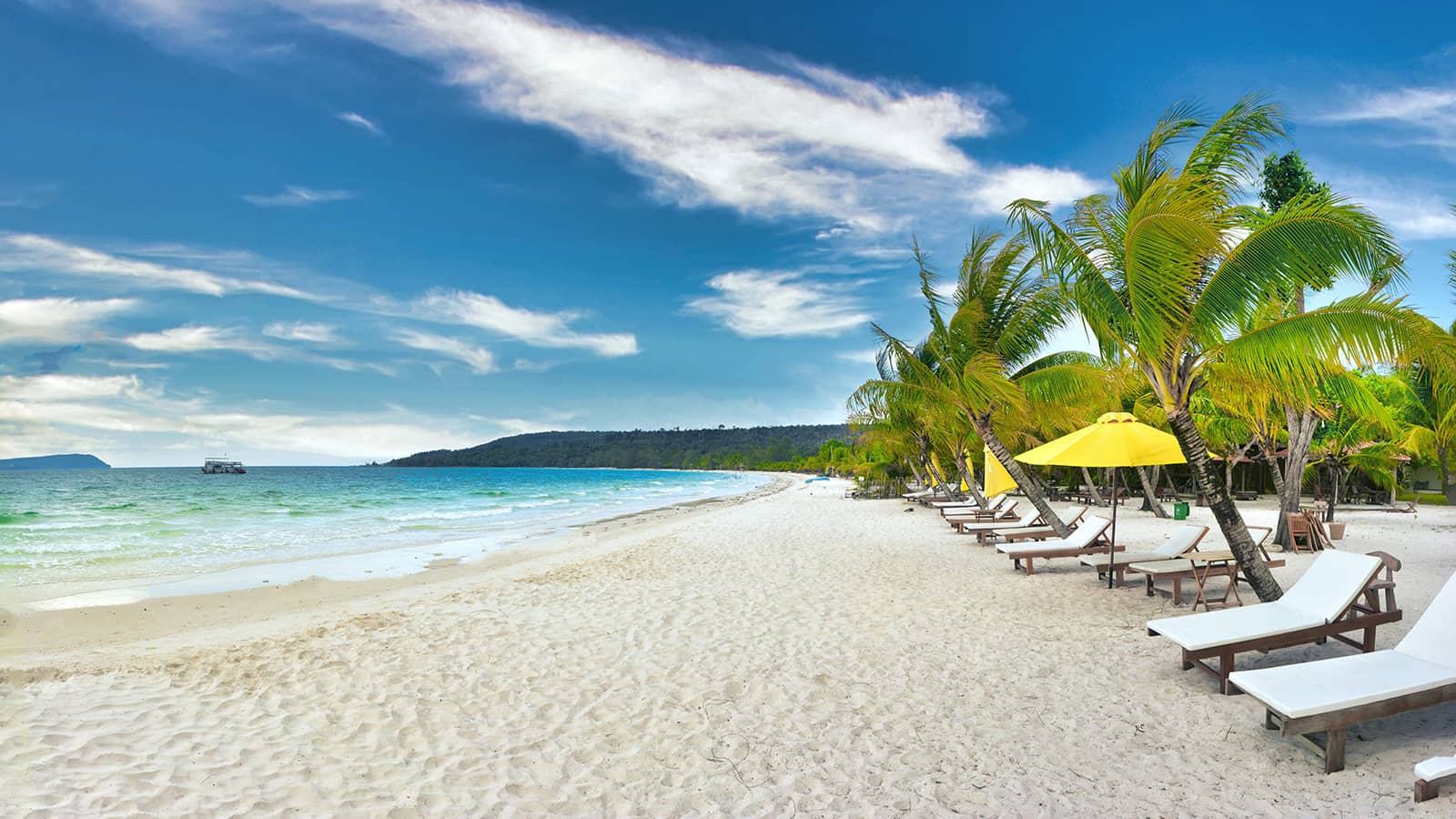
Kamakura is also a beach town. Yuigahama and Zaimokuza are wide, dark-sand beaches a short walk from the station, and surfers fill the water most of the year. Swimming is practical mainly in July and August, when lifeguards and beach huts are in place. Outside summer, the sand is a calm place to walk, and on clear winter afternoons you can see Mt Fuji across the bay.
For a bigger coastal outing, ride the Enoden to Enoshima, a small island linked to the mainland by a bridge. A path of shrines, souvenir shops, and sea views climbs to the top, and a cave at the far end (around 500 yen) rewards those who make the walk. Leave Enoshima by late afternoon if you want to be back in Tokyo before the evening rush. Along the way, the Kamakurakokomae level crossing is a well-known photo spot, with the sea behind the passing tram. It is also crowded, so be patient and stay on the pavement.
Where to Eat in Kamakura
The local specialty is shirasu, tiny whitebait from Sagami Bay, served raw or lightly boiled over rice. Raw shirasu is often unavailable from January to early March because of a fishing ban, but boiled versions are served all year. Try a shirasu-don at a seaside restaurant near Enoshima or Yuigahama, where a bowl typically costs 1,500 to 2,200 yen.
Komachi-dori, the narrow shopping street running from the station, is the place for snacks. You will find fresh croquettes, sweet potato soft serve, and grilled rice crackers. The famous local cookie is the Hato Sablé, a dove-shaped butter biscuit sold at Toshimaya, which makes a good souvenir. For a calmer meal, try shojin ryori, the vegetarian temple cuisine of Zen monks, near Kita-Kamakura. Set lunches at proper restaurants usually start around 5,000 yen and take time, so book ahead.
A Route That Beats the Crowds
- 8:00 am: Arrive at Kamakura Station and take the Enoden to Hase.
- 8:30 am: Visit Kotoku-in, then Hasedera.
- 11:30 am: Eat shirasu-don near Yuigahama and walk the beach.
- 1:00 pm: Walk to Tsurugaoka Hachimangu, then browse Komachi-dori.
- 2:30 pm: Ride one stop to Kita-Kamakura for Kenchoji or Hokokuji.
- 4:30 pm: Return to Kamakura Station, or continue to Enoshima for sunset.

Check closing times before you commit. Most temples close between 4:00 and 5:00 pm, and last entry is usually earlier. The weekday version of this route is far easier than a Saturday.
Kamakura Budget in 2026
Kamakura is affordable, and most of the cost is temple tickets, transport, and lunch. Here is what to expect for a day from Tokyo.
- Budget (about 5,000–6,500 yen): Return JR fare (around 1,900 yen), Enoden day pass (800 yen), two or three temple entries, street snacks, and a simple lunch.
- Mid-range (about 9,000–13,000 yen): The same transport, five temple entries including Kenchoji and Hasedera, a shirasu-don lunch, a matcha break, and souvenirs.
- Comfortable (about 20,000 yen and up): A shojin ryori lunch (5,000 yen or more), a taxi between distant temples, a seaside cafe stop, and a private guide or a night in a local inn.
Tax-free shopping rules are changing in late 2026, with refunds moving to a system handled at departure rather than at the shop counter, so keep your receipts if you buy souvenirs.
Frequently Asked Questions
Is one day enough for Kamakura?
Yes, one day is enough to see the highlights. You can visit the Great Buddha, Hasedera, Tsurugaoka Hachimangu, and one Zen temple, then spend time at the beach. Add Enoshima or the hiking trails if you want a slower, fuller trip, or stay overnight to avoid the crowds.
How do I get from Tokyo to Kamakura?
Take the JR Yokosuka Line from Tokyo Station or the Shonan-Shinjuku Line from Shinjuku. Both reach Kamakura Station in about 55 minutes for roughly 950 yen. Trains run often, and IC cards like Suica and Pasmo work throughout, so you do not need to buy paper tickets.
Can you go inside the Great Buddha?
Yes. At Kotoku-in you can enter the hollow bronze statue for about 50 yen on top of the 300 yen temple entry. The interior is small and dim, and you can see the seams where the original bronze pieces were joined. It takes only a few minutes.
When is the best time to visit Kamakura?
Spring and autumn are the most comfortable seasons. Cherry blossoms peak in late March to early April, and maple leaves turn in late November. June brings hydrangeas but also big crowds and rain. Visit on a weekday and arrive early in any season to avoid the worst queues.
Can you swim at Kamakura’s beaches?
Yes, but mostly in July and August, when lifeguards are on duty and beach huts are open. Yuigahama and Zaimokuza are the main swimming beaches. Outside summer, currents and cold water make swimming unwise, though the beaches are pleasant for walks and watching surfers.
📷 Featured image by Alexandre Chambon on Unsplash.