On this page
- What Gion Matsuri Actually Is
- The Two Processions: Saki Matsuri and Ato Matsuri
- Yoiyama Evenings: The Hidden Heart of the Festival
- The Yamaboko Floats Up Close
- How Crowds Actually Work in 2026
- 2026 Budget Reality: What Gion Matsuri Costs
- What to Wear and Carry
- Beyond the Processions: Lesser-Known Gion Matsuri Experiences
- Frequently Asked Questions
Kyoto in July is brutally hot. Temperatures regularly sit above 35°C with humidity that makes every breath feel like stepping into a sauna. And yet, hundreds of thousands of people pack into the narrow streets of central Kyoto every July for Gion Matsuri — Japan‘s most famous festival. If you’re planning a trip around it in 2026, the honest question isn’t whether the festival is spectacular. It is. The question is whether you’re prepared for what that spectacle actually involves: the heat, the shoulder-to-shoulder crowds, the logistics, and the genuine moments of beauty that make it all worthwhile.
What Gion Matsuri Actually Is
Gion Matsuri is not a single event. It’s an entire month of ceremonies, rituals, and celebrations centred on Yasaka Shrine in Kyoto’s Gion district, running throughout the whole of July. Most visitors only know about the float processions, but those parades are the climax of weeks of Shinto ritual that most people never see.
The festival began in 869 CE, during a devastating epidemic that was killing people across Japan. The Emperor ordered 66 halberds — one for each province — to be erected at Shinsen-en garden, and portable shrines were carried from Yasaka Shrine in a procession to pray for the plague to end. The epidemic eventually subsided, and the ritual was repeated annually as an act of purification and gratitude. Over more than 1,150 years, it evolved into what you see today: a massive community festival maintained almost entirely by Kyoto’s old merchant families, called machishū.
Each neighbourhood (called a chō) is responsible for building, funding, and parading its own float. This is still the case in 2026. The floats are not props managed by a city government — they’re living traditions kept alive by specific families who have passed down the knowledge for generations. That community ownership is what gives Gion Matsuri its unusual authenticity compared to many other large Japanese festivals.

Shinto rituals throughout July include the Kippu-iri (the formal start of preparations), sacred omikoshi portable shrine processions, and purification ceremonies at Yasaka Shrine itself. The two parade days are the most visible events, but attending even a single early-morning ritual at Yasaka Shrine before the crowds arrive gives you a completely different understanding of what this month actually means to Kyoto.
The Two Processions: Saki Matsuri and Ato Matsuri
Since 2014, Gion Matsuri’s main processions have been split into two separate parades — a restoration of the original historical format that had been combined into one day for decades. In 2026, the dates follow the same structure:
- Saki Matsuri (前祭) Yamaboko Junkō: July 17 — the larger and more famous of the two processions, featuring 23 floats departing from Shijō-Karasuma at 9:00 AM
- Ato Matsuri (後祭) Yamaboko Junkō: July 24 — the smaller but more intimate procession, featuring 11 floats and significantly fewer crowds
The July 17 procession is the one that draws the biggest crowds — easily over 100,000 spectators along the route. The floats travel from Shijō-Karasuma, head north on Karasuma-dōri, then east on Oike-dōri, covering roughly 3 kilometres over about two hours. The official route is publicly posted by the city in advance, and viewing spots along Oike-dōri tend to be slightly less packed than the Shijō corner where floats begin their turn.
The July 24 procession is genuinely worth considering if your schedule allows it. The floats are fewer, but the atmosphere is calmer, and you can actually see the craftsmanship without craning over a wall of heads. The famous Ōfune-hoko — a massive boat-shaped float representing a legendary sea voyage — appears only in Ato Matsuri. It’s one of the most visually striking floats in the entire festival.
Both processions begin early. Be at your viewing position by 8:00 AM at the latest for Saki Matsuri, earlier if you want to be near the front of any crowd barrier.

Yoiyama Evenings: The Hidden Heart of the Festival
Ask anyone who has attended Gion Matsuri multiple times where the real magic is, and most will say the same thing: the Yoiyama evenings. These are the nights before each procession — July 14, 15, and 16 before Saki Matsuri, and July 21, 22, and 23 before Ato Matsuri — when the assembled floats are lit up with hundreds of traditional paper lanterns and the streets of central Kyoto transform into something out of another century.
The main streets of the float district close to traffic and fill with food stalls, yukata-clad locals, and the low, hypnotic sound of Gion bayashi — festival music played on flute, drums, and gong from musicians seated inside the floats. The sound drifts through the warm night air, mixing with the smell of grilled skewers and festival snacks from the countless yatai food stalls lining the streets.
Standing beneath a towering hoko float at night, its lanterns glowing amber and gold against the dark sky, with musicians playing overhead and the crowds flowing around you — this is the moment that stays with people long after the procession photos fade from memory. The scale of these floats is genuinely startling when you’re standing directly underneath one.
The evenings are crowded, but the energy is festive rather than stressful. July 14 (the first Yoiyama evening) is noticeably quieter than July 15 or 16. If you want the atmosphere without the peak crowds, arriving on the 14th by 6:00 PM gives you the best of both worlds.

The Yamaboko Floats Up Close
There are two types of floats in Gion Matsuri, and the difference between them matters for how you experience the procession.
Hoko (鉾) are the tall, towering floats — some reaching over 25 metres high — that require their wheels to be steered manually by teams using wooden levers and green bamboo laid under the wheels to reduce friction. Watching a massive hoko make a 90-degree turn at an intersection is one of the most impressive physical feats you’ll see at any Japanese festival. The process, called tsujimawashi, takes many minutes and draws enormous applause.
Yama (山) are smaller, portable floats carried on the shoulders of teams of men. They feature elaborate figures and scenes from Japanese mythology, Chinese legend, and Buddhist stories. Each one tells a specific narrative, displayed through carved wooden figures and silk decorations.
What makes the floats culturally extraordinary is their tapestries. The woven decorations on the hoko floats include pieces of European Gobelin tapestry, Indian silk, and Persian carpet — trade goods that arrived in Kyoto via Portuguese and Dutch merchants during the 16th and 17th centuries. Kyoto’s merchant families, wealthy from the textile trade, incorporated these exotic fabrics into their float decorations as a display of global connection. Several tapestries date to the 1600s and are handled with museum-level care. Gion Matsuri floats have been called “museums that move,” and standing close to one during Yoiyama, you can see the centuries-old threads for yourself.
Some floats open their interiors for public viewing during Yoiyama evenings, for a small entry fee (typically ¥500–¥1,000). This is one of the best opportunities in the festival — you step up into the wooden structure, see the instruments, the offerings, and the ancient textiles at close range.

How Crowds Actually Work in 2026
Gion Matsuri draws approximately 1 million visitors across the full month, with the heaviest concentration during Yoiyama evenings and the July 17 procession. In 2026, Kyoto’s crowd management system has been substantially updated following the city’s broader tourism pressure reforms that began in 2024.
For the July 17 procession, the city has maintained its ticketed premium viewing area system along Oike-dōri, which provides reserved seating in grandstand-style sections. Tickets go on sale in late April through the Kyoto City Tourism Association website. Prices in 2026 sit around ¥2,000–¥4,500 per person depending on the section. These seats are genuinely worth it if you want a clear, seated view of the procession from start to finish, particularly for elderly visitors or those with children.
Free standing viewing is still available along the entire route, but the best free spots along Oike-dōri fill up by 7:00 AM. Karasuma-dōri is slightly less competitive. If you’re willing to stand several rows back, the floats are tall enough to see from further back than you’d expect — the hoko are simply massive.
The Shijō-Karasuma intersection, where floats make their first major turn, is the single most congested point of the procession. Crowd barriers are positioned 8–10 metres from the float path, and pushing is genuinely unpleasant there. A better strategy: watch the early floats go by at a calmer point on the route, then walk ahead to the Shijō corner to catch the tsujimawashi turn of a later float, since the procession takes roughly two hours to pass any given point.
For Yoiyama evenings, the streets around the major hoko floats — particularly Naginata-hoko and Kikusui-hoko — become extremely dense between 7:00 PM and 9:00 PM. Arriving before 5:30 PM or after 9:30 PM gives noticeably more breathing room, and the lanterns look just as beautiful at 10:00 PM as they do at peak hour.

2026 Budget Reality: What Gion Matsuri Costs
Gion Matsuri itself is a public festival — most of it is free to attend. The costs come from accommodation, food, transport, and optional paid experiences.
Accommodation (per night, central Kyoto in July)
- Budget: Hostel dorms ¥3,500–¥6,000 | Basic business hotel ¥9,000–¥14,000
- Mid-range: Standard hotel ¥18,000–¥35,000
- Comfortable: High-end hotel or ryokan ¥45,000–¥120,000+
July prices in Kyoto are significantly higher than shoulder season — expect to pay 30–50% more than you would in May or October. The Japan Tourism Agency’s 2026 accommodation tracking data shows Kyoto’s central hotels are typically at 90%+ occupancy on July 14–17. Book accommodation by March if possible, or consider staying in Osaka (30 minutes by train) and commuting in, which is a legitimate strategy many experienced visitors use.
Food and Festival Spending
- Yatai stall food: ¥400–¥1,200 per item (yakitori, kakigori shaved ice, takoyaki, corn on the cob)
- Sit-down lunch near festival area: ¥1,200–¥2,800
- Float interior entry fees: ¥500–¥1,000 per float
- Grandstand procession tickets: ¥2,000–¥4,500
Transport
- Kyoto subway (single journey): ¥220–¥350
- Day pass for Kyoto bus and subway: ¥1,100 (2026 price — unchanged from 2025)
- Shinkansen from Tokyo (one way): ¥13,900 unreserved, ¥14,720 reserved on Hikari/Nozomi
The Japan Rail Pass saw a further pricing adjustment in early 2026, making it less economical for short trips specifically to Kyoto. If you’re travelling beyond Kyoto during your trip, it may still make sense — calculate your actual routes before buying.
Realistic Daily Budget (excluding accommodation)
- Budget: ¥3,000–¥5,000
- Mid-range: ¥7,000–¥14,000
- Comfortable: ¥20,000+
What to Wear and Carry
July in Kyoto is not a comfortable month meteorologically. Average temperatures sit between 27°C and 36°C, with humidity routinely above 70%. This is not negotiable — you will sweat. Planning your clothing and gear around this reality directly affects how much you enjoy the festival.

Many visitors choose to wear a yukata — a casual summer kimono — for the Yoiyama evenings. Yukata rental shops operate throughout central Kyoto and typically charge ¥3,500–¥6,500 for a full rental including obi sash and geta sandals. The experience of walking through lantern-lit festival streets in a yukata genuinely adds something to the evening, and locals absolutely still wear them — you won’t look out of place. Just know that geta sandals require some practice and can be uncomfortable over long distances.
If you’re wearing regular clothes, stick to natural fabrics — linen and cotton breathe significantly better than synthetic materials in this kind of heat. Dark colours hide sweat but absorb more heat. Light colours reflect sun but show sweat. Pick your priority.
What to carry:
- A folding fan (sensu or uchiwa): sold at every convenience store for ¥100–¥500 and genuinely useful
- A hand towel or small cloth: Japanese-style hand towels (tenugui) absorb sweat better than paper tissue
- Two large water bottles, minimum: hydration is not optional in this heat; dehydration at outdoor events in July Kyoto is a real risk
- Portable battery charger: phones die fast with GPS and camera use in hot weather
- Cash: most yatai stalls and smaller festival vendors do not accept cards; carry at least ¥5,000–¥10,000 in cash for each festival evening
Beyond the Processions: Lesser-Known Gion Matsuri Experiences
If you’re spending several days in Kyoto during July, the processions and Yoiyama evenings are obvious anchors — but there’s a quieter, richer layer of the festival that most visitors completely miss.
Okite-shinji at Yasaka Shrine (July 1): The formal start of the festival at dawn, when a sacred fire is lit using traditional flint-striking methods. Almost no tourists attend. The atmosphere is genuinely solemn and moving — a direct connection to the 9th-century origins of this ritual.

Shinko-sai and Kanko-sai (July 17 and 24): These are the sacred omikoshi processions that happen on the same days as the float parades, but in the late evening. Three portable shrines carrying the divine spirits of Yasaka Shrine’s deities are carried through the Gion district with considerable ceremony. These processions are less photographed, less crowded, and arguably more spiritually significant than the float parades. They end with the omikoshi being enshrined at Otabisho for the duration of the festival, and their return journey on July 28 (the Kankō-sai return) is equally worth watching.
Byōbu Matsuri: During the Yoiyama period, some of the old machiya townhouses of the Gion float neighbourhoods open their sliding screens to reveal centuries-old decorative folding screens (byōbu) displayed in the front rooms — a practice that dates back to when households showed off their finest possessions during festival time. Walking slowly through the residential streets of the Shijō-Nishiki area on a Yoiyama evening and pausing to look through the open lattice windows at these glowing lacquered screens is an experience completely separate from the festival crowds, and one that most foreign visitors walk past without realising what they’re seeing.
Morning visits to Naginata-hoko: In the early mornings of the Yoiyama period (before 8:00 AM), the assembled floats stand in the empty streets before the crowds arrive. The Naginata-hoko — the lead float of Saki Matsuri, always first in the procession — is staffed early by volunteers preparing for the day. The air smells of fresh tatami and incense. The streets are nearly silent. This is when you can actually feel the weight of what these structures represent without 50,000 people around you.
Frequently Asked Questions
Is Gion Matsuri worth going to if I hate big crowds?

Yes, but strategy matters. The July 24 Ato Matsuri procession and the early Yoiyama evenings (July 14, or pre-6:00 PM on July 15–16) offer the full festival experience with significantly fewer people. The July 17 procession at peak hours is genuinely very crowded and requires patience. If you hate crowds absolutely, the morning ritual events are nearly empty.
Do I need to buy tickets to attend Gion Matsuri?
No ticket is required to attend most of the festival. The streets, procession route, and Yoiyama evenings are all free. Optional paid experiences include grandstand reserved seating for the procession (¥2,000–¥4,500), float interior viewing (¥500–¥1,000 per float), and some private Byōbu Matsuri events. The festival itself is genuinely public and free.
What is the best day to attend Gion Matsuri in 2026?
For first-time visitors, July 15 or 16 (the main Yoiyama evenings before Saki Matsuri) give you the best combination of atmosphere, float viewing, and food. For the procession itself, July 24 (Ato Matsuri) is better for those who want to actually see floats clearly rather than fight for position. July 17 is the most iconic date but requires very early arrival.
How do I get to the Gion Matsuri area from Kyoto Station?
The festival area centres on the Shijō-Karasuma and Shijō-Gion areas, about 2 kilometres north of Kyoto Station. The Karasuma subway line connects Kyoto Station to Shijō Station in 3 minutes (¥220). During procession and Yoiyama days, many surrounding streets close to vehicles, so walking is often faster than buses. On peak days, the subway is your most reliable option — it runs late during festival evenings.
Is Gion Matsuri appropriate for children?
Broadly yes, though the peak crowd situations require realistic expectations. Young children in strollers will struggle in the densest Yoiyama crowds. The float processions are excellent for children — the visual spectacle of the massive hoko floats is genuinely impressive and the tsujimawashi turns draw spontaneous crowd reactions. Early morning visits to the assembled floats are particularly good for curious kids who want to get close without being crushed.
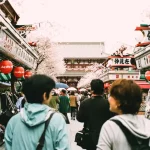
📷 Featured image by Steven Marcellino on Unsplash.