On this page
- Tokyo in 2026: What Your Budget Is Really Up Against
- Flights and Arrival: The Biggest Variable in Your Budget
- Where You Sleep: Accommodation Costs Across All Tiers
- Eating and Drinking: Where Your Daily Food Budget Goes
- Getting Around Tokyo: Transport Costs Broken Down
- Attractions and Experiences: What Entry Costs in 2026
- Shopping: Setting a Realistic Allowance
- Nightlife and Evening Entertainment Costs
- Day Trips from Tokyo: What They Actually Cost
- Sample Daily Budgets: Real Numbers for 2026
- Money-Saving Strategies That Work in 2026
- Practical Financial Considerations for Tokyo in 2026
- Frequently Asked Questions
💰 Click here to see Japan Budget Breakdown
💰 Prices updated: October, 2026. Budget figures are estimates — always verify before travel.
Exchange Rate: $1 USD = ¥157.00
Daily Budget (per person)
Shoestring: ¥8,000 – ¥15,000 ($50.96 – $95.54)
Mid-range: ¥18,000 – ¥35,000 ($114.65 – $222.93)
Comfortable: ¥45,000 – ¥80,000 ($286.62 – $509.55)
Accommodation (per night)
Hostel/guesthouse: ¥2,500 – ¥6,000 ($15.92 – $38.22)
Mid-range hotel: ¥10,000 – ¥20,000 ($63.69 – $127.39)
Food (per meal)
Budget meal: ¥800.00 ($5.10)
Mid-range meal: ¥2,500.00 ($15.92)
Upscale meal: ¥20,000.00 ($127.39)
Transport
Single metro/bus trip: ¥250.00 ($1.59)
Monthly transport pass: ¥30,000.00 ($191.08)
Tokyo in 2026: What Your Budget Is Really Up Against
Tokyo has a reputation for being expensive, and in 2026 that reputation is only half true. The city rewards people who know where to spend and punishes those who don’t plan. The bigger problem most travelers face isn’t Tokyo’s prices — it’s the exchange rate. The Japanese yen has stabilized somewhat after years of volatility, but visitors from North America, Europe, and Australia are still dealing with a favorable-to-spend dynamic that makes it dangerously easy to blow through money fast. Meanwhile, Japan’s consumption tax sits at 10%, tourist volume hit record highs again in 2025 and hasn’t slowed, and some previously free attractions now charge entry. This guide gives you real 2026 numbers across every spending category so you can build a budget that actually works.
Flights and Arrival: The Biggest Variable in Your Budget
Your flight is almost certainly your single largest expense, and prices vary enormously depending on your departure city and how far in advance you book.
Airfare Ranges in 2026
- From North America (US/Canada): Economy flights to Tokyo Narita (NRT) or Haneda (HND) range from roughly ¥80,000–¥180,000 return, depending on season and airline. Budget carriers like Air Japan (ANA’s low-cost arm, launched in 2024 and now flying more routes) sit at the lower end.
- From Europe: Expect ¥100,000–¥200,000 return in economy. Stopovers via Middle Eastern hubs often undercut direct routes.
- From Australia: ¥70,000–¥150,000 return. Jetstar and Qantas both serve Tokyo, with Jetstar’s Narita fares frequently undercutting full-service carriers by 30–40%.
Airport Transfer to Central Tokyo
- Narita Express (N’EX): ¥3,070 one way to Shinjuku or Shibuya. Round-trip tourist ticket: ¥4,070 — a genuine deal.
- Limousine Bus from Narita: ¥3,200–¥3,600 depending on destination hotel area. Slower but drops you closer to many hotels.
- Haneda Airport (closer to the city): Keikyu Line to Shinagawa costs ¥310. Tokyo Monorail to Hamamatsucho is ¥500. Haneda is significantly cheaper and faster to reach central Tokyo.
- Taxi from Narita: Around ¥20,000–¥25,000. Only worth it if you’re splitting with a group.
Where You Sleep: Accommodation Costs Across All Tiers
Tokyo’s accommodation market in 2026 is tight. Visitor numbers are at record levels, and availability in central neighborhoods — Shinjuku, Shibuya, Asakusa, Ginza — books out weeks in advance during peak season. Prices have risen roughly 15–20% since 2023 across most categories.

Budget Tier (¥3,000–¥8,000 per night)
Capsule hotels and dormitory hostels fill this range. A pod in a well-run capsule hotel like Nine Hours or First Cabin in Shinjuku runs ¥4,500–¥7,000. Expect a locker, a charging point, and a privacy curtain. Shared bathrooms are clean and well-maintained. Dormitory beds in hostels like Khaosan Tokyo or Nui Hostel in Asakusa go for ¥3,500–¥5,500 per night.
Mid-Range Tier (¥10,000–¥22,000 per night)
This is where you get a private room with a private bathroom. Business hotels like Toyoko Inn, APA Hotel, and Dormy Inn dominate this bracket. Rooms are small — genuinely small — but efficiently designed. A standard single at a Toyoko Inn in Ikebukuro typically runs ¥8,500–¥12,000. A double with a slightly larger room at a Dormy Inn property sits around ¥15,000–¥20,000. Many Dormy Inn properties have rooftop onsen baths, which is excellent value at this price point.
Comfortable/Upscale Tier (¥25,000–¥60,000 per night)
Properties like The Strings by InterContinental, Andaz Tokyo, or Hotel Monterey offer larger rooms, city views, and full service. Boutique options in areas like Yanaka or Daikanyama occasionally offer character-rich rooms in this range. Expect ¥30,000–¥50,000 for a solid upscale night in central Tokyo in 2026.
Luxury Tier (¥60,000+ per night)
The Park Hyatt (yes, that one), Aman Tokyo, the Mandarin Oriental, and the Palace Hotel Tokyo all operate in the ¥70,000–¥150,000 range per night and up. These are world-class hotels by any standard.
Eating and Drinking: Where Your Daily Food Budget Goes
Tokyo food is the best argument against bringing a big lunch from home. Even cheap food here is exceptional. The city’s basement food halls — depachika — at places like Isetan in Shinjuku or Mitsukoshi in Ginza are loaded with ready-to-eat food that rivals sit-down restaurants anywhere in the world. Standing ramen counters, convenience store onigiri, and tiny soba shops can keep you full for almost nothing.
Real Daily Food Costs
- Convenience store meal (7-Eleven, Lawson, FamilyMart): ¥500–¥900 for a filling lunch of onigiri, a sandwich, and a coffee. The sandwiches here genuinely impress.
- Ramen shop lunch: ¥900–¥1,500 for a bowl, sometimes with a gyoza side. Standing ramen counters at train stations often hit ¥700–¥800.
- Teishoku (set meal) at a salaryman lunch spot: ¥800–¥1,200 for rice, miso soup, a main dish, and pickles. Lunch sets in Japan are the single best value meal category in the country.
- Mid-range dinner (izakaya, casual restaurant): ¥2,000–¥4,000 per person including a couple of drinks.
- High-end dinner (tasting menu, sushi omakase): ¥15,000–¥50,000+ per person. Budget for at least one splurge if this is your kind of travel.
- Beer at a convenience store: ¥200–¥280. At a bar: ¥600–¥800. At a tourist-area cocktail bar: ¥1,200–¥2,000.

Walking through Ameyoko market in Ueno on a Saturday evening, the smell of yakitori smoke hits before you see the stalls — skewers of chicken thigh glazed in tare sauce, ¥180 each, eaten standing at the counter while vendors shout specials over the crowd noise. That’s the Tokyo food experience nobody talks about enough.
Getting Around Tokyo: Transport Costs Broken Down
Tokyo’s metro and train network is genuinely one of the most efficient urban transport systems in the world. It’s also very affordable compared to cities like London or Sydney.
IC Cards (Suica / Pasmo)
Load a Suica or Pasmo card and tap in and out of every train, subway, and bus in Tokyo. Fares are distance-based: short inner-city hops run ¥170–¥200. A full day of moving between neighborhoods might cost ¥600–¥1,200. In 2025, Japan updated digital Suica integration with international Mastercards and Visa cards via Apple Pay and Google Pay — a significant improvement that eliminates the need to queue at ticket machines.
Day Passes
- Tokyo Metro 24-hour pass: ¥600 (covers Tokyo Metro lines only, not Toei or JR). Excellent value if you’re doing a lot of sightseeing in a single day.
- Tokyo Metro 72-hour pass: ¥1,500. Available to tourists with a foreign passport.
- Toei 1-day pass: ¥700. Covers Toei subway, buses, and Toden streetcar.
Taxis and Ride Apps
GO App (Japan’s dominant ride-hailing platform) lets you book licensed taxis with English-language interface. Flag-fall starts at ¥500, and a 5 km trip typically costs ¥1,500–¥2,500. Late-night surcharges apply after 10 PM. Taxis are clean, reliable, and honest — no negotiating, no surprises.
Attractions and Experiences: What Entry Costs in 2026
Tokyo has a generous amount of free attractions, but some major sites have raised or introduced entry fees over the past two years.
Free Attractions
- Senso-ji Temple in Asakusa — free to enter the grounds
- Meiji Jingu Shrine in Harajuku — free to enter
- Shibuya Scramble Crossing — free to experience
- Shinjuku Gyoen (national garden) — ¥500 per adult (very low fee, technically not free but included here as a bargain)
- Tokyo Metropolitan Government Building observation deck — free. Skip the paid Sky Tree on a tight budget.
Paid Attractions
- Tokyo Skytree (Tembo Deck): ¥2,100 adult. With Tembo Galleria: ¥3,400.
- teamLab Planets (Toyosu) or teamLab Borderless (Azabudai Hills, reopened 2024): ¥3,200–¥4,000. Book online — both sell out weeks ahead.
- Edo-Tokyo Museum (reopened after renovation in 2025): ¥600.
- Tokyo DisneySea or Disneyland: ¥9,400–¥10,900 depending on date tier. Add food and rides: budget ¥18,000–¥25,000 for a full day.
- Sumo tournament (Ryogoku Kokugikan, held in January, May, September): ¥2,200–¥15,000 depending on seat.

Shopping: Setting a Realistic Allowance
Tokyo is a shopping city and the budgets here are entirely up to you, but some categories deserve special attention. Electronics in Akihabara have become less dramatically cheap since currency normalization began, but still offer good value on Japanese-market-only products. Cosmetics, especially at Matsumoto Kiyoshi or Ainz & Tulpe drugstores, remain excellent value compared to Western retail prices. Tax-free shopping at participating retailers (minimum spend ¥5,000 in consumables, ¥5,000 in general goods per store) is still available for tourists in 2026 — present your passport at checkout.
- Budget clothing at Uniqlo or GU: ¥1,000–¥5,000 per item
- Mid-range Japanese fashion (Harajuku boutiques, Shimokitazawa vintage shops): ¥3,000–¥15,000 per piece
- Electronics at Yodobashi Camera (Akihabara): Varies widely. A Sony WH-1000XM6 headphone set: ¥49,500 tax-free
- Cosmetics haul at a drugstore: ¥3,000–¥8,000 for a solid selection
- Souvenir budget (realistic): ¥5,000–¥15,000 for a week-long trip if you’re selective
Nightlife and Evening Entertainment Costs
Tokyo nightlife ranges from a ¥500 beer at a tiny Golden Gai bar in Shinjuku to a ¥5,000 cover charge at a Roppongi club. Golden Gai, with its 200-odd tiny bars crammed into a grid of narrow lanes, remains one of the best cheap-drink experiences in Asia. Many bars charge ¥500–¥700 per beer with a ¥500 table charge. Omoide Yokocho (Memory Lane), just outside Shinjuku Station’s west exit, draws you in with charcoal smoke from yakitori stalls — you’ll end up spending ¥2,000–¥3,500 on skewers and draft beer without even trying.
- Golden Gai bar tab (2 hours): ¥1,500–¥3,000
- Craft beer at a bar in Shimokitazawa or Nakameguro: ¥800–¥1,200 per pint
- Karaoke (per person, per hour): ¥500–¥1,500 depending on time of day and venue
- Roppongi club entry: ¥2,000–¥5,000, sometimes including a drink
- Jazz bar in Shinjuku (minimum charge): ¥1,500–¥2,500
Day Trips from Tokyo: What They Actually Cost
Day trips add real value to a Tokyo trip — they let you see a broader slice of Japan without the cost of a hotel night. These are the most popular options with realistic 2026 pricing.
- Kamakura: JR Yokosuka Line from Tokyo Station, about 1 hour. Return fare: ¥1,520. Entry to major temples and the Great Buddha: ¥300–¥500 each. Full day including lunch: ¥4,000–¥7,000 all in.
- Nikko: Tobu Nikko Line from Asakusa, around 2 hours. Return: ¥2,600 (with Tobu tourist pass covering Nikko sightseeing buses). Nikko shrines entry pass: ¥1,300. Full day: ¥7,000–¥12,000.
- Hakone: Romancecar from Shinjuku, about 85 minutes. Hakone Free Pass (2 days, Odakyu): ¥6,500 from Shinjuku — covers most transport within Hakone including the ropeway and lake cruise. Full trip: ¥10,000–¥16,000.
- Mt. Fuji (Fuji Five Lakes area): Highway bus from Shinjuku Expressway Bus Terminal to Kawaguchiko: ¥1,800–¥2,500. Fuji climbing season runs July–early September; Yoshida Trail fees in 2026 are ¥4,000 (trail gate fee introduced in 2024, still in place). Non-climbers can access the 5th Station for free. Full day: ¥8,000–¥15,000.
- Yokohama (Chinatown + harbor): JR from Tokyo Station, 30 minutes. Return: ¥920. Very budget-friendly half-day option. ¥3,000–¥5,000 all in.

Sample Daily Budgets: Real Numbers for 2026
These are honest daily estimates excluding accommodation and flights, which are listed separately above.
Budget Traveler: ¥5,000–¥8,000/day
- Breakfast: convenience store onigiri and coffee — ¥400
- Lunch: ramen or teishoku set — ¥900
- Dinner: supermarket bento or standing sushi — ¥1,000
- Transport: IC card, mostly metro — ¥700
- 1–2 free attractions, one paid (e.g., Shinjuku Gyoen) — ¥500
- 2 beers at Golden Gai — ¥1,500
- Total: ~¥5,000–¥6,000
Mid-Range Traveler: ¥12,000–¥20,000/day
- Breakfast at a café or hotel — ¥800–¥1,200
- Lunch at a casual restaurant — ¥1,500–¥2,000
- Dinner at an izakaya with drinks — ¥3,500–¥5,000
- Transport including a taxi or two — ¥1,500–¥2,000
- 2–3 paid attractions — ¥2,000–¥4,000
- Evening drinks and karaoke — ¥2,500–¥4,000
- Total: ~¥12,000–¥18,000
Comfortable Traveler: ¥30,000–¥55,000/day
- Hotel breakfast — ¥2,000–¥4,000
- Lunch at a quality tempura or soba restaurant — ¥3,000–¥5,000
- High-end dinner (sushi omakase or kaiseki) — ¥15,000–¥30,000
- Taxis throughout the day — ¥3,000–¥5,000
- TeamLab or Tokyo Skytree + tickets — ¥4,000–¥6,000
- Shopping allowance — ¥5,000–¥10,000
- Total: ~¥32,000–¥60,000
Money-Saving Strategies That Work in 2026
These aren’t generic tips — they’re specific to how Tokyo actually operates right now.
- Eat lunch at the fancy restaurants: Many high-end restaurants offer lunch sets at 30–50% of dinner prices. A Michelin-recognized tempura restaurant that charges ¥20,000 at dinner often runs a ¥3,500 lunch set.
- Use the Tokyo Metro 72-hour pass: ¥1,500 for three days of unlimited rides on Metro lines. If you ride four or more times per day, it pays for itself.
- Tokyo Metropolitan Government Building observation deck: Free, 202 metres up, open until 10:30 PM on most nights. The view over the city grid at night, with Shinjuku’s neon below and Mount Fuji visible on clear winter days, rivals anything you’d pay ¥3,000 for.
- Department store basement (depachika) for dinner: Isetan, Takashimaya, and Matsuya all discount their prepared food sections from around 7 PM onward. Quality bento boxes drop to ¥400–¥600.
- Get a physical Suica card: Despite digital improvements, the physical card (¥500 deposit, refundable) still works at every machine, vending machine, and convenience store without any app dependency.
- Book teamLab tickets the moment they go on sale: Both Planets and Borderless sell out months ahead in 2026. Last-minute availability means paying third-party markups of 30–50%.

Practical Financial Considerations for Tokyo in 2026
Japan remains largely a cash society in terms of small transactions, though card acceptance has improved dramatically since 2022. Street food stalls, small ramen shops, and older izakayas frequently still require cash. ATMs at 7-Eleven and Japan Post accept most international cards with a flat fee of ¥110–¥220 per transaction — far better than airport currency exchange counters.
Tax-free shopping rules: As of 2026, Japan is piloting a new digital tax refund system replacing the old paper-based in-store process. At major department stores and electronics retailers, refunds are processed via a digital passport scan linked to your departure airport customs check. This is faster but means you cannot open or use tax-free purchases before leaving Japan — customs checks are getting stricter. Minimum purchase threshold remains ¥5,000 per store.
Tipping: There is no tipping in Japan. Not at restaurants, hotels, taxis, or anywhere else. Attempting to tip can genuinely cause discomfort for the recipient. Budget for exactly what’s on the bill, nothing more.
Frequently Asked Questions
How much does a 7-day trip to Tokyo cost overall?
A realistic 7-day Tokyo trip costs roughly ¥250,000–¥450,000 per person including flights, accommodation, food, transport, and activities at mid-range spending. Budget travelers can do it for ¥150,000–¥200,000 all in. Comfortable travelers with one or two fine dining nights and good hotels should budget ¥500,000–¥800,000.
Is Tokyo cheaper than other major world cities?
For day-to-day food and transport, yes — significantly cheaper than London, Sydney, New York, or Paris. A filling lunch for ¥900–¥1,200 is normal. Accommodation in central areas has become more competitive with Western cities in 2026, but overall the daily cost of living comfortably remains lower than most major global capitals.
How much cash should I carry in Tokyo?
Carry ¥10,000–¥20,000 in cash at all times for small shops, street food, and any places that don’t accept cards. Most convenience stores, department stores, and larger restaurants now accept IC cards and major credit cards. Withdraw cash from 7-Eleven ATMs for the most reliable international card acceptance.
Is the Japan Rail Pass worth buying for a Tokyo-only trip?
No. The 2026 JR Pass 7-day price is ¥50,000 and is only cost-effective if you’re taking multiple Shinkansen journeys between cities. For a Tokyo-only trip, a Suica IC card loaded with ¥5,000–¥10,000 covers everything you need at a fraction of the cost.
What’s the biggest unexpected expense for first-time Tokyo visitors?
Shopping and convenience store spending. The combination of excellent, affordable snacks and the constant temptation of electronics, cosmetics, and fashion means many travelers massively underestimate this category. Set a separate daily shopping limit — even ¥3,000–¥5,000 per day adds up to ¥21,000–¥35,000 over a week.
Explore more
Where Should First-Timers Eat in Tokyo? Your Essential Guide
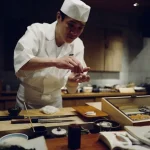
📷 Featured image by Leo Okuyama on Unsplash.