On this page
- Naramachi: The Old Merchant Quarter Most Visitors Walk Past
- Head East: Kasugayama Primeval Forest and the Trails Nobody Takes
- Hidden Shrines and Temple Secrets
- Where to Eat and Drink Like a Local in Nara
- The Southern Yamato Road: Half-Day Walks Through Ancient Villages
- Nara’s Underground Art and Culture Scene
- Shopping Off the Tourist Strip
- Timing Your Visit to Nara’s Quieter Side
- Getting Around the Parts of Nara That Maps Don’t Highlight
- Budget Breakdown for a Nara Hidden Gems Trip
- Frequently Asked Questions
💰 Click here to see Japan Budget Breakdown
💰 Prices updated: October, 2026. Budget figures are estimates — always verify before travel.
Exchange Rate: $1 USD = ¥157.00
Daily Budget (per person)
Shoestring: ¥8,000 – ¥15,000 ($50.96 – $95.54)
Mid-range: ¥18,000 – ¥35,000 ($114.65 – $222.93)
Comfortable: ¥45,000 – ¥80,000 ($286.62 – $509.55)
Accommodation (per night)
Hostel/guesthouse: ¥2,500 – ¥6,000 ($15.92 – $38.22)
Mid-range hotel: ¥10,000 – ¥20,000 ($63.69 – $127.39)
Food (per meal)
Budget meal: ¥800.00 ($5.10)
Mid-range meal: ¥2,500.00 ($15.92)
Upscale meal: ¥20,000.00 ($127.39)
Transport
Single metro/bus trip: ¥250.00 ($1.59)
Monthly transport pass: ¥30,000.00 ($191.08)
In 2026, Nara‘s deer park and Todaiji Temple are more crowded than ever. The surge in international tourism following Japan’s post-pandemic boom — combined with the weaker yen attracting record visitor numbers — means that by 10am on a weekend, the main sightseeing corridor between Kintetsu Nara Station and Todaiji is genuinely unpleasant. Deer jostle tourists for rice crackers, selfie sticks swing in every direction, and the ancient atmosphere the city is famous for gets completely lost. But spend half a kilometre in any other direction, and Nara reveals itself as one of the quietest, most atmospheric cities in the Kansai region. This guide is for that Nara.
Naramachi: The Old Merchant Quarter Most Visitors Walk Past
South of Kofukuji Temple and tucked behind the main tourist road, Naramachi is a preserved district of Edo and Meiji-era machiya townhouses that most visitors miss entirely. The streets are narrow, the signage is minimal, and that’s exactly the point. This is where Nara’s old merchant families lived and worked, and the neighbourhood has been carefully maintained without turning itself into a theme park.
Walk down Ganrinji-cho or Naraborijima-cho on a weekday morning and you’ll hear almost nothing except the sound of your own footsteps on stone pavement. The smell of old timber and incense drifts from wooden latticed facades. A few of the old machiya have been converted into quiet craft shops, textile studios, and tiny galleries. The Naramachi Koshi-no-Ie is a free-entry restored merchant house that shows exactly how these buildings were arranged — narrow frontage, deep interior, small courtyard garden at the back.
The neighbourhood also has real cafés where locals actually sit. Café Koto-no-Ha operates out of a converted townhouse and serves single-origin pour-over coffee alongside Nara-made sweets. It seats about eight people. Arrive early or expect to wait outside on the street — no reservations, no digital queue system.
Head East: Kasugayama Primeval Forest and the Trails Nobody Takes
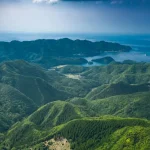
Behind Kasuga Grand Shrine, beyond the lantern-lined approaches and the souvenir stalls, lies one of Japan’s most extraordinary and undervisited natural spaces. Kasugayama Primeval Forest has been protected as sacred land for over 1,200 years, meaning the trees here have never been logged. Some of the cryptomeria cedars are enormous — their trunks wide enough that three people linking hands couldn’t encircle them. The canopy filters light into something green and cathedral-like, and in late morning when mist still clings to the lower slopes, it feels genuinely ancient in a way that no manicured garden can replicate.

The forest is a UNESCO World Heritage site but receives a fraction of the visitors that Todaiji does. A trail network runs through it, connecting to Wakakusayama (the grassy hill you can see from anywhere in the city) and looping back toward Kasuga Shrine. The full circuit takes about two hours at a relaxed pace. You will almost certainly share it with deer — but these are the mountain deer, not the cracker-conditioned park deer, and they behave very differently: cautious, quiet, disappearing into the undergrowth when they hear you coming.
Entry to the forest itself is free. Access is via the path directly behind Kasuga Taisha’s main sanctuary. The trail gets muddy after rain, so wear appropriate shoes.
Hidden Shrines and Temple Secrets
Nara has dozens of temples and shrines that appear on no tourist map and charge no entry fee. Three are worth going out of your way for.
Shin-Yakushiji Temple
Founded in 747 CE and sitting quietly in the southeastern corner of the city, Shin-Yakushiji has one of the most intact collections of original Nara-period statuary in Japan. The main hall houses twelve clay guardian figures — the Juni Shinsho — arranged in a circle around a central Buddha. Most of them still retain traces of their original pigment. There are no crowds here. Entry costs ¥600. The approach is through a residential street, and the temple gate is easy to miss.
Byakugoji Temple
Byakugoji, a short walk east of Shin-Yakushiji, is even quieter. A small Shingon temple sitting at the base of the wooded hills, it has a moss-covered three-storied pagoda in a garden that almost nobody visits. In November, the maples around the pagoda turn deep red and the whole scene is almost impossibly photogenic — without another person in frame. Entry is ¥400.
Otobishu at Nigatsu-do
Most visitors who go to Todaiji don’t climb the extra ten minutes to Nigatsu-do, the hall perched on the hillside above. This is a serious mistake. The wooden veranda at Nigatsu-do looks out across the entire Nara basin — rooftops, deer park, mountains to the west — and the view at dusk, when the city turns amber and quiet, is one of the best in the Kansai region. The hall itself has been an active place of worship since 752 CE. Entry is free, and the lanterns along the stone staircase leading up are lit in the evening.
Where to Eat and Drink Like a Local in Nara
The tourist strip around Higashimuki Shopping Arcade sells kakinoha-zushi (persimmon-leaf sushi) and matcha soft serve in roughly every other shop. That’s fine, but Nara’s actual eating scene is elsewhere.
Mochiidono Shopping Arcade is the older, less polished covered street that branches off from the main tourist area. It’s where local families shop, and it has a handful of lunch spots that fill up with office workers between noon and 1pm — a reliable indicator of quality. Look for the handwritten daily specials boards outside small teishoku restaurants. A set lunch with rice, miso soup, and two side dishes typically runs ¥850–¥1,100.
For something more specific: Shizuku in Naramachi serves Yamato-style cuisine — the traditional cooking of the Nara region — in a converted machiya. The seasonal vegetable dishes use local Yamato produce, and the menu changes monthly. Budget around ¥2,500–¥3,500 for lunch. Reservations recommended.
In the evening, the small bar cluster on the backstreets just north of Kintetsu Nara Station — around Higashimuki Kita-machi — has a handful of izakayas that cater entirely to locals. Narrow counters, handwritten sake menus, no English signage. Pointing works fine. Expect to spend ¥2,000–¥3,500 per person with drinks.
For coffee, Rokumei Coffee Co. in the city centre has become something of a landmark for specialty coffee in the Kansai region. They roast their own beans and run a serious espresso bar alongside a quieter filter coffee counter. The space fills with locals on weekend afternoons, and the smell of freshly ground beans hits you before you even open the door.
The Southern Yamato Road: Half-Day Walks Through Ancient Villages
The Yamanobe-no-Michi (Yamanobe Road) is often called Japan’s oldest road, running south from Nara through the Yamato Plain toward Sakurai City. It follows the base of the eastern mountains, passing rice paddies, small Shinto shrines, persimmon orchards, and ancient burial mounds (kofun) that look like forested hillocks rising from flat farmland.
The full route from Nara to Sakurai is about 25 kilometres and takes a full day to walk. But the northern section — from Tenri City to the Omiwa Shrine area — is about 8 kilometres and makes a superb half-day trip. Take the JR Sakurai Line to Tenri, walk south through the cedar forests and past the shores of the narrow irrigation channels, and finish at Omiwa Shrine in Miwa, one of Japan’s oldest places of worship, where the sacred mountain behind it — Mt. Miwa — serves as the shrine’s main object of veneration. There is no main hall, no great gate, just a torii leading directly into the forested mountain.

The path along this stretch is mostly unpaved, shaded, and almost entirely free of other tourists. You’ll pass elderly farmers tending small plots and the occasional cyclist. Pack water. There are very few vending machines on the route itself.
Nara’s Underground Art and Culture Scene
Nara is not known for contemporary culture, which is partly why its small independent arts scene is worth seeking out. The city has a growing number of small galleries and artist-run spaces concentrated in the Naramachi area and in repurposed buildings near the train stations.
Nara City Photographic Art Museum is a genuinely excellent small institution that almost never appears in tourist guides. It focuses on Japanese photography from the 20th century onward, with rotating exhibitions that often feature photographers from the Kansai region. Entry is around ¥500–¥700 depending on the exhibition. The building itself is worth seeing — a quiet modernist structure tucked behind the main road.
The Nara Club event space near Naramachi hosts occasional live music nights, art markets, and cultural events that draw a young local crowd. Check their Instagram for schedules since they don’t maintain a traditional website. Events typically cost ¥1,000–¥2,000 at the door.
In 2026, a new creative hub called Yamato Creative Lab opened in a repurposed sake brewery in the Sanjo area, housing artist studios, a small gallery space, and a natural wine bar. It’s open Thursday through Sunday and has become a genuine gathering point for Nara’s creative community. Entry to the gallery space is free.
Shopping Off the Tourist Strip
The main tourist shopping areas are entirely dominated by deer-themed merchandise and packaged sweets. For anything more interesting, you need to move away from Higashimuki Arcade.
In Naramachi, several small shops sell Nara-made craft goods that are actually worth buying. Nara Homemade (on Ganrinji-cho street) carries locally produced linen textiles, simple ceramics from Yamato potters, and Akahada-yaki ware — a soft-glazed pottery style that has been made in the Nara region for centuries. Pieces range from ¥1,500 for a small cup to ¥15,000+ for larger vessels.

Kuzu Fabric is a tiny workshop and retail space selling cloth woven from kuzu (kudzu vine fiber), a traditional Nara specialty. The cloth has a beautiful rough texture and slight natural sheen. Scarves start around ¥6,000 and the selection is small but well-chosen.
For books, maps, and local zines, the small bookshop inside the Yamato Creative Lab brewery complex carries an interesting selection of regional publications, art books, and independently produced travel guides to the Yamato region — the kind of material that you simply cannot find in a chain bookstore.
Timing Your Visit to Nara’s Quieter Side
The main deer park is busy year-round in 2026, but the hidden parts of Nara have their own seasonal rhythms.
Early spring (late February–early March) is excellent. The plum trees in the Naramachi garden spaces bloom, crowds have not yet arrived for cherry blossom season, and the Kasugayama Forest trails are fresh and clear. Temperatures run 5–14°C — cool but walkable.
Late autumn (early to mid-November) is arguably the best time to visit Nara’s lesser-known temples. Byakugoji and the path to Nigatsu-do are at their most beautiful when the maple leaves are turning. This coincides with peak foliage crowds in Kyoto, which means many visitors skip Nara entirely — a gift for anyone who times it right.
Weekday mornings matter more than season. Arriving at Naramachi before 9am means you’ll have the lanes entirely to yourself. The tourist crowds peak between 10am and 3pm regardless of day of week. Plan your hidden-gems exploration for the first hours of daylight and use afternoons for the cafés and galleries.
The Omizutori festival at Nigatsu-do (March 1–14 each year) involves dramatic torch-bearing ceremonies on the wooden veranda after dark. This is one of Nara’s most visually spectacular events and, despite its significance, remains genuinely underattended by foreign tourists compared to similar events in Kyoto.
Getting Around the Parts of Nara That Maps Don’t Highlight
Nara’s central hidden-gems area — Naramachi, Kasugayama trails, Shin-Yakushiji, Byakugoji, Nigatsu-do — is all within walking distance of Kintetsu Nara Station. You don’t need a bus or taxi for any of it. The furthest point (Byakugoji) is about 2.5 kilometres from the station on foot.
For the Yamanobe-no-Michi walk, take the JR Sakurai Line from JR Nara Station (not Kintetsu) to Tenri. The journey takes about 15 minutes and costs ¥240. At the end of the walk, Miwa Station on the same line returns you to Nara.
Cycling is genuinely useful for exploring the southern and eastern outskirts. Several rental shops near Kintetsu Nara Station offer standard city bikes for around ¥1,000–¥1,500 per day and e-bikes for ¥2,000–¥2,500. The terrain around Nara is mostly flat until you hit the foothills, making cycling comfortable for most fitness levels.
IC cards (Suica or ICOCA) work on all JR and local bus services in Nara. Load yours before leaving Osaka or Kyoto — the IC card top-up machines at smaller Nara stations sometimes have limited availability. In 2026, the Nara city loop bus now accepts contactless payment including international credit cards, which has simplified things considerably for visitors.
Budget Breakdown for a Nara Hidden Gems Trip
Nara is one of the more affordable day-trip destinations from Osaka or Kyoto, and its hidden-gems circuit involves very low entry costs.
- Budget tier (¥5,000–¥8,000/day): Train fare from Osaka (Kintetsu limited express, ¥1,010 each way), temple entries at Shin-Yakushiji (¥600) and Byakugoji (¥400), a teishoku lunch at Mochiidono Arcade (¥900–¥1,100), coffee (¥500–¥700), and a couple of drinks at a local izakaya (¥1,500–¥2,000). Walks through Kasugayama Forest and Naramachi are free.
- Mid-range tier (¥10,000–¥16,000/day): Add a proper lunch at Shizuku in Naramachi (¥2,500–¥3,500), an e-bike rental for the day (¥2,000–¥2,500), and an evening meal with sake at a sit-down izakaya (¥3,500–¥4,500).
- Comfortable tier (¥20,000+/day): The above plus a craft purchase from Nara Homemade or Kuzu Fabric (¥3,000–¥10,000), a private guided walk through Naramachi (several operators offer these for ¥5,000–¥8,000 per person), and an overnight stay in a Naramachi guesthouse rather than day-tripping from Osaka.
If you’re staying overnight in Nara rather than day-tripping, budget guesthouses and hostels in the Naramachi area run ¥3,500–¥6,000 per person. Mid-range ryokan with dinner and breakfast included start around ¥18,000–¥28,000 per person.
Frequently Asked Questions
How far is Naramachi from the main tourist sights like Todaiji?
Naramachi is about a 15-minute walk south of Kofukuji Temple and roughly 25 minutes on foot from Todaiji. It’s close enough to combine in a single day, but because it’s in the opposite direction from the main tourist corridor, most visitors never make the detour. The walk between the two areas passes through the edge of the deer park.
Is the Kasugayama Primeval Forest difficult to walk through?
The main trails are well-maintained and manageable for anyone with basic fitness. Some sections are steep and can be slippery after rain — proper walking shoes are recommended over sandals or fashion sneakers. The full forest loop takes about two hours. Trail signage is in Japanese with some English markers added in 2025.
Can I visit Nara’s hidden gems as a day trip from Kyoto or Osaka?
Easily. Nara is 45 minutes from Kyoto by JR (¥760) and about 50 minutes from Osaka-Namba by Kintetsu limited express (¥1,010). An early start — arriving before 9am — gives you the Naramachi lanes and the forest trails at their quietest before the main tourist wave arrives around mid-morning.
Are there English menus at local restaurants in Nara away from the tourist areas?
Most small teishoku restaurants and local izakayas in areas like Mochiidono and Higashimuki Kita-machi do not have English menus. Photo menus are common and pointing works fine. Google Translate’s camera function handles Japanese menus reliably in 2026. Staff in these places are generally patient and used to the occasional non-Japanese-speaking customer.
What’s the best single thing to do in Nara that most tourists miss?
The walk from Kasuga Shrine up through the primeval forest to the veranda at Nigatsu-do at dusk is the best kept secret in Nara. You get ancient trees, mountain deer behaving naturally, and a sunset view across the entire Nara basin — all within 30 minutes of the city’s most crowded tourist spot, yet almost entirely alone.
📷 Featured image by Tsuyoshi Kozu on Unsplash.