On this page
- Day 1: Landing in Hakata — Ramen, Markets, and the Waterfront
- Day 2: Dazaifu — Shrine, Forest Path, and the Unmissable Snack
- Day 3: Hakata’s Hidden Depth — Temples, Shopping Alleys, and Yakitori at Dusk
- Getting to Fukuoka in 2026
- Getting Around: IC Cards, Buses, and the Nishitetsu Line
- 2026 Budget Reality: What Three Days Actually Costs
- Day Trip or Overnight? Making the Call
- Frequently Asked Questions
💰 Click here to see Japan Budget Breakdown
💰 Prices updated: October, 2026. Budget figures are estimates — always verify before travel.
Exchange Rate: $1 USD = ¥157.00
Daily Budget (per person)
Shoestring: ¥8,000 – ¥15,000 ($50.96 – $95.54)
Mid-range: ¥18,000 – ¥35,000 ($114.65 – $222.93)
Comfortable: ¥45,000 – ¥80,000 ($286.62 – $509.55)
Accommodation (per night)
Hostel/guesthouse: ¥2,500 – ¥6,000 ($15.92 – $38.22)
Mid-range hotel: ¥10,000 – ¥20,000 ($63.69 – $127.39)
Food (per meal)
Budget meal: ¥800.00 ($5.10)
Mid-range meal: ¥2,500.00 ($15.92)
Upscale meal: ¥20,000.00 ($127.39)
Transport
Single metro/bus trip: ¥250.00 ($1.59)
Monthly transport pass: ¥30,000.00 ($191.08)
Fukuoka has a crowd problem — but not the kind you’d expect. Unlike Kyoto, the problem in 2026 is that too many visitors still pass through without stopping. They land at Fukuoka Airport, transfer to a Shinkansen, and keep moving west or north. This itinerary is for the travellers who actually stay. Three days gives you enough time to feel the specific rhythm of Hakata, make the half-day trip to Dazaifu without rushing it, and still eat your way through the yatai stalls on the Naka River before your flight home.
Day 1: Landing in Hakata — Ramen, Markets, and the Waterfront
Fukuoka Airport sits two subway stops from Hakata Station. You can be at your hotel within 20 minutes of clearing customs — a logistical advantage over almost every other major Japanese city. Use that momentum. Drop your bags and walk.
Start the afternoon at Hakata Station’s underground shopping area, not for the shops themselves but to understand how the city is wired. The basement levels connect seamlessly to the Hakata City mall above, and from there you can pick up a day’s supply of snacks, get an IC card topped up, or grab a quick bowl of Hakata ramen from one of the small counter-seat shops on the station’s ground floor. The broth here is tonkotsu at its most honest — milky white, rich with pork collagen, a faint char from the tare, thin noodles that cook in under 90 seconds. Eat at the counter and watch the cooks work. A bowl runs around ¥900–¥1,100.
From the station, walk 15 minutes south to Kushida Shrine, the oldest shrine in the city. It’s free to enter, compact, and almost never crowded on weekday afternoons. The giant float displayed inside the main hall is part of the Hakata Gion Yamakasa festival — an enormous bamboo-and-lacquer structure over 10 metres tall that looks too large to have ever moved through the city streets. It did, every July, for over 700 years.
By early evening, follow the Naka River north toward the Nakasu yatai district. These are the open-air food stalls that Fukuoka is genuinely famous for. In 2026, around 100 licensed stalls remain operating — fewer than a decade ago, but still enough to fill both sides of the river with warm lantern light and the smell of grilling chicken skin. Pull up a plastic stool at a stall serving mentaiko (spicy fish roe) dishes or yakitori skewers, order a cold Asahi or a glass of shochu, and let the evening slow down. Most stalls open from around 6 PM and close by midnight. Budget ¥2,000–¥3,500 per person for a full yatai dinner with drinks.
Day 2: Dazaifu — Shrine, Forest Path, and the Unmissable Snack
Dazaifu is 25 minutes from Fukuoka by the Nishitetsu Line, departing from Nishitetsu-Fukuoka (Tenjin) Station. The fare is ¥420 each way. Leave by 9 AM if you want to reach Dazaifu Tenmangu before the tour groups arrive from Hakata and Nagasaki.
Dazaifu Tenmangu is dedicated to Sugawara no Michizane, the 9th-century scholar and statesman who was exiled here and died in what is now Dazaifu. The shrine was built over his grave and has been a pilgrimage site for students and exam-takers ever since. The approach path is lined with plum trees — Michizane’s favourite — and in late January through February, they bloom pink and white in overlapping waves. In any other season, the maples and stone lanterns carry the visual weight instead.
On the path leading to the shrine, stop at one of the shops selling umegae mochi — small, round rice cakes filled with red bean paste and pressed with a plum-blossom pattern. They’re grilled fresh on iron plates and handed to you warm, the outside lightly crisp, the inside soft and just sweet enough. The smell of the rice hitting the hot iron is half the experience. One piece costs around ¥200.
After the shrine, take the forested trail toward Komyozenji Temple, a five-minute walk east. The rock garden here is one of the least-visited in western Japan — a dry landscape of white gravel and mossy stones arranged to represent the sea and islands. Sit on the wooden verandah for ten minutes and look at it properly. There’s no entry fee for the outer garden; the inner garden costs ¥200.
Spend the afternoon at the Kyushu National Museum, a short walk from Tenmangu along a covered moving walkway through the hillside. The permanent collection covers Asia’s cultural exchange with Japan across 5,000 years and is genuinely worth two hours. General admission in 2026 is ¥700 for adults. The building itself — a sweeping glass-and-steel wave design by architect Kikutake Kiyonori — is worth the walk up regardless.
Day 3: Hakata’s Hidden Depth — Temples, Shopping Alleys, and Yakitori at Dusk
Reserve day three for the parts of Hakata that most visitors skip. Start at Tochoji Temple, a five-minute walk from Hakata Station. The temple houses a wooden Buddha nearly 11 metres tall — the largest wooden seated Buddha in Japan. The space around it is hushed and cool even in summer. Entry is ¥50.
From there, work your way toward the Hakata Machiya Folk Museum near Kushida Shrine. The exhibits inside a restored Meiji-era townhouse show how the weaving and merchant traditions of Hakata developed over centuries. Hakata-ori silk weaving — producing the stiff, striped fabric used in high-end obi sashes — is still done by hand by a small number of artisans in the city. The museum is modest in size but specific in detail. Adults pay ¥200 entry.
Lunch belongs in the Yanagibashi Rengo Market, sometimes called “Hakata’s kitchen.” This covered market runs along the Naka River and supplies restaurants across the city. Come hungry. Vendors sell fresh fish, local vegetables, pickled mentaiko in every heat level, and prepared bento. It’s a working market, not a tourist attraction, and the prices reflect that.
Spend the late afternoon at Ohori Park, a 20-minute subway ride toward Tojinmachi Station. The park wraps around a large central lake with a walking path of just under 2 kilometres. After two days of dense urban movement, the open water and pine trees reset something in the body. The park is free. The attached Japanese garden costs ¥250 entry and contains a teahouse where you can order matcha and wagashi for ¥500.
End the trip at the yakitori street behind Hakata Station known informally as Hakata Issouken-dori — a stretch of narrow izakayas serving chicken from the local Itoshima farms. The grilled skin skewers arrive blistered and salted, the thigh pieces juicy in the centre. Order a round of sake from Saga Prefecture to match. Most skewers cost ¥180–¥350 each.
Getting to Fukuoka in 2026
By air: Fukuoka Airport serves direct international flights from Seoul, Taipei, Hong Kong, Bangkok, Singapore, and several Chinese cities. From Tokyo, flights take 90 minutes and cost between ¥8,000–¥25,000 depending on advance booking and carrier.
By Shinkansen: From Osaka, the Sanyo Shinkansen reaches Hakata Station in about 2 hours 15 minutes on the Nozomi service. From Tokyo, the journey runs approximately 5 hours on the fastest services. A reserved Nozomi seat from Tokyo to Hakata costs around ¥23,000 one way. The Japan Rail Pass covers Hikari and Sakura services on this route but not the Nozomi — a distinction that still catches travellers off-guard in 2026. Rail Pass pricing was revised again in late 2025; confirm current rates before purchase.

Getting Around: IC Cards, Buses, and the Nishitetsu Line
Fukuoka’s transit network runs on two separate systems. The city subway (operated by Fukuoka City) covers the main spine from the airport through Hakata to Tenjin and beyond. The Nishitetsu private railway covers the southern suburbs and Dazaifu — and does not accept the JR Pass.
Load a Suica or ICOCA card before arrival or at the airport. Both work on the subway and buses. For Nishitetsu, you can use the same IC card at the gates. City bus fares within central Fukuoka are ¥100 on the 100-yen loop route that connects Tenjin, Hakata Station, and Nakasu — one of the best transit bargains in Japan.
2026 Budget Reality: What Three Days Actually Costs
- Budget tier: ¥8,000–¥12,000 per day. Capsule hotel or guesthouse (¥3,500–¥5,000/night), ramen and convenience store meals, free temples and parks, limited yatai spending.
- Mid-range tier: ¥15,000–¥22,000 per day. Business hotel near Hakata Station (¥9,000–¥14,000/night), one sit-down restaurant meal daily, yatai dinner with drinks, museum entries.
- Comfortable tier: ¥30,000–¥50,000 per day. Boutique hotel in Tenjin or Nakasu area (¥18,000–¥35,000/night), kaiseki dinner, private sake tastings, Nishitetsu taxi to Dazaifu.
Fukuoka remains one of the most affordable major cities in Japan relative to what you receive. Food quality-to-price ratios here are hard to match anywhere in the country. The accommodation price surge that hit Tokyo and Kyoto hard in 2024–2025 has been less severe in Fukuoka, where hotel supply has grown alongside demand.
Day Trip or Overnight? Making the Call
Fukuoka is sometimes treated as a day trip from Hiroshima or a quick overnight before the ferry to South Korea. That’s a waste of what the city offers. Three nights is the right base for this itinerary. Two nights is workable if you cut Ohori Park and condense Day 1 and Day 3.
Dazaifu itself, however, is a logical half-day trip from Fukuoka rather than a standalone overnight destination. There’s no good reason to stay in Dazaifu — the town empties by 5 PM, accommodation is limited, and you’d spend money on a hotel when you could return to the far better eating options in Hakata. Make the Nishitetsu trip and be back in Tenjin by dinner.
If you’re travelling as part of a wider Kyushu trip, Fukuoka works as both an arrival and departure hub. The Shinkansen south toward Kumamoto and Kagoshima departs from Hakata Station, and Fukuoka Airport has strong domestic connections to Nagasaki, Oita (for Beppu), and Miyazaki.

Frequently Asked Questions
How many days do you need in Fukuoka?
Three days covers Hakata’s main districts, a half-day in Dazaifu, and enough evenings at the yatai stalls to feel like you actually spent time there. Two days is possible but leaves little room for slower moments. One day gives you the surface only.
Is Fukuoka worth visiting in 2026?
Absolutely. Fukuoka consistently ranks among Japan’s most liveable cities, and that quality of life shows in the food, pace, and ease of travel. Compared to Kyoto and Tokyo in 2026, accommodation is cheaper, crowds are lighter, and the street food scene remains one of the best in the country.
How do I get from Fukuoka to Dazaifu?
Take the Nishitetsu Omuta Line from Nishitetsu-Fukuoka (Tenjin) Station to Futsukaichi, transfer to the Dazaifu Line, and ride two stops to Dazaifu Station. Total journey time is around 25–30 minutes. Fare is ¥420 each way. Trains run frequently throughout the day.
What is Hakata known for?
Hakata is the older commercial district of Fukuoka City — the names are often used interchangeably. It’s known for Hakata ramen (tonkotsu-based), the yatai open-air food stall culture, Hakata-ori silk weaving, and the Hakata Gion Yamakasa festival held every July since the 13th century.
Is Fukuoka expensive compared to other Japanese cities?
No. In 2026, Fukuoka remains one of the most affordable major Japanese cities for travellers. Hotels run cheaper than Tokyo or Kyoto equivalents, street food and ramen keep meal costs low, and public transit fares within the city are reasonable. Budget travellers do particularly well here.
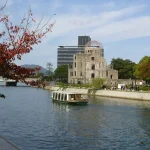
📷 Featured image by Launde Morel on Unsplash.