On this page
- Choosing Your Legal Status: Tourist Stay vs. Digital Nomad Visa
- Tax Residency and Health Insurance: The Rules That Catch People Out
- Housing Costs and Rental Logistics in Tokyo, Osaka, Kyoto and Fukuoka
- 2026 Monthly Budget Reality
- Setting Up Internet, Money and Admin in Your First Week
- Building a Work-Travel Rhythm That Actually Holds
- What Has Changed Since 2024
- Frequently Asked Questions
Plenty of people in 2026 plan to “work remotely from Japan” without checking whether their visa allows it. Others see apartment listings that demand a Japanese guarantor and give up. Japan can be a very good base for remote work, but it rewards people who sort out the paperwork before they land. This guide covers the logistics of living and working in Japan for 1 to 12 months, and how to still see the country while you do.
Choosing Your Legal Status: Tourist Stay vs. Digital Nomad Visa
You have two realistic paths for a stay of one to six months. Anything beyond six months needs a different visa category.
Option 1: Temporary Visitor Status (up to 90 days)
Citizens of many countries can enter Japan visa-free for 90 days or less. Officially, this status is for tourism, not for earning income in Japan. Many remote workers answer emails on this status, but it sits in a grey area. If your stay is short and you only do light, occasional work for an overseas employer, the risk is low in practice. If remote work is your main activity, it is not what the status was designed for.
Option 2: The Digital Nomad Visa (up to 6 months)
Japan launched its Designated Activities visa for digital nomads in 2024. It is still the cleanest legal route in 2026. The main requirements are:
- An annual income of at least ¥10,000,000 (about ¥833,000 per month), proven with tax documents or contracts.
- Work for a company or clients outside Japan.
- Private health insurance covering at least ¥10,000,000 for injury and illness.
- Citizenship in one of the eligible countries and regions, which have visa-waiver or tax arrangements with Japan. This list is mostly Western countries plus parts of Asia and Oceania, so check your own country on the Ministry of Foreign Affairs site.
You apply through a Japanese embassy or consulate before you travel. Processing times vary by location, so allow several weeks rather than a few days. The visa is not extendable. If you want another stay, you generally need to leave Japan for six months first. Spouses and children can apply for accompanying status.
Beyond Six Months
If you want to stay for 7 to 12 months, you would need another visa category. Options include a Specified Skilled Worker or Highly Skilled Professional visa, sponsorship by a Japanese employer, a student visa, or a working holiday visa if you are eligible by age and nationality. The nomad visa does not convert into any of these automatically.

Tax Residency and Health Insurance: The Rules That Catch People Out
This is the section most nomads skip, then regret.
Tax Residency
Many people talk about a “183-day rule”, and it does matter, mostly because many tax treaties use it as a benchmark for short-term work. Japan’s own domestic test is different. You become a tax resident if Japan is your domicile, or if you have lived here continuously for one year or more. A stay under six months is unlikely to make you a Japanese tax resident. But your home country may still treat you as its resident, and work you physically perform in Japan can count as Japan-source income under some circumstances.
Before you go, check three things: your home country’s residency rules, whether a tax treaty with Japan applies, and how your employer or clients pay you. A tax adviser who knows expat cases is worth the ¥20,000 to ¥50,000 for an initial consultation.
Health Insurance
Japan’s National Health Insurance (NHI) is generally for people who live in Japan on a residence card for more than three months. Short-term nomad visa holders usually do not qualify, which is why private insurance is mandatory for the visa. Expect these premiums:
- Budget: ¥8,000–¥15,000 per month for basic travel medical cover from a global insurer. Check that it meets the ¥10,000,000 requirement.
- Mid-range: ¥15,000–¥30,000 per month with outpatient cover and some dental.
- Comfortable: ¥30,000–¥50,000 per month, covering pre-existing conditions, evacuation, and international hospitals.
Without insurance, a Japanese clinic visit costs about ¥5,000–¥15,000 for a basic consultation. Hospital stays quickly run into hundreds of thousands of yen.
Housing Costs and Rental Logistics in Tokyo, Osaka, Kyoto and Fukuoka
A standard Japanese apartment lease is built for long-term residents. It often requires a guarantor, a deposit, and “key money” (a non-refundable gift to the landlord) that can add up to four or five months of rent up front. For a stay of under a year, that rarely makes sense. Instead, look at these three formats.
- Monthly furnished apartments: Fully equipped, with Wi-Fi and utilities included. No guarantor or key money. This is the most common choice for nomads.
- Share houses: A private room with shared kitchen and bathroom. Cheap, flexible, and often available from one month.
- Short-stay apartment hotels: Pricier per night but good for your first one or two weeks while you look for something longer.
Typical 2026 Monthly Costs
These are rough figures for a furnished one-room apartment (about 20–30 m²), unless noted.
- Tokyo: ¥90,000–¥180,000. Share house rooms start around ¥55,000–¥80,000.
- Osaka: ¥70,000–¥130,000. Share house rooms from ¥45,000–¥65,000.
- Kyoto: ¥70,000–¥140,000. Prices climb in spring and autumn, when tourism peaks.
- Fukuoka: ¥60,000–¥110,000. Share house rooms from ¥40,000–¥60,000.
Ask about cleaning fees and utility caps before you sign. Some “all-inclusive” monthly rentals charge extra once your electricity passes a set limit, which matters in July and August when air conditioning runs all day.
2026 Monthly Budget Reality
The nomad visa income threshold is ¥10,000,000 a year, but you do not need to spend anywhere near that. Here is what a month in Japan costs across three levels, excluding flights.
Budget: ¥220,000–¥300,000
A share house room or small furnished unit in Fukuoka or Osaka (¥50,000–¥80,000), groceries and convenience-store meals (¥40,000–¥55,000), local transport (¥8,000–¥12,000), a mobile data eSIM (¥2,500–¥4,000), insurance (¥10,000–¥15,000), plus a small leisure budget. Eating out at set-meal restaurants (teishoku) at ¥900–¥1,200 per meal keeps this tier realistic.
Mid-Range: ¥350,000–¥500,000
A private furnished apartment in Tokyo, Osaka, or Kyoto (¥90,000–¥150,000), a mix of cooking and restaurants (¥70,000–¥100,000), regular weekend trips by Shinkansen or local train (¥30,000–¥60,000), better insurance, and some spending on activities.
Comfortable: ¥550,000–¥800,000+
A larger apartment in central Tokyo (¥160,000–¥250,000), frequent dining out including ¥5,000–¥10,000 dinners, premium insurance, regular domestic flights or hotel stays on trips, and laundry and cleaning services.
Budget extra for the yen’s exchange rate. Even if Japan is cheaper than London or New York, prices for imported goods, fresh fruit, and Western-style groceries stay high.
Setting Up Internet, Money and Admin in Your First Week
Do these four things in your first days, in this order.
- Get connectivity before you land. An eSIM with 20–50 GB for 30 days costs about ¥2,000–¥4,500. A pocket Wi-Fi rental is about ¥1,000–¥1,500 per day for short stays, but it is cheaper to use an eSIM as a backup and rely on your rental’s fibre line as the main connection. Ask landlords to confirm the line speed in writing. For video calls, you want at least 100 Mbps down and a stable upload.
- Sort out payment. Cash is still widely used, especially at small restaurants and shrines. Add a Suica or Pasmo card to your phone wallet. For cash withdrawals, 7-Eleven and Japan Post ATMs accept most foreign cards. A multi-currency card helps you avoid high conversion fees on your overseas income.
- Register your address if required. If you receive a residence card, you must register your address at the local city office within 14 days. Ask your visa-issuing consulate or the Immigration Services Agency what applies to your status.
- Set up a Japanese phone number only if you need one. Some services, like delivery apps and clinics, require it. Voice-capable SIMs are available to tourists, but they can be harder to get without a residence card.
Building a Work-Travel Rhythm That Actually Holds
The hardest part of working from Japan is not the paperwork. It is that you are in a country you want to explore, with a job that still expects replies. A few structural choices make a big difference.
Manage the Time Zone
Japan Standard Time is UTC+9, with no daylight saving. For European clients, that means your afternoon meetings land in their morning, with a workable overlap of about 2–3 hours. For US East Coast teams, a call at 9 a.m. in New York is 10 or 11 p.m. in Japan. If you work with US teams, decide whether you shift your schedule later, or batch calls into two evenings per week and keep the rest asynchronous.
Use Weekends and Travel Days Wisely
Japan’s rail network makes weekend trips easy. A reserved Nozomi seat from Tokyo to Kyoto costs about ¥14,000, and Tokyo to Fukuoka (Hakata) around ¥23,000. On the Tokaido Shinkansen, you can reserve a seat in an S Work car with power outlets and Wi-Fi, which suits a short work block while you travel. Phone calls go in the dedicated booths, not at your seat. Still, plan your big calls for days you are settled in one place.
Time Your Trips Around Peak Periods
Golden Week (late April to early May), Obon (mid-August), and New Year all push prices up and fill trains. Book accommodation and seats well ahead for these periods, or stay put and work. Late May, June (outside rainy-season days), late September, and early November often give you better prices and calmer streets.
Protect One Experience Per Week
The nomads who enjoy Japan the most pick one fixed experience each week and treat it like a meeting. It might be an early walk along a quiet shrine path, when the air is cool and cedar scent hangs between the trees, or a late dinner at a counter where the grill smoke carries the smell of charred chicken skewers. When it is on the calendar, it happens. When it is “whenever work is done”, it often does not.
What Has Changed Since 2024
Several things are different from two years ago.
- The digital nomad visa exists. Before 2024, remote workers had no official category. Now there is a defined route, with income and insurance rules.
- The departure tax is rising. Japan’s international tourist tax is scheduled to rise from ¥1,000 to ¥3,000 from July 2026. It is usually included in your airfare, but check your ticket.
- Tax-free shopping is changing. The system is moving to a refund-based model during 2026, where you pay consumption tax at the till and claim it back when leaving. This affects larger purchases like electronics, so check how it applies before you buy a laptop or camera.
- Rail has expanded. The Hokuriku Shinkansen now reaches Tsuruga, making trips from Tokyo to Kanazawa and Fukui smoother. The Japan Rail Pass price rise from 2023 remains in effect, with the 7-day pass at ¥50,000, so for most nomads, single tickets or regional passes work out cheaper.
- Entry procedures are digital. Visit Japan Web lets you pre-register immigration and customs details. Japan also plans an electronic travel authorisation system for visa-exempt visitors in the coming years, so check the latest requirements before you fly.
Frequently Asked Questions
Can I work remotely in Japan on a tourist visa?
Officially, temporary visitor status is for tourism, not income-generating work in Japan. Many short-stay visitors check emails without problems, but regular remote work is a grey area. If you plan to work for several weeks or months, the digital nomad visa is the safer option if you qualify.
How much income do I need for Japan’s digital nomad visa?
You need to show an annual income of at least ¥10,000,000, roughly ¥833,000 per month. You also need private health insurance covering at least ¥10,000,000 and work for an employer or clients outside Japan. The visa lasts up to six months and cannot be extended.
How much does it cost to live in Japan as a digital nomad?
A budget month costs about ¥220,000–¥300,000 with a share house and home cooking. A mid-range lifestyle in Tokyo, Osaka, or Kyoto is ¥350,000–¥500,000. A comfortable month with a larger apartment and frequent dining out is ¥550,000–¥800,000 or more, excluding flights.
Will I pay Japanese tax if I stay six months?
Probably not as a Japanese resident, since Japan’s domestic test generally looks at domicile or a continuous stay of one year or more. But your home country may still tax you, and work done in Japan can be treated as Japan-source income in some cases. Speak to a tax adviser before you go.
Which Japanese city is cheapest for a long stay?
Fukuoka is usually the cheapest of the four main cities, with furnished apartments at ¥60,000–¥110,000 per month. Osaka comes next at ¥70,000–¥130,000, then Kyoto at ¥70,000–¥140,000. Tokyo is the most expensive at ¥90,000–¥180,000, though share houses reduce the gap.
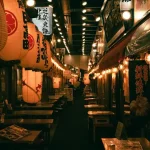
📷 Featured image by Sarmat Batagov on Unsplash.