On this page
- Why Chubu Deserves More Than a Stopover in 2026
- The Character of Chubu — What Kind of Region Is This?
- Best Places to Visit in Chubu
- Eating and Drinking Across Chubu
- Getting Around Chubu
- Day Trips and Multi-Day Loops
- Nightlife and After-Dark Life in Chubu
- Shopping in Chubu
- Where to Stay in Chubu
- Best Time to Visit Chubu
- Practical Tips for 2026
- 2026 Budget Breakdown — What Chubu Actually Costs
- Frequently Asked Questions
💰 Click here to see Japan Budget Breakdown
💰 Prices updated: October, 2026. Budget figures are estimates — always verify before travel.
Exchange Rate: $1 USD = ¥157.00
Daily Budget (per person)
Shoestring: ¥8,000 – ¥15,000 ($50.96 – $95.54)
Mid-range: ¥18,000 – ¥35,000 ($114.65 – $222.93)
Comfortable: ¥45,000 – ¥80,000 ($286.62 – $509.55)
Accommodation (per night)
Hostel/guesthouse: ¥2,500 – ¥6,000 ($15.92 – $38.22)
Mid-range hotel: ¥10,000 – ¥20,000 ($63.69 – $127.39)
Food (per meal)
Budget meal: ¥800.00 ($5.10)
Mid-range meal: ¥2,500.00 ($15.92)
Upscale meal: ¥20,000.00 ($127.39)
Transport
Single metro/bus trip: ¥250.00 ($1.59)
Monthly transport pass: ¥30,000.00 ($191.08)
Why Chubu Deserves More Than a Stopover in 2026
Most travelers passing through central Honshu in 2026 are still treating Chubu as a corridor — a region you cross on the Shinkansen between Tokyo and Kyoto without looking up from your phone. That’s a mistake. Chubu contains some of Japan‘s most dramatic landscapes, most intact historic architecture, and most distinctive regional food. The problem isn’t that people don’t know about Shirakawa-go or Takayama — they do. The problem is that after the post-pandemic surge, visitor numbers to the Japanese Alps corridor reached saturation point, and in response, local authorities began implementing timed entry systems, visitor caps at certain gassho-zukuri farmhouses, and stricter rules around photography on private property. If you’re planning Chubu in 2026, you need current information, not content recycled from 2019. This guide covers everything you need to do this region properly — from the best ramen stalls in Kanazawa’s shotengai to getting the most out of the Tateyama Kurobe Alpine Route before it fills up by 9am.
The Character of Chubu — What Kind of Region Is This?
Chubu (中部) covers a wide belt across central Japan, stretching from the Sea of Japan coast on the west to the Pacific on the east. At its heart sit the Northern Alps — the Hida and Kiso mountain ranges — which divide the region into distinct climatic and cultural zones. The Japan Sea side (Hokuriku) gets buried in winter snow and produces extraordinary seafood and sake. The Pacific side holds industrial Nagoya, the region’s largest city, alongside the craft-brewing hills of Nagano. The mountain interior is where the iconic imagery lives: steep-roofed farmhouses, cedar forests, river valleys that fog over at dawn, and onsen towns where the buildings haven’t changed in a century.
What makes Chubu distinct from other Japanese regions is the density of UNESCO-listed, nationally preserved, and historically intact places within a relatively compact travel area. You can stand in a Edo-period merchant street in the morning and be looking at 3,000-metre peaks by afternoon. That contrast — the deeply human scale of its historic towns set against genuinely wild alpine terrain — is what keeps serious travelers coming back.
Best Places to Visit in Chubu
This region is large enough that you need to be selective. These are the destinations that genuinely reward the effort of getting here.
Takayama (高山)
Often called “Little Kyoto of the Alps,” Takayama’s Sanmachi Suji historic district is a well-preserved grid of Edo-period merchant houses, sake breweries, and craft shops. Unlike actual Kyoto, the crowds here are manageable outside of festival weeks. The morning markets — Jinya-mae Asa-ichi and Miyagawa Asa-ichi — run daily from around 7:00 to noon and sell local vegetables, pickles, and handmade goods along the riverside. The cedar sake balls (sugi-dama) hanging outside the old breweries are still the best visual shorthand for what this town is about.
Shirakawa-go (白川郷)
The UNESCO-listed village of Ogimachi in Shirakawa-go is the most photographed place in Chubu for good reason — the gassho-zukuri farmhouses with their steep thatched roofs look like something that shouldn’t exist outside of a storybook illustration. The village is entirely real and partially inhabited. The best views come from the Shiroyama Viewpoint, a ten-minute walk up a hill from the main parking area. Arrive before 8:30am to see the morning mist sitting in the valley below the farmhouses before the tour buses arrive. That specific combination of mist, thatch, and mountain backdrop is one of those moments that doesn’t photograph as well as it actually feels.

Matsumoto (松本)
Matsumoto owns one of Japan’s finest original castles — a six-storey black-and-white structure that dates from the late 16th century. Unlike many Japanese castles rebuilt in concrete after WWII, Matsumoto-jo is the real thing: narrow wooden staircases, cramped upper floors, and original stone walls. The city around it has developed into one of central Japan’s better mid-size urban destinations, with a strong craft sake scene, an excellent jazz culture, and a walkable downtown that rewards aimless exploring.
Kanazawa (金沢)
Kanazawa escaped WWII bombing almost entirely, which means its geisha districts (Higashi Chaya and Nishi Chaya), samurai residential neighborhoods, and Kenroku-en garden are genuinely old. Kenroku-en is consistently ranked among Japan’s top three landscape gardens, and in winter, the rope-supported snow-covered pines (yukitsuri) are extraordinary — a sight that makes the freezing January temperatures almost worth it. The 2024 Noto Peninsula earthquake affected the wider Ishikawa Prefecture significantly, and by 2026 the recovery of Kanazawa itself has been largely complete, though some rural areas of the Noto Peninsula still show impacts.
The Tateyama Kurobe Alpine Route (立山黒部アルペンルート)
This high-altitude crossing between Toyama and Nagano prefectures is one of Japan’s most spectacular engineering achievements and most dramatic seasonal experiences. The route involves a combination of cable car, trolley bus, ropeway, and regular bus to cross the 2,450-metre Murodo plateau. When the snow corridor walls — sometimes reaching 20 metres high — are open from mid-April to late June, the effect of walking between vertical walls of carved snow under blue sky is genuinely surreal. In 2026, the route reopened fully for the season from April 15th. Advance online booking for the main April–May snow corridor period is strongly recommended.
Nagoya (名古屋)
Japan’s fourth-largest city often gets dismissed as purely industrial, which ignores its distinct food culture, the outstanding Tokugawa Art Museum, a beautifully reconstructed castle, and easy access to Inuyama, one of Japan’s few remaining original-construction castles. Nagoya is also the main transport hub for the eastern half of Chubu, and the Tokaido Shinkansen stops here on the Tokyo–Kyoto–Osaka route.

Eating and Drinking Across Chubu
Chubu’s food scene is radically different depending on which part of the region you’re in, which is one of its underappreciated strengths.
Takayama’s Morning Markets and Sake Streets
The Miyagawa Asa-ichi market along the east bank of the Miyagawa River is the best morning eating walk in the region. Vendors sell hoba miso (miso paste grilled on magnolia leaves), mitarashi dango on wooden skewers, and fresh pickled vegetables. For lunch, the covered shotengai arcades behind the morning market have several small counter-seat shops serving Hida beef over rice. The sake district along Sanmachi Suji has five operating breweries, and most offer free tasting of their current season’s nama-zake (unpasteurized sake) in tiny ceramic cups.
Kanazawa’s Omicho Market
Omicho Ichiba (近江町市場) is a covered market of around 170 shops that has been operating since the Edo period. In 2026, it gets busy by 10am, so arriving at 8:30 for breakfast sushi at one of the market’s counter restaurants puts you ahead of the rush. The catch here leans heavily on Sea of Japan seafood — snow crab, yellowtail (buri), and sweet shrimp (ama-ebi) — which is notably different from Pacific-side fish markets. The alley leading from the market’s north exit into the Musashi-ga-tsuji area has several standing-bar izakayas that open for lunch service.
Nagoya’s Covered Arcade Food Spots
Nagoya’s Osu Kannon district is a dense, old-fashioned shotengai where covered shopping arcades connect temples, secondhand clothing shops, and cheap eating counters. Look for small shops selling kishimen (flat udon noodles), tebasaki (crispy spiced chicken wings sold by the five-piece set), and ogura toast (thick bread topped with red bean paste and butter). The Yabachō and Osu 3-chome sections of the arcade have the most concentrated food options per block.

Matsumoto’s Izakaya Belt
The area around Matsumoto station’s east exit has a compact cluster of izakayas that do strong regional craft sake alongside horse meat sashimi (basashi), which is a local specialty across Nagano Prefecture. By 6pm on weekdays the counter seats fill quickly — arriving just before opening (typically 5:30–6:00pm) guarantees a spot without a reservation.
Getting Around Chubu
Chubu’s geography makes transport planning non-negotiable. The Alps divide the region into sections that can’t always be connected by a single train line.
JR Lines and the Japan Rail Pass in 2026
The Japan Rail Pass is still valid across the major JR lines in Chubu: the Tokaido Shinkansen (Tokyo–Nagoya), the Hokuriku Shinkansen (Kanazawa–Tsuruga section, extended to Tsuruga in March 2024, with the full Tsuruga–Shin-Osaka extension under construction and not yet complete as of 2026), and the JR Chuo Line connecting Nagoya to Matsumoto. The 7-day JR Pass in 2026 costs approximately ¥50,000 for ordinary class. Whether it pays off depends entirely on your specific route — calculate your expected individual ticket costs before purchasing.
The Nohi Bus (濃飛バス) — Essential for the Mountain Interior
Train lines do not reach Takayama’s deeper hinterland or Shirakawa-go. The Nohi Bus connects Takayama to Shirakawa-go (approximately 50 minutes, ¥2,600 one way), Shirakawa-go to Kanazawa (approximately 75 minutes, ¥3,500 one way), and Takayama to Matsumoto (approximately 2 hours 15 minutes, ¥3,200 one way). This is the core transport spine of the mountain region. Book ahead for the April–May and October–November peak periods — these buses sell out.
IC Cards
Suica and Pasmo work across metro and JR systems in Nagoya, Kanazawa, and Matsumoto for local transit. However, the rural buses serving Shirakawa-go and many onsen-town routes do not accept IC cards — carry cash. In 2026, the Mobile Suica app update allows foreign-issued Visa and Mastercard to be added directly from outside Japan, which solves the previous issue of needing a Japanese bank account to top up digitally.

Car Rental
For the mountain interior specifically — connecting Takayama, Shirakawa-go, and the Noto Peninsula — a rental car from Takayama or Matsumoto genuinely opens up destinations that are otherwise time-consuming on public transport. International driving permits (IDP) from most countries are accepted. The expressway tolls between Takayama and Kanazawa run approximately ¥3,500 each way for a standard vehicle.
Day Trips and Multi-Day Loops
Chubu is best understood as a loop rather than a series of out-and-back trips. These are the most practical configurations.
The Classic Golden Route Loop (4–5 days)
Start in Nagoya → Takayama by JR Hida Limited Express (2 hours 20 minutes, ¥5,500) → Shirakawa-go by Nohi Bus → Kanazawa by Nohi Bus → return to Osaka or Tokyo via Hokuriku Shinkansen. This is the most popular Chubu circuit and handles smoothly with advance bus bookings.
Matsumoto–Alpine Route–Toyama (2–3 days)
Take the JR Chuo Line from Nagoya or Tokyo to Matsumoto, spend a day in the city, then cross the Tateyama Kurobe Alpine Route to Toyama, and connect to Kanazawa by Hokuriku Shinkansen (23 minutes, ¥1,750). This is the most scenically intense two-to-three-day itinerary in the region.
Nagoya to Inuyama (Half Day)
Inuyama city, 30 kilometres north of Nagoya, holds one of Japan’s twelve remaining original-construction castles overlooking the Kiso River. Meitetsu Line from Nagoya’s Meitetsu station takes 28 minutes (¥680). The castle is small enough to visit thoroughly in two hours, leaving time for the Urakuen tea garden nearby.
Kanazawa to the Noto Peninsula (Full Day)

By 2026, public bus services on the Noto Peninsula have been partially restored following earthquake damage, though the northern tip of the peninsula remains difficult to access without a car. From Kanazawa, the Noto Satoyama Kaido express bus reaches Wajima (famous for its lacquerware morning market) in approximately 2 hours (¥2,100). Check current service schedules, as restoration has been phased.
Nightlife and After-Dark Life in Chubu
Chubu is not a nightlife destination in the way Tokyo or Osaka is. What it does offer is more intimate, more regional, and often more interesting if you know where to look.
Takayama’s Lantern-Lit Sake Alleys
After 6pm, the Sanmachi Suji historic district empties of daytime tourists and the lanterns along the sake brewery walls cast a warm amber light over the cobblestones. Several small izakayas and sake bars open specifically for evening service in the old district — look for the cloth noren hanging in doorways. These are counter-seat places seating eight to twelve people, typically run by a single owner who pours regional craft sake and brings out small plates of Hida mountain vegetables. Reservations are rarely needed, but the locals fill these quickly after 7pm.
Kanazawa’s Higashi Chaya Evening
The Higashi Chaya geisha district is more atmospheric at night than during the daytime tour rush. Several tea-house buildings now operate as private sake bars or jazz cafes after 8pm. The approach street from Hashiba-cho is narrow enough that you can smell the wood of the old buildings as you walk. The wider Katamachi area, a ten-minute walk south, is Kanazawa’s main bar and restaurant district — multiple floors of izakayas and craft beer bars in a compact grid.
Nagoya’s Sakae District
Sakae is Nagoya’s main entertainment district. It’s dense, loud, and modern in a way that nothing else in Chubu is. Neon-lit vertical bar buildings, live music venues, rooftop beer gardens (open May through October), and a cluster of standing bars around the Yaba-cho subway station area keep the district active until 2–3am on weekends.

Shopping in Chubu
The region’s craft production is genuinely world-class in several categories, and the shopping is best approached as buying directly from producers or specialist stores rather than souvenir shops.
Wajima Lacquerware (輪島塗)
Wajima on the Noto Peninsula produces some of Japan’s finest urushi lacquerware. Even with the earthquake recovery ongoing, several Wajima lacquer workshops and the Wajima Kiriko Festival grounds-area shops have resumed operations by 2026. Prices for authentic Wajima-nuri start at around ¥8,000 for a single small bowl and rise steeply for multi-stage layered pieces. Kanazawa’s Higashi Chaya area also has reputable lacquerware dealers who stock Wajima pieces.
Takayama’s Craft Shops Along Sanmachi Suji
The old merchant street has shops selling Hida Folk Crafts (sarubobo cloth dolls, wooden kokeshi figures), handmade Japanese paper, locally made pottery, and Hida spring water sake in ceramic bottles. Prices are fair relative to equivalent craft quality in Kyoto. The best individual shop for folk craft variety is around the Kami-Sanno-machi section of the street.
Kanazawa’s Kenroku-en Surrounding Streets
The streets running south from Kenroku-en toward Katamachi are lined with Kanazawa-specific craft shops: Kaga Yuzen silk-dyeing pieces, Kutani porcelain (bold coloured ceramics from the Kaga district), and gold leaf products — Kanazawa produces over 98% of Japan’s gold leaf output. Gold leaf cosmetics, edible gold for topping soft-serve ice cream, and gold-leaf-covered wooden boxes are all available here at prices lower than you’d pay for the same items in Kyoto souvenir shops.
Matsumoto’s Old Town Antiques
Nawate-dori, the frog-themed street running along the Metoba River near Matsumoto castle, has a small cluster of antique and vintage shops alongside craft stores. Saturday mornings occasionally see a small flea market setup near the Yohashira Shrine. It’s not large, but the mix of old folk craft items, ceramic seconds, and vintage textiles is authentically local rather than tourist-oriented.

Where to Stay in Chubu
Accommodation strategy in Chubu matters more than in a city-focused trip, because staying in the wrong place can add hours of daily transit.
Budget Tier (¥4,000–¥9,000 per person)
Hostels and guesthouses in Takayama and Matsumoto represent the best budget options in the mountain interior. Several converted machiya townhouses in Takayama’s historic district offer dormitory and private rooms at ¥5,000–¥8,000 per night. In Kanazawa, the area around Kanazawa Station has multiple business hotel options under ¥8,000 per room. Nagoya has the widest range of budget accommodation, with capsule hotels in Sakae and Nishiki for ¥3,500–¥5,000 per night.
Mid-Range Tier (¥10,000–¥22,000 per room)
Mid-range ryokan (Japanese inn) with breakfast and dinner (two meals, known as nippaku nishoku) in Takayama’s Higashiyama temple district or along the Miyagawa River runs ¥15,000–¥22,000 per person. This typically includes an in-room or shared rotenburo (outdoor hot spring bath). In Matsumoto, western-style business hotels near the castle or station run ¥10,000–¥16,000 for a double room. Kanazawa’s Higashiyama and Nishi Chaya districts have boutique ryokan in this range with strong character.
Comfortable/Luxury Tier (¥25,000+ per person)
The high-end onsen ryokan in and around Takayama, particularly those along the Okuhida Onsen-go area (approximately 20 kilometres from central Takayama), include outdoor baths with direct mountain views and full kaiseki dinner service. Expect ¥30,000–¥60,000 per person per night with two meals included. In Kanazawa, the converted traditional machiya guesthouses in the geisha district with private baths and personal service run ¥35,000–¥50,000 per room. These book out months ahead during autumn foliage and New Year periods.
Best Time to Visit Chubu

No other major Japanese region shifts as dramatically between seasons as Chubu, and the crowd dynamics have changed noticeably since 2024.
Spring (April–May)
Cherry blossoms in Takayama’s Higashiyama temple walk hit typically in mid-April. The Takayama Spring Festival (Sanno Matsuri) runs April 14–15 and is one of Japan’s three great festivals — the floats (yatai) that appear are UNESCO-listed and extraordinary. The Alpine Route opens in mid-April with maximum snow corridor heights. This is peak season — accommodation sells out months ahead.
Summer (June–August)
The mountain interior stays pleasantly cool at altitude even during Japan’s humid summer, making Takayama and Matsumoto comfortable alternatives to sweltering coastal cities. The Nohi highland plateau north of Takayama blooms with wildflowers in July. Kanazawa’s summer festivals include the Hyakumangoku Matsuri in early June, which fills the city’s main streets with processions.
Autumn (October–November)
Peak season for the region. Shirakawa-go’s illumination events in late October and November are heavily subscribed under the 2026 timed-entry system. Kenroku-en in Kanazawa begins its yukitsuri pine-rope preparations in November, which is a spectacle in itself. Foliage across the mountain passes peaks typically in late October. This is the most expensive and most difficult period to book — plan at least three months ahead.
Winter (December–March)
Shirakawa-go under snow is genuinely one of Japan’s iconic winter images. January and February evening illumination events are popular but now ticketed and capacity-limited. Onsen ryokan experiences are at their most atmospheric in winter. Travel requires more planning — some mountain roads close, and bus frequency drops on certain routes. Ski areas around Nagano (within Chubu’s eastern edge) operate December through March.
Shoulder Seasons (March, June–July, September)
March before the cherry blossoms and September after summer heat but before peak autumn colour are the smartest visiting windows in 2026. Crowds are substantially lower, accommodation prices drop 20–40% from peak rates, and the landscape is still green and beautiful. The September light in the Japanese Alps — clear, golden, at lower sun angles — is exceptional for photography.

Practical Tips for 2026
- Overtourism rules: Beyond Shirakawa-go’s timed entry, Takayama’s Sanmachi Suji has implemented a no-eating-while-walking rule enforced by signage and volunteer staff. Respecting this is both courteous and avoids the small fine that can now be issued in repeat cases.
- Cash: Rural Chubu runs substantially on cash. Konbini ATMs (7-Eleven, Lawson) accept international cards and are the most reliable cash access points. Carry at least ¥10,000 in notes when heading to mountain villages.
- Language: English signage is good in Takayama, Kanazawa, and Matsumoto tourist areas, and reasonable on major transport. Off the tourist circuit — rural bus stops, small ryokan, local izakayas — Japanese is the operating language. Google Translate’s camera function handles most situations.
- SIM cards: Pocket Wi-Fi and physical data SIM cards can be picked up at Nagoya Chubu Centrair Airport or Nagoya Station’s travel shops. In 2026, eSIM registration for visitors has been streamlined — IIJmio and AEON Mobile both offer direct eSIM purchase via English-language apps without a Japanese address requirement.
- Safety: Chubu is extremely safe by any international standard. The main practical safety concern is mountain weather — altitude changes fast, and summer afternoon thunderstorms are common above 2,000 metres. If you’re hiking on the Alpine Route or the Northern Alps trails, carry a lightweight waterproof shell regardless of the morning forecast.
- Tipping: Not practiced in Japan. Leaving a tip will cause confusion and mild awkwardness. Express appreciation verbally — oishikatta desu (it was delicious) or arigatou gozaimashita (thank you very much) are always appropriate.
2026 Budget Breakdown — What Chubu Actually Costs
These are realistic daily costs per person based on 2026 pricing, including accommodation, food, transport, and entry fees.
Budget Traveler: ¥8,000–¥14,000 per day
- Hostel dorm or budget guesthouse: ¥4,500–¥7,000
- Meals (convenience store breakfast, ramen lunch, izakaya set dinner): ¥2,500–¥4,000
- Local transport (buses, IC card trips): ¥800–¥2,000
- Attraction entry (one paid site, e.g. Matsumoto Castle ¥700): ¥500–¥1,000
Mid-Range Traveler: ¥20,000–¥35,000 per day
- Mid-range ryokan or business hotel: ¥12,000–¥18,000
- Meals (market breakfast, restaurant lunch, sit-down dinner): ¥5,000–¥8,000
- Transport including Nohi Bus routes: ¥2,000–¥4,000
- Attractions, sake tastings, craft purchases: ¥2,000–¥5,000
Comfortable Traveler: ¥50,000–¥90,000+ per day
- Onsen ryokan with two meals (kaiseki dinner, Japanese breakfast): ¥30,000–¥60,000 per person
- Private transport (taxi, rental car with expressway tolls): ¥8,000–¥15,000
- Premium experiences (Wajima lacquerware purchase, Tateyama Route full crossing): ¥5,000–¥15,000
- Sake, craft beer, fine dining additions: ¥5,000–¥10,000
Frequently Asked Questions
How many days do you need for the Chubu region?
A minimum of five days covers the core circuit: Takayama, Shirakawa-go, Kanazawa, and one mountain experience like the Tateyama Alpine Route or Matsumoto Castle. Seven to nine days lets you move more slowly, add the Noto Peninsula, and include an onsen ryokan night in Okuhida. Rushing the region in three days means skipping too much.
Is the Japan Rail Pass worth it for a Chubu trip?
It depends on your route. If you’re flying into Tokyo and out of Osaka (or vice versa) and including Chubu, the 7-day JR Pass at around ¥50,000 can justify itself with Shinkansen plus the JR Hida Limited Express to Takayama. However, the Nohi Bus routes — essential for Shirakawa-go — are not covered. Always calculate individual fares against the pass price for your specific itinerary.
What is the best base for exploring Chubu?
Takayama is the best single base for the mountain interior — it sits at the centre of the most essential Chubu destinations and has excellent accommodation across all budget tiers. Kanazawa works better as a western base with Sea of Japan access. Nagoya is the practical transport hub but feels disconnected from the alpine character of the region.
Is Shirakawa-go worth visiting in 2026 despite the crowds?
Yes, but only if you use the timed-entry system properly and arrive early. The village before 9am on a weekday — mist in the valley, smoke rising from the farmhouse vents, almost nobody else on the footpaths — is as atmospheric as any destination in Japan. The midday crush when tour groups arrive is a different experience entirely. Time your visit right and it remains exceptional.
Can you visit Chubu in winter, and is it practical?
Yes, and winter has specific experiences available nowhere else — Shirakawa-go under snow, yukitsuri pines in Kanazawa’s Kenroku-en, and onsen ryokan immersion during actual cold weather. Practical considerations: carry snow-appropriate footwear (the mountain village streets get icy), check bus schedules in advance as service frequency drops, and book accommodation far ahead because winter ryokan demand is high despite the season being off-peak for some travelers.
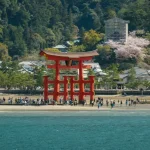
📷 Featured image by HANVIN CHEONG on Unsplash.