On this page
- Sapporo’s Urban Pulse and Food Scene
- Natural Hot Springs and Winter Sports
- Hokkaido’s Coastal Beauty and Maritime Adventures
- Agricultural Experiences and Local Food Production
- Cultural Sites and Indigenous Heritage
- Seasonal Festivals and Events Calendar
- Transportation Between Hokkaido’s Regions
- Budget Planning for Your Hokkaido Adventure
- Frequently Asked Questions
💰 Click here to see Japan Budget Breakdown
💰 Prices updated: October, 2026. Budget figures are estimates — always verify before travel.
Exchange Rate: $1 USD = ¥157.00
Daily Budget (per person)
Shoestring: ¥8,000 – ¥15,000 ($50.96 – $95.54)
Mid-range: ¥18,000 – ¥35,000 ($114.65 – $222.93)
Comfortable: ¥45,000 – ¥80,000 ($286.62 – $509.55)
Accommodation (per night)
Hostel/guesthouse: ¥2,500 – ¥6,000 ($15.92 – $38.22)
Mid-range hotel: ¥10,000 – ¥20,000 ($63.69 – $127.39)
Food (per meal)
Budget meal: ¥800.00 ($5.10)
Mid-range meal: ¥2,500.00 ($15.92)
Upscale meal: ¥20,000.00 ($127.39)
Transport
Single metro/bus trip: ¥250.00 ($1.59)
Monthly transport pass: ¥30,000.00 ($191.08)
Planning a trip to Hokkaido in 2026 means navigating Japan’s most diverse prefecture, where pristine wilderness meets modern cities and world-class powder snow sits alongside vibrant summer flower fields. With the Hokkaido Shinkansen now fully integrated into JR Pass coverage and new direct flights from Southeast Asia, getting here has never been easier — but deciding what to prioritize across this massive island remains a delightful challenge.
Sapporo’s Urban Pulse and Food Scene
Sapporo anchors Hokkaido’s urban experience with a manageable downtown core that you can explore on foot. The Susukino entertainment district comes alive after dark, where narrow alleys packed with yakitori stands and craft beer bars create an intimate drinking culture distinct from Tokyo’s massive izakaya chains. The aroma of miso ramen broth simmering at Ramen Yokocho fills the air even on sub-zero winter nights, while the gentle hiss of beer taps at Sapporo Beer Garden creates a convivial atmosphere perfect for trying Genghis Khan grilled lamb.
Odori Park stretches through the city center like a green spine, transforming with each season from snow sculpture gallery in February to beer garden paradise in summer. The underground shopping network beneath Sapporo Station connects major hotels and department stores, making winter navigation comfortable when temperatures drop below -10°C.
The morning seafood auctions at Nijo Market showcase Hokkaido’s legendary crab, sea urchin, and salmon. Arrive by 6:30 AM to watch vendors arrange their displays before the breakfast crowds arrive. The covered market halls maintain a comfortable temperature year-round, making this a perfect winter morning activity.
Natural Hot Springs and Winter Sports
Hokkaido’s onsen culture centers around natural volcanic activity that creates mineral-rich hot springs throughout the island. Noboribetsu offers the most diverse hot spring chemistry, with nine different water types including sulfur springs that maintain 40-45°C temperatures year-round. The outdoor rotenburo baths at Dai-ichi Takimotokan provide a surreal experience of soaking in steaming water while snow falls around you.

Niseko has evolved into Asia’s premier powder skiing destination, attracting international skiers to its four interconnected resorts. The village maintains a distinctly Japanese character despite international popularity, with traditional ryokan alongside modern ski lodges. Snowfall here averages 15 meters annually, creating consistently deep powder from December through April.
Rusutsu Resort offers a more family-friendly alternative with gentler slopes and an impressive indoor amusement park. The resort’s hot spring facility overlooks the ski runs, allowing you to watch other skiers while relaxing in mineral waters.
For non-skiers, snowshoeing trails around Lake Shikotsu provide access to ice-covered waterfalls and frozen forest landscapes. The lake’s caldron shape prevents complete freezing, creating dramatic ice formations along the shoreline throughout winter.
Hokkaido’s Coastal Beauty and Maritime Adventures
The Shakotan Peninsula delivers some of Japan’s most dramatic coastal scenery, with cobalt-blue waters that rival Mediterranean destinations. Cape Kamui offers panoramic views across the Sea of Japan, while the hiking trail to the lighthouse takes you through windswept grasslands dotted with wild flowers from June through September.
Shiretoko National Park protects one of the world’s most pristine marine ecosystems, where you can spot brown bears fishing for salmon from tour boats operating between April and October. The drift ice season from January to March brings Steller’s sea eagles and ringed seals close to shore, creating unique wildlife viewing opportunities available nowhere else in Japan.
Fishing charters from Hakodate target salmon, flounder, and cod depending on the season. Morning departures at 5:00 AM maximize your chances of significant catches, while evening tours focus on crab trapping experiences. The boats provide all equipment and cooking facilities to prepare your catch on deck.

Rebun Island’s alpine flowers bloom from May through August, creating hiking trails through meadows of rare arctic plants. The three-hour hiking course from Sukoton Cape to Sukai Coast passes through eight distinct flower zones, each supporting different species adapted to maritime mountain conditions.
Agricultural Experiences and Local Food Production
Hokkaido produces 90% of Japan’s potatoes and hosts working farms that welcome visitors to participate in seasonal harvesting. Furano’s lavender farms expand beyond the purple fields to include wheat, corn, and melon cultivation that you can experience hands-on from May through October.
The Tokachi region specializes in dairy farming, where you can milk cows, churn butter, and taste fresh cream at farms like Rokkatei Chocolate Factory’s production facility. The chocolate-making process tours show how Hokkaido milk creates the distinctive taste profile of Japan’s most popular regional sweets.
Yubari’s melon farms offer the ultimate luxury fruit experience, where a single cantaloupe can cost ¥10,000 or more. Farm visits during July and August include tasting sessions that demonstrate why these melons command premium prices at Tokyo department stores.
Sea urchin harvesting experiences along the Rishiri Island coast teach traditional diving techniques while providing access to the freshest uni available anywhere. The water temperature stays around 15°C even in summer, requiring provided wetsuits for comfortable harvesting sessions.
Cultural Sites and Indigenous Heritage
The Ainu culture predates Japanese settlement by thousands of years, and modern Hokkaido maintains several cultural centers where you can learn traditional crafts and customs. The Akan Ainu Living Memorial displays working examples of traditional fishing and hunting techniques, while artisans demonstrate wood carving and textile weaving using pre-industrial methods.
Shiraoi Ainu Museum features reconstructed traditional villages alongside contemporary Ainu art galleries. The dance performances occur three times daily and include audience participation sections where you learn basic Ainu songs and movements.

Historical sites from the Meiji period showcase Japan’s rapid westernization efforts in Hokkaido. The Sapporo Clock Tower and Former Hokkaido Government Office Building represent early attempts to blend Japanese administration with Western architectural styles.
Russian influences appear throughout eastern Hokkaido, where Orthodox churches and Cyrillic signage reflect the complex border history. The Nemuro Peninsula’s abandoned military installations provide insight into Japan’s northern defense strategies during the 20th century.
Seasonal Festivals and Events Calendar
The Sapporo Snow Festival transforms the city every February, but 2026 brings expanded international participation with ice sculptors from Nordic countries creating collaborative installations. The festival now spans three weeks instead of one, reducing crowding while extending the economic impact.
Summer festivals focus on Hokkaido’s agricultural abundance, with the Furano Lavender Festival running from late June through early August. Evening illuminations extend viewing hours, while food stalls serve lavender-flavored soft serve, honey, and craft beer.
The Yosakoi Soran Festival in June fills Sapporo’s streets with dance teams performing energetic choreography that blends traditional Japanese movements with contemporary music. Teams come from across Asia to compete in this uniquely Hokkaido celebration.
Autumn festivals celebrate the harvest season, particularly the Chitose Wine Festival in September, where local wineries showcase varieties grown in Hokkaido’s cool climate. The festival includes vineyard tours and wine-pairing dinners featuring local seafood and vegetables.
Transportation Between Hokkaido’s Regions
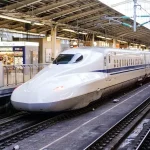
The JR Hokkaido network connects major cities efficiently, with the limited express trains offering reserved seating and onboard refreshment services. The Super Ozora connects Sapporo to Kushiro in 4.5 hours, while the Super Kamui reaches Asahikawa in 1.5 hours.
Rental car driving opens access to remote hot springs and scenic coastal routes that public transportation cannot reach. Highway tolls remain reasonable, with the Doto Expressway costing about ¥2,000 from Sapporo to Kushiro. Winter driving requires snow tire rental (included in most winter packages) and basic snow driving knowledge.

Domestic flights between New Chitose Airport and regional airports like Kushiro and Memanbetsu take 45-60 minutes and cost ¥8,000-12,000 depending on booking timing. These flights save significant time when visiting eastern Hokkaido’s national parks.
Local bus networks serve tourist destinations with seasonal schedules that expand during summer months. The Akan Bus network provides access to Akan National Park’s hiking trails and hot springs, while Sounkyo buses reach ice climbing areas and summer hiking trailheads.
Budget Planning for Your Hokkaido Adventure
Budget accommodation options include business hotels around ¥6,000-8,000 per night in Sapporo, while hostel dormitories cost ¥2,500-3,500. These provide basic comfort with shared bathrooms and common areas for meeting other travelers.
Mid-range travelers can expect to spend ¥12,000-18,000 per night for hotels with private bathrooms and breakfast included. Resort areas like Niseko and Lake Toya command premium prices during peak seasons, with rates increasing 50-100% during winter sports season and summer flower blooming periods.
Luxury ryokan with private onsen baths and kaiseki dinner service range from ¥25,000-45,000 per night. These properties often include transportation from major stations and provide cultural experiences like tea ceremony or traditional crafts workshops.
Daily food budgets vary dramatically based on your approach to Hokkaido’s famous ingredients. Convenience store meals and ramen shops keep costs around ¥2,000-3,000 per day, while restaurant meals featuring local crab, wagyu beef, and premium melons can reach ¥8,000-12,000 per dinner. Market halls offer middle-ground options with fresh seafood rice bowls around ¥1,500-2,500.
Activity costs include ski lift tickets at ¥5,000-6,000 per day, guided wildlife tours at ¥8,000-12,000, and farm experiences at ¥3,000-5,000 per person. National park entry fees remain minimal at ¥200-500, though some hiking areas require guide services that cost ¥6,000-10,000 per day.

Frequently Asked Questions
When is the best time to visit Hokkaido?
Winter (December-March) offers world-class skiing and snow festivals, while summer (June-August) provides comfortable temperatures, blooming flowers, and accessible hiking. Avoid late spring when snow melts create muddy conditions.
Do I need a rental car in Hokkaido?
Public transportation covers major cities and tourist destinations adequately, but rental cars provide access to remote hot springs, scenic drives, and flexible scheduling. Winter driving requires snow tire experience.
How many days should I spend in Hokkaido?
A minimum of 5-7 days allows you to experience Sapporo, one ski resort or national park, and regional specialties. Two weeks enables thorough exploration of multiple regions and seasonal activities.
What makes Hokkaido food different from other regions?
Hokkaido’s cold climate and volcanic soil produce exceptional dairy products, seafood, and agricultural crops. The region pioneered ramen styles and chocolate production that remain unavailable elsewhere in Japan.
Is Hokkaido expensive compared to mainland Japan?
Accommodation and dining costs exceed Tokyo prices during peak seasons, but budget options exist year-round. Transportation costs remain reasonable with JR Pass coverage, while many outdoor activities provide exceptional value.
Explore more
When is the Best Time to Visit Hokkaido?
Hokkaido Winter Guide: Best Things to Do in Japan’s Snow Paradise
The Best Things to Do in Hokkaido: A Complete Guide for Every Season