On this page
- Tokyo Changes Personality Every Season
- Best Neighborhoods for Each Season
- Top Attractions and Highlights, Timed Right
- Food and Drink: Where to Eat Each Season
- Getting Around: Seasonal Transport Problems and Fixes
- Day Trips by Season
- Nightlife and Entertainment Through the Year
- Shopping: The Sale Calendar and 2026 Tax Changes
- Accommodation Areas and Booking Windows
- Best Time to Visit: Season-by-Season Verdict
- Practical Tips for Any Season
- Budget Breakdown: Daily Costs by Tier and Season
- Frequently Asked Questions
💰 Click here to see Japan Budget Breakdown
💰 Prices updated: November, 2026. Budget figures are estimates — always verify before travel.
Exchange Rate: $1 USD = ¥157.56
Daily Budget (per person)
Shoestring: ¥7,000 – ¥12,000 ($44.43 – $76.16)
Mid-range: ¥15,000 – ¥25,000 ($95.20 – $158.67)
Comfortable: ¥30,000 – ¥75,000 ($190.40 – $476.01)
Accommodation (per night)
Hostel/guesthouse: ¥2,500 – ¥7,750 ($15.87 – $49.19)
Mid-range hotel: ¥5,000 – ¥18,500 ($31.73 – $117.42)
Food (per meal)
Budget meal: ¥800.00 ($5.08)
Mid-range meal: ¥2,500.00 ($15.87)
Upscale meal: ¥10,000.00 ($63.47)
Transport
Single metro/bus trip: ¥250.00 ($1.59)
Monthly transport pass: ¥53,000.00 ($336.38)
Tokyo gets more visitors every year, and in 2026 the wrong week can mean sold-out hotels, packed trains, and heat that wears you out by noon. The right week can mean empty shrine paths, clear views of Mount Fuji, and cherry petals drifting onto a quiet canal. This guide shows you what each season really feels like on the ground, so you can pick your dates with confidence.
Tokyo Changes Personality Every Season
Tokyo is not one city with a fixed mood. In spring it is soft and festive, with office workers sitting on blue tarps under blossoms at 10 a.m. In summer it turns loud, sticky, and bright, with fireworks and festival drums. Autumn is the calm, clear-skied favorite among residents. Winter is crisp and dry, with the best air quality and the sharpest views.
The short answer: late March to early April (cherry blossoms) and late October to late November (autumn color and comfortable weather) are the best times for most people. April to May and the first half of December are strong alternatives with fewer crowds. Everything below helps you decide which trade-off suits you: crowds, cost, weather, or a specific event.
Best Neighborhoods for Each Season
- Spring: Nakameguro and Ueno. The Meguro River turns into a pink tunnel in early April, and Ueno Park has more than 1,000 trees. Both suit couples and photographers, though weekends are crowded.
- Summer: Kichijoji and Asakusa. Kichijoji’s Inokashira Park gives you shade and cool lake breezes. Asakusa hosts the big summer fireworks and festivals along the Sumida River. Both suit travelers who want green space or a local-festival feel.
- Autumn: Aoyama and Yanaka. The ginkgo avenue near Meiji Jingu Gaien glows gold in late November. Yanaka’s old temple streets are pleasant for slow walks in cool air.
- Winter: Marunouchi, Ginza, and Shinjuku. Light displays turn these districts into evening destinations from late November. Shinjuku has the best mix of warm bars, department stores, and easy transport.
Top Attractions and Highlights, Timed Right
Many big sights are far better in the right month. Shinjuku Gyoen (¥500 entry) has lawns for blossom picnics in spring and a calm, nearly empty feel on winter weekdays. Chidorigafuchi, the moat near the Imperial Palace, lets you rent a rowboat under the trees in early April, though the queue can run an hour or more.
In summer, indoor and water-based attractions make sense. TeamLab Planets in Toyosu has you wade barefoot through cool water, which is a real relief in August. Tokyo Disney’s Fantasy Springs area, open since 2024, is easier to enjoy on weekdays outside school holidays.
In autumn, Rikugien and Koishikawa Korakuen (about ¥300 each) are classic Edo-era gardens with red maples and evening illuminations. In winter, Meiji Jingu hosts the first-shrine-visit crowds of Hatsumode during the first three days of January. Skytree and Shibuya Sky also deliver their best views on cold, clear days, when Mount Fuji often appears on the horizon at sunrise.
Food and Drink: Where to Eat Each Season
Spring
The basement food halls (depachika) at Isetan Shinjuku and Mitsukoshi Ginza fill with sakura-themed sweets and picnic bento boxes in March. Buy one (¥1,200–¥2,500), then eat under the trees in Ueno or Shinjuku Gyoen.
Summer
Choose open-sided izakaya under the railway tracks at Yurakucho, where the trains rumble overhead and cold beer arrives in frosted mugs. Tokyo has few permanent yatai street stalls, but festival stalls fill the lanes around Asakusa’s Sanja Matsuri in May and the Sumida fireworks in July. Shotengai arcades like Togoshi Ginza offer shade and cheap shaved-ice stands.
Autumn
Walk the covered shotengai of Yanaka Ginza for croquettes and sweet potato snacks (¥150–¥400). The outdoor market stalls at Ameyoko in Ueno are lively when the air is cool enough for a long wander.
Winter
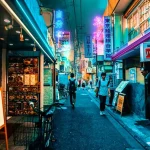
This is the best season for the narrow yokocho alleys. In Omoide Yokocho by Shinjuku Station, charcoal smoke from yakitori grills drifts through the lanes while you squeeze onto a six-seat counter. Yakitori skewers cost ¥200–¥400 each, and oden usually runs ¥150–¥300 per piece. Nonbei Yokocho in Shibuya and Harmonica Yokocho in Kichijoji offer the same warm, tight-quarters feel.
Getting Around: Seasonal Transport Problems and Fixes
The train network works all year, but each season creates its own challenge. In spring, stations near blossom spots like Nakameguro and Ueno use crowd control on weekends, so expect queues just to enter. Avoid rush hour (7:30–9:30 a.m. and 5:30–7:30 p.m.) in every season, because carriages become packed.
For payment, a Suica or PASMO card, either physical or in your phone’s wallet, works on trains, buses, and many vending machines. Availability of physical tourist cards has been limited at times, so check the current options at the airport or consider the mobile version before you leave. The Tokyo Subway Ticket (¥800 for 24 hours, ¥1,200 for 48, ¥1,500 for 72) is good value if you plan many metro rides in a short time.

In the rainy season, underground passages connect big stations such as Tokyo, Otemachi, and Shinjuku, so you can stay dry. During typhoons, mostly from late August to October, JR lines often suspend service early, sometimes hours before the storm hits. Cycling with bike-share (about ¥165 for 30 minutes) is best in April, May, October, and November. In July and August the heat makes it unpleasant. Taxis start around ¥500 and are worth using for short rides on hot afternoons or late at night.
Day Trips by Season
- Nikko (autumn). Tobu limited express trains from Asakusa take about two hours. Colors peak from mid-October at higher elevations to early November in town. Allow a full day, and start early to avoid weekend traffic.
- Kamakura (June). It takes about an hour from Tokyo Station on the JR Yokosuka line. Hydrangeas bloom around Meigetsu-in and Hase-dera in June, and rainy days look especially beautiful there. A full day is enough.
- Hakone (winter and autumn). The Romancecar from Shinjuku takes about 85 minutes. Clear winter days give the best Fuji views, and hot spring baths feel their best in the cold. Stay overnight if you can.
- Kawagoe (July and August). The old merchant town is 30–50 minutes from Shinjuku or Ikebukuro. Glass wind chimes hang at Hikawa Shrine in summer. Half a day is plenty.
- Kawaguchiko (April to May). The Fuji Shibazakura moss pink festival is usually mid-April to late May. Highway buses from Shinjuku take about two hours each way, so plan a full day.
Nightlife and Entertainment Through the Year
Summer is the season of department-store rooftop beer gardens, typically running from May to September, with all-you-can-drink deals around ¥3,500–¥5,000. Rooftop bars in Roppongi, Shibuya, and Ginza are best on dry evenings between September and November, when it is cool enough to sit outside.
Cherry blossom night viewing (yozakura) along the Meguro River and in Ueno Park adds lanterns and food stalls, but you’ll share the space with large crowds. In winter, Golden Gai in Shinjuku is at its cozy best, with around 200 tiny bars, many seating fewer than ten people, and cover charges of ¥500–¥1,500. Live music fans should look at Shimokitazawa, where small venues run all year, with ticket prices from about ¥2,000–¥4,000. Large summer festivals such as Summer Sonic in August near Tokyo draw international acts.

Shopping: The Sale Calendar and 2026 Tax Changes
Timing your visit around sales can save real money. Fukubukuro (lucky bags) go on sale from January 2, followed by winter clearance in mid-January. Summer sales run from late June through July. Department stores in Ginza, Shinjuku, and Shibuya also hold seasonal launches in spring and autumn.
For streets, browse Omotesando and Ginza for brands, Shimokitazawa for vintage, Nakano Broadway and Akihabara for anime and collectibles, and Kappabashi for kitchen knives. The Oedo Antique Market at Tokyo International Forum usually runs on the first and third Sundays of the month.
One 2026 change matters: Japan is scheduled to switch its tax-free system in November 2026. Instead of buying tax-free at the register, visitors would pay tax up front and claim a refund at departure. If you visit after the change, keep receipts and leave extra time at the airport. Confirm the details before you travel, since rules can shift.
Accommodation Areas and Booking Windows
Where you sleep affects your trip more in peak season, when hotels sell out and prices climb 30–60% above normal.
- Budget (¥3,000–¥7,000 per night): Capsule hotels and hostels in Asakusa, Ueno, and Ikebukuro. Asakusa is calm at night and close to the Ginza Line.
- Mid-range (¥12,000–¥25,000): Business hotels around Shinjuku, Shibuya, Ueno, and Shinbashi. Rooms are small but clean, and train access is excellent.
- Luxury (¥45,000–¥100,000+): Hotels in Marunouchi, Ginza, Roppongi, and Azabudai. Many have city views, and winter illuminations are right outside.
Book sakura-season rooms three to four months ahead, ideally with free cancellation, since bloom dates can move by a week. Golden Week and Obon need similar lead time. In shoulder months like February, June, and early December, booking a few weeks ahead is usually enough.
Best Time to Visit: Season-by-Season Verdict
Spring (March to May)
Temperatures run from 8°C to 22°C. Cherry blossoms usually peak between late March and early April and last about a week. This is the most popular and most expensive time. Cedar pollen is also high from late February to April, which affects hay fever sufferers. Late April through early May brings Golden Week, with crowded trains and attractions. Sanja Matsuri in Asakusa in mid-May fills the streets with portable shrines and drums.

Summer (June to August)
The rainy season runs from early June to mid July, with gray skies and 22–28°C. Then comes real heat: 31–35°C with high humidity. Expect sudden downpours and long nights. Events include Sanno Matsuri in mid-June, the Sumida River Fireworks in late July, and Koenji Awa Odori in late August. Obon in mid-August makes domestic travel busy. Sightsee early and rest indoors in the afternoon.
Autumn (September to November)
September stays warm, with typhoon risk. From October, days sit around 18–24°C with clear skies, and leaves turn red and gold from mid-November through early December. Silver Week, around 19 to 23 September 2026, is busy. The Tori-no-Ichi fairs at Otori Shrine in November bring lantern-lit stalls selling lucky bamboo rakes.
Winter (December to February)
Daytime highs run 8–12°C, nights can fall to 2°C, and the air is dry and clear. Light displays run through December. Many businesses close from about December 29 to January 3, though large shrines and department stores stay open. February brings plum blossoms at Yushima Tenjin shrine and Setsubun bean-throwing on February 3. This is the cheapest and quietest time for sightseeing, apart from Lunar New Year week.
Practical Tips for Any Season
- Safety: Tokyo is very safe at night. Watch for pickpockets only in the most crowded areas during festivals.
- Tipping: Not expected anywhere. Leaving money on the table can cause confusion.
- Language: Many signs are in English, and translation apps with camera mode work well on menus.
- Connectivity: An eSIM is the easiest option. Plans for 7–14 days typically cost ¥1,500–¥4,000.
- Water: Tap water is safe. Carry a bottle in summer, because vending machines are everywhere but heat drains you fast.
- Weather gear: A compact umbrella from a convenience store (about ¥500–¥800) is the best rainy-season buy. In July and August, bring a small towel and sun protection. Heatstroke is a real risk.
- Etiquette: Keep your voice low on trains, avoid eating while walking in most areas, and never sit on blossom-viewing spots reserved by others.
- Cash: Cards are widely accepted, but small bars, yokocho stalls, and some shrines still prefer cash.

Budget Breakdown: Daily Costs by Tier and Season
These are 2026 estimates per person per day, excluding international flights. Add 30–60% to lodging in sakura season, Golden Week, Obon, and late December.
- Budget: ¥8,000–¥12,000. Hostel or capsule bed (¥3,000–¥6,000), convenience-store and ramen meals (¥2,000–¥3,500), a metro day pass or a few rides (¥600–¥1,000), and low-cost sights.
- Mid-range: ¥20,000–¥35,000. Business hotel (¥12,000–¥22,000 for a double, split if sharing), sit-down lunches and izakaya dinners (¥5,000–¥9,000), transport (¥1,000–¥1,500), and one or two paid attractions.
- Comfortable: ¥50,000–¥100,000+. Luxury hotel (¥45,000+), restaurant dinners (¥10,000–¥30,000), taxis, and private experiences.
Also plan for Japan’s departure tax, which is scheduled to rise from ¥1,000 to ¥3,000 in mid-2026 and is usually included in your airfare. The cheapest months are mid-January to mid-February (outside Lunar New Year week) and the June rainy season.
Frequently Asked Questions
What is the best month to visit Tokyo?
Late March to early April for cherry blossoms and November for autumn colour are the most popular choices. Many locals prefer October and November because skies are clear, temperatures sit around 15–22°C, and hotel prices are lower than sakura season. Choose April or May if you want mild weather with fewer crowds than peak bloom.
When is cherry blossom season in Tokyo in 2026?
Tokyo’s cherry trees usually reach full bloom between late March and early April, and the flowers last about one week. Exact dates shift each year with winter temperatures, so check the Japan Meteorological Corporation forecast from February. Keep your hotel booking flexible, and plan a few days in the city to catch the peak.
Is summer a bad time to visit Tokyo?
Summer is hot and humid, with August highs of 33–35°C, but it is not a bad time if you plan well. You get fireworks, festivals, and often cheaper rooms outside Obon week. Sightsee early, rest indoors from noon to 4 pm, carry water, and expect short, heavy showers.
What is the cheapest time to visit Tokyo?
Mid-January to mid-February is usually the cheapest period, apart from Lunar New Year week in mid-February 2026. The June rainy season is also good value. Fewer tourists come in cold or damp weather, so hotels drop their rates. Avoid Golden Week, Obon, and late December, when prices rise.
Does it snow in Tokyo?
Tokyo gets light snow only a few days each winter, usually between January and February, and it rarely sticks for more than a day. Winter days are mostly dry and sunny with highs around 10°C. Pack layers and a warm coat, since evenings feel colder, especially near rivers and in open streets.
Explore more
Exploring Golden Gai: Tokyo’s Iconic Micro-Bar District for First-Timers