On this page
- Why the Tea Ceremony Is Worth Your Time in 2026
- Best Neighborhoods for Tea Ceremony
- Top Tea Ceremony Experiences and Venues
- What Happens Inside the Tea Room
- Food and Drink Around Tea
- Getting Around Kyoto for Tea Visits
- Tea-Focused Day Trips
- Evening Tea and Nightlife
- Shopping for Tea and Tea Tools
- Where to Stay
- Best Time to Visit
- Practical Tips
- 2026 Budget Breakdown
- Frequently Asked Questions
💰 Click here to see Japan Budget Breakdown
💰 Prices updated: November, 2026. Budget figures are estimates — always verify before travel.
Exchange Rate: $1 USD = ¥157.56
Daily Budget (per person)
Shoestring: ¥7,000 – ¥12,000 ($44.43 – $76.16)
Mid-range: ¥15,000 – ¥25,000 ($95.20 – $158.67)
Comfortable: ¥30,000 – ¥75,000 ($190.40 – $476.01)
Accommodation (per night)
Hostel/guesthouse: ¥2,500 – ¥7,750 ($15.87 – $49.19)
Mid-range hotel: ¥5,000 – ¥18,500 ($31.73 – $117.42)
Food (per meal)
Budget meal: ¥800.00 ($5.08)
Mid-range meal: ¥2,500.00 ($15.87)
Upscale meal: ¥10,000.00 ($63.47)
Transport
Single metro/bus trip: ¥250.00 ($1.59)
Monthly transport pass: ¥53,000.00 ($336.38)
Booking a tea ceremony in Kyoto in 2026 can feel like a gamble. Search results are full of near-identical listings, some sessions are rushed 20-minute demonstrations for 30 people, and the best small-group hosts sell out weeks ahead in spring and autumn. This guide shows you how to pick a ceremony that matches your budget and interest, what to do once you are on the tatami, and how to build a tea-focused trip around Kyoto without getting lost in the crowds.
Why the Tea Ceremony Is Worth Your Time in 2026
Kyoto is the home of chanoyu, the Japanese way of tea. The practice took its modern form in the 1500s under Sen no Rikyu, who taught that beauty lives in simplicity, imperfection, and quiet attention. That idea is called wabi-sabi, and a tea room is where you can feel it instead of just reading about it.
A ceremony is not a performance for your camera. It is a short, structured gathering where a host prepares one bowl of powdered green tea (matcha) for each guest, using movements refined over centuries. You sit, you watch, you drink, and you notice small things: the hanging scroll in the alcove, the single flower, the sound of water in the iron kettle.
Imagine sliding open a paper door in a Higashiyama machiya and stepping onto tatami that smells faintly of dried grass. Steam hisses from the kettle. The host whisks, and the bowl arrives warm in your palms with a thick, jade-green foam on top. The first sip is bitter and creamy at the same time, and the sweet you ate just before makes it taste rounder. Most visitors say this is the calmest 45 minutes of their whole trip.
You do not need to know anything beforehand. Hosts who work with international guests expect beginners and will explain every step. The sections below cover where to go, what to expect, and how to spend your money wisely.
Best Neighborhoods for Tea Ceremony
Where you book changes the feel of the experience. Kyoto’s tea venues cluster in four areas, each with a different character.
Higashiyama and Gion
This is the most popular area. Old wooden townhouses line the lanes around Yasaka Shrine, Kodai-ji, and Kiyomizu-dera, and many have been converted into tea rooms for visitors. It suits first-timers who want atmosphere and easy access to other sights. The downside is crowds, so book the first slot of the day. Note that some private lanes in Gion are closed to tourist photography, with fines of up to ¥10,000 for ignoring the rules, so follow signs and keep moving.

Nakagyo and Kamigyo (Central and North-Central Kyoto)
Around Karasuma-Oike, Nijo Castle, and Imadegawa you find quieter tea schools and family-run studios. This is where serious tea practitioners live. The area suits travellers who care more about learning than photos. Ceremonies here are often smaller and more relaxed, and the host may be a long-time student of a recognised tea school.
Arashiyama
Tea rooms near the bamboo grove and Tenryu-ji pair well with a morning of strolling. The setting is greener and slower, with garden views from the tea room. It suits couples and travellers who want to combine scenery and ceremony in a single half-day.
Uji (South of Kyoto)
Uji grows some of Japan’s most prized matcha, and its tea houses are the most authentic place to taste tea at the source. It is technically a separate city, but it takes under 20 minutes by train, so it works as part of a Kyoto base. More on this in the day trips section.
Top Tea Ceremony Experiences and Venues
Not all ceremonies are the same. Knowing the five main types helps you choose.
- Small-group tourist ceremonies (6–10 guests): The most common format. A host explains the history, shows the preparation, and then you whisk your own bowl. Sessions last 45–60 minutes. Good value and beginner-friendly.
- Temple and garden tea houses: Some temples and gardens serve matcha and a sweet in a tatami hall overlooking the garden. It is less formal and often needs no booking. You sit and drink while looking out at moss, maples, or raked gravel.
- Private ceremonies in a tea master’s home or machiya: A host teaches you slowly, often with a full course of sweets and thick tea (koicha) as well as thin tea (usucha). This is the closest thing to a real chaji gathering most visitors will experience.
- Tea school visits: Major schools such as Urasenke, based in Kamigyo, run programmes for international visitors, and the school’s own tea rooms give you a taste of the tradition’s centre. Check the school’s website for current schedules and booking rules, as formats change.
- Maiko or geiko tea experiences: You sip tea while a maiko performs a dance and chats with guests. It is more of a cultural show than a quiet ceremony, and it costs more. It suits travellers who want a once-in-a-lifetime Gion moment.

For a first visit, a small-group ceremony in Higashiyama or a private session in Nakagyo gives the best balance of explanation and authenticity. Avoid listings that mention more than 12 guests, as you will see more than you taste.
What Happens Inside the Tea Room
The flow below follows the common Urasenke style. Other schools differ slightly, but the pattern is similar.
- Arrival and waiting: You remove your shoes at the entrance and are shown to a waiting area. Your host may offer hot water or light tea while others arrive.
- Entering the room: You step in and look at the scroll and flowers in the tokonoma alcove. A quiet bow toward it is polite.
- The sweet: Before the tea, you receive a small wagashi on a paper or small plate. Eat it first. The sweetness prepares your mouth for the bitter matcha.
- Watching the preparation: The host cleans the bowl, scoops the matcha, adds hot water, and whisks with a bamboo chasen. Each movement is deliberate. You may hear the soft scrape of the whisk against the bowl.
- Receiving the bowl: The bowl is placed in front of you. Bow slightly to the person next to you and say a quiet thanks. Pick it up with your right hand and rest it in your left palm.
- Turning and drinking: The front of the bowl, the prettiest side, faces you. Turn it clockwise twice so you do not drink from the front. Drink in two or three sips. The final sip often ends with a soft slurp, which signals you enjoyed it.
- Wiping and admiring: Wipe the rim with your fingers, turn the bowl back, and look at its shape and glaze. Hosts are happy to answer questions about the bowl.
- Closing: The host cleans the utensils, and the session ends with thanks all round.
If you forget a step, nobody minds. Watching the person beside you and following their lead works in every setting.

Food and Drink Around Tea
Tea ceremonies come with a sweet, but Kyoto’s tea food scene reaches far beyond that. This section covers where to eat and drink around your ceremony.
- Wagashi specialists: Kagizen Yoshifusa near Gion on Shijo-dori is known for kuzukiri, translucent arrowroot noodles dipped in dark syrup, a cool, silky treat in summer. Toraya’s Ichijo shop in Kamigyo sells refined seasonal sweets and has a tearoom upstairs. Expect to pay ¥1,000–¥2,000 for tea and a sweet.
- Matcha cafés: Gion’s Tsujiri and Nakamura Tokichi, whose main shop is in Uji, serve matcha parfaits, soft serve, and warabi mochi. Queues are common at lunchtime, so go before 11:00 or after 15:00. A parfait costs about ¥1,200–¥1,800.
- Nishiki Market: This narrow covered market has pickles, tofu doughnuts, grilled seafood, and tea shops. Stand in the lane and snack your way along. Many stalls ask you not to walk while eating, so finish at the stall.
- Depachika: The basement food floors of department stores such as the one at Kyoto Station sell wagashi gift boxes, bento lunches, and tea-flavoured cakes. They are good for a quick, cheap picnic lunch for a temple garden bench.
- Shotengai (covered shopping streets): Teramachi and Shinkyogoku, a pair of parallel arcades between Shijo and Sanjo, mix traditional confectioners with snack stalls and casual restaurants. This is a convenient place for a low-cost lunch after a morning ceremony.
- Yokocho and alley dining: Pontocho and the small lanes off Kiyamachi have counter-seat restaurants where you can follow a tea-themed afternoon with a proper dinner. More on that in the nightlife section.
Getting Around Kyoto for Tea Visits
Kyoto is compact but spread out. Most tea venues cluster in a few areas, so plan by neighbourhood.
- Subway: Two lines, the north-south Karasuma Line and the east-west Tozai Line, cover central Kyoto. A single ride costs about ¥220–¥360. It is the fastest route to Nakagyo, Kamigyo, and Higashiyama’s eastern edge.
- JR trains: The JR Nara Line from Kyoto Station reaches Fushimi and Uji. The JR Sagano Line goes to Arashiyama in about 15 minutes.
- Buses: Kyoto City buses reach Gion, Kiyomizu, and Ohara, but crowds can be heavy. Kyoto has been revising its bus and subway day passes, so check current ticket options before buying. Many travellers now simply pay by IC card.
- IC cards: Suica, Pasmo, and ICOCA all work on Kyoto trains, buses, and subway lines, and in many shops. Mobile Suica on iPhone is the easiest choice if your phone supports it.
- Taxis: Useful for early morning ceremonies when buses are infrequent. A short ride in central Kyoto is about ¥800–¥1,500.
- Cycling and walking: Higashiyama and Gion are best on foot, and rental bikes around ¥1,000–¥1,500 per day work well for the flat streets of Nakagyo and Kamigyo. Avoid cycling in Gion’s crowded lanes.

Tea-Focused Day Trips
Uji (about 20 minutes, half to full day)
Take the JR Nara Line from Kyoto Station to Uji, about 20 minutes for ¥240. The town sits beside a clear river, and its main street leads to Byodo-in, the temple shown on the ¥10 coin. Stop at Nakamura Tokichi or small tea houses for matcha, and look for a hands-on ceremony or whisking class in town. On warm days the cold matcha soba and matcha soft serve are a pleasant bonus. Allow at least four hours.
Wazuka (about 1.5 to 2 hours each way, full day)
This quiet town south-east of Kyoto produces a large share of Uji-area tea leaf, and its terraced hillside tea fields are among the prettiest in Japan. Public transport is limited, so many visitors join a guided tour or arrange a taxi. It is rewarding if you want to see where tea starts, but it takes planning.
Ohara (about 1 hour by bus, half day)
Ohara is a rural valley north of Kyoto with Sanzen-in temple, a moss garden, and quiet stone paths. Inside, you can sit in a hall facing the garden and sip matcha with a small sweet for around ¥500. It is a gentle option when central Kyoto feels exhausting.
Nara (about 45 minutes, full day)
Nara is where the Japanese chasen whisk tradition runs deep, with workshops in nearby Takayama producing most of the country’s bamboo whisks. In the city itself, Isuien Garden has a pleasant tea house, and the famous deer wander nearby. Take the Kintetsu Nara Line or the JR Miyakoji Rapid, which both run frequently from Kyoto Station.
Evening Tea and Nightlife
Tea ceremonies are typically held in daylight, but some hosts offer early-evening sessions at 17:00 or 18:00, when lanterns come on and tatami rooms turn golden. These suit travellers who spend their day sightseeing and want a calm start to the night.
For the rest of the evening, Kyoto’s nightlife is relaxed and local. Pontocho is a narrow, lantern-lit alley along the Kamo River with counter restaurants, kaiseki houses, and small bars. Kiyamachi, running parallel, is looser, with izakaya, cocktail bars, and live music venues. Some bars now serve cocktails made with matcha or hojicha, which is a fun way to continue the tea theme. Try a hojicha highball for about ¥800–¥1,000.

If you want live music, small venues near Kawaramachi and Kyoto University host jazz and indie shows, usually with a cover charge of ¥1,500–¥3,000. Rooftop bars at hotels near Shijo and Kawaramachi offer river and mountain views, with drinks costing ¥1,500–¥2,500.
Shopping for Tea and Tea Tools
After a ceremony, many travellers want to recreate it at home. Kyoto is the right place to buy the tools.
- Tea leaf: Ippodo’s Teramachi-Nijo shop has sold tea since 1717. Staff let you taste before buying, and English labels are clear. A 40 g tin of matcha runs about ¥1,500–¥3,500 depending on grade. Marukyu Koyamaen in Uji is another reliable name.
- Tea utensils: A bamboo whisk (chasen) costs ¥1,500–¥4,000, a bamboo scoop (chashaku) ¥500–¥1,500, and a basic matcha bowl ¥2,000–¥8,000. Pottery shops around Kiyomizu-zaka and Gojozaka sell Kyoto-style ceramics, and high-end bowls from established kilns can cost ¥30,000 or more.
- Stationery and incense: Teramachi has older shops selling washi paper, incense, and small gifts that pair nicely with tea.
- Nishiki Market: Good for kitchen gear, including famous knives, plus tea snacks and tsukemono pickles.
Tax rules are changing in 2026. Japan is moving from instant tax-free shopping to a system where tourists pay tax at the register and claim a refund at departure, planned from November 2026. Keep your passport handy and keep receipts organised. Check store signage on how refunds work at the time of your visit.
Where to Stay
Staying near your ceremony saves time and lets you book early or late slots without stress. Kyoto’s accommodation tax also rose in March 2026, with higher-priced rooms facing a much larger nightly charge, up to ¥10,000 per person for the most expensive rooms. Check whether your listed price includes it.
- Budget (¥4,000–¥9,000 per night): Hostels and capsule hotels near Kyoto Station, Gojo, and Shijo-Karasuma. Good for easy train access to Uji and Nara.
- Mid-range (¥12,000–¥30,000 per night): Business hotels and small boutique inns around Kawaramachi, Karasuma, and Higashiyama. Many offer tatami rooms or small gardens.
- Luxury (¥50,000+ per night): Traditional ryokan in Gion, Higashiyama, and along the Kamo River, some with in-house tea rooms where you can have a private session before breakfast. Rates often include multi-course kaiseki dinners.

Best Time to Visit
Kyoto’s tea rooms are open all year, and each season changes the flavour of the experience.
- Spring (March–May): Cherry blossom in late March and early April brings peak crowds. Fresh first-flush tea (shincha) arrives from late April to May, a good time to visit Uji. Temperatures range from 8°C to 22°C.
- Summer (June–August): Hot and humid, often above 33°C. Tea rooms use cold matcha and open windows. Gion Matsuri takes place through July, with processions on 17 and 24 July.
- Autumn (October–November): Maple leaves turn red, often peaking in late November. It is beautiful and crowded, so book tea sessions early. Temperatures are 10°C to 22°C.
- Winter (December–February): The quietest season, with temperatures from 1°C to 10°C. A hot bowl of matcha in a heated tatami room is excellent in cold weather, and hotels and tours cost less.
For the best balance of weather, crowds, and price, aim for early June, late October, or mid-January.
Practical Tips
- What to wear: Loose, comfortable clothes you can sit in. Skirts and tight jeans make floor seating awkward. Wear clean socks without holes, as you remove your shoes. Many hosts provide chairs if you cannot sit on the floor, so ask when you book.
- Accessories: Take off rings, watches, and bracelets that could scratch a ceramic bowl. Avoid strong perfume because it clashes with the delicate tea aroma.
- Useful phrases: Osaki ni (excuse me for going first) is said to the next guest before you drink. Otemae chodai itashimasu (I will gladly receive your tea) is said to the host. Gochisosama deshita (thank you for the meal) works at the end.
- Photography: Ask before taking photos. Many hosts allow them before or after the ceremony but not during.
- Tipping: Not expected anywhere in Japan. If you want to say thanks, a sincere “arigato gozaimashita” and a bow are better.
- Language: Many tourist ceremonies run in English. Private ceremonies in local studios might use basic English with gestures and translation apps.
- SIM cards and eSIM: A tourist eSIM costs about ¥1,500–¥3,500 for 7–10 days and works well for maps and booking messages.
- Safety and water: Kyoto is very safe, and tap water is drinkable. Carry a small towel and cash, since some tea houses do not accept cards.
- Allergies: Tell your host in advance if you avoid dairy, nuts, or gluten. Many wagashi use red bean, rice flour, and sugar, but some contain nuts.

2026 Budget Breakdown
Prices have crept up since 2024 because of inflation, a weaker yen that raised demand, and higher tourist taxes. Here is what to expect.
Tea ceremony prices
- Budget: ¥2,000–¥3,500 for a group demonstration with a sweet. Temple tea halls cost ¥500–¥1,000.
- Mid-range: ¥4,000–¥7,000 for a small-group ceremony with hands-on whisking, or an experience with kimono dress-up.
- Comfortable: ¥10,000–¥25,000 or more for a private session in a machiya or tea master’s home, or a maiko experience with entertainment.
Daily travel costs (per person, excluding accommodation)
- Budget (about ¥6,000–¥9,000 per day): Group ceremony, convenience store and depachika meals, buses and trains, one paid attraction.
- Mid-range (about ¥12,000–¥20,000 per day): Small-group ceremony, restaurant lunch and dinner, a matcha café stop, a day trip to Uji or Nara.
- Comfortable (about ¥30,000–¥60,000 per day): Private ceremony, kaiseki dinner, taxis, shopping for quality tea tools.
Frequently Asked Questions
How much does a tea ceremony in Kyoto cost?
Most tourist-friendly tea ceremonies in Kyoto cost between ¥2,000 and ¥7,000 per person in 2026. Private sessions with a tea master or maiko experiences cost ¥10,000 to ¥25,000 or more. Temple tea halls are cheaper, usually ¥500 to ¥1,000 for a bowl and sweet.
Do I need to know Japanese to join a tea ceremony?
No. Many tea ceremonies in Kyoto run fully in English, and hosts explain each step to beginners. Even in Japanese-language sessions, you can follow the other guests and use simple gestures. Learning a few phrases like “arigato gozaimasu” is polite but not required.
How long does a Kyoto tea ceremony take?
Most tourist tea ceremonies last 45 to 60 minutes, including a short explanation, the preparation, and time to drink and ask questions. Formal ceremonies with thick tea and a full meal, called chaji, can last up to four hours but are rare for visitors.
What should I wear to a tea ceremony?
Wear comfortable, modest clothing that lets you sit on tatami. Bring clean socks since you remove your shoes. Skip strong perfume and take off rings or watches that might scratch the tea bowl. A kimono is optional, and many studios offer rental add-ons.
What is the best time to book a tea ceremony in Kyoto?
Book two to three weeks ahead for spring and autumn, and a few days ahead in winter and summer. Choose the first morning slot for fewer crowds. Weekdays are easier than weekends, and small-group private sessions tend to fill earlier than large group ones.
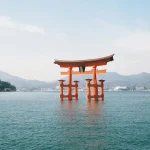
📷 Featured image by Tobias Reich on Unsplash.