On this page
- Nagarekawa and Hatchobori: Where the Night Starts
- Cocktail and Whisky Bars: Quiet Counters Above the Street
- Sake Bars: Drinking Hiroshima’s Local Brews
- Casual Spots: Yagenbori, Standing Bars and Carp Nights
- Solo and Early Evening Drinks Near the Station and Peace Park
- Getting Home: Late-Night Trams, Taxis and Timing
- 2026 Bar Budget in Hiroshima
- Frequently Asked Questions
💰 Click here to see Japan Budget Breakdown
💰 Prices updated: November, 2026. Budget figures are estimates — always verify before travel.
Exchange Rate: $1 USD = ¥157.56
Daily Budget (per person)
Shoestring: ¥7,000 – ¥12,000 ($44.43 – $76.16)
Mid-range: ¥15,000 – ¥25,000 ($95.20 – $158.67)
Comfortable: ¥30,000 – ¥75,000 ($190.40 – $476.01)
Accommodation (per night)
Hostel/guesthouse: ¥2,500 – ¥7,750 ($15.87 – $49.19)
Mid-range hotel: ¥5,000 – ¥18,500 ($31.73 – $117.42)
Food (per meal)
Budget meal: ¥800.00 ($5.08)
Mid-range meal: ¥2,500.00 ($15.87)
Upscale meal: ¥10,000.00 ($63.47)
Transport
Single metro/bus trip: ¥250.00 ($1.59)
Monthly transport pass: ¥53,000.00 ($336.38)
Many visitors spend a day at the Peace Memorial Museum, eat okonomiyaki, and then wonder where to go for a drink. Hiroshima‘s bars are not hard to find, but they are often tucked into upper floors or down narrow stairs with no English signs. This guide shows you which areas to head for in 2026, and what kind of night each one gives you.
Nagarekawa and Hatchobori: Where the Night Starts
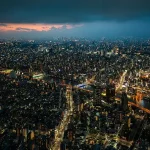
Nagarekawa is the biggest nightlife district in western Japan outside Osaka and Fukuoka. It sits a short walk from the Hondori shopping arcade. By 9 pm, the lanes fill with office workers, students and groups heading to karaoke. Bright signs stack up the sides of narrow buildings, and almost every floor has a different bar.
Hatchobori, just to the north, is calmer and more mixed. It has older bars, small snack bars (run by one host, usually with a fixed seat charge), and quieter pubs that suit people who want a conversation more than a crowd. The two areas blend together, so you can walk between them in about ten minutes.
The best way to explore is to look up. Many of the best bars sit on the second to fifth floors, and the entrance may be only a lit door and a small sign in Japanese. If a menu is posted outside with a price for the seat charge, that is usually a good sign. Avoid anyone on the street pulling you toward a bar with no listed prices, especially around the busiest Nagarekawa corners.
Cocktail and Whisky Bars: Quiet Counters Above the Street
For cocktails, aim for the side streets running off Nagarekawa and the blocks around Hatchobori and Tatemachi. Here you find owner-run counter bars with six to ten seats, where the bartender works in near silence and makes drinks with careful, slow movements. The ice is hand-carved, the glasses are chilled, and the lighting is low enough that you can hear the clink of the stirring spoon.
These bars usually have a short English menu, or none at all. Tell the bartender what you like (sweet, sour, bitter, strong, light) and let them choose. This is normal in Japan and is often the best drink of the night. Many also stock a deep shelf of Japanese whisky, and some pour local Hiroshima-area whisky, so ask what is from nearby.
Most small counter bars are not loud and are not for large groups. Two or three people is the limit in many of them. Arrive early, around 7 or 8 pm, if you want a seat without waiting.

What to expect at a counter bar
- A seat charge (otoshi or table charge) of around ¥500–¥1,000, often with a small snack
- Smoking may be allowed. Small owner-run bars are exempt from Japan’s stricter indoor smoking rules, so ask before you sit
- One drink every 30–45 minutes is the usual rhythm
- Cash is still safer in the smallest places, though card acceptance has grown
Sake Bars: Drinking Hiroshima’s Local Brews
Hiroshima Prefecture is one of Japan’s major sake regions, centred on the brewery town of Saijo, about 30 minutes from the city by train. The local water is soft, which tends to produce a smooth, gently sweet, rounded style of sake. Well-known Hiroshima labels include Fukucho, Kamoizumi and Kamotsuru, and a good sake bar in the city will have several on the list.
Look for small bars around Hatchobori, Tatemachi and the streets near Hondori that show rows of bottles behind the counter, or a chalkboard listing sake by name. A tasting set of three small pours usually costs ¥1,200–¥2,500 and is the easiest way to compare styles. Pair it with grilled oysters in season (roughly November to March), and the salty, creamy flavour with a cold glass of clean junmai is hard to beat.
If you prefer something lighter, many bars serve lemon sours made with Setouchi lemons, since Hiroshima Prefecture is one of Japan’s top lemon-growing areas. The drink is sharp, bright and cheap, and it works well as a first round before heading to a quieter bar.
Casual Spots: Yagenbori, Standing Bars and Carp Nights
If you want a relaxed night without the Nagarekawa crowds, try Yagenbori, a narrow, atmospheric street close to Hondori. The lanes here have a more local feel, with small izakaya-style bars, wooden counters and the smell of grilled skewers drifting out into the evening air. It is a good place to eat and drink together without moving between venues.

For the cheapest drinks, look for tachinomi (standing bars) and small pubs around the shopping arcades. A beer and a snack can cost under ¥1,200 total. These places are loud, friendly and very easy for first-time visitors, as you simply stand, order and pay.
During baseball season (roughly March to October), Hiroshima Toyo Carp fans fill the bars in red shirts. Pubs and izakaya near the city centre often show games on TV, and a home-game night brings a loud, joyful energy even if you do not follow baseball. Ask staff, “Carp, kyō wa?” (Carp, today?) and someone will explain the score.
Solo and Early Evening Drinks Near the Station and Peace Park
If you are only in Hiroshima for one night, or you want a drink before an early train, the area around Hiroshima Station is more convenient than you might expect. Since the new station building opened in 2025, with the tram now entering the building directly, the station area has become easier to move through, and the surrounding blocks have several izakaya and small bars that stay open until late.
Near the Peace Memorial Park, the area around Hondori and the river is better for early drinks. Sit by a window at sunset and watch the light fade over the Motoyasu River. It is a calm way to end a heavy day of museum visits. Many of these places open around 5 pm, so you can start early without queuing.
Solo travellers should look for counter seats. In Hiroshima, sitting alone at a bar is normal, and bartenders are often happy to talk, especially if you ask about the drink or the local area.
Getting Home: Late-Night Trams, Taxis and Timing
Hiroshima’s tram (Hiroden) is the easiest way to reach bar districts, with stops near Hatchobori, Kamiyacho and Hondori. However, the last trams run earlier than many visitors expect, usually before midnight, so check the schedule before you start your last drink. After that, taxis are the safest option, and a ride within the central area typically costs ¥1,000–¥2,000.
Taxi ranks form near the main Nagarekawa streets late at night, and lines can be long on Fridays and Saturdays. If you are staying near Hiroshima Station, a taxi back from Nagarekawa takes about 10–15 minutes. Most bars are within walking distance of central hotels, so staying near Hondori or Hatchobori often solves the problem completely.

2026 Bar Budget in Hiroshima
Prices in Hiroshima are lower than in Tokyo or Kyoto, and you can have a full night out without spending much. These are typical 2026 figures for one person.
- Budget (¥2,000–¥4,000): Standing bars, casual izakaya, a beer or two at ¥500–¥700 each, and a snack plate. Lemon sours often cost ¥450–¥650.
- Mid-range (¥4,000–¥8,000): Two or three drinks at a counter bar, including a seat charge of ¥500–¥1,000. Cocktails run ¥1,000–¥1,600. A sake tasting set costs ¥1,200–¥2,500.
- Comfortable (¥8,000–¥15,000+): A full evening at a premium whisky or cocktail bar, rare bottles, and a late-night taxi. Single pours of aged Japanese whisky can cost ¥2,000–¥5,000 or more.
Since 2024, prices in many Japanese bars have risen slightly because of higher ingredient and labour costs, and seat charges have become more common. Check the posted menu before you sit.
Frequently Asked Questions
What is the best area for bars in Hiroshima?
Nagarekawa is the main nightlife district and has the widest choice of bars, from loud pubs to quiet cocktail counters. Hatchobori, next door, is calmer and good for sake bars. Yagenbori suits a relaxed, local-style evening. Most visitors can walk between all three areas.
Are bars in Hiroshima expensive?
No. Hiroshima is cheaper than Tokyo or Kyoto. A beer usually costs ¥500–¥800, and a cocktail ¥1,000–¥1,600. Many bars add a seat charge of around ¥500–¥1,000, so check for it before ordering, especially in small counter bars.
Is it safe to go to bars in Hiroshima at night?
Yes, Hiroshima is very safe for visitors, including solo travellers and women. The main risk is street touts in busy Nagarekawa, who may guide you to bars with unclear prices. Politely decline, choose bars with menus posted outside, and keep your belongings with you.
What time do bars in Hiroshima close?
Many bars open around 6 or 7 pm and stay open until midnight or 2 am, with some in Nagarekawa open until dawn. Trams stop before midnight, so plan on a taxi if you stay out late. Closing times vary, especially on weekdays and Sundays.
Do I need to speak Japanese to enjoy Hiroshima’s bars?
No. Many bars have simple English menus or picture menus, and staff often use translation apps. In small counter bars, pointing at a bottle or saying what flavours you like works well. Learning “kanpai” (cheers) and “oishii” (delicious) always gets a warm reaction.
Explore more
Hiroshima Foodie Map: Discovering the Best Eats in Each District
The Perfect Hiroshima Itinerary: What to Do in 1, 2, or 3 Days
Hiroshima: Essential Things to Do for an Unforgettable Trip
📷 Featured image by Daniel Seßler on Unsplash.