On this page
- Hiroshima Today: A City That Chose to Keep Living
- Neighborhoods: Where Each Part of the City Fits Your Trip
- Cultural Highlights Beyond the Peace Park
- Where to Eat and Drink
- Getting Around
- Day Trips for Deeper Culture
- Nightlife and Entertainment
- Shopping for Local Crafts
- Accommodation Areas by Budget
💰 Click here to see Japan Budget Breakdown
💰 Prices updated: November, 2026. Budget figures are estimates — always verify before travel.
Exchange Rate: $1 USD = ¥157.56
Daily Budget (per person)
Shoestring: ¥7,000 – ¥12,000 ($44.43 – $76.16)
Mid-range: ¥15,000 – ¥25,000 ($95.20 – $158.67)
Comfortable: ¥30,000 – ¥75,000 ($190.40 – $476.01)
Accommodation (per night)
Hostel/guesthouse: ¥2,500 – ¥7,750 ($15.87 – $49.19)
Mid-range hotel: ¥5,000 – ¥18,500 ($31.73 – $117.42)
Food (per meal)
Budget meal: ¥800.00 ($5.08)
Mid-range meal: ¥2,500.00 ($15.87)
Upscale meal: ¥10,000.00 ($63.47)
Transport
Single metro/bus trip: ¥250.00 ($1.59)
Monthly transport pass: ¥53,000.00 ($336.38)
Since the 80th anniversary in 2025, Hiroshima has had more visitors than ever. Many of them still treat the city as a four-hour stop between Kyoto and Fukuoka: museum, Peace Park, Atomic Bomb Dome, then a train out. That is understandable, but it misses most of the city. Hiroshima is a living, funny, food-obsessed place with gardens, sake towns, a passionate baseball culture and an island shrine within reach. This guide covers the Hiroshima that exists around the memorial, and it works best as a companion to a respectful visit to the memorial itself.
Hiroshima Today: A City That Chose to Keep Living
Hiroshima feels open and easy. Wide boulevards, seven tidal rivers fanning through the centre, and a small streetcar network give it a calm, human scale. Locals are proud, direct and warm. They support the Hiroshima Toyo Carp baseball team with almost religious devotion, and they will argue happily with you about which okonomiyaki counter is best.
The city carries its history openly without being defined only by it. You can spend a morning in quiet reflection and an evening elbow to elbow at a sizzling grill, and both feel like the same city. Travelers love Hiroshima because it is easy to navigate, friendly to English speakers, and rewarding on a second or third day, when most places in Japan start to feel repetitive.
Since 2024, two changes stand out. Streetcar routes have been reorganised around Hiroshima Station, and a new elevated streetcar stop connects directly to the station building. Hiroshima’s modern stadium district has also become a destination in itself.
Neighborhoods: Where Each Part of the City Fits Your Trip
Peace Park and Motomachi
The riverside zone around the park is quiet at night and beautiful at dawn. It suits travelers who want to walk to the museum, the castle and Shukkeien Garden. Dining options are thinner here, but Hondori is a 10-minute walk away.
Hondori, Hatchobori and Kamiya-cho
This is the commercial heart of Hiroshima. The covered Hondori arcade, department stores, cinemas and the Okonomimura building are all within a few blocks. First-time visitors who want food and nightlife steps from their hotel should stay here.
Hiroshima Station and Ekimae
This area has the best transport connections and lots of business hotels. It suits short stays and day-trippers heading to Miyajima, Iwakuni or Onomichi. The station complex itself holds a large dining floor and a shopping mall. Streetcars reach the Peace Park in about 15 to 20 minutes.

Nagarekawa and Yagenbori
This is the main entertainment area, packed with izakaya, small bars and late-night ramen shops. It suits couples and solo travelers who like to wander at night. Light sleepers should ask for a higher floor.
Hijiyama and the East Side
Up on Hijiyama Hill you will find the city’s contemporary art museum, a park and a quiet residential feel. It is a good choice for a slower trip, though you will rely more on streetcars to reach the food streets.
Cultural Highlights Beyond the Peace Park
Start with the memorial. The Peace Memorial Museum is the emotional centre of any trip, and it opens at 8:30. Go first thing, when school groups have not yet arrived, and allow at least 90 minutes. Admission is about 200 yen. After that, Hiroshima offers a wide cultural range.
Shukkeien Garden
This compact landscape garden, first laid out in 1620 and rebuilt after 1945, miniaturises mountains and valleys around a central pond. Admission is roughly 300 yen. Sit in the garden’s teahouse with a bowl of matcha and a seasonal sweet (around 700 yen) and watch carp drift beneath the little stone bridges. In the early morning the only sound is the water and the occasional heron.
Hiroshima Castle
Nicknamed Carp Castle, it was rebuilt in 1958 and houses a museum of samurai-era Hiroshima. Entry to the keep is around 370 yen. The surrounding moat and grounds are free, and the castle is one of the city’s best cherry blossom spots in late March.
Orizuru Tower
Beside the Atomic Bomb Dome, this building has a rooftop deck and a wall where visitors fold paper cranes and drop them down a glass chute. Admission is about 2,200 yen for the full experience. The activity is quiet and moving, and it gives the crane tradition real meaning rather than turning it into a photo prop.
Mitaki-dera and Hijiyama
Mitaki-dera, on the western edge of the city, is a hillside Buddhist temple with a small waterfall, a red pagoda and a mossy stairway. It is far quieter than anything near the centre, and it is a favourite of locals in autumn. Hijiyama Park and the Hiroshima City Museum of Contemporary Art give you the city’s modern art side.
Kagura and the Carp
Kagura is a folk performance of masked dance and drums, tied to Shinto stories and strongest in the mountain towns north of the city. Check the tourist information centre for current performance schedules. For a different kind of ritual, go to a Hiroshima Toyo Carp game at Mazda Zoom-Zoom Stadium between April and October. Tickets run from about 2,500 to 6,000 yen. A sea of red shirts, trumpets and synchronised chants makes it as cultural as any temple.
Where to Eat and Drink
Okonomimura and Station Dining
Okonomimura is a multi-floor building near Hondori packed with small counters, each run by a single cook. You sit at a hot iron plate, and your meal is built a few centimetres from your face. The smell of caramelising cabbage and sweet-savoury sauce fills the stairwell. Most counters charge 1,000 to 1,500 yen. A similar cluster of counters sits inside Hiroshima Station’s Ekie complex, which is handy before a train.
Hondori and the Shotengai
The covered Hondori arcade and its side lanes offer bakeries, coffee stands, Setouchi lemon sweets and set-meal restaurants. Lunch sets cost around 900 to 1,400 yen. Walk the backstreets around Tatemachi for tiny places with six seats and a handwritten menu.
Depachika Food Halls
Department store basements such as Fukuya in Hatchobori and Sogo near the station are good for lunch boxes, pastries and takeaway souvenirs. Go after 7:00 pm, when many prepared items drop by 20 to 50 percent. It is the cheapest way to eat well in the city.
Oyster Bars
Hiroshima is Japan’s biggest oyster producer, and from October to March seafood bars around Hondori and Nagarekawa serve them grilled, fried or raw. Expect 1,500 to 3,500 yen for a lunch set. The Miyajima Omotesando shopping street sells grilled oysters from outdoor stalls for about 500 to 800 yen each.
Sake Bars
Hiroshima’s soft local water produces smooth, rounded sake. Several standing bars around Nagarekawa and Kamiya-cho offer tasting flights from Hiroshima breweries for about 1,200 to 2,000 yen. Staff will explain styles in simple English. Yatai street stalls are rarer here than in Fukuoka, so counter dining in small shops is the real street-food experience.
Getting Around
Hiroshima is one of Japan’s easiest cities to navigate. The central area is flat, and the Hiroden streetcar network covers nearly everything a visitor wants to see.

- Streetcars (Hiroden): Flat fares of roughly 220 yen inside the city. Lines 2 and 6 run from Hiroshima Station to the Atomic Bomb Dome stop. Line 2 continues to Miyajimaguchi in about an hour. Tap in with Suica, Pasmo or ICOCA.
- JR trains: Fast connections to Miyajimaguchi (about 30 minutes), Iwakuni, Saijo and Kure. The Sanyo Shinkansen reaches Hiroshima from Kyoto in about 1 hour 40 minutes and from Tokyo in around 4 hours.
- Sightseeing loop buses: The Maple-Jump loop buses stop at major attractions for about 220 to 250 yen per ride, useful if your feet are tired.
- Taxis: Fares start around 500 to 700 yen. A short ride from Hiroshima Station to Hondori costs about 1,200 to 1,600 yen.
- Cycling: The riverside paths are flat and pleasant. Look for city bike-share stations near the Peace Park and Hiroshima Station.
- From the airport: Hiroshima Airport is far from the city. A limousine bus takes about 50 minutes and costs roughly 1,500 to 1,600 yen.
A national IC card on your phone or in your wallet handles streetcars, JR local trains and most buses. If you rely on a Japan Rail Pass, remember the 2023 price rise: the seven-day pass is 50,000 yen, which rarely pays off for a trip centred on Hiroshima. A regional pass or individual tickets usually work out cheaper.
Day Trips for Deeper Culture
Miyajima (half day to full day)
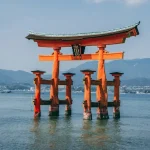
Take the JR Sanyo Line to Miyajimaguchi (about 30 minutes), then the JR ferry (about 10 minutes, roughly 200 yen each way plus a 100 yen visitor tax). Itsukushima Shrine’s floating torii gate, restored in 2022, glows vermilion at dusk. Admission to the shrine is around 500 yen. Walk to Momijidani Park for quieter paths, and take the ropeway if the weather is clear. Stay for sunset, when the day crowds thin and the shrine lights come on.
Iwakuni (half day)
Around 40 minutes by JR, Iwakuni is home to the five-arched wooden Kintai Bridge and a hilltop castle. A combined bridge-and-ropeway ticket costs about 940 yen. Come in spring for cherry blossoms along the river.
Saijo (half day)
Take the JR Sanyo Line east for about 25 to 30 minutes to Saijo, one of Japan’s famous sake-brewing towns. Red-brick chimneys line the streets, and several breweries offer tastings for 300 to 1,000 yen. Time it for the Saijo Sake Festival in October, when thousands of people crowd the streets with cups in hand.
Kure (half day)
About 30 minutes by JR, Kure is a shipbuilding port with the Yamato Museum and a naval museum. It adds a fuller view of Hiroshima’s industrial past.

Onomichi and the Shimanami Kaido (full day)
Take the Shinkansen to Fukuyama and a local train onward, about 1.5 hours in all. Onomichi has a hillside temple walk, a cat-lined alleyway and a famous ramen scene. The Shimanami Kaido cycling route leaves from here, with rental bikes from about 1,500 to 3,000 yen.
Nightlife and Entertainment
Hiroshima’s evenings are social but low-key. Nagarekawa is the biggest nightlife district in western Japan, a neon grid of bars, karaoke rooms and izakaya that stays busy until 2:00 am on weekends. Yagenbori, a short walk away, is more relaxed and has smaller wine, whisky and craft cocktail bars.
For a mellow start, the Orizuru Tower rooftop at dusk gives you a city view before dinner, and Peace Boulevard is lit up with seasonal illuminations in winter. Evening at the Atomic Bomb Dome is quiet and affecting, with soft lights along the river and few people around.
On Carp game nights, the area around Mazda Zoom-Zoom Stadium fills with fans and food stalls. Sunday nights are quieter, and many small bars close early, so confirm opening hours before you go.
Shopping for Local Crafts
Hondori is the main shopping street, a covered arcade about 600 metres long with fashion, bookshops and cafes. Parco, Loft and the Fukuya and Sogo department stores are within a few blocks. Kamiya-cho’s underground mall is useful on rainy days.
Local items worth buying include:
- Kumano brushes: Make-up and calligraphy brushes from nearby Kumano town, about 1,500 to 8,000 yen.
- Miyajima shamoji: Wooden rice paddles, around 500 to 2,500 yen, sold along the Omotesando arcade.
- Saijo sake: Small bottles from 800 yen, often available as tasting sets.
- Setouchi lemon sweets: Cakes and cookies from 600 yen, widely sold at Ekie.
- Carp merchandise: Red caps and shirts from about 2,500 yen.
In 2026, check the upcoming change to tax-free shopping. Japan plans to move from point-of-sale exemption to a refund system at departure, so ask staff how the shop handles it and keep your passport and receipts ready.
Accommodation Areas by Budget
Budget (3,000 to 8,000 yen per night)
Hostels and capsule hotels cluster near Hiroshima Station and around Nagarekawa. Dorm beds start around 3,000 to 4,500 yen. Small private rooms cost 6,000 to 8,000 yen. Staying near the station saves you transport time for day trips.
Mid-range (9,000 to 20,000 yen per night)
Business hotels around Hondori, Hatchobori and the Peace Park offer compact, clean rooms with a good location. Rates have risen since 2
📷 Featured image by Eva Balogh on Unsplash.